

Understanding the Need for Cardiac Evaluation
Heart‑risk factors such as high blood pressure, cholesterol, smoking, diabetes, obesity and family history directly increase the chance of heart attacks, stroke and heart failure. Detecting these risks early through blood‑pressure checks, lipid panels, hs‑CRP or a simple questionnaire lets clinicians intervene before damage occurs. Jana HealthCare blends cardiac evaluation with cosmetic dermatology and wellness services, offering coordinated labs, imaging and personalized counseling that address both heart health and aesthetic goals, ensuring a comprehensive, patient‑centered plan for lasting vitality today.
Blood Tests that Detect Heart Damage
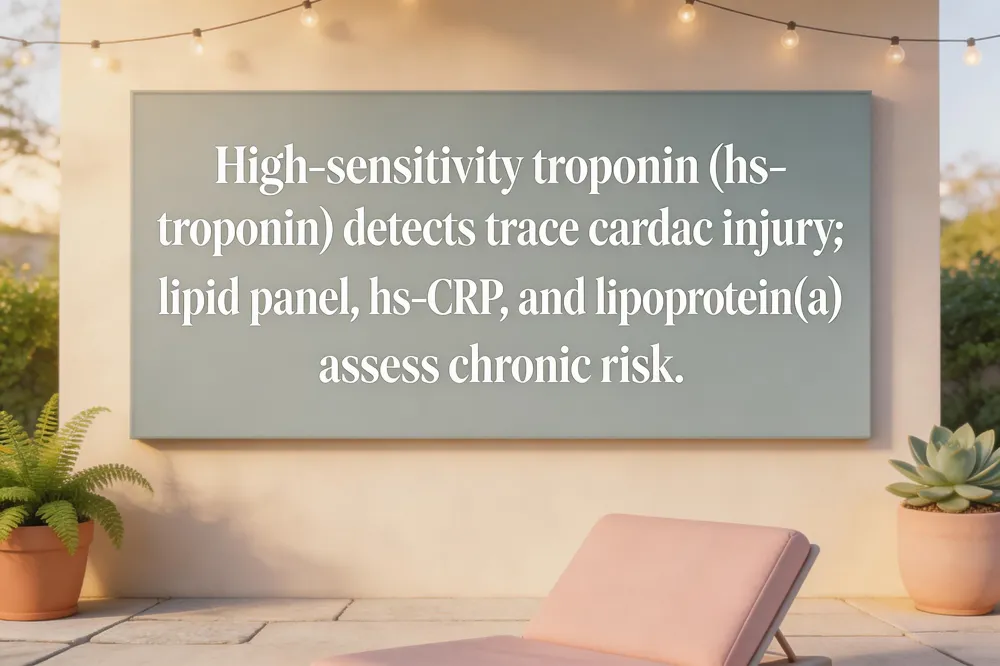 High‑sensitivity troponin (hs‑troponin) is now the most accurate blood test for diagnosing a heart attack. It can detect even trace amounts of cardiac injury with a sensitivity that exceeds older assays, safely ruling out a myocardial infarction in about half of patients within one hour and confirming the diagnosis in most cases within three to six hours when serial measurements are used. However, elevated troponin can also arise from non‑cardiac conditions such as renal failure, sepsis, or myocarditis, so the result must be interpreted alongside the patient’s symptoms and a 12‑lead ECG. When combined with ECG findings and clinical presentation, hs‑troponin achieves a diagnostic accuracy of roughly 90‑95 % for true heart attacks, offering both high sensitivity and good specificity.
Beyond troponin, a comprehensive cardiovascular risk‑assessment blood panel often includes a lipid panel (total cholesterol, LDL‑C, HDL‑C, triglycerides), high‑sensitivity C‑reactive protein (hs‑CRP) to gauge inflammation, and lipoprotein(a) [Lp(a)] for genetic risk. Elevated LDL, low HDL, hs‑CRP > 2 mg/L, or high Lp(a) signal a greater chance of artery plaque buildup and future blockage. These markers, together with age, blood pressure, smoking status, diabetes, and family history, feed into calculators such as the ASCVD or Reynolds Risk Score to estimate a 10‑year event risk.
At Jana HealthCare, we blend these laboratory insights with holistic lifestyle counseling—heart‑healthy Mediterranean diet, regular aerobic activity (≥150 minutes/week), weight management, smoking cessation, and stress reduction—to personalize prevention and, when needed, guide medication choices like statins or antihypertensives. This integrated approach empowers patients to lower their risk and maintain both cardiac health and overall well‑being.
Imaging and Functional Tests for Heart Health
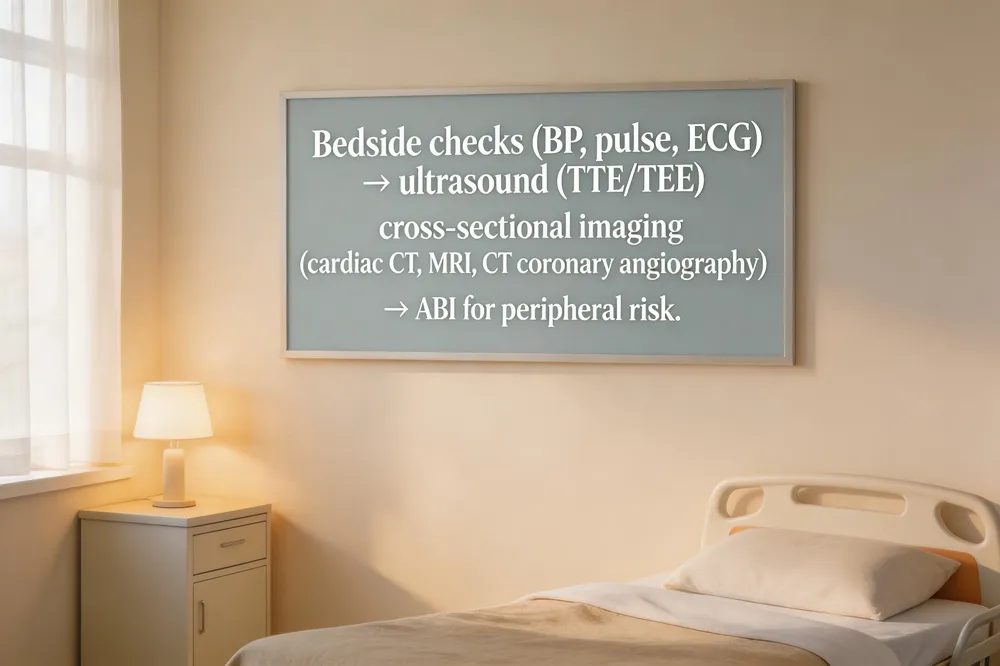 Types of heart tests – A heart‑health work‑up starts with bedside checks (blood‑pressure, pulse, and a quick ECG) that give an instant snapshot of rhythm and electrical activity. For deeper insight, ultrasound‑based studies such as a transthoracic echocardiogram (TTE) or a transesophageal echocardiogram (TEE) create real‑time movies of chambers, valves and wall motion. Cross‑sectional imaging – cardiac CT, cardiac MRI, and CT coronary angiography – visualizes the coronary arteries, plaque, and scar tissue without a surgical incision. Additional screens like a lipid panel, high‑sensitivity CRP, and ankle‑brachial index (ABI) round out risk assessment.
Heart screening test list – A typical panel includes:
- Blood‑pressure and pulse assessment.
- Resting ECG (or 12‑lead for chest discomfort).
- Stress testing (exercise treadmill or pharmacologic) to see how the heart works under load.
- Imaging: TTE, cardiac MRI, or CT scan for structure and function.
- Blood work: cholesterol (LDL, HDL, triglycerides) (lipids), hs‑CRP, lipoprotein(a) (lipoprotein(a). These non‑invasive tools give a comprehensive picture of cardiovascular health and guide personalized lifestyle or medication plans.
How do they do a cardiac evaluation test? – A technologist places adhesive electrodes for an ECG, then may schedule a stress test where heart rate, blood pressure and ECG are monitored while you walk or receive medication. An echocardiogram follows, using a handheld probe on the chest to capture moving images. If plaque risk is suspected, a low‑dose cardiac CT calcium score checks for calcified plaque; a contrast‑enhanced CT angiography can map blockages. Throughout, a cardiologist explains each step, aligns findings with your wellness goals, and recommends next‑level care or aesthetic‑focused wellness programs as needed.
What is included in a cardiac evaluation? – A thorough history (symptoms, family history, lifestyle), a focused physical exam (vital signs, auscultation, pulse checks), resting ECG, echocardiogram, and laboratory studies (lipids, hs‑CRP, BNP. For higher‑risk patients, stress testing, Holter monitoring or advanced imaging (MRI/CT may be added to detect arrhythmias, structural abnormalities, or ischemia.
What is the best test to check for heart problems? – No single test fits all. An ECG is the fastest first step for rhythm and prior injury. If structural concerns arise, an echocardiogram provides detailed valve and muscle information. Exercise‑related symptoms merit a stress test or cardiac MRI. At Jana HealthCare, we blend these evidence‑based diagnostics with holistic wellness counseling—nutrition, movement, stress management—and aesthetic enhancements to deliver a truly personalized heart‑health plan.
Risk Calculators and Predictive Tools
 Understanding your heart‑health numbers is the first step toward personalized prevention.
10‑year ASCVD calculator – The ACC/AHA ASCVD Risk Estimator Plus uses age, sex, race, blood‑pressure readings, cholesterol values, smoking status and diabetes history to predict the chance of a heart attack, stroke or cardiovascular death in the next decade. Results are expressed as a percentage (low < 5 %, borderline 5‑7.4 %, intermediate 7.5‑19.9 %, high ≥ 20 %). Jana HealthCare integrates this score with lifestyle counseling, nutritionally‑focused programs and aesthetic wellness services to create a seamless health‑optimization plan.
Pre‑operative risk tools – Before non‑cardiac surgery, the 2024 ACC/AHA guideline recommends a step‑wise assessment that starts with functional capacity, proceeds to a clinical risk calculator such as the Revised Cardiac Risk Index (RCRI) or the ACS‑NSQIP Surgical Risk Calculator, and adds biomarkers when needed. A high RCRI (≥ 2) or an elevated BNP/NT‑proBNP (≥ 92 ng/L) flags patients for additional ECG monitoring, stress testing or peri‑operative medication adjustment.
Integrating biomarkers into risk scores – Adding high‑sensitivity C‑reactive protein, lipoprotein(a) or ceramide levels to traditional calculators refines risk stratification, especially for those with intermediate ASCVD scores. While not routinely required, Jana HealthCare can order these labs when a more nuanced picture is needed to guide statin intensity, antihypertensive therapy or lifestyle intensity.
Key Q&A
- 10‑year cardiovascular risk calculator: Estimates a decade‑long probability of a major atherosclerotic event using demographic and lab data; guides statin and lifestyle decisions.
- ACC/AHA guidelines for peri‑operative evaluation: Emphasize functional capacity, risk calculators, and selective testing; recommend continuation of chronic cardiac meds and targeted peri‑operative biomarkers.
- Pre‑operative cardiac risk assessment calculator: RCRI assigns points for six clinical factors, categorizing patients into low, intermediate or high risk; higher scores prompt BNP testing and closer monitoring.
- Heart risk calculator: Provides an absolute risk percentage for CVD, helping patients prioritize diet, exercise, smoking cessation and medication.
- Cardiac risk assessment: Uses evidence‑based tools to identify modifiable factors; early detection enables tailored medical and wellness interventions.
Screening Questionnaires and Lifestyle Guidance
 A heart‑disease screening questionnaire is the first step in a personalized wellness plan. It collects your age, sex, blood‑pressure readings, cholesterol levels, kidney function, diabetes status, medication use, and lifestyle habits such as smoking, diet (especially red‑meat and high‑fat intake), physical activity, weight, and stress. Family history of early‑onset heart disease and any current symptoms—Chest pain, shortness of breath, palpitations, fainting, or unexplained swelling—are also captured. The tool generates a 10‑year and lifetime cardiovascular‑risk estimate that guides preventive strategies, and at Jana HealthCare we integrate these findings with cosmetic‑dermatology and holistic wellness recommendations to protect your heart while enhancing overall health.
Red‑flag symptoms that demand urgent cardiac assessment include chest discomfort or pressure (angina), shortness of breath at rest or with routine activities, irregular heartbeats, fainting episodes, and swelling in the ankles or lower legs. Additional red flags are abnormal ECG findings, a family history of sudden cardiac death before age 40, new or uncontrolled hypertension, and any unexplained dyspnea. These signs should trigger a specialist review within 24 hours.
There is no single “age X” for a routine cardiology visit; instead, timing depends on risk factors and symptoms. Begin screening in your 30s or 40s if you have a family history of premature heart disease, or earlier for congenital or rhythm disorders. Adults who develop high blood pressure, diabetes, high cholesterol, or experience Chest pain, shortness of breath, palpitations, dizziness, or swelling should be referred promptly, regardless of age. In the absence of symptoms, regular primary‑care check‑ups help determine when a cardiology referral is appropriate, ensuring timely, personalized care.
Practical Access, Costs, and Resources
 Finding a convenient place for a heart‑screening is easier than you might think. In Brooklyn, Jana HealthCare offers a multidisciplinary, that couples comprehensive cardiac risk assessment—including blood‑work, a resting ECG, and a transthoracic echocardiogram—with personalized lifestyle coaching and even aesthetic wellness services. To book an appointment, call the office during regular business hours or use the online portal on the Jana website. If you live outside New York, nearby options such as Valley Health System’s Ridgewood Campus (Queens) and Hackensack Meridian Health centers (New Jersey) provide comparable non‑invasive testing performed by board‑certified nurse practitioners and cardiologists.
Cost varies by test: a standard echo ranges from $500‑$5,000 (average $2,000), while a coronary calcium CT can be as low as $49 at direct‑to‑consumer clinics. Most insurance plans cover these studies when they are medically necessary, dramatically lowering out‑of‑pocket expenses. Uninsured patients can often access discounted rates or flexible payment plans; Jana HealthCare offers transparent pricing and works with insurers to minimize surprise bills.
For those who want to dive deeper into the science, the American Heart Association (AHA) and the ACC/AHA make their full guideline PDFs freely available. Visit www.heart.org → Guidelines for AHA documents, and the ACC website (ACC guidelines) for the latest peri‑operative cardiovascular management guideline.
Integrating Cardiac Care with Wellness and Aesthetics
 At Jana HealthCare in Brooklyn, a heart‑screening package blends cutting‑edge cardiology with personalized wellness and aesthetic services. In one convenient visit you receive a resting ECG, blood‑pressure check, a full lipid panel (including LDL, HDL and triglycerides), a fasting glucose/HbA1c test, and a carotid‑artery ultrasound to spot early arterial disease. A portable cardiac stress test and a 24‑hour Holter monitor add rhythm surveillance, while a board‑certified cardiologist reviews the results and crafts a prevention‑focused plan that may include lifestyle counseling, medication, or referral for further imaging.
A heart‑risk calculator—such as the ACC/AHA ASCVD Risk Estimator or the Reynolds Risk Score—takes your age, sex, race, blood pressure, cholesterol, smoking status and diabetes status to produce a 10‑year and lifetime risk percentage. This evidence‑based figure guides both the cardiologist and you in prioritizing diet, exercise, weight management and, when appropriate, statin or antihypertensive therapy.
During a first cardiology visit the doctor gathers a detailed history, performs a physical exam (watching for hypertension, abnormal heart sounds, swelling), and orders targeted tests (ECG, echo, stress test) to assess heart function. Together you review the findings and outline a personalized plan that aligns with your overall wellness and aesthetic goals.
Know the five warning signs of heart disease: chest discomfort/pressure, unexplained shortness of breath, irregular heartbeats, fainting or light‑headedness, and swelling in the ankles or feet. The core blood tests for risk factors are a lipid panel, high‑sensitivity CRP (hs‑CRP), lipoprotein(a), and glucose/HbA1c—all of which help identify inflammation, genetic risk, and diabetes, the major drivers of cardiovascular disease. By integrating these diagnostics with nutrition counseling, fitness programs, and cosmetic wellness services, Jana HealthCare offers a holistic pathway to a healthier heart and a more vibrant you.
Take Charge of Your Heart Health Today
Regular heart check‑ups catch risk factors early, preventing heart attacks, strokes, and heart failure. Early evaluation is especially vital for those with family history, high blood pressure, cholesterol, diabetes, smoking, or obesity. Schedule a comprehensive screening at Jana HealthCare, where cardiology blends with cosmetic dermatology and wellness services. Our team‑ physicians, nutritionists, fitness coaches, and aesthetic specialists creates a personalized plan that protects your heart while enhancing overall health and confidence and supports vitality for you and your loved ones.