A New Frontier in Facial Rejuvenation
PRP microneedling, often called the “vampire facial,” merges two proven skin‑rejuvenation techniques. Microneedling creates tiny, controlled injuries that trigger the body’s natural wound‑healing cascade, boosting collagen and elastin production. Immediately afterward, autologous platelet‑rich plasma (PRP) is applied; its concentrated growth factors (PDGF, TGF‑β, VEGF) penetrate the micro‑channels, accelerating fibroblast activity and further enhancing collagen remodeling. In Brooklyn, the treatment’s popularity is rising because local practices such as Brooklyn Dermatology and Heights Dermatology offer safe, board‑certified services with minimal downtime—typically mild redness for 1‑3 days. The synergistic mechanism delivers smoother texture, firmer skin, and reduced fine lines, making it an attractive, non‑surgical option for personalized anti‑aging care.
Reason #1: Boosts Collagen and Elastin Production
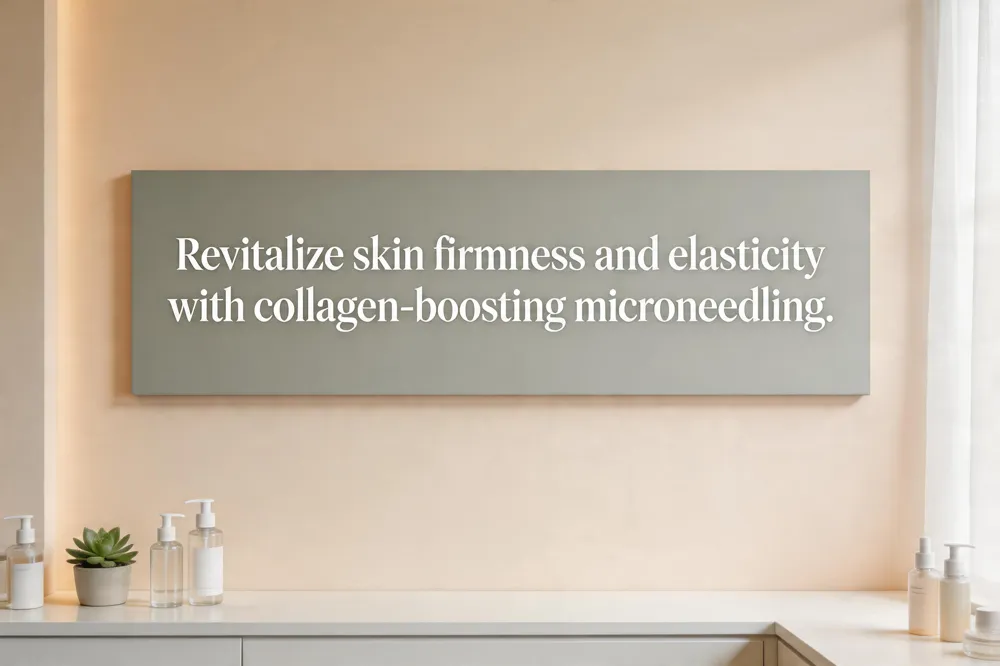 Microneedling initiates a controlled micro‑injury cascade, a process known as collagen induction therapy. The tiny channels stimulate the skin’s natural wound‑healing response, prompting fibroblasts to produce new type I and III collagen and elastin fibers that restore firmness and elasticity. When platelet‑rich plasma (PRP) is applied immediately after, its high concentration of growth factors (PDGF, TGF‑β, VEGF, etc.) penetrates those micro‑channels, amplifying fibroblast activity and speeding tissue repair.
How long does collagen production take after microneedling? The healing response begins within days, but robust collagen synthesis starts in the second week and peaks around 4‑6 weeks, with most new collagen mature by six weeks.
Microneedling PRP – how long to see results? Patients often notice a subtle glow within a few days; visible improvements such as smoother texture and reduced fine lines appear at 2‑3 weeks, with full collagen‑boosting effects emerging at 2‑3 months. A series of 3‑4 sessions spaced four to six weeks apart yields the best outcome.
Side effects of microneedling for collagen production? Expect mild redness, swelling, tightness, and possible pinpoint bleeding or bruising that resolve within a week. Rare complications include infection or hyperpigmentation, so diligent after‑care and sunscreen are essential.
Reason #2: Accelerates Skin Recovery and Reduces Downtime
 Microneedling creates micro‑injuries that jump‑start the skin’s natural healing cascade, and when platelet‑rich plasma (PRP) is added, the growth factors flood the fresh channels, speeding up tissue repair. Clinical observations show that the typical post‑procedure redness and swelling are milder and resolve faster than with microneedling alone. Most patients notice a mild, sunburn‑like redness that peaks within the first 24‑48 hours and fades by day 3, while a sand‑paper texture may linger for up to a week as the skin gently peels.
Downtime after PRP microneedling – Because the inflammation is lower, you can usually return to normal activities after 1‑2 days. Avoid makeup, hot showers, saunas, and vigorous exercise during the short downtime, and keep the area clean with a gentle, fragrance‑free cleanser and a hydrating moisturizer. Broad‑spectrum SPF 30+ sunscreen should be applied daily for at least two weeks.
Side effects of PRP microneedling – Common reactions include mild pain during the procedure, temporary redness, swelling, pinpoint bruising, and occasional itching or dry skin. These effects typically resolve within a few days. Rarely, post‑inflammatory hyperpigmentation or a mild rash may appear, especially in darker skin tones, but it usually fades with proper sun protection and after‑care. Infection risk is low when strict sterile technique is used.
Reason #3: Targets Multiple Skin Concerns Simultaneously
 Microneedling with PRP is a versatile "vampire facial" that treats a wide range of aging‑related issues in one session. The tiny, controlled injuries stimulate collagen and elastin production, while the autologous platelet‑rich plasma delivers a boost of growth factors that accelerate healing and tissue remodeling. For the face, this synergy smooths fine lines and wrinkles, tightens skin, and fades acne or surgical scars, leaving a brighter, more even complexion with minimal downtime. When it comes to hyperpigmentation, the micro‑channels allow PRP’s PDGF and TGF‑β to reach deeper layers, regulating melanocyte activity and lightening age spots, melasma, and post‑inflammatory marks within weeks. The same principle benefits hair thinning: microneedling opens pathways for PRP to nourish follicles, increasing blood flow and collagen around the scalp, which can improve density and thickness over a series of treatments. Neck skin, which often shows early laxity, receives a fresh collagen boost that reduces sagging and fine lines, restoring firmness without surgery. Overall, a typical protocol of 3‑4 sessions spaced 4‑6 weeks apart provides cumulative, long‑lasting rejuvenation across facial, neck, and scalp concerns.
Reason #4: Safe, Customizable, and Cost‑Effective
 Microneedling with platelet‑rich plasma (PRP) is prized for its autologous safety profile—because the plasma comes from the patient’s own blood, the risk of allergic reaction or disease transmission is essentially nil. Typical treatment protocols involve a series of three to four sessions spaced four weeks apart, allowing the skin’s natural wound‑healing cascade to remodel collagen and elastin between visits. For more pronounced concerns such as deep acne scars or advanced wrinkles, providers may recommend four to six sessions, followed by maintenance appointments every six to twelve months.
Cost of microneedling with PRP in the United States averages $500‑$800 per session; Brooklyn practices often price the procedure around $600‑$700. A full‑face regimen of three to four visits therefore totals roughly $1,800‑$3,000, with some clinics offering bundled discounts that include PRP preparation and post‑care supplies.
Finding a qualified provider is essential. Look for board‑certified dermatologists or plastic surgeons who use FDA‑cleared microneedling devices and follow strict aseptic PRP preparation. In Brooklyn, reputable options include Jana HealthCare, Brooklyn Dermatology (Dr. Reshmi Kapoor), and Heights Dermatology. Scheduling a consultation will let you receive a personalized quote, discuss the number of sessions you’ll need, and ensure the treatment is tailored to your skin type and anti‑aging goals.
Beyond the Basics: Integrating PRP Microneedling into a Holistic Anti‑Aging Plan
 At Jana HealthCare’s multidisciplinary Brooklyn clinic, board‑certified dermatologists, aesthetic surgeons and nutritionists collaborate to tailor a skin‑renewal roadmap that blends in‑office technology with lifestyle coaching.
Complementary in‑office treatments – Alongside PRP‑enhanced microneedling, patients can receive non‑ablative lasers, radio‑frequency tightening, or Ultherapy for deeper collagen remodeling, while hyaluronic‑acid fillers restore early volume loss.
Home‑care routines – Daily SPF 30+ sunscreen, a gentle cleanser, and a moisturizer rich in hyaluronic acid or glycerin keep the barrier hydrated. Antioxidant serums (vitamin C, niacinamide) and a nightly retinoid accelerate cell turnover and protect against oxidative stress.
Age‑specific recommendations
- 30s: Emphasize prevention—sunscreen, OTC retinoid, occasional micro‑needling, and neuromodulators for dynamic lines.
- 40s: Add volume‑restoring fillers, Ultherapy or Morpheus8 for sagging skin, and continued PRP sessions to boost collagen.
- 50s: Combine RF or ultrasound tightening with biostimulatory fillers (Sculptra) and regular PRP microneedling to sustain elasticity.
- 60s: Focus on deep tissue tightening (HIFU), PRP‑boosted microneedling, and maintenance fillers, while protecting skin with prescription‑strength antioxidants.
Best at‑home anti‑aging steps – Cleanse, hydrate with hyaluronic acid, apply sunscreen, use vitamin C serum, and perform weekly gentle facial massage or DIY mask.
Habits that accelerate aging – Smoking/vaping, sedentary lifestyle, chronic stress, poor sleep, and an unhealthy diet speed collagen loss and should be addressed for optimal results.
Final Takeaway
Recap of the four key reasons: 1) Microneedling jump‑starts collagen and elastin production; 2) PRP delivers autologous growth factors that amplify that repair and shorten downtime; 3) The combo improves fine lines, texture, hyperpigmentation and scar texture faster than microneedling alone; 4) Autologous PRP carries virtually no allergy or infection risk, making it safe for all skin types.
Why PRP microneedling fits into a holistic anti‑aging plan: It offers a minimally invasive, natural‑looking rejuvenation that complements skin‑care, nutrition, sun protection and lifestyle habits, while allowing gradual, cumulative collagen remodeling without surgical downtime.
Next steps for interested patients: Schedule a consultation with a board‑certified dermatologist or aesthetic physician to assess skin concerns, discuss a personalized 3‑4‑session protocol spaced 4–6 weeks apart, and plan post‑treatment care (gentle cleansing, hydration, sunscreen) to maximize long‑term results.