Why Consider a Health Coach?
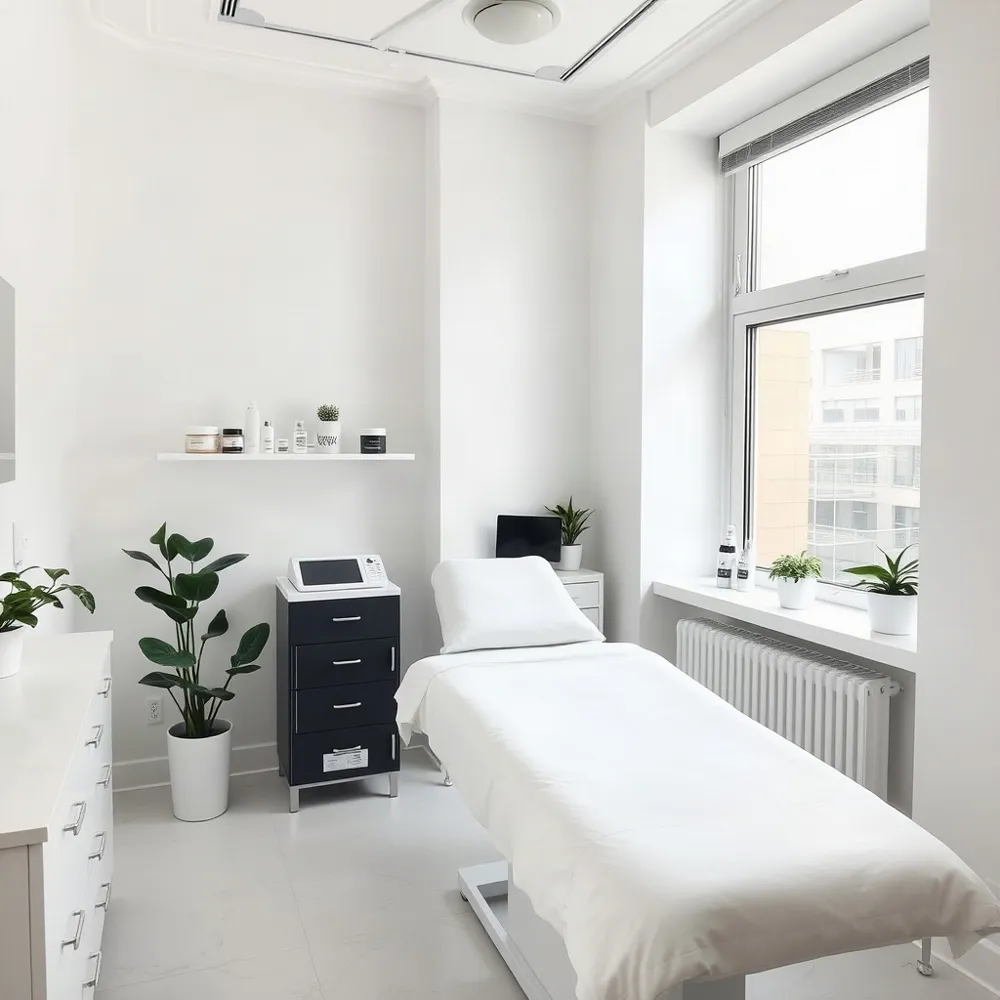
Health‑coaching demand in the United States is soaring. A 2023 Civic Science study found that 36 % of Americans have already worked with a coach or plan to do so, and employers are embedding coaches into corporate wellness programs and private practices. The benefits are two‑fold. For individuals, a coach provides personalized, evidence‑based guidance that improves blood pressure, cholesterol, glucose, weight and activity levels while boosting self‑efficacy and stress resilience. For multidisciplinary practices, coaches fill the time gap in traditional visits, delivering accountability, goal‑setting and behavior‑change support that complements physicians, dietitians and therapists. Jana HealthCare in Brooklyn exemplifies this integrated model: its health‑coaching team works alongside medical, aesthetic and functional‑medicine providers to create a 360‑degree wellness plan that addresses nutrition, sleep, stress, relationships and even aesthetic goals, ensuring patients receive holistic, optimized care.
Unmotivated and Lacking Accountability
 Why is health coaching important?
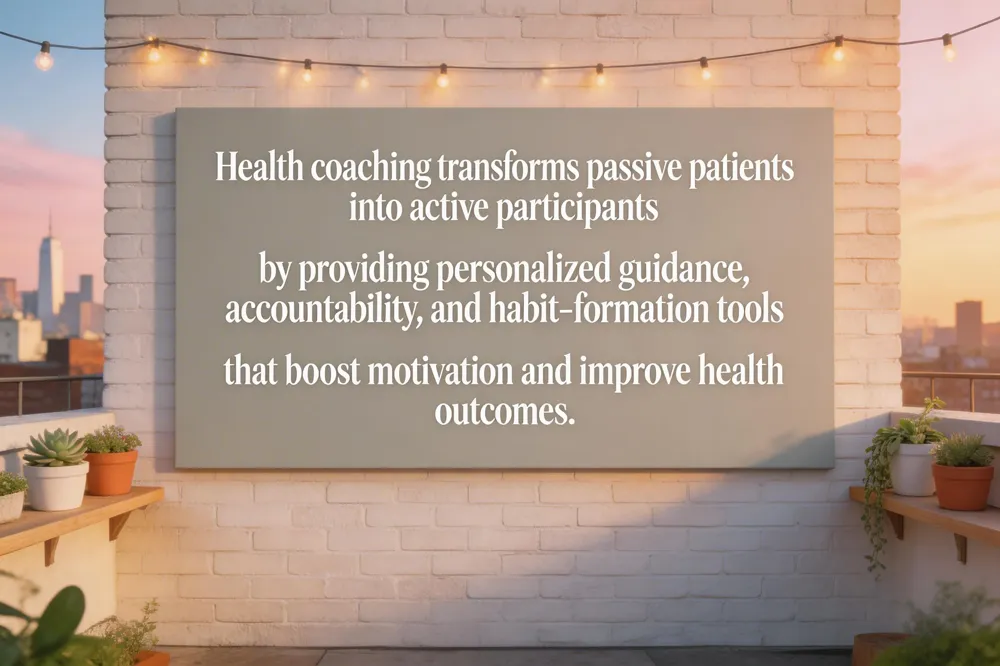
Health coaching equips patients with the knowledge, skills, and confidence to actively manage their health. By translating medical advice into daily actions, coaches help lower blood pressure, improve blood‑sugar control, and reduce BMI—clinically meaningful changes highlighted in multiple U.S. studies. In multidisciplinary settings such as Jana HealthCare in Brooklyn, a coach works alongside dermatologists and aesthetic specialists, ensuring that lifestyle tweaks complement skin‑health and cosmetic goals for a truly coordinated, patient‑centered experience.
Why is health coaching important?
Health coaching equips patients with the knowledge, skills, and confidence to actively manage their health. By translating medical advice into daily actions, coaches help lower blood pressure, improve blood‑sugar control, and reduce BMI—clinically meaningful changes highlighted in multiple U.S. studies. In multidisciplinary settings such as Jana HealthCare in Brooklyn, a coach works alongside dermatologists and aesthetic specialists, ensuring that lifestyle tweaks complement skin‑health and cosmetic goals for a truly coordinated, patient‑centered experience.
Is it worth hiring a health coach? Yes. Investing in a coach provides personalized, evidence‑based guidance, continuous accountability, and motivational support that self‑directed attempts often lack. Research shows that coaching boosts self‑efficacy (SDM 0.41), increases physical activity by roughly 665 steps per day, and leads to modest but meaningful weight loss and stress reduction—benefits that translate into better long‑term health and lower healthcare costs.
Health coaching examples
- Tailored nutrition plans that target acne‑triggering foods while supporting weight loss.
- Stress‑management programs using mindfulness to lower cortisol‑related flare‑ups, improving sleep and energy.
- Habit‑formation coaching that schedules short, daily movement bouts, increasing step count and fitness.
- Chronic‑disease coaching for diabetes or autoimmune conditions, integrating medication adherence with lifestyle changes.
- Integrated wellness sessions offered alongside cosmetic dermatology appointments, aligning skin‑care with overall vitality.
Signs of low intrinsic motivation include frequent procrastination, feeling overwhelmed by health information, and a lack of clear personal goals. Accountability—through regular check‑ins, activity logs, and supportive feedback—creates a feedback loop that reinforces habit formation. When accountability is present, patients report higher energy, better weight control, and reduced stress, illustrating the powerful synergy between motivation, coaching, and holistic well‑being.
Persistent Stress and Burnout
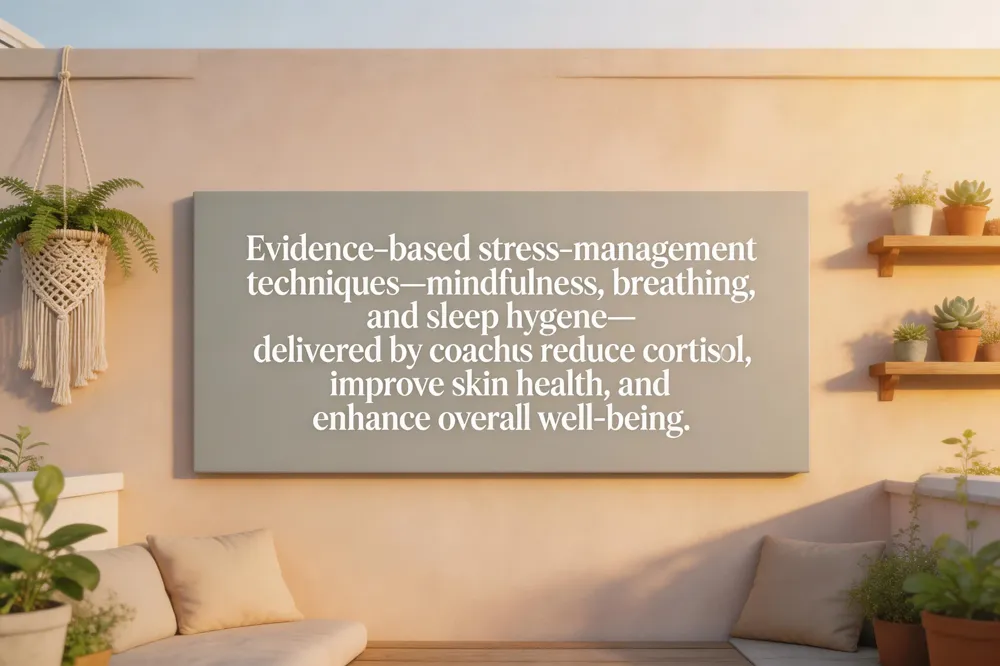 Stress‑reduction techniques used by health coaches often begin with evidence‑based tools such as mindfulness meditation, diaphragmatic breathing, and progressive muscle relaxation. Coaches teach clients how to schedule short "reset" breaks throughout the day and use habit‑formation apps to track these practices, which have been shown to lower cortisol levels that can trigger skin inflammation and exacerbate conditions like acne or eczema.
Research consistently links chronic stress, poor sleep, and compromised skin health. Elevated stress disrupts the hypothalamic‑pituitary‑adrenal axis, leading to fragmented sleep and a weakened barrier function in the epidermis. A health coach will evaluate a client’s bedtime routine, suggest wind‑down rituals (e.g., low‑light reading, limiting screen exposure), and align nutrition—rich in antioxidants and omega‑3 fatty acids—to support both restorative sleep and radiant skin.
In a multidisciplinary clinic, mind‑body approaches integrate the coach’s behavioral expertise with dermatology, nutrition, and functional medicine. For example, a patient undergoing a cosmetic procedure may receive a coordinated plan that includes stress‑management coaching, personalized nutrition guidance, and follow‑up skin‑care protocols, ensuring that emotional well‑being, sleep quality, and aesthetic outcomes reinforce each other.
What is a health coach? A health coach is a trained professional who partners with individuals to set, plan, and achieve personalized health‑related goals. Using evidence‑based conversation techniques such as motivational interviewing, cognitive‑behavioral strategies, and goal‑setting tools, the coach helps clients identify barriers, develop realistic action steps, and stay accountable.
Health coaching examples: A stress‑management program might teach mindfulness and breathing techniques to reduce cortisol‑related skin flare‑ups, while habit‑formation coaching guides patients to incorporate regular exercise and proper sleep routines that support overall wellness and post‑procedure recovery.
Is health coaching legit? Health coaching is a legitimate, evidence‑based discipline recognized by professional organizations such as the American Association of Health Coaches. Certified coaches use proven behavior‑change techniques like motivational interviewing, which research shows improve outcomes in weight loss, chronic disease management, and stress reduction.
Chronic Conditions Not Improving
 Many Americans struggle with chronic conditions such as type 2 diabetes, hypertension, and autoimmune‑related skin issues that persist despite standard medical care. A growing body of research shows that health coaching can bridge the gap between prescription and daily practice. Over 40 randomized controlled trials have demonstrated that coaching lowers HbA1c in diabetes, reduces systolic blood pressure by about 7 mm Hg, and modestly decreases BMI—average weight loss of 7.2 % after 12 months. Meta‑analyses also report a 0.30 % drop in HbA1c and a 0.52‑unit BMI reduction, indicating clinically meaningful improvements across multiple chronic diseases.
Coaches focus on medication adherence and sustainable lifestyle change by using motivational interviewing, active listening, and personalized action plans. They help patients identify barriers—such as time constraints, stress, or conflicting health information—and replace them with evidence‑based habits that fit each individual’s routine and aesthetic goals.
The most recognized credential for practitioners is the National Board Certified Health & Wellness Coach (NBC‑HWC). Other reputable certifications include the Certified Wellness Coach (CWC) from the International Association of Wellness Professionals, the Certified Health Coach (CHC) from the National Society of Health Coaches, and the Institute for Integrative Nutrition’s nutrition‑focused program.
In the United States, health coaches earn a median annual salary of roughly $55,000. Entry‑level roles start around $35,000, while senior specialists—especially in high‑cost markets like New York City—can command $70,000 to $85,000 or more, with top earners exceeding six figures.
Unclear Goals and Confusing Health Information
 How coaches clarify values and objectives – By using motivational interviewing questions and active‑listening, coaches help clients surface personal values (family, career, creativity) and align health goals with those deeper motivations. This values‑based goal‑setting makes the plan feel personally relevant, increasing adherence.
Navigating health misinformation – Certified coaches stay current with peer‑reviewed research and are bound by professional standards (ICF, NBHWC, NBC‑HWC). They filter out fad diets and unproven supplements, providing evidence‑based guidance and directing clients to reliable resources such as the CDC or Mayo Clinic.
What are the 5 C’s of coaching? The 5 C’s are Connection (building trust), Clarity (defining precise goals), Commitment (owning actions), Challenge (stretching beyond comfort), and Change (the lasting behavior shift).
Is health coaching legit? Yes. When delivered by certified, evidence‑backed professionals, health coaching is credible and effective. It follows standards set by accredited bodies (ICF, NBHWC, International Association of Wellness Professionals) and partners with physicians rather than replacing medical care.
Health coaching certification – Certification, such as the NBC‑HWC credential or ICF‑accredited programs, ensures standardized training, continuing education, and professional credibility. Certified coaches can safely integrate into multidisciplinary practices like Jana HealthCare, offering coordinated, holistic care.
Desire for Integrated, Holistic Care
 Today's patients increasingly seek a whole‑person approach that blends cosmetic dermatology with lifestyle optimization. At Jana HealthCare in Brooklyn, the synergy between skin‑care treatments and wellness coaching creates a seamless experience: a client receiving a laser resurfacing procedure also meets with an on‑site health coach who reviews nutrition, sleep hygiene, stress‑management techniques, and even supplement protocols that support skin healing. This integrated model addresses the seven pillars of health—nutrition, hydration, sleep, rest, stress, movement, and mindset—so that cosmetic outcomes are amplified by underlying physiological balance. Health coaching fills the gap between the physician’s prescription and the patient’s daily reality, providing accountability, personalized goal‑setting, and evidence‑based guidance. By offering regular check‑ins, the coach helps clients translate clinical recommendations into sustainable habits, reducing the risk of chronic disease, improving blood pressure and glycemic control, and ultimately enhancing overall satisfaction with both aesthetic and wellness goals.
Financial Considerations and Value
 In the United States a one‑on‑one health‑coach session typically costs $100‑$250 per hour, with virtual or less‑experienced providers charging $50‑$200. Package deals are common—four sessions might run $350‑$800, effectively lowering the per‑session price. Specialized niche coaches (e.g., functional‑medicine or chronic‑disease experts) can command $300+ per hour, while group or online programs are far more affordable, often $20‑$50 per session.
Coaches themselves earn a median salary of about $55,000 annually; entry‑level wages hover near $35,000, and senior or highly specialized practitioners can make $85,000 or more. In high‑cost markets such as New York City, the median rises to roughly $70,000.
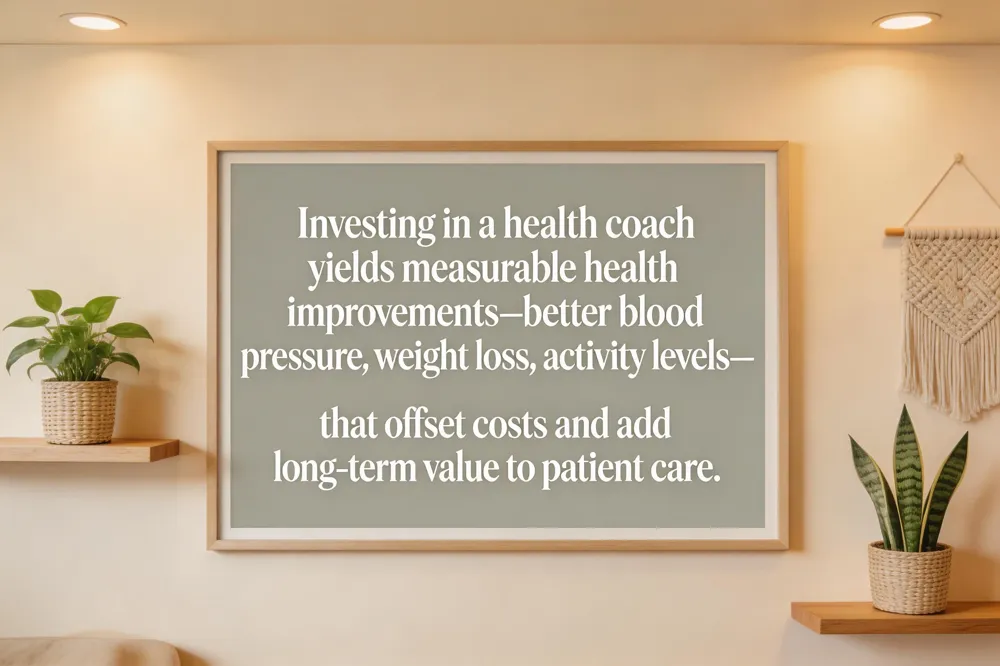
Is hiring a health coach worth it? The personalized, evidence‑based guidance and ongoing accountability coaches provide usually translate into faster, more durable health improvements compared with self‑directed attempts. For many patients, the investment pays off through better blood‑pressure control, weight loss, increased activity, and reduced healthcare utilization, making the cost a worthwhile contribution to long‑term wellness and even clinic revenue when integrated into multidisciplinary care teams.
Take the Next Step Toward Sustainable Wellness
Recognizing any of the five warning signs—lack of motivation, chronic stress, difficulty forming lasting habits, feeling overwhelmed by health information, or managing multiple chronic conditions—means you’re ready for a partner who can turn intentions into action. Jana HealthCare in Brooklyn offers an integrated health‑coaching program that bridges functional medicine, nutrition, and aesthetic wellness. Begin by scheduling a free 30‑minute discovery call, during which a certified coach will assess your goals, identify barriers, and map out a personalized plan that aligns with your lifestyle and medical care. The team’s ICF‑accredited coaches use motivational interviewing and evidence‑based strategies to boost self‑efficacy, track progress, and adjust tactics as you evolve. Prioritizing this personalized, research‑driven support not only accelerates weight loss, blood‑pressure control, and stress reduction but also enhances overall quality of life. Take the next step today—invest in a health‑coaching partnership that empowers you to achieve sustainable, whole‑person wellness.