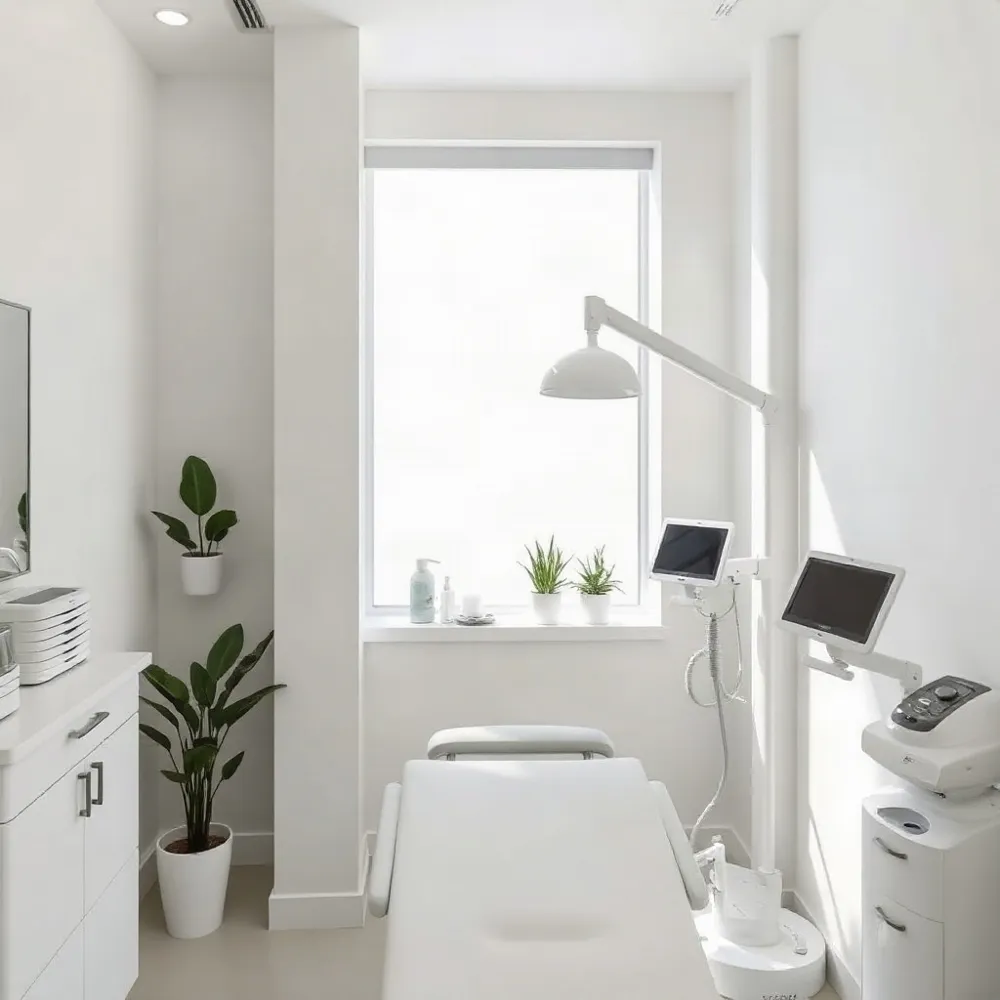
Unlock Radiance with Proper Post-HydraFacial® Care
Overview of HydraFacial® Treatment Benefits
HydraFacial® is a non-invasive, multi-step skincare treatment designed to cleanse, exfoliate, extract impurities, and deeply hydrate the skin. This procedure uses advanced vortex technology to rejuvenate the skin by removing dead cells and delivering nourishing serums, which helps address common concerns such as acne, dark spots, fine lines, and uneven texture. The treatment results in glowing, refreshed skin with minimal downtime.
Importance of Diligent Aftercare for Lasting Results
Proper aftercare is essential to maximize and extend the benefits of a HydraFacial®. Immediately after treatment, the skin is more sensitive and receptive to hydration, so it’s important to avoid harsh products, excessive touching, and sun exposure. Wearing broad-spectrum sunscreen SPF 30 or higher, staying hydrated, and refraining from strenuous activities for 24-48 hours help preserve your skin’s glow and prevent irritation. Maintaining a gentle skincare routine and scheduling regular sessions every 4 to 6 weeks will support ongoing skin health and radiance.
Brief Mention of the Treatment's Multi-Step Process
HydraFacial® combines cleansing, gentle exfoliation, painless extraction, and infusion of hydrating serums in a precise sequence. This process effectively removes dirt and impurities while nourishing the skin, making it a comprehensive treatment that promotes both immediate results and long-term skin vitality.
HydraFacial Post-Care Key Facts
- Using broad-spectrum SPF 30+ after HydraFacial is essential to protect sensitive, exfoliated skin from UV damage.
- Hydrated skin before and after treatment enhances absorption of nourishing serums and prolongs results.
- Avoiding harsh ingredients like retinoids and acids for at least 48 hours prevents irritation and aids healing.
- Refraining from touching or picking minimizes risk of infection, irritation, and scarring during skin recovery.
- Skipping makeup for the first 24 hours allows skin to breathe and helps preserve the treatment’s effects.
- Exposing skin to excessive heat or sweat, such as hot showers or intense workouts, can cause irritation post-treatment.
- Scheduling regular HydraFacial treatments every 4-6 weeks maintains skin glow, clarity, and overall health.
- Jana HealthCare combines clinical care, cosmetic dermatology, and wellness therapies for comprehensive patient improvement.
- Integrated care improves outcomes and satisfaction by ensuring personalized, coordinated treatment plans.
- Cosmetic dermatology boosts self-esteem and promotes holistic wellness by enhancing appearance and emotional confidence.
1. Protect Your Skin with Daily Broad-Spectrum Sunscreen
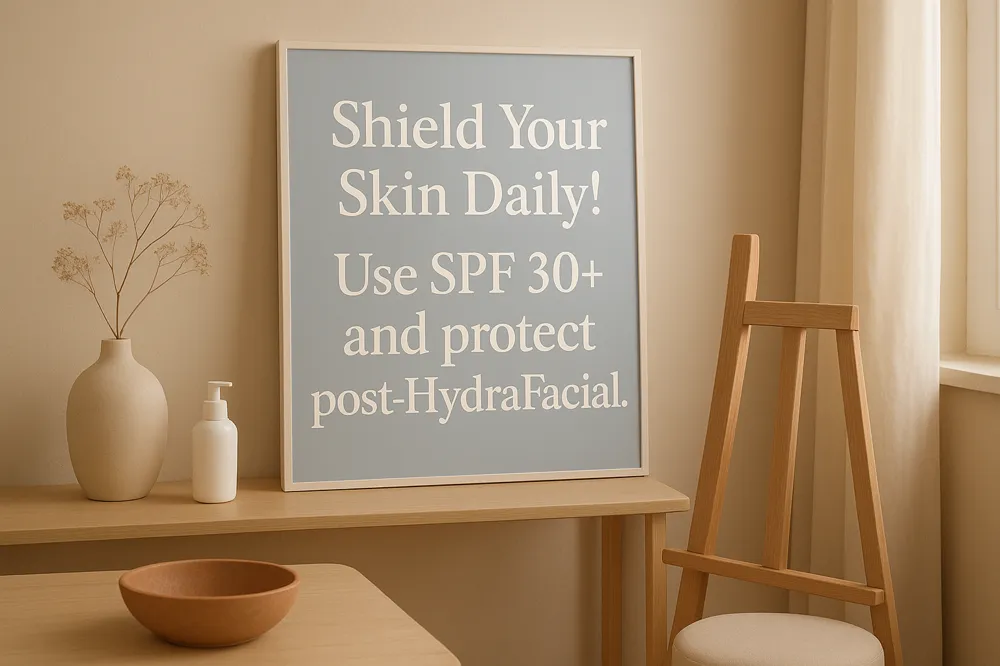
Why Use SPF 30 or Higher After HydraFacial?
Using a broad-spectrum sunscreen with an SPF of 30 or higher is essential following a HydraFacial treatment. The procedure exfoliates and hydrates your skin, leaving it more sensitive and vulnerable to UV damage. Applying sunscreen daily helps shield your skin from harmful UVA and UVB rays, which can lead to irritation, pigmentation, and premature aging.
Importance of Daily Sun Protection
Since your skin is freshly cleansed and exfoliated, it requires consistent protection. Experts recommend applying sunscreen every day, even when indoors or during overcast weather, to maintain the integrity and health of your skin post-treatment.
Avoid Direct Sun Exposure for 24-48 Hours
Avoiding direct sunlight for at least 24 to 48 hours after your HydraFacial is crucial. This reduces the risk of redness, irritation, and long-term UV damage, giving your skin the best chance to heal and retain the treatment’s benefits, as described in HydraFacial aftercare tips.
Wear Protective Clothing
In addition to sunscreen, wearing protective clothing such as wide-brimmed hats, sunglasses, and long sleeves offers an extra barrier from the sun’s rays. This is especially important when your skin is in its most sensitive state following the HydraFacial.
By integrating these sun protection after HydraFacial habits into your post-HydraFacial routine, you support your skin's renewal process and maximize the longevity of your radiant results.
2. Keep Your Skin Hydrated Inside and Out
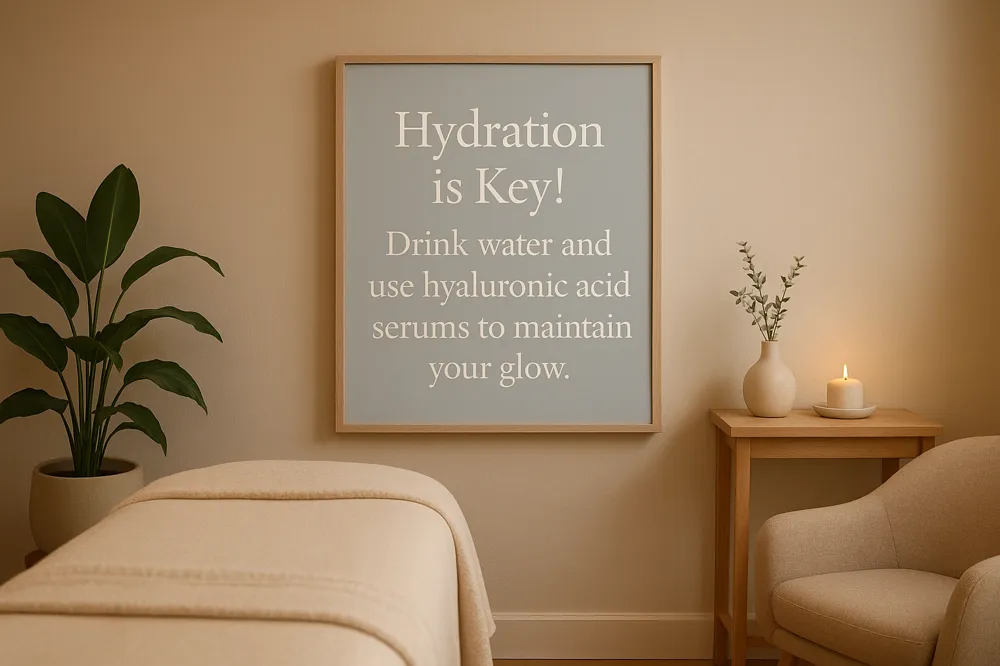
Why is Hydration Important Before and After a HydraFacial?
Drinking plenty of water before and after your HydraFacial treatment overview supports your skin's natural hydration levels. Well-hydrated skin allows the nourishing serums used during the treatment to penetrate more effectively, enhancing results.
How Should You Hydrate Your Skin Topically After the Treatment?
Post-HydraFacial aftercare tips, your skin is especially receptive to hydration. Using hydrating serums and lightweight, non-comedogenic moisturizers is essential. Products containing hyaluronic acid are highly recommended as they help lock in moisture without clogging pores.
Which Skincare Products Should Be Avoided?
To maintain optimal hydration and avoid irritation, it's important to steer clear of drying and harsh skincare products such as retinoids, exfoliants, and strong chemical ingredients for at least 48 hours after the treatment. Gentle, sulfate-free cleansers and moisturizers with ceramides support skin barrier recovery.
By drinking ample water and applying the right hydrating products, you can maintain your skin's glow and prolong the benefits of your HydraFacial aftercare tips treatment.
3. Avoid Harsh Skincare Ingredients for At Least 48 Hours

Why retinoids, chemical exfoliants, and strong acids should be avoided
After a HydraFacial aftercare, your skin is especially sensitive and more permeable. Ingredients like retinoids, chemical exfoliants, and strong acids can be too harsh during this delicate recovery phase. Avoiding these helps prevent irritation, redness, and discomfort.
Prevention of skin irritation and sensitivity
Using aggressive products too soon can lead to increased sensitivity, dryness, or inflammation. Steering clear of these ingredients minimizes the risk of disrupting the skin's healing process, ensuring the skin barrier remains intact and calm.
Use of gentle, alcohol- and fragrance-free cleansers
Instead, opt for gentle, alcohol- and fragrance-free cleansers. These mild formulations delicately cleanse without stripping moisture or causing irritation, supporting the skin’s natural recovery and hydration balance.
Allowing skin recovery and maximizing treatment benefits
By avoiding harsh products, you give your skin the necessary time to recover fully and absorb the hydrating and antioxidant serums delivered during the treatment. This approach maximizes the benefits of your HydraFacial aftercare tips, helping maintain your fresh, glowing complexion for longer.
4. Resist Touching or Picking at Your Skin
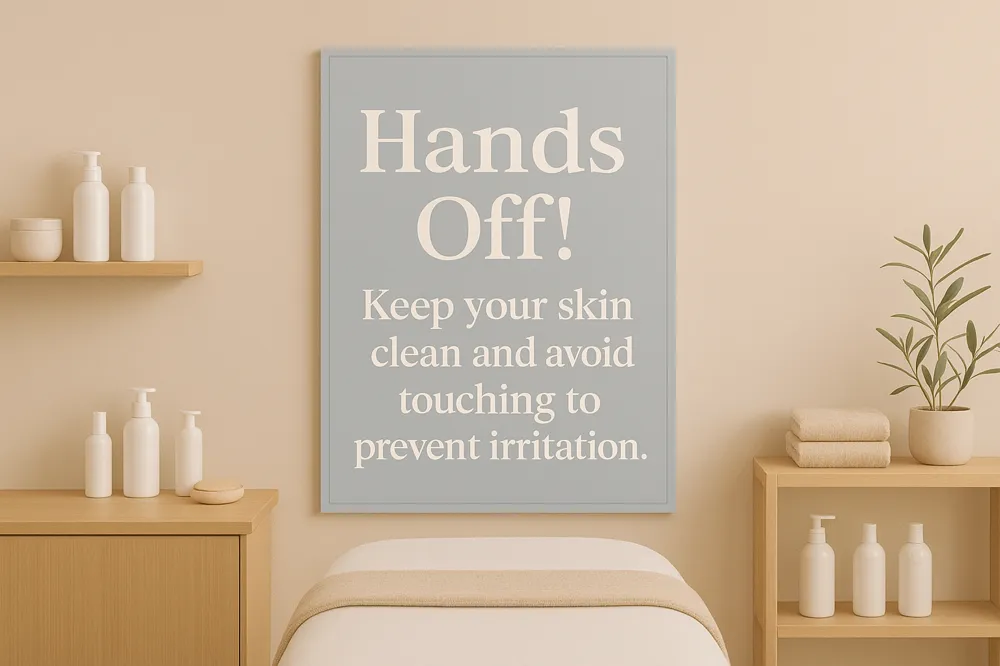
Why Should You Avoid Touching or Picking at Your Skin After a HydraFacial treatment?
After a HydraFacial treatment, your skin is deeply cleansed and exfoliated, making it more sensitive and vulnerable. Avoiding touching or picking at your skin is crucial to prevent irritation, infection, and scarring. Any contact can introduce bacteria or cause micro-tears, which interfere with the natural healing process. For more details, see Avoid picking skin after HydraFacial.
How Does Avoiding Touching Help Your Skin Heal?
Letting your skin heal naturally minimizes inflammation and supports the skin’s recovery. Picking can cause redness, swelling, and prolonged healing times, undermining the rejuvenating effects of the HydraFacial.
Tips For Maintaining Cleanliness and Protecting Your Skin
- Keep your hands clean and avoid unnecessary contact with your face.
- Refrain from using harsh skincare products that could aggravate sensitive skin. Refer to Hydrafacial skincare products to avoid.
- Use gentle soaps and moisturizers recommended by your skincare professional to maintain skin hygiene without irritations, as suggested in recommended moisturizers for HydraFacial.
Ultimately, resisting the urge to touch or pick ensures your skin fully benefits from the treatment, maintaining its glow and health longer. Check out HydraFacial aftercare tips for comprehensive guidance.
5. Skip Makeup for the First 24 Hours
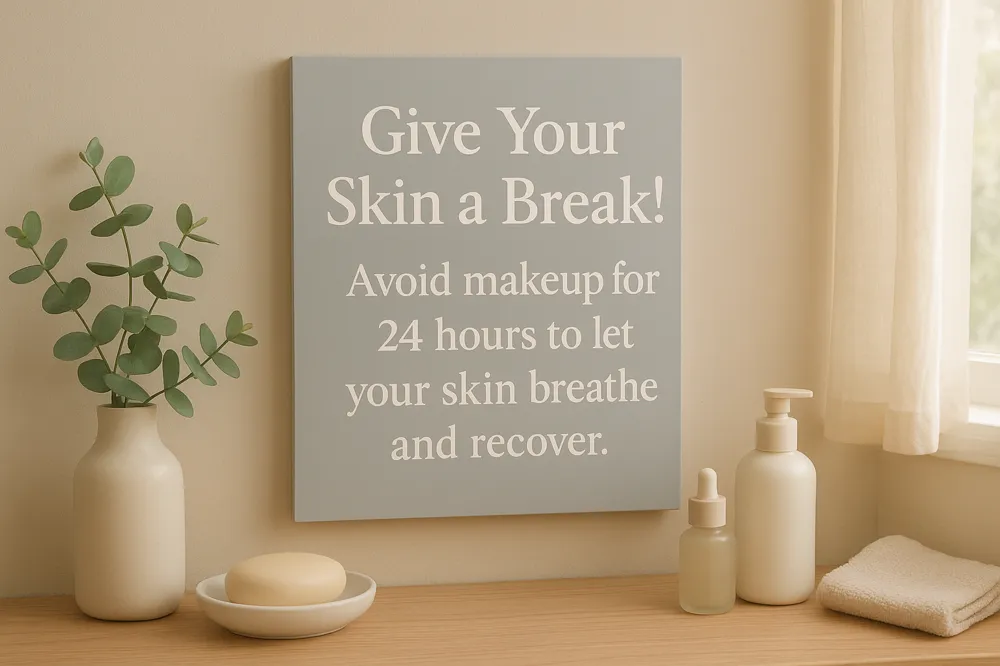
Why Skip Makeup After Your HydraFacial treatment?
After a HydraFacial treatment your skin has just undergone cleansing, exfoliation, extraction, and intense hydration. Giving it a break from makeup for at least 24 hours helps your skin maintain the clean, refreshed state and enhances the treatment's benefits.
Benefits of Giving Skin a Break Post-Treatment
Avoiding makeup allows the skin to breathe freely without the risk of clogging pores. This helps reduce chances of irritation and breakouts, which could otherwise counteract the positive effects of your facial.
Reducing Risks of Clogged Pores and Breakouts
Since your skin is more receptive and sensitive post-treatment, applying makeup too soon can trap oils and bacteria, increasing the risk of clogged pores and inflammation. Letting your skin rest prevents this and supports a clear complexion.
Allowing Skin to Breathe and Regenerate Naturally
Skipping makeup gives your skin a chance to regenerate naturally, preserving the glow and hydration achieved during the HydraFacial aftercare. This breathing room supports optimal healing and prolongs the visible benefits of the treatment.
By following this simple post-care tip, you help safeguard your skin's health and ensure your HydraFacial results last longer and remain radiant.
6. Avoid Excessive Heat, Sweat, and Strenuous Activity
Why avoid saunas, hot showers, intense workouts, and beaches immediately post-HydraFacial treatment?
After a HydraFacial , your skin becomes more sensitive and delicate due to the deep cleansing, exfoliation, and hydration it has undergone. Exposure to heat from saunas, hot showers, or the sun at the beach can cause unnecessary irritation and redness. Intense workouts lead to excessive sweating, which can also inflame sensitive skin and potentially clog freshly cleared pores.
Reducing irritation caused by sweating and heat exposure
Sweat and heat increase skin temperature and may provoke inflammation or sensitivity, slowing the healing process. Avoiding sweating and heat after Hydrafacial for at least 24-48 hours post-treatment helps keep your skin calm and reduces the risk of irritation or breakouts.
Supporting skin recovery and comfort
Opting for cooler environments and gentle skincare supports faster recovery and keeps skin feeling comfortable. Using cool compresses or chilled masks can soothe the skin. This careful avoidance of heat and sweat after Hydrafacial ensures your HydraFacial results last longer and your skin stays radiant and healthy.
7. Schedule Regular HydraFacial Treatments Every 4-6 Weeks
Why Maintain Regular HydraFacial treatments
Scheduling HydraFacial treatments every 4 to 6 weeks is critical for maintaining the glowing, healthy skin achieved through individual sessions. Consistency helps enhance and prolong the benefits by continuously removing impurities, hydrating the skin, and stimulating skin renewal.
Benefits of Consistent Treatments
Regular treatments can improve skin texture, tone, and clarity over time. By addressing concerns such as fine lines, dullness, uneven pigmentation, and congestion repeatedly, HydraFacials support sustained skin health. This ongoing care allows the skin to look vibrant and refreshed long-term, promoting elasticity and a radiant complexion.
Personalized Scheduling for Optimal Results
Consulting with skincare professionals ensures your treatment schedule is tailored to your skin's specific needs, lifestyle, and goals. Professionals consider factors such as skin type, condition, and seasonal changes to optimize timing. Personalized plans maximize treatment effectiveness and help maintain radiant skin year-round.
Following a routine HydraFacial regimen, in combination with diligent skincare and healthy habits, leads to comprehensive skin revitalization and lasting benefits.
How does Jana HealthCare combine clinical care, cosmetic dermatology, and wellness therapies for patient benefit?
The Integrated, Multidisciplinary Approach of Jana HealthCare
Jana HealthCare excels by merging clinical care, cosmetic dermatology, and wellness therapies into a cohesive, patient-focused program. This integration allows specialists from each field to collaborate seamlessly, ensuring every aspect of a patient's health and appearance is addressed holistically.
Personalized Treatment Plans Combining Clinical and Aesthetic Care
The practice develops individualized plans that combine medical treatments with aesthetic enhancements tailored to each patient's unique skin and health needs. By assessing both underlying health conditions and cosmetic goals, Jana HealthCare provides treatments that optimize skin health, rejuvenation, and overall wellness.
Promoting Overall Health, Confidence, and Well-Being Through Combined Therapies
By utilizing advanced technologies and therapeutic methods, Jana HealthCare supports patients beyond physical treatments. This approach not only improves skin appearance but also boosts mental well-being and self-confidence. Integrating wellness therapies encourages healthier lifestyle habits, further enhancing long-term health outcomes and quality of life.
This comprehensive, multidisciplinary strategy ensures patients receive balanced care that nurtures both health and beauty, resulting in sustained improvements and greater patient satisfaction.
What are the benefits of integrated clinical care in a multidisciplinary medical practice?
Coordination and communication among healthcare specialists
Integrated clinical care thrives on seamless communication between healthcare specialists from different disciplines. This coordination enables the sharing of critical patient information, which avoids duplication of tests and conflicting treatments, ensuring all providers are aligned in their approach.
Comprehensive, tailored patient care improving outcomes
By bringing together diverse expertise, multidisciplinary practices deliver personalized care plans that address the full spectrum of a patient’s health needs. This holistic approach supports better diagnosis, timely intervention, and coordinated management, leading to improved health outcomes and enhanced patient satisfaction.
Efficiency and reduced healthcare costs due to integrated model
An integrated care framework reduces redundancies and streamlines care delivery. This efficiency cuts down unnecessary procedures, hospital readmissions, and emergency visits, ultimately lowering overall healthcare costs while maintaining high-quality patient care.
How does cosmetic dermatology contribute to overall wellness?
Boosting self-esteem and mental well-being
Cosmetic dermatology enhances appearance, which often leads to increased self-confidence. Feeling good about one's skin reduces self-consciousness and supports better mental health. This uplift in self-esteem contributes positively to overall wellness.
Personalized treatments promoting relaxation and stress reduction
Many cosmetic dermatology sessions, like HydraFacial treatment, offer nurturing environments where treatments are tailored to individual needs. This personalized care encourages relaxation, lowers stress levels, and creates a calming experience that benefits emotional well-being.
Motivating healthier lifestyle habits
Achieving desired skin results often inspires clients to adopt improved habits, such as consistent skincare routines, balanced nutrition, proper hydration, and adequate sleep. This motivation supports a holistic approach to health that extends beyond aesthetic improvements.
By combining physical enhancements with emotional support and lifestyle motivation, cosmetic dermatology serves as a meaningful contributor to comprehensive health and wellness.
What types of wellness therapies are commonly offered alongside medical and aesthetic treatments?
Wellness Therapies Commonly Offered With Medical and Aesthetic Care
Many practices now offer a range of wellness therapies alongside medical and aesthetic treatments, aiming to support holistic health and enhance overall well-being.
-
Massage Therapy, Acupuncture, Nutritional Counseling: These therapies help reduce stress, increase energy, and balance the body’s systems. Nutritional counseling supports skin health and general vitality through tailored diet plans.
-
Hormone Replacement Therapy and Weight Loss Programs: Hormone replacement therapy (HRT) is used to restore hormonal balance, improving mood, energy, and skin quality. Weight loss programs often include GLP-1 receptor agonists like Ozempic, Mounjaro, and Wegovy, assisting in safe and effective fat loss.
-
IV Hydration Therapy for Enhanced Vitality: IV infusions deliver vitamins, antioxidants, and fluids directly to the bloodstream, supporting hydration, detoxification, and radiant skin from within.
Benefits of Integrating Wellness with Aesthetic Treatments
Combining these wellness therapies with aesthetic care contributes significantly to:
- Improved skin health and a youthful appearance by addressing internal health factors.
- Enhanced mental health by reducing stress and hormonal imbalances.
- Greater patient confidence and satisfaction through personalized, comprehensive care.
Through this integrated approach, patients receive not just surface-level improvements but long-term vitality and wellness that complement the aesthetic enhancements they seek.
Maintaining Stunning Skin Beyond Your HydraFacial®
Keep Your Skin Radiant Post-HydraFacial
To preserve the glowing results of your HydraFacial, focus on gentle care and sun protection immediately after treatment. Avoid harsh skincare products for at least 48 hours, and skip makeup on the treatment day to allow your skin to breathe.
Hydration is crucial—drink plenty of water and use lightweight moisturizers with hyaluronic acid to lock in moisture. Daily use of broad-spectrum SPF 30 or higher protects your sensitive skin from UV damage.
Regular HydraFacial sessions every 4 to 6 weeks help maintain and enhance skin health, addressing concerns like fine lines, texture, and congestion. Always consult skincare professionals to tailor treatments and aftercare that suit your unique skin needs for optimal results.