Why Microblading Aftercare Matters
Importance of Aftercare in Microblading Healing and Pigment Retention
Proper aftercare is essential to ensure the eyebrows heal correctly and the pigment remains vibrant. Microblading involves implanting pigment into the upper layers of skin, which requires careful care to optimize healing and pigment retention.
Risks of Improper Aftercare
Failing to follow aftercare guidelines can lead to infections, scabbing, pigment loss, uneven color, or scarring. Activities like touching, scratching, or exposing the brows to moisture or harsh products too soon can damage results.
Healing Timeline and Phases
Healing typically occurs over 4 to 6 weeks. In the first 24 hours, excess lymph fluid forms and should be gently blotted to prevent scabs. Days 2-10 involve gentle cleaning and peeling as pigment settles. During this time, avoiding sun, sweat, and water exposure is crucial. Final healed results appear around 30 days post-procedure, with touch-ups recommended for lasting perfection.
Microblading Aftercare Key Facts
- Keep eyebrows dry for 7-10 days post-microblading to prevent pigment loosening and uneven healing.
- Gently cleanse eyebrows twice daily with mild, unscented antibacterial soap and pat dry to prevent infection.
- Apply recommended healing ointments like Aquaphor sparingly, starting around days 2-4, for moisture and healing support.
- Avoid picking, scratching, or rubbing during healing, especially during peeling and flaking phases to prevent pigment loss and scarring.
- Protect microbladed brows from sun exposure for at least two weeks; use broad-spectrum SPF 30-50 after healing.
- Refrain from makeup, skincare products, and harsh treatments for 14 days, avoiding exfoliants, acids, or retinoids near the brows.
- Limit sweating and intense physical activities for 7-14 days; use sweatbands if exercising to prevent pigment loss.
- Schedule follow-up appointments around 6-8 weeks to evaluate healing, adjust color, and enhance results.
- Immediately post-treatment, expect dark appearance which fades naturally over 1-2 weeks as healing progresses.
- Following proper aftercare ensures long-lasting, vibrant microbladed brows, minimizing risks of uneven fading or pigment loss.
1. Keep Your Brows Dry and Avoid Water Exposure Initially

Why Keep Eyebrows Dry After Microblading?
Immediately following microblading, your skin has tiny wounds where the pigment is implanted. Keeping the brows dry for the first 7 to 10 days is crucial because exposure to water can loosen the pigment and disrupt proper eyebrow healing. Water can cause the pigment to fade prematurely or lead to an uneven appearance.
Avoiding Showers, Swimming, and Hot Tubs
During this initial healing phase, it's best to avoid direct water exposure such as swimming, soaking in hot tubs, or taking long showers that cause your brows to get wet. Moreover, activities like saunas or steam rooms should also be skipped as steam moisture can affect pigment retention in microblading.
When Can You Resume Gentle Washing?
After about 7 to 10 days, once the outer skin has mostly healed and the risk of pigment loss has decreased, gentle washing can be safely resumed. At this point, use mild, unscented antibacterial soap and avoid scrubbing or applying exfoliating or acidic products near the brows. Continuing to protect your brows from makeup and harsh treatments is important until full healing, which usually takes 4 to 6 weeks as part of the microblading healing process.
Answering Your Question
How many days after microblading can I wash my eyebrows?
It is recommended to keep your eyebrows completely dry and avoid washing for at least 7 to 10 days to ensure the pigment settles properly. After this, you can gently wash your brows, being careful to use only mild soap and avoid irritating the healing skin in accordance with microblading aftercare instructions.
2. Cleanse Gently Twice Daily with Mild Antibacterial Soap

What is the best aftercare for microblading?
Proper cleansing plays a vital role after microblading to ensure safe healing and optimal pigment retention in microblading. It is recommended to gently wash the eyebrows twice daily using a mild, unscented antibacterial soap for brows such as Cetaphil or Dial. Avoid soaps containing active ingredients like exfoliants, acids, or retinol, which can irritate sensitive skin and damage pigment as advised in the microblading aftercare instructions.
Use lukewarm water, and gently clean the area without rubbing or scrubbing. Pat the brows dry carefully with a clean towel or tissue to prevent irritation. This method helps prevent infection by removing dirt and excess lymph fluid after microblading without disrupting the healing skin.
Keeping the area clean but not over-washed protects the delicate newly pigmented skin, minimizing the risk of scabbing, pigment loss, or inflammation. Balance is key: maintain hygiene and moisturize lightly using recommended ointments without over-applying.
Following these microblading aftercare tips supports a smooth microblading healing process and preserves the microblading results for longer-lasting, flawless brows.
3. Apply Healing Ointments Sparingly to Promote Moisture

What ointments or creams should be applied after microblading?
To support proper healing for microblading and maintain moisture after microblading, use recommended ointments such as Aquaphor or CeraVe healing balms. These ointments provide gentle hydration without irritating the skin. They should be applied sparingly using clean cotton swabs to ensure hygienic and precise application.
Avoid over-application; applying a thin layer is crucial because thick or greasy ointment layers can suffocate the skin, delay healing, and increase the risk of pigment loss. Vaseline is generally not recommended, as it tends to clog pores.
Typically, ointment use starts around day 2 to day 4 post-procedure and continues twice daily for about 7 to 14 days, coinciding with the critical healing timeline for microblading when the skin is regenerating and peeling.
After the initial healing phase, switching to a gentle, fragrance-free moisturizer and regular use of sunscreen with SPF 30 or higher is advised for long-term care and to prolong the microblading results.
4. Avoid Picking, Scratching, or Rubbing to Preserve Pigment
What should I avoid after microblading?
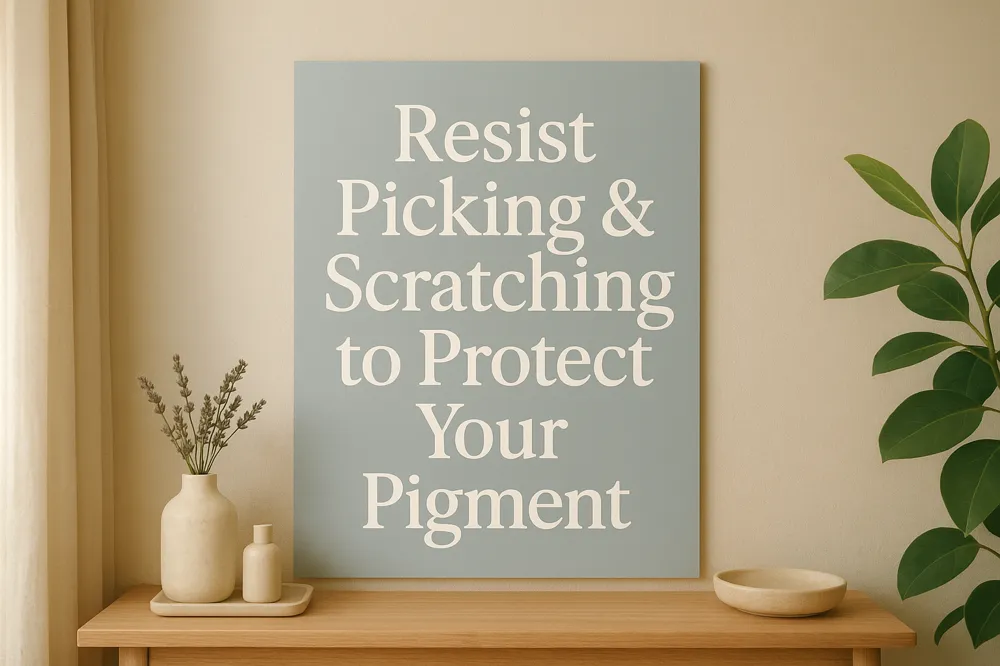
After microblading, it is essential to avoid picking, scratching, or rubbing the treated eyebrow area. These actions can lead to scarring and cause unwanted pigment loss, which diminishes the quality and longevity of your results.
Normal peeling and flaking phases
During days 4 to 10 post-procedure, it is normal for the skin to peel and flake as part of natural exfoliation after microblading. This is when pigment flakes away naturally, especially starting at the edges, revealing the final color underneath.
Dangers of scab picking
Picking at scabs or flaky skin interrupts the healing process, increases risk of scarring, and often removes implanted pigment unevenly. This can result in patchy brows or fading, necessitating additional touch-up sessions. Learn about preventing microblading scabbing.
Managing itching without disturbing the area
Itching can occur during healing but resist the urge to scratch. Gently blotting the area or applying a recommended ointment can alleviate discomfort. Maintaining clean, moisturized skin with approved products helps soothe the skin while preserving pigment. See cleaning microbladed brows and how to manage itching and flaking after microblading.
Importance of patience during natural exfoliation
Patience during this phase is critical to allow the skin to heal correctly and maintain pigment integrity. The complete microblading healing process and pigment retention typically take 4-6 weeks, during which the skin regenerates naturally without interference to achieve flawless brows.
5. Shield Your Brows from Sun Exposure and Use Sunscreen Post-Healing
Why is protecting microbladed brows from sun exposure essential?
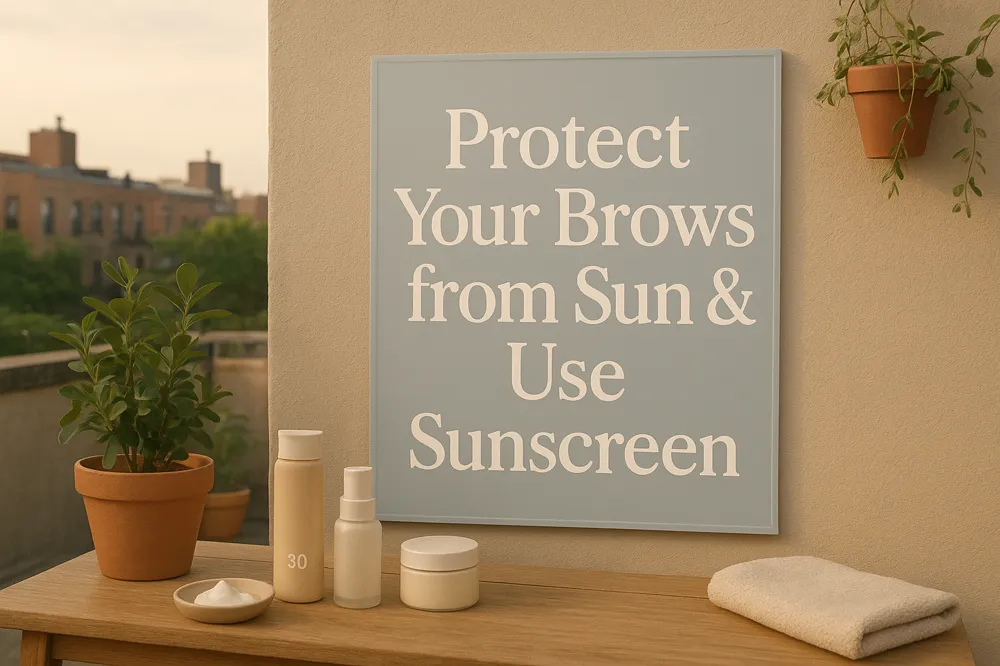
UV rays from the sun can cause the pigment implanted during microblading to fade prematurely, impacting the longevity and vibrancy of your eyebrows. Excessive sun exposure during the healing phase, especially within the first two weeks, can disrupt pigment retention in microblading and lead to uneven coloring.
How long should I avoid sun exposure after microblading?
It is recommended to avoid direct sun exposure for at least two weeks after your procedure. During this time, the skin is healing and more vulnerable, making pigment more susceptible to fading. Follow proper microblading aftercare instructions to ensure optimal results.
What sunscreen should I use on my eyebrows post-healing?
After the initial healing period, apply a broad-spectrum sunscreen with an SPF between 30 and 50 to protect your brows effectively from harmful UV rays. Use gentle, fragrance-free formulations to avoid skin irritation. See guidelines for sunscreen for microbladed eyebrows for recommendations.
Are there additional physical barriers to protect brows during healing?
Wearing wide-brimmed hats or using physical barriers can provide extra protection from direct sun exposure, especially during outdoor activities. This helps minimize the risk of pigment fading and supports optimal healing. Refer to microblading aftercare tips for more ways to protect your eyebrows.
How can I maintain the best lasting results from microblading?
Minimize sun exposure throughout the healing process and consistently apply sunscreen on your eyebrows when outdoors. After healing, maintain moisture with gentle, fragrance-free moisturizers and schedule recommended touch-up sessions. These combined practices ensure your brows stay vibrant and flawless for longer. For comprehensive advice, see microblading long lasting results and microblading touch-up tips.
6. Say No to Makeup, Skincare Products, and Harsh Treatments
What should I avoid after microblading?
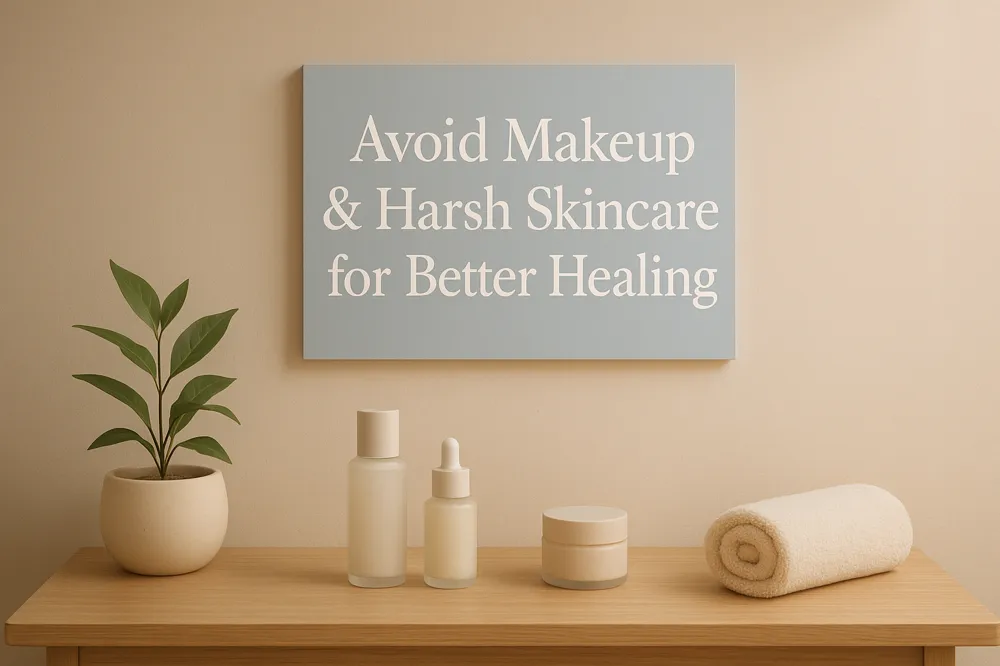
After microblading, it's essential to avoid applying makeup, lotions, or any facial skincare products on the treated eyebrow area for at least 14 days. These products can irritate the sensitive, healing skin and increase the risk of infection or pigment loss (Microblading aftercare instructions).
Chemical exfoliants, retinoids, and acids found in many skincare products should be strictly avoided as they can damage the implanted pigment, leading to fading or patchy results (Avoid chemical exfoliants on brows, Avoid exfoliants and acids during healing).
Additionally, waxing, laser treatments, and chemical peels on or near the brow area must be delayed until the skin is fully healed to prevent disrupting the pigment and causing scarring (Avoid laser and chemical treatments after microblading.
Maintaining this 14-day avoidance period supports proper eyebrow healing and helps sustain vibrant, long-lasting microbladed brows.
7. Limit Sweating and Intense Physical Activities Initially

Why sweating can cause irritation and pigment fading
Sweating after microblading can irritate the freshly treated skin and disrupt the healing process. Sweat contains salts and bacteria which may cause inflammation or infection at the site of pigment implantation. Moreover, sweat can loosen the pigment particles before they are fully set into the skin, leading to premature pigment fading. For more details, see Microblading aftercare tips, Microblading aftercare, and Microblading healing tips.
Recommended avoidance period for workouts, sports, sauna, hot baths
To ensure proper healing and optimal pigment retention, it's advised to avoid activities that induce sweating or expose the brows to excessive heat for at least 7 to 14 days post-procedure. This includes intense workouts, sports, sauna sessions, hot baths, and any prolonged exposure to heat or humidity. See also Post Care for Microblading and Microblading aftercare instructions.
Using sweatbands to divert sweat if exercising
If light exercise is unavoidable, wearing a sweatband can help divert sweat away from the brows, protecting the sensitive area from moisture and irritation. Sweatbands act as a barrier that prevents sweat from dripping onto the healing skin and minimize pigment loss. More information can be found at Microblading aftercare.
Impact on healing and pigment retention
By limiting sweating and avoiding intense physical activities, the skin can heal without disruption, preventing scabbing or pigment loss. This careful management promotes uniform pigment settlement, reduces the risk of infection, and helps maintain the natural, flawless appearance of the microbladed brows. For further guidance, refer to Microblading healing tips and Microblading aftercare guide.
Answer to "What should I avoid after microblading?"
Avoid activities that cause excessive sweating such as intense workouts, saunas, hot baths, or prolonged heat exposure for at least 7-14 days to prevent pigment fading and irritation. Use sweatbands if exercising to protect healing brows from sweat. For comprehensive care instructions, visit Microblading aftercare instructions and Post Care for Microblading.
8. Schedule Touch-Ups and Stay Attentive to Your Healing Progress

What is the typical healing process for microblading day by day?
The healing journey after microblading typically spans 4 to 6 weeks, with important changes occurring throughout this period. Immediately following the procedure, the brow area may be red, swollen, and the pigment appears very dark. In the first days, blotting excess lymph fluid helps prevent scabbing.
Around days 5 to 7, natural scabbing and flaking begin as the skin exfoliates; it's crucial not to pick or scratch to avoid pigment loss or scarring. By about day 10, peeling typically finishes, revealing lighter-colored pigment underneath as the skin regenerates.
Over the following weeks, the pigment gradually deepens and stabilizes. Around 6 to 8 weeks post-procedure is an important milestone when a touch-up appointment should be scheduled. This session helps perfect the shape, address any fading, and ensure uniform pigment retention for natural, long-lasting results.
Throughout healing, monitoring for signs of infection—such as unusual redness, swelling, pus, or prolonged discomfort—is essential. Prompt consultation with a healthcare professional is advised if complications arise.
Consistent care and attention during this time support optimal brow appearance and health. For detailed guidance, see these Microblading healing process and Post Care for Microblading resources.
What is the best aftercare for microblading?
Keeping the Area Dry Initially
For the first 7 to 10 days after microblading, it is crucial to keep the treated eyebrow area dry. Avoid getting them wet during washing or showering to ensure Maintaining pigment retention and prevent infection.
Gentle Cleansing
Starting from the day after the procedure, clean your eyebrows gently twice daily using a mild, unscented antibacterial soap such as Cetaphil. Pat the area dry carefully without rubbing to support Microblading aftercare instructions.
Ointment Application
Apply a thin layer of recommended ointment like Aquaphor or CeraVe twice daily with a clean cotton swab. Use only a small amount to keep the skin hydrated without over-greasing, which can delay the healing process (Applying ointments for healing).
Avoiding Picking and Scabbing
During healing, you may notice flaking or scabbing. Do not pick, scratch, or peel these flakes as it can cause scarring or pigment loss, affecting the final appearance (Avoid picking or scratching microblading area.
Avoiding Soaking and Sun Exposure
Refrain from soaking your brows in pools, hot tubs, baths, or saltwater for at least 30 days after the procedure. Also, avoid direct sun exposure and UV tanning to prevent pigment fading. Once healed, apply a broad-spectrum sunscreen with SPF 30 to 50+ to protect your brows (Sun exposure and microblading).
Avoiding Sweat
Limit activities that induce heavy sweating, such as intense workouts, for about 7 to 14 days after microblading to reduce irritation and maintain pigment quality (Avoid sweating after microblading.
Informing Healthcare Providers
Notify your healthcare providers about your recent microblading during medical procedures, especially those involving skin treatments or imaging, to avoid complications (Informing medical professionals about microblading.
Following these aftercare steps promotes Proper eyebrow healing, prevents infection, and helps ensure your microbladed eyebrows maintain their desired color and shape longer (Microblading aftercare tips).
What should I do if my microblading results appear too dark or uneven?
Initial Darkness and Healing Effects
Immediately after microblading aftercare tips, it's common for the eyebrows to appear quite dark and intense. This happens because the pigment is freshly implanted into the skin. Over the next 1-2 weeks, as the skin heals, natural exfoliation causes some pigment flakes to shed, and the brows typically lighten and soften in color and appearance. This phase also involves redness, swelling, and some peeling, all of which influence the initial intensity and uniformity of color.
Avoid Self-Treatment
If your brows look too dark or uneven during or after healing, it's important not to try to lighten or fix them yourself. Picking, scratching, or applying unapproved products can damage the skin, cause scarring, or disrupt pigment retention in microblading, potentially leading to patchy or uneven results. Home remedies or aggressive treatments may also introduce infections and prolong healing.
Importance of Follow-up with Technician
Most microblading procedures include a follow-up microblading touch-up period about 6-8 weeks after the initial session. During this visit, your technician evaluates how well the pigment has settled and the overall symmetry and color balance. This is the ideal time to address any concerns about darkness, unevenness, or shape.
Touch-up Adjustments
The touch-up session allows the technician to soften overly dark areas, correct asymmetry, and add pigment to faded spots, creating a natural, balanced look. It’s a controlled environment where adjustments are done safely and effectively. Remember, slight pigment fading is expected, and the microblading touch-up tips helps achieve the perfect, lasting results.
Following these guidelines and keeping in close communication with your technician ensures your microblading healing process, looking natural and symmetrical.
Long-Lasting Brows Start with Smart Aftercare
Essential Aftercare Steps for Healing and Pigment Retention
Proper aftercare following microblading is crucial to enhance healing and ensure vibrant, long-lasting brows. In the first 24 hours, gently blot excess lymph fluid to prevent scabbing. From day two to ten, cleanse the area twice daily with a mild, unscented antibacterial soap, avoiding harsh ingredients like acids or retinol.
Apply a minimal amount of healing ointment twice daily to support skin recovery while preventing over-application that may delay healing. Avoid water exposure, sweating, sun, makeup, and skincare products near the brows for at least 7 to 14 days. Refrain from picking or scratching as the skin peels naturally to avoid pigment loss and scarring.
Patience and Professional Guidance Are Crucial
Healing is a gradual process that typically spans 4 to 6 weeks. Initially, brows appear darker and then lighten as the skin exfoliates and regenerates. Following your technician’s aftercare instructions meticulously helps prevent complications and supports optimal pigment retention.
Ongoing Care and Maintenance
Once fully healed, apply broad-spectrum sunscreen with SPF 30 or higher to protect your brows from fading due to UV exposure. Annual or biannual touch-up sessions maintain the shape and color intensity, enhancing your investment in flawless, natural-looking eyebrows.
Adopting these aftercare habits ensures your microbladed brows remain beautiful and healthy for the long term.