Why Look Beyond Pills?
Chronic pain affects roughly one‑third of U.S. adults, with about 65 % of seniors reporting ongoing discomfort. Long‑term reliance on opioids or NSAIDs can lead to side‑effects, tolerance, and dependence, and medications often address only the symptom, not the underlying nervous‑system changes such as central sensitization. A multimodal, lifestyle‑focused approach—combining low‑impact aerobic activity, strength and flexibility training, anti‑inflammatory nutrition, sleep hygiene, mindfulness or CBT, and targeted therapies like physical therapy, acupuncture, or neuromodulation—has been shown to improve mobility, reduce pain intensity, and boost emotional well‑being more than drugs alone. Embracing these personalized strategies empowers patients to regain function and quality of life while minimizing medication risks.
Understanding Chronic Pain and Its Trajectory
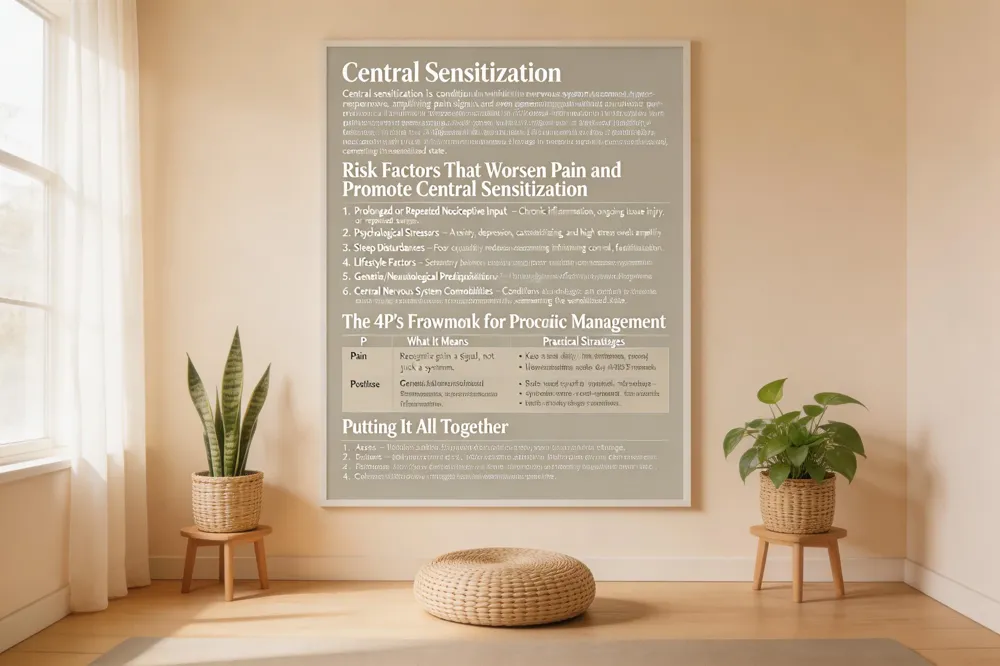 Chronic pain often stems from central sensitization, a state where the nervous system becomes hypersensitive and continues to send pain signals even after tissue has healed. This heightened neural activity is fueled by prolonged inflammation, glial‑cell activation, and maladaptive brain pathways.
Risk factors that worsen pain over time include physical inactivity, poor posture, chronic stress, sleep deprivation, smoking, excess alcohol, and an inflammatory diet high in processed foods and sugar. These factors amplify systemic inflammation and reinforce the painful neural circuits, creating a vicious cycle of escalating discomfort.
The 4 P’s framework offers a proactive, patient‑centered approach:
- Pain – acknowledge the persistent discomfort and track its pattern.
- Purpose – identify meaningful goals and activities that give life direction despite pain.
- Pacing – balance activity with rest, using gradual exposure to avoid over‑exertion while building endurance.
- Positivity – cultivate a hopeful mindset through mindfulness, CBT, and supportive connections.
Does chronic pain get worse over time? Yes, if untreated, factors like inactivity and stress can amplify pain signals, but early, individualized interventions—gentle exercise, heat/cold therapy, massage, acupuncture, CBT—can halt progression.
Is it normal to be in constant pain? Persistent pain is common (≈20% of U.S. adults) but signals an underlying issue; professional evaluation and a personalized plan are essential.
What are the 4 P’s of chronic pain? Pain, Purpose, Pacing, and Positivity—each pillar supports a balanced, holistic strategy to reduce discomfort and improve quality of life.
Evidence‑Based Non‑Drug Strategies
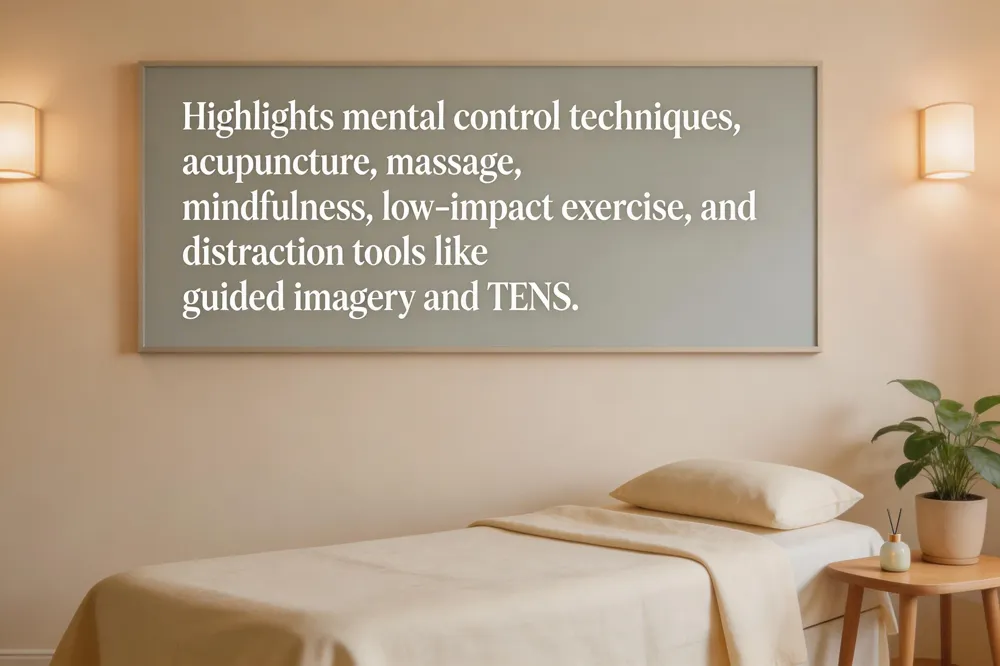 Chronic pain can be tamed without pills by weaving together physical, mental, and lifestyle tools.
How can I control pain mentally? Slow, deep breathing shift attention away from discomfort, activating the body’s relaxation response. Cognitive‑behavioral therapy (CBT) and hypnotherapy teach you to reframe pain, reduce catastrophizing, and build positive self‑talk.
What evidence‑based alternative pain‑management strategies exist? Acupuncture and therapeutic massage have strong support for low‑back, migraine, and musculoskeletal pain. Mind‑body practices such as mindfulness‑based stress reduction, CBT, and diaphragmatic breathing consistently lower pain intensity. Structured low‑impact exercise, yoga, tai chi, and spinal manipulation add functional gains while minimizing medication.
What non‑pharmacological treatments can be used for pain distraction? Guided imagery, hypnosis, music, TV, or hobbies draw attention away from nociceptive signals. TENS and gentle neurostimulation provide competing sensory input that dampens pain pathways.
What non‑pharmacological pain‑management techniques are used in nursing care? Nurses employ heat/cold packs, positioning, massage, and gentle movement, plus relaxation, mindfulness, and TENS to reduce anxiety and perceived pain.
How can I relieve pain without medicine? Combine regular walking or swimming, stretching, heat/ice therapy, mindfulness breathing, acupuncture, massage, and TENS with ergonomic adjustments and weight‑loss counseling for a comprehensive, drug‑free pain‑relief plan.
Lifestyle Tweaks That Make a Difference
 Low‑impact aerobic activity—walking, swimming, or gentle cycling—combined with targeted strength training helps keep muscles supportive and reduces pain‑signal overload. An anti‑inflammatory diet rich in fruits, vegetables, whole grains, omega‑3‑rich fish or nuts, and plenty of water further lowers systemic inflammation and keeps joints lubricated. Prioritising sleep hygiene (7‑9 hours, consistent bedtime, cool dark room) and modest weight loss eases mechanical strain, while ergonomic tweaks at home or work (adjustable chairs, neutral spine alignment, regular micro‑breaks) prevent aggravation.
What lifestyle changes help with chronic pain? Gentle regular activity, deep‑breathing mindfulness, consistent sleep, talking therapies, support groups and self‑management courses empower you to live more comfortably.
How can I help a chronic‑pain flare‑up? Pause, use deep‑breathing or a warm bath, break tasks into small steps, keep an activity diary, apply soothing heat or gentle movement, and stay in touch with your care team.
How can I cope with chronic discomfort? Blend breathing exercises, low‑impact movement (yoga, tai chi), mindfulness, pacing, good sleep, smoking cessation, and a multidisciplinary support network—including Brooklyn’s Physical Therapy Clinic on Atlantic Avenue and local park walking groups—to restore function and quality of life.
Medical Innovations & Emerging Therapies
 Modern chronic‑pain care blends cutting‑edge science with holistic wellness. The newest FDA‑approved non‑opioid analgesic, Journavx (suzetrigine), was cleared on Jan 30 2025 for moderate‑to‑severe acute pain. By blocking peripheral NaV1.8 sodium channels, it offers relief comparable to hydrocodone without opioid‑related risks.
What is the strongest pain relief for chronic pain? Prescription opioids such as oxycodone, hydrocodone, and morphine remain the most potent agents, but their high addiction and side‑effect profile limits long‑term use. Safer strategies—high‑dose NSAIDs, acetaminophen, and non‑drug modalities like acupuncture, PT, TENS, and mindfulness—can lower pain intensity and reduce medication needs. A personalized, multimodal plan balances efficacy with safety.
What new treatments are emerging? Researchers are advancing non‑opioid drugs that boost endogenous pain modulators (e.g., ENT1 inhibitors raising adenosine) and molecules that silence “unpleasantness” neurons in the amygdala. Gene‑therapy approaches aim to install an off‑switch in pain‑processing circuits, offering durable, circuit‑specific analgesia without addiction risk.
Neuromodulation & non‑invasive brain stimulation such as TENS, rTMS, and tDCS are gaining traction, providing modest analgesic effects and complementing lifestyle measures like low‑impact exercise, yoga, and mindfulness to rewire pain pathways and improve quality of life.
Mind‑Body and Mental Coping Tools
 Low‑impact techniques—slow deep breathing, guided imagery, and meditation—activate the parasympathetic nervous system, dampening over‑active pain pathways and helping you stay relaxed after surgery. Pair these with cognitive‑behavioral therapy (CBT) or hypnosis, which teach you to reframe pain thoughts, break the catastrophizing cycle, and build coping skills that reduce reliance on medication.
How can I manage pain without medication after surgery? Begin with a clear postoperative plan from your surgeon, then use relaxation (breathing, visualization), distraction (music, podcasts, light TV), and comfort measures (alternating heat/cold packs, gentle massage, proper positioning). Early gentle range‑of‑motion or passive‑motion exercises and non‑invasive neurostimulation (TENS, acupuncture) further lower pain signals while promoting healing.
What can I control pain mentally? Practice slow, focused breathing and vivid guided imagery to shift attention away from discomfort. CBT and hypnotherapy teach you to replace negative self‑talk with empowering narratives, while regular meditation strengthens descending pain‑inhibitory pathways.
What is the strongest natural pain reliever? Acupuncture consistently shows the most robust evidence for reducing chronic back, neck, and osteoarthritis pain by stimulating endogenous analgesic pathways. It can be combined with CBD, turmeric, ginger, heat therapy, massage, and mindfulness for a comprehensive, medication‑free approach.
Support groups, community yoga studios, and local pain‑management clinics (e.g., Brooklyn Physical Therapy Clinic) provide social connection, shared experiences, and additional resources to sustain these mind‑body strategies.
Putting It All Together: A Personalized Pain Management Plan
 A multimodal approach—blending physical therapy, low‑impact aerobic activity, graded pacing, and mind‑body techniques—has repeatedly outperformed medication alone for chronic pain. In Brooklyn, patients can tap local assets such as the Brooklyn Physical Therapy Clinic on Atlantic Avenue, community yoga studios in Park Slope, and the gentle paths of Prospect Park for indoor stretching on chilly days.
What are the 4 P’s of chronic pain? Pain, Purpose, Pacing, and Positivity. Pain is the lasting discomfort; Purpose gives meaning and goals; Pacing balances activity with rest to avoid flare‑ups; Positivity fosters a hopeful mindset that eases stress‑driven pain.
What lifestyle changes help with chronic pain? Regular gentle movement (walking, swimming, gardening), slow deep‑breathing or meditation, consistent 7‑9‑hour sleep, participation in support groups or talking therapies, and enrollment in self‑management courses that teach pacing, relaxation, and goal‑setting.
By setting realistic goals, tracking progress, and using Brooklyn’s community resources, patients create a personalized plan that reduces pain, improves function, and enhances overall well‑being.
Take the First Step Toward Pain Freedom
Small, evidence‑based lifestyle tweaks—regular low‑impact exercise, an anti‑inflammatory diet, adequate sleep, hydration, and mindfulness practice—can quiet central sensitization, lower inflammation, and restore pain thresholds. Together they empower the body to heal and reduce reliance on medication. Jana HealthCare’s multidisciplinary team blends physical therapy, CBT, nutrition counseling, and integrative modalities to craft a personalized plan that fits your goals and Brooklyn lifestyle. Start today by visiting local resources: the Brooklyn Physical Therapy Clinic on Atlantic Avenue for guided movement, Park Slope yoga studios for breath‑focused flow, and community meditation groups that nurture mental resilience. Your journey to lasting pain relief begins with one informed step.