Introducing the Next Level of Hydration
The role of water in the body
Water is the foundation of life, making up about 60% of an adult's body. It plays a critical role in regulating temperature, lubricating joints, transporting nutrients, and supporting digestion. Staying hydrated is essential for every cell and organ to function properly.
Limitations of plain water during intense fluid loss
While water is sufficient for everyday hydration, it has limits. During intense exercise, heavy sweating, or illness, the body loses more than just fluid—it also loses essential minerals. Drinking only plain water in these situations can dilute the sodium and other electrolytes remaining in the body, potentially leading to a condition called hyponatremia, which can cause nausea, confusion, and muscle cramps.
Why electrolytes are essential for cellular hydration
Electrolytes—such as sodium, potassium, and magnesium—are charged minerals that help water move into cells. Without them, water may pass through the body without effectively rehydrating tissues at the cellular level. This is why electrolyte-rich drinks are superior to plain water for rapid rehydration during intense fluid loss, supporting both performance and recovery. For most people, a balanced diet and water are enough, but targeted electrolyte drinks can be a powerful tool for active or overheated individuals. Consider the following comparison:
| Hydration Method | Best For | Key Limitation |
|---|---|---|
| Plain water | Daily hydration, low-intensity activity | Can dilute blood electrolytes if consumed in large amounts after heavy sweat loss |
| Sports drink | Intense or prolonged exercise (>1 hour) | Often contains added sugar and calories |
| Low-sugar electrolyte drink | Light activity or everyday use | Lower sodium content may not suffice for heavy sweating |
| Homemade electrolyte drink | Customizable, cost-effective option | Requires preparation and ingredient sourcing |
The Science Behind Electrolytes and Cellular Hydration
Do electrolytes help with cellular hydration?
Yes, electrolytes are essential for cellular hydration. These minerals carry an electric charge when dissolved in water, enabling them to regulate the movement of fluid in and out of your cells. This process, known as osmotic balance, is what allows water to actually hydrate your body at a cellular level. Without the right balance of electrolytes, drinking water alone may not be enough to keep your cells properly hydrated. Common electrolytes like sodium, potassium, and magnesium support fluid balance and regulate key cellular processes, making them crucial for effective hydration and overall bodily function.
How do electrolytes rehydrate cells?
Electrolytes like sodium and potassium are positively charged ions that attract and work together with negatively charged particles. This interaction creates an osmotic gradient that draws water into cells. Sodium, the main electrolyte in the fluid outside your cells, helps the body absorb water in the intestines and retain it. Potassium, the primary electrolyte inside your cells, works in tandem with sodium to maintain the fluid balance across cell membranes. When sodium enters a cell, potassium exits, and this exchange is fundamental for moving water where it is needed most.
Do electrolytes hydrate you faster than plain water?
Electrolyte drinks can hydrate you faster than plain water, but only in specific circumstances. When you lose significant fluids through intense exercise lasting over an hour, heavy sweating, or illness causing vomiting or diarrhea, electrolyte drinks replenish lost minerals like sodium and potassium more efficiently. A study found that a beverage with higher potassium content helped restore cellular hydration markers faster than plain water or a standard sports drink. However, for regular daily hydration or low-intensity activities, water is equally effective and carries no risk of electrolyte overload. Consuming electrolyte drinks unnecessarily can lead to imbalances, particularly for individuals with high blood pressure or kidney disease.
| Electrolyte | Primary Role in Hydration | Key Food Sources |
|---|---|---|
| Sodium | Drives water absorption in intestines; maintains fluid outside cells | Salt, canned soups, pickles |
| Potassium | Balances fluid inside cells; works with sodium | Bananas, spinach, avocado, coconut water |
| Magnesium | Supports over 300 enzymatic reactions; aids muscle function | Nuts, seeds, whole grains, dark chocolate |
| Calcium | Supports muscle contraction and nerve signaling | Dairy, fortified plant milks, leafy greens |
Everyday Use: Should You Drink Electrolyte Water Daily?
Can I drink electrolyte water every day?
For most healthy people, drinking electrolyte water daily is unnecessary. A balanced diet and plain water typically provide all the minerals your body needs. Your kidneys are highly efficient at maintaining the right balance, and excess electrolytes are simply excreted. Daily supplementation offers little benefit for the average, sedentary individual.
Electrolyte drinks are helpful in specific situations: prolonged intense exercise lasting over 90 minutes, extreme heat, or illness with vomiting or diarrhea. However, daily consumption could be harmful for some people, particularly those with high blood pressure or kidney disease, where added sodium may cause adverse effects.
How often should I drink electrolyte water?
For most individuals, drinking electrolyte water daily is not recommended. Your kidneys naturally regulate electrolyte levels, making excess consumption potentially harmful, leading to issues like high blood pressure or heart rhythm disturbances. Unless advised by a doctor, avoid routine use of electrolyte water to prevent overconsumption.
Should you drink electrolytes every day while on GLP-1 medications?
Yes, drinking electrolytes daily can be beneficial while on GLP-1 medications like Wegovy. These drugs often reduce appetite and food intake, making it harder to obtain essential minerals from diet alone. Electrolytes help maintain fluid balance and can alleviate common side effects such as fatigue, brain fog, and muscle cramps.
Moderation is important because excessive intake may lead to bloating or other health issues. Choose a balanced, sugar-free supplement and drink adequate water alongside it. Always consult your healthcare provider to tailor electrolyte use to your specific needs.
Should I take electrolytes while on Wegovy?
Electrolytes are not a daily necessity on Wegovy, but they can be beneficial if you experience dehydration symptoms like vomiting or diarrhea. Since Wegovy reduces appetite and thirst, staying hydrated is important. Choose sugar-free or low-sugar options to avoid unnecessary calories and blood sugar spikes. If you maintain a balanced diet and drink enough water, you may not need extra electrolytes.
| Condition | Daily Electrolyte Water? | Key Consideration |
|---|---|---|
| Healthy, sedentary adult | Not needed | Diet provides sufficient minerals |
| High blood pressure | Avoid | Excess sodium can raise blood pressure |
| Kidney disease | Avoid | Kidneys cannot excrete excess minerals |
| GLP-1 medication user | May be beneficial | Helps counter reduced food intake |
| Intense exercise >90 min | Recommended | Replaces sweat losses |
| Illness (vomiting/diarrhea) | Recommended | Restores lost fluids and minerals |
Electrolytes and Your Health: Kidneys, Energy, and Skin

Are electrolytes beneficial for kidney health?
Electrolytes are essential for kidney health because the kidneys rely on them to regulate fluid balance, filter waste, and maintain proper nerve and muscle function. The key is balance—both too high and too low levels of minerals like sodium, potassium, and calcium can strain the kidneys and lead to complications such as chronic kidney disease or acute injury. Staying well-hydrated and eating a balanced diet rich in electrolyte-containing foods helps support the kidneys' filtration role. Regular monitoring through blood tests is especially important for those with conditions like high blood pressure or diabetes, as imbalances can worsen kidney function. Ultimately, electrolytes are beneficial only when properly managed, making a healthy hydration plan and medical guidance crucial for kidney health.
Do electrolytes help with fatigue?
Yes, electrolytes can help with fatigue, particularly when it stems from dehydration or an electrolyte imbalance. They do not directly provide energy like calories from food, but they are essential for converting macronutrients into usable energy and maintaining fluid balance. When you are dehydrated, replenishing electrolytes along with water can reduce feelings of sluggishness. However, if fatigue persists after rehydration, it may be due to other causes such as poor sleep, stress, or an underlying health condition. For persistent or severe fatigue, it's important to consult a doctor.
What are the benefits of electrolytes for skin?
Electrolytes offer significant benefits for skin by enhancing hydration at the cellular level, helping to retain moisture and keep skin plump and radiant. They support and reinforce the skin’s protective barrier, shielding it from environmental damage and reducing dryness or irritation. Specific minerals like magnesium help reduce inflammation and support skin healing, while potassium maintains elasticity and moisture balance. Calcium acts as a moisture-retaining agent in the upper layers of the skin, and sodium aids in moisture absorption when paired with moisturizers. Overall, replenishing electrolytes—whether through diet or skincare products—promotes smoother, more resilient, and healthier-looking skin.
When Electrolytes Are Low: Signs, Risks, and Recommended Intake
What happens when your body is low on electrolytes?
When electrolyte levels drop, the body's ability to conduct electrical signals is impaired. This can disrupt nerve function, muscle contractions, and fluid balance. Common symptoms include muscle cramps, weakness, fatigue, dizziness, confusion, and an irregular heartbeat. Severe deficiencies may lead to seizures or cardiac arrest. Causes often include dehydration from vomiting, diarrhea, or excessive sweating, as well as certain medications or kidney conditions. Restoring balance through proper hydration and electrolyte-rich foods or supplements is key to avoiding these health risks.
What is the recommended electrolyte dosage for adults?
For most adults, daily intake targets include approximately 1,500–2,300 mg of sodium, 4,700 mg of potassium, 1,000 mg of calcium, and 300–400 mg of magnesium. These minerals are essential for fluid balance, nerve and muscle function, and overall health. A balanced diet typically provides these amounts. The American Heart Association advises limiting sodium to no more than 2,300 mg per day (ideally 1,500 mg), as excess can raise blood pressure. However, individuals who sweat heavily from prolonged exercise, illness, or heat may need to replenish electrolytes, especially sodium and potassium, to maintain proper hydration and prevent cramps or hyponatremia.
Potential dangers of over-consumption
While electrolytes are essential, consuming them in excess can be harmful. Too much sodium can increase blood pressure and strain the heart. High potassium levels (hyperkalemia) can cause vomiting, diarrhea, and dangerous heart rhythms. Over-supplementation of calcium or magnesium can also lead to toxicity. Most healthy individuals are not at high risk because excess water-soluble electrolytes are excreted by the kidneys. However, people with high blood pressure, kidney disease, or those on certain medications should consult a healthcare professional before using electrolyte supplements. Moderation is key, and obtaining electrolytes from a balanced diet is generally safer than relying on fortified drinks.
Natural Sources: Foods and DIY Electrolyte Solutions
What foods are high in electrolytes?
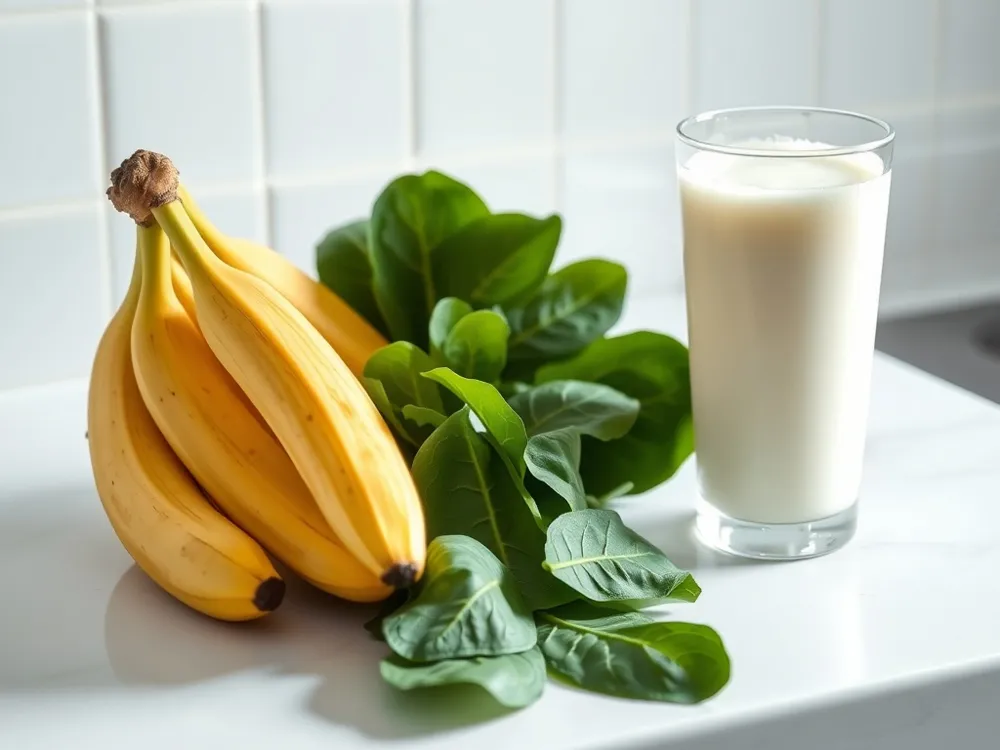
A balanced diet rich in whole foods is the most effective way to maintain electrolyte levels. Bananas and avocados are excellent sources of potassium, while leafy greens like spinach provide magnesium, calcium, and potassium. Dairy products such as Greek yogurt and milk supply calcium and potassium, and nuts and seeds like almonds and pumpkin seeds are packed with magnesium. Salmon and other seafood offer magnesium and calcium, and coconut water is a natural source of potassium and sodium.
How can I replace electrolytes naturally?
Replacing electrolytes naturally focuses on incorporating these foods into daily meals. For example, a spinach salad with avocado and pumpkin seeds, or a smoothie with banana, yogurt, and spinach, provides a balanced mix. Sodium is easily obtained from natural sources like pickles or cheese, but most people get enough from their diet. Staying hydrated with water is essential, and eating these foods helps maintain balance, especially after sweating or illness.
Simple homemade drink recipes
A simple DIY electrolyte drink can be made by mixing 3½ cups of water with ½ teaspoon of salt, 2-3 tablespoons of honey or sugar, and 4 ounces of unsweetened orange juice or coconut water. Another option combines 2 cups of cold water, 1 cup of coconut water, 1 cup of fruit juice, and ⅛ teaspoon of salt. These recipes provide a controlled source of electrolytes and glucose to enhance absorption without artificial additives. For most people, relying on whole foods is preferable to using supplements or electrolyte powders. Unless you have a diagnosed deficiency or engage in intense exercise, these natural methods are sufficient for optimal cellular hydration.
Choosing the Right Electrolyte Beverage for Your Situation
What is the best electrolyte drink for dehydration?
For mild dehydration, plain water is usually sufficient. However, when fluid loss is significant—from intense exercise, heat, or illness—a balanced electrolyte drink is more effective. Drinks like Nuun Vitamins Electrolyte Tablets provide moderate sodium and potassium without excessive sugar. Milk, coconut water, and broth are also excellent natural options that deliver essential electrolytes along with other nutrients. Sports drinks like Gatorade can help, but they often contain added sugars that may not be necessary for everyday hydration. The key is to match the drink to your specific electrolyte loss.
What is the best electrolyte drink for the elderly?
The best choice for seniors depends on individual health needs, such as diabetes or kidney conditions, which may require low-sugar or low-sodium options. Pedialyte Classic offers a balanced mix of sodium, potassium, and chloride with moderate carbohydrates. For those needing less sugar, products like LMNT zero-sugar packets or a homemade drink can be effective. It is essential to check the nutritional content and consult a healthcare provider to ensure the drink aligns with any underlying medical concerns.
What is the best electrolyte drink when you are sick?
When sick with fever, vomiting, or diarrhea, the best drink is one that effectively replenishes lost fluids and minerals like sodium, potassium, and chloride. Oral rehydration solutions (ORS) like Pedialyte are ideal because they have a precise balance of electrolytes and lower sugar levels than typical sports drinks. Avoid caffeinated, alcoholic, or heavily sweetened beverages, as these can worsen dehydration. For a balanced recovery, look for a drink with around 200–600 mg of sodium and potassium, depending on your level of dehydration.
What is the best electrolyte drink for diarrhea?
The best electrolyte drink for diarrhea is an ORS like Pedialyte. These are specifically formulated to replace the fluids and essential electrolytes lost during diarrhea, and they contain lower sugar levels than sports drinks, making them more effective and safer. For adults, alternating between water and an ORS can help maintain proper hydration. For infants and young children, ORS is strongly recommended to prevent dehydration and avoid complications.
Low‑sugar vs. high‑sodium formulations
Choosing between low-sugar and high-sodium formulations depends on your activity level and health status. For everyday, non-exercise drinking, low-sodium, sugar-free options like Ultima Replenisher (55 mg sodium, 0 g sugar) are recommended to avoid excess sodium and calories. For light activity, drinks with moderate sodium (300-360 mg) and minimal sugar (0-1 g) are suitable. For heavy sweating, high-sodium drinks (500-1000 mg) are advisable, such as LMNT (1000 mg sodium, 0 g sugar). Always consider your dietary sodium intake, as most people get enough from food.
Label‑savvy tips for safe selection
Being label-savvy helps avoid over-supplementation and potential toxicity. Check for added vitamins, minerals, and performance enhancers. Avoid products that exceed 100% of the Daily Value for sodium or other nutrients. Look for clean ingredient profiles—simple, high-quality minerals without artificial colors, flavors, or excess sugars. For those with high blood pressure or kidney disease, consult a healthcare professional before supplementing. Also, be aware that some products contain sugar alcohols like erythritol, which can cause gastrointestinal distress during prolonged activity.
Putting It All Together: Practical Hydration Strategies Beyond Water
When should you focus on 'Before‑During‑After' hydration planning rather than just drinking when thirsty?
For most daily activities, drinking when thirsty works well. However, for intense exercise, a structured framework provides better support. A common and effective strategy involves three phases: two hours before activity, consume about 24 ounces of a sports drink or electrolyte-infused water. During the exercise, hydrate as needed. After finishing, aim to drink 16 to 24 ounces of water, a sports drink, or an electrolyte-infused beverage for every pound of body weight lost during the session. This systematic approach ensures that both fluid volume and electrolyte stores are addressed before a deficit occurs, which is more effective than reactionary drinking.
How can you choose smart, low‑sugar electrolyte products by being label‑savvy?
Selecting the right product requires reading the nutrition label carefully. For light activity or everyday hydration, look for low‑sodium, sugar‑free options to avoid unnecessary calories and excess salt. For moderate workouts, drinks with 300‑360 mg of sodium and minimal sugar (0-1 g) are appropriate. For long, intense activities, you may need higher sugar (13-25 g) for energy and 500‑1000 mg of sodium for heavy sweating. Crucially, avoid products containing sugar alcohols like erythritol, as they can cause stomach upset during exercise. Checking for added vitamins or performance enhancers helps prevent over-supplementation.
When is it better to rely on food rather than drinks for electrolyte balance?
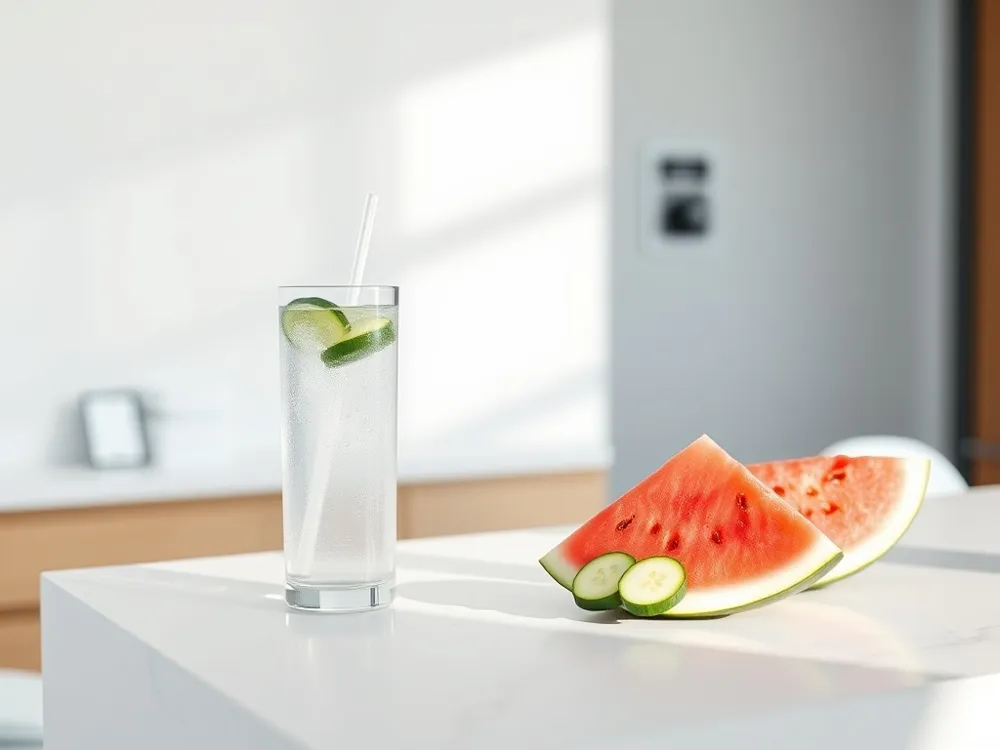
Food can be a powerful and often superior source of electrolytes. Up to 20‑25% of daily hydration can come from water-rich foods like watermelon, oranges, cucumbers, and soups. These foods not only provide water but also deliver electrolytes, natural sugars, fiber, and antioxidants, which enhance fluid absorption and retention more effectively than plain water. A balanced diet rich in fruits, vegetables, nuts, seeds, and dairy is usually sufficient for daily electrolyte needs. This approach avoids the added sugars and artificial ingredients found in many commercial drinks, making it ideal for non-athletes looking for a clean hydration strategy.
What special hydration considerations exist for athletes, seniors, and patients on GLP‑1 medications?
Different groups have unique needs. Athletes engaging in intense or endurance exercise lasting over an hour, especially in heat, benefit most from electrolyte drinks with balanced sodium, potassium, and magnesium to replace sweat losses and sustain performance. Seniors face a higher risk of dehydration when ill and may benefit from electrolyte drinks to offset fluid and mineral losses. Patients on GLP‑1 medications (like semaglutide) often experience reduced appetite and nausea, which can lower fluid intake and increase dehydration risk. For them, incorporating water-rich, fiber-containing foods can support bowel regularity and maintain electrolyte balance, while sipping fluids between meals is more effective than drinking large volumes at once.
| Group | Primary Hydration Goal | Recommended Approach | Key Consideration |
|---|---|---|---|
| Athletes (intense >1hr) | Replace sweat loss & sustain energy | Electrolyte drinks with balanced sodium, carbs; Before‑During‑After plan | Avoid sugar alcohols; high sodium (500‑1000mg) for heavy sweating |
| Seniors | Offset dehydration risk during illness | Electrolyte drinks; water-rich foods | Monitor for symptoms of imbalance; consult doctor if on diuretics |
| GLP‑1 Patients | Maintain intake despite low appetite | Sip fluids between meals; fiber-rich, water-rich foods | Support bowel regularity; prevent constipation from low fluid intake |