

Why Timing Matters for Your First Botox Injection
Seasonal factors can influence how smoothly Botox settles; cooler fall and winter months lower UV exposure, heat‑induced swelling, and bruising, helping the toxin stay in place longer. For photo‑heavy events—weddings, graduations, holiday parties—the sweet spot is 3–4 weeks before the date, giving the full effect (usually reached 10–14 days after injection) time to mature and allowing a brief window for touch‑ups. New patients should schedule even earlier (5–6 weeks out) to gauge individual response, ensure any mild bruising resolves, and avoid injections when ill, skin‑inflamed, or after recent dental or laser work. Finally, adopt a maintenance rhythm of every 3–4 months so results stay consistent and you can plan future events with confidence.
Seasonal Science: Why Winter Wins for Botox
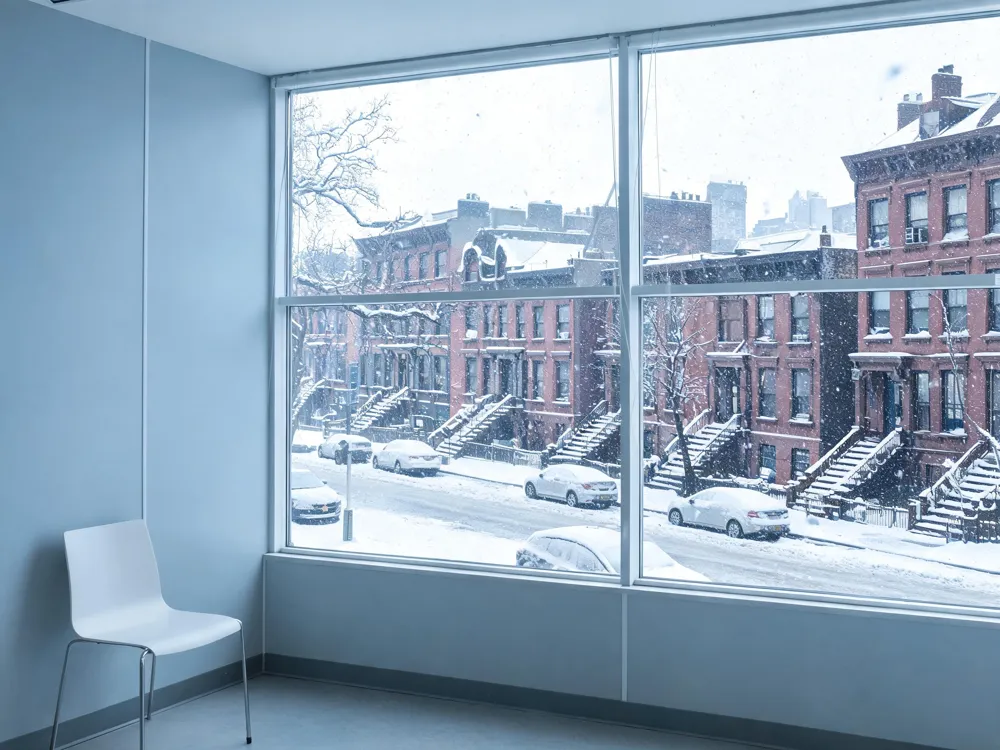 Winter’s cooler temperatures work in your favor when you receive Botox. Lower heat reduces blood flow to the skin, which means less swelling and bruising after the injection. The limited UV exposure typical of the colder months also protects the treated area from sun‑induced irritation and helps the toxin settle without the risk of UV‑accelerated breakdown. Because heat can cause the neurotoxin to diffuse more rapidly, the cold climate of winter minimizes this unwanted migration, keeping the product where it belongs. Many patients and clinicians report that Botox administered in winter tends to last longer—sometimes extending toward six months—compared with the usual three‑to‑four‑month span seen with summer treatments. This seasonal advantage also aligns with a quieter calendar, offering easier appointment scheduling and a relaxed recovery period during the holiday season. While summer Botox is still effective, it demands diligent sun protection and avoidance of excessive heat to preserve results. For the most durable, comfortable outcome, winter is the preferred choice.
Planning Around Life Events: The 3‑4‑Week Sweet Spot
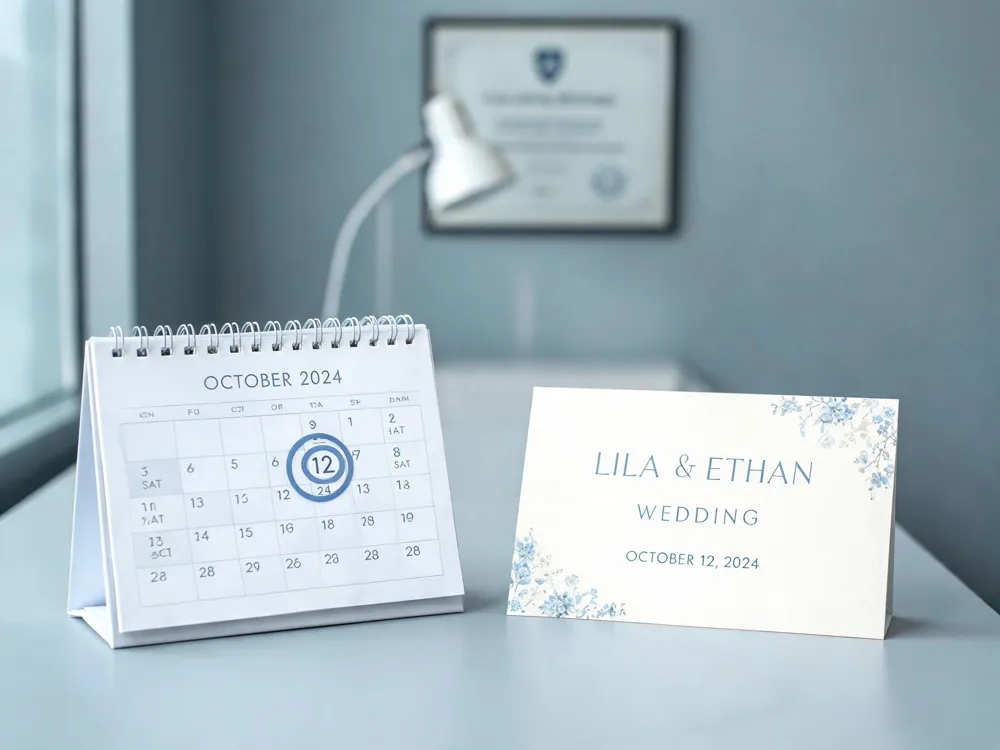 For any high‑visibility occasion—weddings, galas, photo‑heavy shoots—Schedule Botox 3–4 weeks before major events. This window lets the toxin settle, Full Botox results appear by day 14, and provides a safety cushion for minor touch‑ups. Always Avoid Botox within 7 days of an important event; injecting closer than a week can leave lingering swelling or bruising that may show up on camera. If you travel soon after treatment, Wait at least two weeks before long trips after Botox so any post‑injection redness or bruising resolves before the stress of flights and new environments. A key after‑care tip is the Post‑treatment: stay upright 4‑6 hrs, avoid heavy exercise, facial massage, saunas, and rubbing injection sites for 24 hrs. After four hours you can resume most daily activities, but Avoid strenuous exercise, facial massages, and heat for 24 hours post‑treatment. Following these timing guidelines helps you look naturally refreshed and confident on the day that matters most.
First‑Time Considerations and Autoimmune Health
 When you’re new to neurotoxin treatments, a few key factors help ensure safety and optimal results, especially if you have an autoimmune condition such as Hashimoto’s disease. Most clinicians agree that Botox can be administered safely to patients with Hashimoto’s, but the provider should first obtain clearance from your primary‑care physician or endocrinologist, review your medication list, and confirm that your disease is stable. Starting with a low‑dose regimen—often called “baby Botox”—allows you to gauge how your muscles and skin respond while minimizing the risk of bruising or unexpected weakness.
Age is another consideration: beginning at 35 is perfectly reasonable. In your mid‑30s, fine dynamic lines typically start to appear, and a well‑planned Botox plan can smooth them and act preventively to keep deeper wrinkles from forming. For those who prefer a subtle look, a lower‑dose protocol preserves natural expression while still delivering a refreshed appearance.
Coordinating care is essential. Share your treatment plan with your endocrinologist, especially if you’re on thyroid medication, and keep your aesthetic practitioner informed of any changes in health status. This collaborative approach ensures that dosing, timing, and after‑care are tailored to your unique needs, giving you confidence and consistent results.
Understanding Onset, Peak, and Maintenance
 Botox begins to relax facial muscles within the first few days after injection, with most patients noticing subtle changes around day 5. The full, smooth effect typically peaks between 10 and 14 days – many clinicians report the optimum window at 14‑21 days – giving a camera‑ready appearance for events. Once the peak is reached, the neurotoxin’s action lasts about three to four months for most people, though individual metabolism, muscle strength and dosage can shift the duration slightly. To keep results consistent, most practitioners schedule quarterly (every 3‑4 months) maintenance appointments, often aligning these visits with seasonal transitions such as spring‑to‑summer or fall‑to‑winter. This rhythm not only preserves a natural look but also allows the provider to fine‑tune dosage based on how each patient’s skin and muscle activity respond over time.
Cultural Shifts: Gen Z’s Perspective on Botox
 Gen Z is increasingly steering away from early Botox use because they value natural facial movement and want to avoid the frozen‑look that can come from aggressive neurotoxin dosing. Instead of rushing to smooth lines as soon as they appear, this cohort places a higher emphasis on preventative skin care—daily SPF, antioxidant serums, and medical‑grade moisturizers—to preserve skin elasticity before any wrinkles develop. Collagen‑stimulating treatments such as microneedling, laser resurfacing, and hyaluronic‑acid‑based fillers are gaining popularity as they boost the skin’s own regenerative capacity while keeping facial expressions authentic. Social‑media platforms amplify these preferences: influencers showcase “glass‑skin” routines, share before‑and‑after stories of non‑injectable rejuvenation, and promote a "less‑is‑more" aesthetic that feels authentic and sustainable. Consequently, Gen Z isn’t anti‑Botox; they simply prefer a slower, more holistic approach that prioritizes long‑term skin health and subtle, natural‑looking enhancements before considering injectables.
Putting It All Together for Your First Botox Journey
Choosing the right season can make a noticeable difference in how smoothly your Botox settles. Cooler months—late fall or early winter—limit heat‑induced swelling and UV exposure, reducing the risk of bruising and allowing the toxin to anchor more predictably. Once you’ve picked a season, plan the injection 3‑4 weeks before any major gathering (wedding, gala, holiday photo session). First‑time patients benefit from an even longer lead‑time—5‑6 weeks—so they can gauge how their facial muscles respond and schedule any necessary touch‑ups without stress.
After the procedure, honor the “4‑hour rule”: stay upright, avoid lying face‑down, and skip vigorous exercise, sauna sessions, or heavy facial massage for the first 24 hours. This helps the product stay exactly where it was placed. If you have an autoimmune condition such as Hashimoto’s, discuss it with your healthcare provider; while Botox is generally safe, a thorough medical review ensures the best outcome.
For those in their early 30s who already notice fine lines, a preventative, low‑dose “baby Botox” approach can soften dynamic wrinkles before they become permanent. This subtle regimen maintains natural expression while building a foundation for long‑term facial health. Tailor each step to your lifestyle, and you’ll enjoy a confident, camera‑ready look when it matters most.