Why Understanding Hormonal Health Matters
Hormone fluctuations are invisible drivers behind daily energy and mood. Small swings in estrogen, progesterone, thyroid hormones, or cortisol can turn a normal morning into fatigue, brain fog, irritability, or mood swings, while steadier levels support alertness, confidence, and emotional balance. Persistent imbalances may snowball into serious long‑term health issues such as thyroid disease, insulin resistance, osteoporosis, cardiovascular disease, infertility, and mood disorders, all reducing quality of life and raising medical costs. An integrated medical‑aesthetic approach tackles both root causes and visible effects. Endocrinologists interpret labs, nutritionists improve sleep and stress, and aesthetic specialists address skin health and body contouring. Personalized symptom diaries guide clinicians to the most relevant tests—TSH, estradiol, cortisol panels—ensuring precise, monitored treatment. This collaborative model tailors hormone‑balancing therapy, lifestyle tweaks, and cosmetic interventions to each patient, optimizing wellness, restoring confidence, and preventing future complications. Together, this comprehensive plan empowers patients to feel vibrant and look their best.
Key Symptoms and Signs of Hormonal Imbalance
Quick Symptom Checklist
| Category | Typical Signs |
|---|---|
| Metabolic | Unexplained weight gain/loss (abdomen, hips, thighs), persistent fatigue, temperature intolerance, rapid heartbeat, sluggish metabolism |
| Reproductive | Irregular periods, missed/heavy bleeding, painful cramps, changes in cycle length/flow, hot flashes, night sweats, vaginal dryness |
| Dermatologic & Hair | Acne, oily or dry skin, thinning hair, excess facial hair (hirsutism) |
| Neuro‑cognitive | Brain fog, difficulty concentrating, irritability, anxiety, mood swings |
| Systemic | Sleep disturbances (insomnia, night sweats), low bone density, joint aches, unexplained muscle weakness |
| Red‑Flag Core | Menstrual irregularities, >10 % weight shift, skin/hair changes, mood‑related fatigue/sleep changes, unexplained aches or weakness |
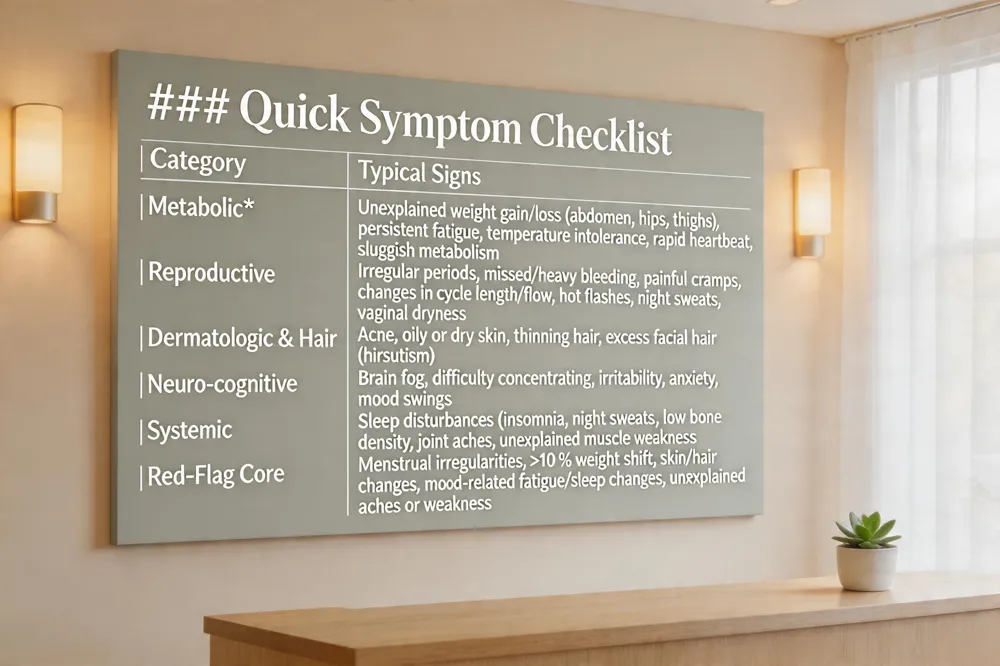 Hormonal imbalances reveal themselves through a constellation of clues that touch metabolism, reproduction, skin, mind, and overall systemic health.
Metabolic clues – Unexplained weight changes (gain or loss), especially around the abdomen, hips, or thighs, often appears alongside persistent fatigue even when diet and exercise remain stable. Thyroid or cortisol disturbances can also cause temperature intolerance, rapid heartbeat, or sluggish metabolism.
Reproductive indicators – Irregular periods, missed, or unusually heavy bleeding, painful menstrual cramps, and changes in cycle length or flow point to fluctuating estrogen and progesterone. In perimenopause, increased estrogen‑derived hot flashes, night sweats, and vaginal dryness are common.
Dermatologic and hair changes – Acne, oily skin, dry skin, thinning hair, or excess facial hair (hirsutism) may signal excess androgens, thyroid disease, or insulin resistance. These skin‑related signs often influence aesthetic concerns, prompting patients to seek combined medical and cosmetic care.
Neuro‑cognitive signs – Brain fog, difficulty concentrating, irritability, anxiety, and mood swings are tightly linked to estrogen and cortisol swings. Addressing stress with mindfulness, yoga, or counseling can restore cognitive clarity while supporting hormone balance.
Systemic effects – Sleep disturbances (insomnia, night sweats), low bone density, and joint aches reflect broader endocrine disruption. Adequate calcium, vitamin D, weight‑bearing exercise, and sleep hygiene are essential lifestyle pillars.
Quick symptom checklist – The 11 classic signs include irregular periods, heavy bleeding, painful cramps, unexplained weight changes, fatigue, sleep problems, acne or dry skin, thinning hair, excess facial hair, mood swings, and brain fog. The five core red‑flags are menstrual irregularities, weight shifts, skin/hair issues, mood‑related fatigue and sleep changes, and unexplained aches or muscle weakness.
Why it matters – Early detection allows personalized treatment—whether it’s hormone‑based therapy, targeted nutrition, stress‑management techniques, or aesthetic dermatology—to restore harmony, protect bone health, and improve quality of life.
Preparing for Hormone Testing
Pre‑Test Checklist
| Action | Details |
|---|---|
| Fasting | 10‑12 h fast only if panel includes insulin, glucose, or lipids. Otherwise a normal breakfast is fine. |
| Avoid | Caffeine, alcohol, vigorous exercise the day before and morning of draw. |
| Medications/Supplements | Do not take OTC supplements, herbal products, or hormone‑affecting meds unless instructed by provider. |
| Stress & Sleep | Minimize stress; aim for 7‑9 h sleep to avoid cortisol spikes. |
| Timing (Women) | Early follicular phase (days 2‑5, day 3 ideal) for estradiol, FSH, LH. |
| Timing (Men) | Early morning (7‑10 a.m.) for testosterone & other androgens. |
| Timing (Thyroid/Cortisol) | Morning draw to capture natural peaks. |
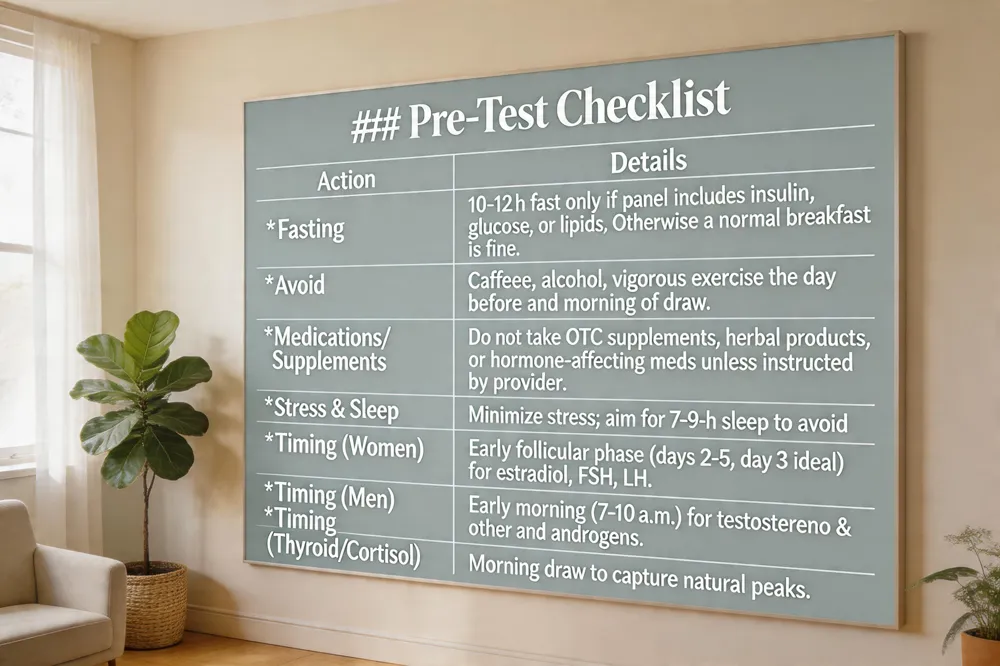 Getting accurate hormone results starts with a few simple habits.
What should you not do before a hormone test? Avoid food and drinks (except water) for 10‑12 hours if the panel includes metabolic markers such as insulin or glucose; otherwise, a normal breakfast is fine. Skip caffeine, alcohol, and vigorous exercise the day before and the morning of your draw, as they can cause temporary spikes. Unless your doctor says otherwise, do not take over‑the‑counter supplements, herbal products, or prescription meds that affect hormones. Finally, limit stress and get adequate sleep—high cortisol from stress can skew results.
Do you need to fast for female hormone blood test? Most sex‑hormone tests (estradiol, progesterone, FSH, LH, testosterone, prolactin) do not require fasting. Fasting is only needed when the hormone panel is combined with glucose, insulin, or lipid tests. Follow the specific instructions from your provider or lab.
When is the best time to test for hormone imbalance? Women: draw blood in the early follicular phase, days 2‑5 of the cycle (day 3 is ideal) for estrogen, FSH, and LH. If you’re not menstruating, the provider will guide you on timing after your last bleed. Men: testosterone and other androgens peak in the early morning (7‑10 a.m.). Thyroid panels and cortisol are also best performed in the morning to capture their natural highs.
By respecting fasting rules, avoiding interfering substances, and timing draws to your cycle or morning hours, you give your clinician the clearest picture of your hormonal health, paving the way for personalized, holistic treatment.
Understanding Hormone Test Panels
Core & Specialized Hormone Panels
| Hormone | Primary Role | Best Timing / Conditions |
|---|---|---|
| TSH | Thyroid regulation | Morning, fasting (if combined with lipids) |
| Free T4 | Active thyroid hormone | Same as TSH |
| Estradiol | Estrogen activity, menstrual cycle | Early follicular phase (days 2‑5) |
| Progesterone | Luteal phase support | Mid‑luteal (≈day 21) |
| FSH / LH | Gonadal function, fertility | Early follicular (women), morning (men) |
| Testosterone | Libido, muscle mass | Early morning (7‑10 a.m.) |
| DHEA‑S | Adrenal androgen precursor | Morning |
| Cortisol | Stress response | Early morning peak |
| Fasting Insulin | Insulin resistance | 8‑12 h fast |
| AMH | Ovarian reserve | Any day, no fasting needed |
| SHBG | Hormone transport binding | Morning |
| Prolactin | Milk production, pituitary health | Morning, fasting recommended |
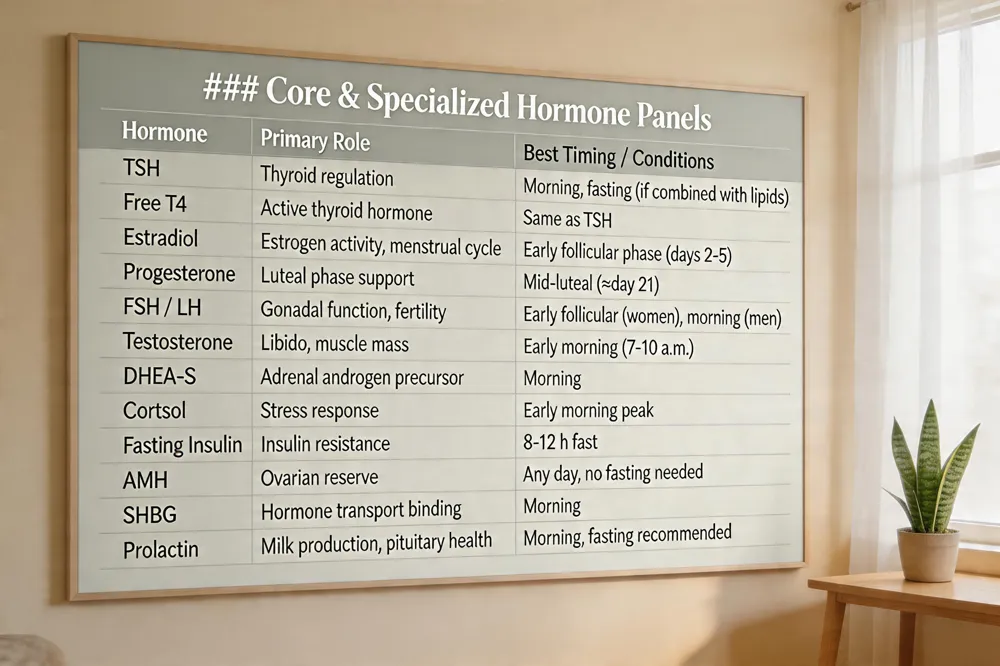 A hormone‑imbalance test is a targeted blood‑work panel that evaluates the key endocrine markers influencing energy, mood, weight, fertility and overall wellness. Core hormones typically measured include thyroid‑stimulating hormone (TSH), free T4, estradiol, progesterone, testosterone, DHEA‑S, cortisol and fasting insulin. When a patient’s history points to specific concerns, specialized markers such as anti‑Müllerian hormone (AMH) for ovarian reserve, sex‑hormone‑binding globulin (SHBG), prolactin, and luteinizing‑/follicle‑stimulating hormones (LH/FSH) may be added. Interpreting results requires attention to reference ranges that vary by age, sex, menstrual phase and time of day—cortisol peaks in the early morning, progesterone is best measured in the luteal phase, and thyroid tests are often done fasting. Slight deviations can be clinically meaningful when clustered with symptoms like fatigue, irregular periods, mood swings or changes in libido. At Jana HealthCare we combine these lab insights with a symptom diary, nutritional counseling, stress‑management techniques, and aesthetic therapies to craft a personalized treatment plan that restores hormonal harmony and supports holistic wellness.
Patient Questions to Guide Your Appointment
Helpful Questions for Your Clinician
| Question | Why It Matters |
|---|---|
| Is hormone therapy appropriate for me? | Determines need for bioidentical or synthetic treatment. |
| What are the expected benefits and risks? | Sets realistic expectations and informs consent. |
| What is the lowest effective dose and duration? | Minimizes side‑effects while achieving goals. |
| How will we monitor progress? | Establishes follow‑up labs and symptom tracking. |
| Are there non‑pharmacologic alternatives? | Explores diet, lifestyle, and aesthetic options. |
| What lifestyle changes will support treatment? | Integrates nutrition, exercise, sleep, and stress management. |
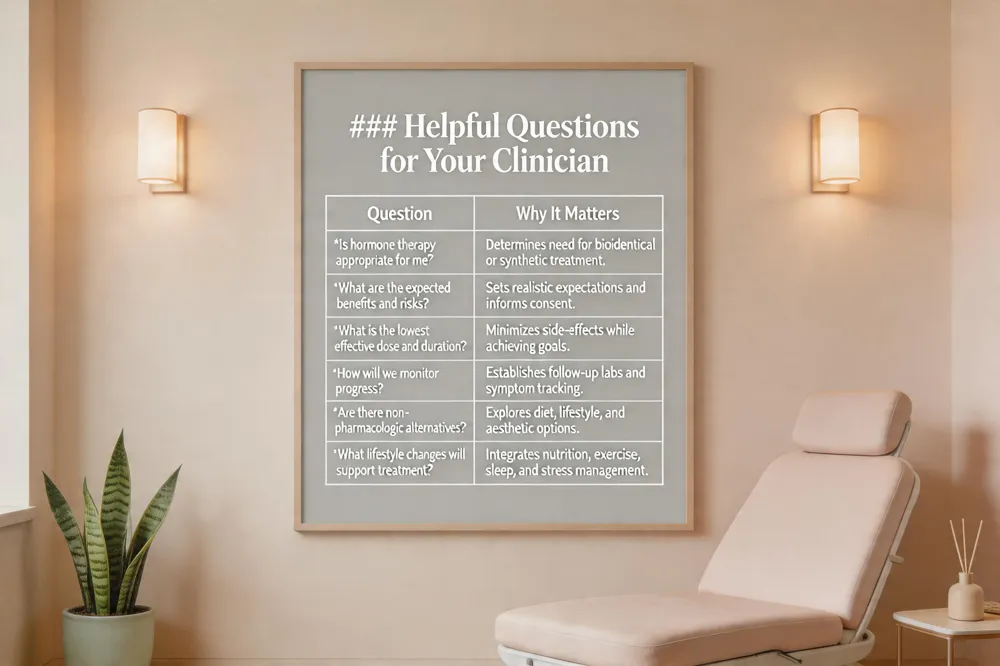 When you meet with your clinician, come prepared with focused questions. This helps streamline the visit and ensures you receive personalized, evidence‑based care that blends medical treatment with lifestyle and aesthetic wellness.
What questions should I ask my doctor about hormones? Ask if hormone therapy is right for you, why it’s recommended, and the expected benefits. Request the lowest effective dose, treatment duration, and detailed risk information. Discuss alternative or complementary options, and how therapy will be monitored with follow‑up tests and appointments.
Does hormone therapy lower PSA levels? Yes. Androgen‑deprivation therapy reduces testosterone and dihydrotestosterone, leading to lowered PSA—a marker used to monitor prostate cancer activity. PSA drops rapidly when the tumor remains androgen‑sensitive, though resistance can develop over time.
Treatment of hormonal imbalance Identify the root cause via a thorough history and labs. Lifestyle changes—balanced diet, regular exercise, adequate sleep, stress reduction—are foundational. Targeted supplements (vitamin D, magnesium, omega‑3) can correct deficiencies. If needed, personalized hormone therapy (bioidentical estrogen, progesterone, testosterone, thyroid hormone) is prescribed and monitored for safety and effectiveness.
Natural remedies for hormonal imbalance in females Adopt a low‑glycemic, nutrient‑dense diet rich in leafy greens, cruciferous veg, lean protein, and omega‑3s. Use adaptogenic herbs (ashwagandha, red clover), practice yoga or moderate exercise, prioritize restorative sleep, and support gut health with fiber and probiotics.
How to cure hormonal imbalance in males Focus on a protein‑rich diet, regular aerobic and strength training, stress‑reduction techniques, and adequate sleep. Screen for vitamin D, zinc, thyroid, or adrenal issues. If testosterone remains low, discuss bioidentical testosterone replacement options with your provider.
How to cure hormonal imbalance in females naturally Follow a low‑glycemic, anti‑inflammatory diet with healthy fats, cruciferous vegetables, and soluble fiber. Incorporate daily movement, 7‑9 hours of sleep, mindfulness practices, and supplements like magnesium, B‑complex, omega‑3s, and adaptogens (chasteberry, ashwagandha). Limit caffeine, alcohol, and refined sugars, and seek professional guidance if symptoms persist.
Integrating Lifestyle and Medical Strategies
Holistic Treatment Framework
| Pillar | Lifestyle Action | Medical / Aesthetic Support |
|---|---|---|
| Nutrition | Low‑glycemic, nutrient‑dense diet; plenty of leafy greens, cruciferous veg, omega‑3s | Targeted supplements (vit D, magnesium, B‑complex) |
| Exercise | Moderate aerobic + strength training 3‑5 ×/week | Improves metabolism, thyroid function, insulin sensitivity |
| Stress Management | Yoga, meditation, mindfulness, adequate sleep | May reduce cortisol‑driven hormonal drift |
| Skin & Hair | Gentle skincare, avoid harsh chemicals | Dermatologic procedures (laser, PRP) and topical anti‑androgens |
| Hormone Therapy | When indicated, bioidentical estradiol, progesterone, testosterone, thyroid hormone | Dose‑titrated, monitored via labs and symptom diary |
| Follow‑up | Symptom diary, regular labs every 3‑6 months | Adjust meds, tweak lifestyle, schedule aesthetic touch‑ups |
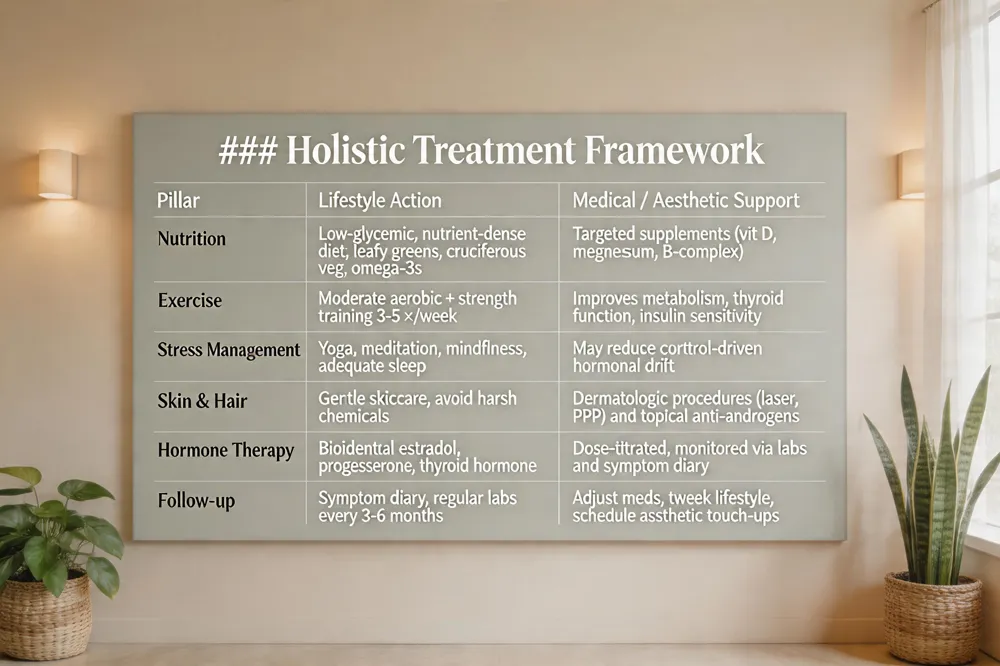 A truly personalized approach to hormonal health blends medical expertise with holistic wellness and aesthetic care. At Jana HealthCare, a multidisciplinary team—including endocrinologists, gynecologists, nutritionists, and aesthetic dermatologists—collaborates to create a unified treatment plan that addresses both underlying endocrine issues and visible skin or body concerns. By synchronizing hormone‑balancing medications or bioidentical therapy with targeted skin rejuvenation, patients can experience relief from fatigue, mood swings, and metabolic changes while also improving acne, hair loss, or skin texture. Nutrition counseling focuses on hormone‑supporting foods—lean proteins, healthy fats, leafy greens, and low‑glycemic carbs—to stabilize insulin and cortisol. Regular, moderate exercise boosts metabolism, supports thyroid function, and reduces stress‑induced cortisol spikes. Stress‑management techniques such as yoga, meditation, and adequate sleep are woven into the care regimen to further protect hormonal balance. This integrated model not only resolves biochemical imbalances but also enhances overall well‑being and aesthetic outcomes.
When to Seek Specialist Care
Red‑Flag Signs & Referral Guidance
| Red‑Flag Symptom | Why Referral Is Needed |
|---|---|
| >10 % unexplained weight loss/gain | May indicate endocrine tumor or severe metabolic disorder |
| Persistent severe fatigue despite lifestyle changes | Could be adrenal insufficiency, thyroid disease, or anemia |
| New‑onset hypertension or orthostatic dizziness | Suggests adrenal or pituitary involvement |
| Frequent palpitations or rapid heart rate | Possible hyperthyroidism or pheochromocytoma |
| Persistent hot flashes/night sweats after age 45 | May signal menopause‑related endocrine shift or hormone‑producing tumor |
| Heavy menstrual bleeding requiring frequent pad changes | Indicates possible uterine pathology or severe hormonal imbalance |
| Sudden loss of libido with mood swings | May reflect testosterone or estrogen deficiency, pituitary issues |
| Visual changes (blurred vision, field loss) | Classic sign of pituitary mass requiring specialist imaging |
| Unexplained joint aches or muscle weakness | Could be linked to low testosterone, thyroid, or vitamin D deficiency |
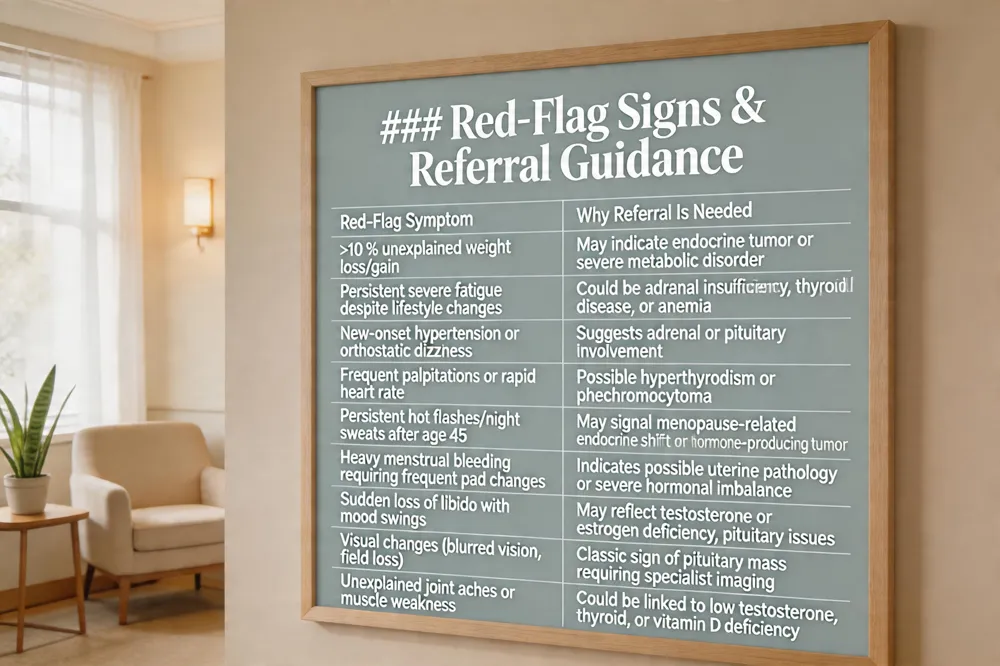 Even though many hormone‑related complaints can be handled by a primary‑care doctor, certain red‑flag signs should prompt a referral to an endocrinologist. These include persistent, unexplained weight loss or gain of >10 % of body weight, severe fatigue that does not improve with lifestyle changes, rapid heart‑ ( or palpitations, new‑onset hypertension or low blood pressure, frequent dizziness on standing, persistent hot flashes or night sweats after age 45, painful or heavy menstrual bleeding that requires changing pads/tampons, sudden loss of libido with accompanying mood swings, and any visual changes that could signal a pituitary tumor. A coordinated clinic that blends medical expertise with cosmetic dermatology and wellness therapies offers a seamless, personalized experience—labs, imaging, nutrition counseling, stress‑reduction techniques, and aesthetic treatments can be scheduled in one visit, reducing delays and improving outcomes. After a diagnosis, a structured follow‑up plan is essential: repeat hormone panels (TSH, free T4, estradiol, progesterone, cortisol, fasting glucose/HbA1c) every 3‑6 months, symptom diaries reviewed at each appointment, and adjustments to medication, lifestyle, or aesthetic interventions based on objective data and patient goals.
Take Charge of Your Hormonal Health
Start every appointment armed with a symptom diary. Write down when fatigue, mood swings, cravings, or menstrual changes appear, how long they last, and any triggers such as stress, sleep loss, or new medications. Bring a short list of targeted questions—e.g., “Which hormones could be driving my weight gain?” or “What lab panels will clarify my thyroid and cortisol status?”—so the clinician can focus the work‑up on what matters most to you.
Next, pair any prescribed therapy with evidence‑based lifestyle habits. Prioritize 7‑9 hours of sleep, balanced meals rich in whole foods, regular movement, and stress‑reduction techniques (mindfulness, yoga, or breathing exercises). These steps naturally support insulin, thyroid, and adrenal pathways and often enhance the effectiveness of medication.
Finally, lean on Jana HealthCare’s multidisciplinary team. Endocrinologists, nutritionists, aesthetic specialists, and wellness coaches collaborate to create a personalized plan that addresses lab results, skin or hair concerns, and overall vitality—giving you a seamless, whole‑person approach to hormonal balance.