
A Course of Treatment, Not One Visit
Laser hair removal works gradually, so one appointment is only a step in the process. The light targets pigment in actively growing hairs, but follicles in the same area cycle through growth at different times. Several treatments are therefore usually needed to address more hairs as they enter an active phase.
Most people need about four to eight treatments, with appointments spaced several weeks apart, though individual plans vary. Laser treatment reduces hair growth; it does not guarantee that every hair will disappear permanently. Mayo Clinic’s treatment overview explains the typical course and factors that can affect results.
A clinician can estimate a course by considering hair color and texture, skin tone, treatment area, medical history, and personal goals. At janahealthcare.com, laser hair removal is offered within a multidisciplinary medical and aesthetic practice, where treatment planning can reflect individual needs rather than relying on a one-size-fits-all estimate.
Why Multiple Sessions Are Usually Needed
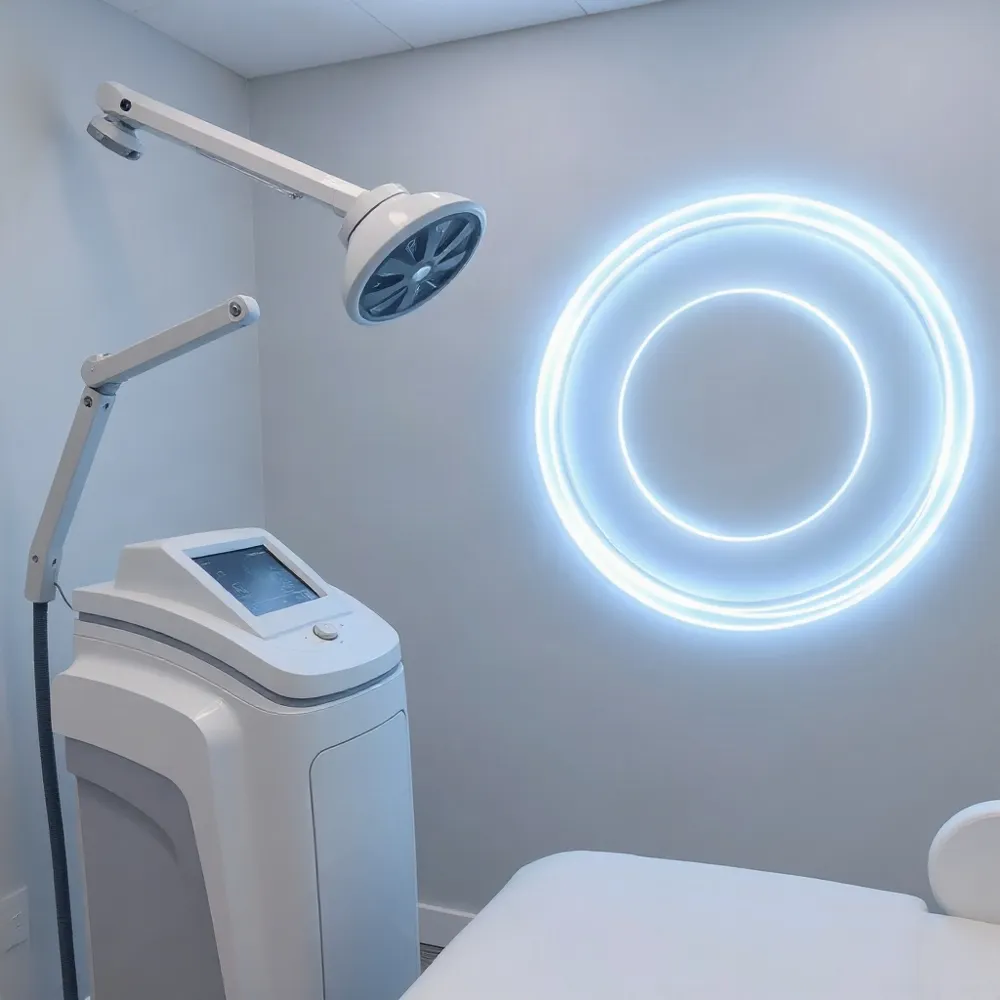 Laser hair removal works by directing light toward pigment in the hair. The pigment absorbs the energy and converts it to heat, which damages the follicle and slows future growth. Mayo Clinic explains how the treatment works.
The timing of hair growth helps explain why a single appointment is not enough. Laser treatment is most effective when a hair is in its active growth phase, but hairs in the same area move through their cycles at different times. Later appointments can target follicles that were not in that phase during an earlier visit. Jana HealthCare can assess hair and skin characteristics as part of an individualized treatment plan.
Many people need about six to eight sessions, while Mayo Clinic gives a typical range of four to eight treatments. These are general estimates, not promises. The number may vary with the treatment area, hair color and thickness, skin characteristics, hormonal influences, and how the hair responds.
A qualified clinician can review these factors and recommend a schedule suited to your needs and goals. Some people may need additional sessions or occasional maintenance if hair regrows. A planned series helps set realistic expectations while allowing the provider to adjust treatment based on progress.
Timing Sessions and Planning Maintenance
 Appointments are spaced several weeks apart to give more hairs time to enter the active growth phase, when laser treatment can target them. Treatments scheduled too close together do not necessarily speed progress. The Cleveland Clinic’s overview of laser hair removal explains why follicles at different growth stages call for repeated sessions.
The right interval depends on the treatment area and how your hair and skin respond. Follow your clinician’s area-specific schedule rather than applying one timetable to every body part. At janahealthcare.com, integrated clinical care and cosmetic dermatology provide a setting to discuss treatment alongside relevant health changes. For background on why appointment timing matters, see guidance on planning laser sessions.
Before your next visit, tell your provider about new or persistent regrowth, irritation, recent sun exposure, medication changes, or changes in your health. These details may affect whether treatment should proceed as planned or the schedule should be adjusted. The Mayo Clinic’s laser hair removal guidance recommends discussing suitability and expected results with a clinician.
Maintenance is individualized, not a fixed calendar requirement. Some people choose occasional touch-ups when regrowth appears; others need little or none. Ask your clinician when to reassess and what timing makes sense for your response.
Preparing for an Appointment
 Preparation can differ by laser, treatment area, and skin condition, so follow the clinic’s instructions rather than relying on a general checklist. At janahealthcare.com, laser hair removal is part of a multidisciplinary medical and aesthetic practice, where patients can discuss treatment alongside relevant health information.
Shaving is often recommended because it leaves the follicle in place while removing hair at the skin’s surface. The Mayo Clinic advises shaving the treatment area the day before, but confirm the timing with your provider and avoid shaving skin that is irritated or broken.
Waxing, plucking, and electrolysis remove hair from the follicle, which is the laser’s target. Ask your clinician how long to pause these methods before treatment and avoid them during the treatment series unless advised otherwise. Preparation can also vary by skin tone and device; see guidance on laser hair removal for darker skin.
Tell the clinic about medications, skin-care products, and relevant health conditions, and ask whether any products should be paused. Check what sun exposure and tanning restrictions apply before your visit. Arrive with clean skin, free of lotions, deodorant, or makeup if instructed, and reschedule or ask for advice if the area is irritated or has broken skin.
What Treatment Feels Like
Laser hair removal is usually tolerable, though each pulse may feel like a quick snap or warm sting. The sensation varies with the person, treatment area, hair and skin characteristics, and the device and settings used.
Some people find the upper lip, underarms, or bikini area more sensitive, especially where skin is thinner or hair is denser. Cooling features and provider-guided adjustments may help. Ask your provider which comfort measures are appropriate for you, and see what to expect during a laser hair removal session for more about the process.
A session may leave the treated skin temporarily warm or mildly red. Appointment length depends on the size of the area, ranging from a few minutes for a small area to about an hour for a larger one, according to the Cleveland Clinic’s overview of laser hair removal.
At Jana HealthCare, treatment is part of a multidisciplinary medical and aesthetic practice, where care can be considered alongside a patient’s broader health needs.
Safety, Side Effects, and Suitability
Temporary redness, mild swelling around hair follicles, tenderness, itching, or sensitivity can occur after laser hair removal and usually settle on their own. Less common complications include burns, blisters, scabbing, infection, changes in skin color, and rarely scarring. Pigment changes can sometimes last, so discuss any personal risk factors before treatment. The Mayo Clinic’s overview of laser hair removal risks explains why consultation and appropriate treatment choices matter.
Device choice and settings should suit your skin tone and hair type, and provider experience matters. Skin pigment can absorb laser energy, which may raise the risk of burns or discoloration if treatment is not carefully selected. At janahealthcare.com, cosmetic dermatology is part of a multidisciplinary practice that also provides integrated clinical care, supporting discussion of treatment alongside relevant health history.
A recent tan or sunburn may mean treatment should wait, since extra pigment can increase skin risk. Active irritation or infection, or a condition that affects healing, may also call for delaying or adjusting a session. Certain antibiotics, retinoids, and other medicines that increase sensitivity to light may affect safety. Share prescription, over-the-counter, and topical products with your clinician, and do not stop medication without their advice.
Very light or gray hair may respond less effectively because it contains less of the pigment many lasers target. A qualified, experienced healthcare professional can review your skin, hair, medical history, and medications to assess whether treatment is suitable. Follow the clinic’s aftercare guidance, and contact the treating professional if symptoms persist or worsen. For related guidance on post-treatment skin reactions, see healing after laser treatment.
Understanding Results and Regrowth
Treated hairs do not usually vanish right after an appointment. They may shed over several days to weeks, and early progress is often easier to see as slower or patchier regrowth, with fewer or finer hairs, rather than a completely smooth area. Cleveland Clinic’s guide to laser hair removal explains that visible hair can take time to shed.
Laser hair removal can provide long-lasting reduction, but it does not guarantee that every hair is permanently gone. Some hair may return, often finer and lighter than before, and follow-up treatment may help maintain results. The Mayo Clinic’s overview notes that occasional treatments may be needed.
Results depend on factors such as hair pigment and thickness, skin characteristics, treatment timing and settings, and hormonal influences. Darker, coarser hair often responds better, while lighter or finer hair may be less responsive. At janahealthcare.com, a personalized plan can account for individual skin and hair characteristics rather than treating a typical course as a guarantee.
To support progress, complete the clinician’s recommended course, avoid tanning, follow aftercare instructions, and do not wax or pluck between sessions unless advised. If hair persists or returns, ask a qualified clinician to reassess the plan and discuss whether hormonal factors or another treatment approach may be relevant.
A Personalized Plan Sets Expectations
Laser hair removal is approached as an individualized process, not a guaranteed number of visits or a promise of complete hair removal. A consultation can connect your goals with your skin and hair characteristics, medical history, safety considerations, and a realistic schedule. Follow your clinician’s plan, and speak up about changes in regrowth, side effects, or comfort so adjustments can be considered as treatment progresses.