The Importance of Staying Hydrated
Role of Hydration in Body Functions
Water is fundamental to nearly every process in the human body. It comprises about 60% of body weight and is essential for regulating body temperature, supporting digestion, lubricating joints, facilitating nutrient transport via blood plasma, and maintaining skin health. Proper hydration supports waste removal through the kidneys and ensures that cells receive oxygen and nutrients efficiently.
Daily Fluid Needs
Fluid requirements vary based on age, gender, body size, and activity level. On average, an adult weighing 70 kg loses about 2.5 to 3 liters of water daily, which must be replenished through food and beverages. General guidelines suggest daily intake of about 2.7 liters for women and 3.7 liters for men, including fluids from all sources. Eating water-rich fruits and vegetables also contributes significantly to total hydration.
Risks and Symptoms of Dehydration
Dehydration can impair essential bodily functions, leading to symptoms such as headaches, dizziness, fatigue, low concentration, constipation, and dry mouth. Severe dehydration increases the risk of kidney stones and urinary tract infections, and in extreme cases can cause confusion or muscle cramps. Notably, thirst is a late sign of dehydration, so proactive fluid intake is crucial.
Importance of Personalized Hydration
Hydration needs are not one-size-fits-all; factors like climate, physical activity, health status, and even medication use influence individual fluid requirements. Groups such as babies, older adults, pregnant women, and athletes require particular attention to hydration. Monitoring urine color—aiming for pale yellow—is a simple way to assess hydration status. Personalized hydration strategies, including using flavored water or consuming hydrating foods, can optimize wellness and support overall health.
Understanding Individual Hydration Needs and Fluid Balance

How much water should an individual drink daily based on calculators or guidelines?
Daily water intake recommendations vary widely due to factors such as age, gender, body size, activity level, and environmental conditions. General guidelines suggest that women typically require about 11.5 cups (92 ounces) of fluids daily, while men need approximately 15.5 cups (124 ounces). This total includes fluids from both beverages and water-rich foods.
The body is composed of approximately 60% water, and adults lose about 4% of their body weight in water daily (for example, 2.5 to 3 liters for a 70 kg person) through activities such as breathing, sweating, urination, and digestion. Therefore, replenishing these fluids regularly is critical.
Monitoring hydration status can be efficiently done by observing urine color as hydration indicator: a pale yellow or clear urine generally indicates adequate hydration, while darker urine signals a need for more fluids. Thirst as a late indicator of dehydration, and relying solely on thirst may not prevent mild dehydration.
What is the healthiest way to hydrate your body?
The healthiest hydration approach centers on consistent water intake throughout the day to maintain essential functions including temperature regulation, joint lubrication, nutrient transport, and waste elimination. Drinking plain water is fundamental, but it can be supplemented with other hydrating fluids such as caffeine-free herbal teas and beverages with low or no added sugars.
In addition, consuming fruits and vegetables with high water content (such as cucumbers, watermelon, and leafy greens) not only adds valuable fluids but also provides electrolytes, vitamins, and antioxidants that support overall wellness.
Individual fluid needs should be adjusted based on factors like physical activity, climate conditions, health status, and age to effectively prevent dehydration and optimize physiological function. Consulting healthcare providers can help tailor hydration strategies to personal health requirements.
Creative and Practical Hydration Hacks to Boost Fluid Intake

What is the golden rule of drinking water?
The golden rule for optimal hydration emphasizes consuming small, frequent sips of water rather than large amounts all at once. Ideally, you should sip about 5 to 10 cl every 5 minutes during hot weather and avoid going longer than 10 minutes between drinks in cooler conditions. This steady intake enhances absorption efficiency and prevents stomach discomfort that can arise from gulping large volumes. Importantly, hydration should begin proactively before any signs of dehydration appear to maintain body balance.
What are some creative ways or hacks to increase daily water intake?
There are many enjoyable methods to boost water intake without relying on plain water alone. Infusing water with natural flavors, such as slices of lemon, cucumber, or fresh herbs like mint, adds refreshing taste and aroma that encourage regular sipping. Carrying a reusable water bottle marked with volume measurements can serve as a visual cue and reminder to drink steadily throughout the day.
Utilizing hydration reminder apps on smartphones or wearable devices can provide timed alerts to prompt fluid intake, helping form consistent hydration habits. Pairing water consumption with daily routines—for example, drinking a glass of water before meals, after bathroom visits, or upon waking—leverages existing habits to increase fluid intake naturally.
Engaging in hydration challenges, such as aiming to drink half your daily water goal by midday, or logging intake with apps, introduces a fun, gamified element that motivates adherence. Incorporating water-rich fruits and vegetables into meals provides additional hydration while delivering valuable nutrients.
Together, these practical and creative strategies empower personalized hydration routines. Carrying a well-fitted water bottle, using technology to track and remind, flavoring water naturally, and linking drinking to daily patterns can transform hydration from a mundane task to an enjoyable and health-promoting habit.
Hydrating Beyond Plain Water: Healthy Beverage Alternatives
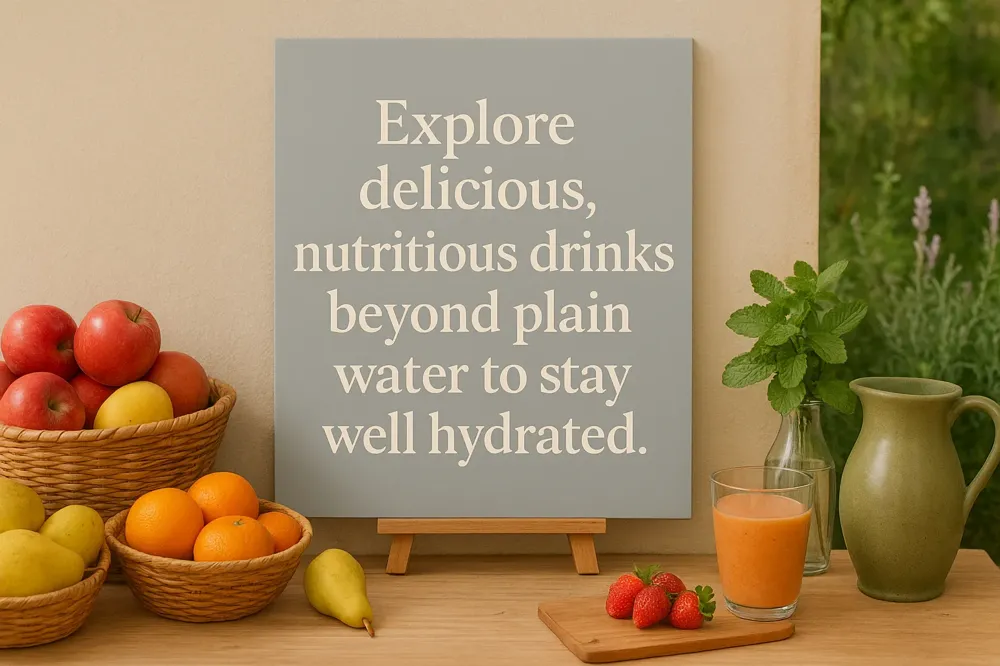
What beverages can serve as healthy hydration options besides water?
Staying hydrated doesn't have to rely solely on plain water. Healthy alternatives include unsweetened plant-based milks like almond, oat, and soy milk, which provide hydration as well as beneficial nutrients. Traditional cow's milk is also a good choice, offering hydration plus proteins, carbohydrates, calcium, and electrolytes (hydration essentials).
Herbal teas, particularly caffeine-free varieties such as chamomile or hibiscus, are excellent for hydration and can be enjoyed hot or iced without added sugars. Low-sodium broths add fluids and electrolytes, particularly useful during illness or cold weather. Diluted fruit juices without added sugars offer flavor with hydration but should be consumed in moderation (hydration and caffeine, Using Food to Stay Hydrated).
Sports drinks containing electrolytes and carbohydrates are beneficial for replenishing fluids during prolonged or intense exercise but should be used judiciously due to potential high sugar and sodium content. Alcohol and sugary drinks, conversely, promote dehydration and should be limited (hydration and alcohol consumption, drinks to avoid dehydration).
What are good alternatives to water for hydration?
Beyond plain water, hydration can come from fruit and vegetable juices, milk, and herbal teas, as well as moderate caffeine-containing drinks like coffee and regular tea. These contribute valuable fluids and antioxidants without significantly dehydrating effects when consumed within recommended limits (Using food to stay hydrated, hydration and caffeine).
High-water-content foods such as cucumbers, watermelon, and oranges also play a meaningful role in hydration (water-rich fruits and vegetables, hydrating fruits and vegetables). For individuals engaging in strenuous activity or exposed to heat, electrolyte-enhanced sports drinks help replace lost minerals alongside water (hydration tips for athletes).
Moreover, infusing water with slices of fruits, vegetables, or herbs can improve taste and promote regular fluid intake. These varied options support hydration needs while adding nutritional value and flavor, encouraging healthier, more enjoyable hydration habits (hydration reminder apps, hydration hacks).
Foods and Fluids That Accelerate Hydration and Recovery
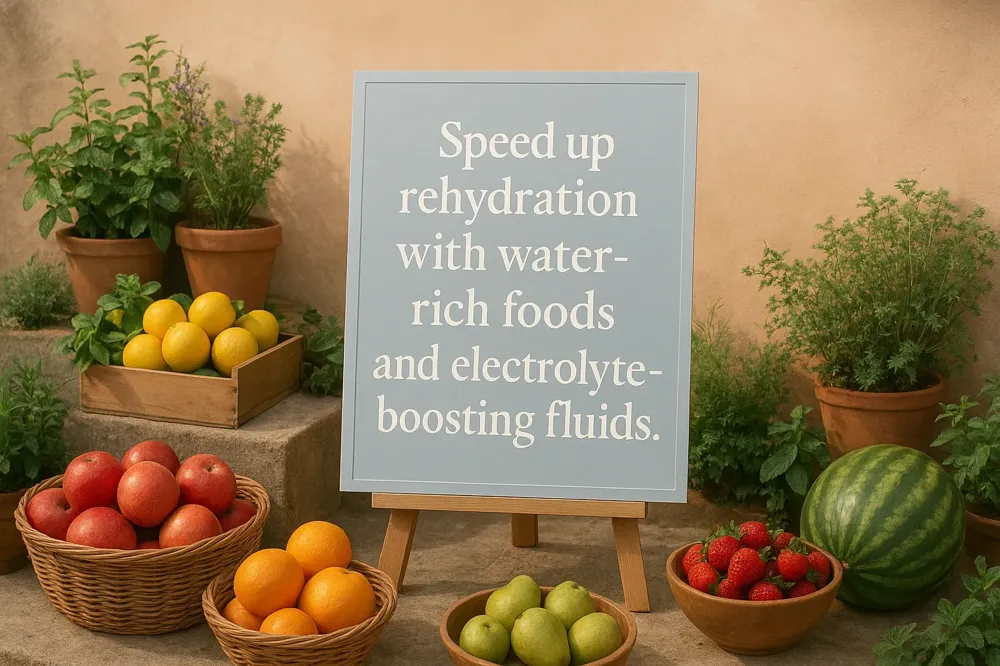
What foods help with dehydration recovery?
Consuming water-rich foods for hydration is an effective way to enhance hydration and aid recovery from dehydration. Fruits and vegetables such as cucumbers, celery, watermelon, tomatoes, zucchini, bell peppers, and strawberries are composed mostly of water and also provide vitamins and antioxidants essential for overall health.
Electrolyte-rich fruits like bananas and oranges play a crucial role in replenishing salts lost during dehydration. These electrolytes help regulate fluid balance and nerve function.
Incorporating broth-based soups and hydration, particularly low-sodium varieties, contributes additional fluids and essential minerals, making them excellent options to support rehydration and recovery.
How can electrolytes be added to water to improve hydration?
Enhancing water with electrolytes can be done naturally by adding small amounts of mineral-rich salts such as sea salt or Himalayan pink salt. Infusing water with citrus fruits like lemon and orange also introduces electrolytes and makes water more palatable.
Specialized electrolyte powders or oral rehydration solutions deliver a balanced mix of minerals—sodium, potassium, magnesium, and calcium—that support efficient fluid absorption and retention, especially after intense physical activity or dehydration events.
How can I hydrate quickly without drinking plain water?
To achieve quick hydration without relying on plain water, consume Tips to Stay Hydrated Beyond Water such as berries, oranges, grapes, carrots, leafy greens, and melons. These provide both fluids and key nutrients.
Drinking herbal teas for hydration, coconut water for rehydration, and diluted fruit juices also contributes to hydration while offering additional flavor and electrolytes.
Benefits of broth-based soups add not only fluids but also beneficial minerals and protein, making them nourishing choices for rapid rehydration.
Combining these nutrient-rich foods and beverages supports fast hydration by balancing fluid and electrolyte intake, tailored for effective recovery.
Hydration Considerations for Vulnerable Groups and Special Situations

Why might some people struggle to drink enough water?
Several factors contribute to difficulties in maintaining adequate hydration. Older adults often experience a reduced sensation of thirst, which means they may not feel the need to drink fluids regularly. This diminished thirst, combined with mobility challenges or cognitive issues, can increase dehydration risk.
Busy lifestyles also cause many to forget to drink water consistently throughout the day. Some individuals dislike the taste of plain water, making it less appealing as a method of hydration.
Furthermore, certain illnesses and medications increase fluid loss through heightened urination or sweating, intensifying hydration challenges. Children, older adults, and those with chronic health conditions are therefore at higher risk for dehydration.
How can pregnant individuals stay hydrated without drinking plain water?
Pregnant individuals have increased fluid needs but may struggle with plain water intake due to taste preferences or nausea. To maintain hydration, consuming water-rich fruits and vegetables is highly effective. Options such as watermelon, cucumbers, oranges, and strawberries provide natural fluids along with essential vitamins and antioxidants.
Herbal teas (caffeine-free varieties), low-fat milk, and diluted natural fruit juices also contribute to hydration and nutrient intake. Broths and soups can supply fluids and electrolytes while being comforting and easy to consume during pregnancy.
Adding fresh fruit slices or herbs like mint to water enhances flavor and encourages regular drinking. Scheduling hydration intake through reminder apps or tying fluid consumption to daily routines (e.g., before meals or after waking) helps maintain consistency.
Effects of medications and illnesses on hydration
Certain medications, including diuretics, and illnesses like fever, vomiting, or diarrhea increase fluid loss, necessitating more vigilant hydration strategies. These conditions can compromise the body's fluid balance, making replacement critical to prevent severe dehydration and associated complications (Signs and risks of dehydration.
Recognizing signs and symptoms of dehydration
Early indicators include headaches, dizziness, fatigue, dry mouth, low concentration, constipation, and dark or infrequent urination. When left unaddressed, dehydration worsens, raising risks of kidney stones, urinary tract infections, and cognitive impairment (signs of dehydration).
Importance of routine and support
For vulnerable groups—young children, older adults, pregnant individuals, and those with health challenges—establishing hydration routines and ensuring support from caregivers or family members is essential. Using water bottles suited to personal preferences, phone reminders, and integrating fluid intake with daily activities help foster healthy hydration habits.
Maintaining Healthy Hydration Habits for Skin and General Wellness
What are good hydration strategies for skin health for maintaining glowing and healthy skin?
Consistent intake of adequate water—typically 6 to 8 glasses daily—plays a crucial role in maintaining skin hydration and elasticity. Proper hydration supports the removal of toxins and promotes cellular renewal, which can reduce the appearance of wrinkles and prevent acne flare-ups. Tailoring water consumption to individual hydration needs and lifestyle ensures the skin remains well-hydrated throughout the day. Combining sufficient hydration with a dedicated skincare routine that includes gentle cleansing and moisturizing helps optimize skin barrier function and maintain a youthful, radiant complexion.
How does hydration influence mood and cognition?
Adequate hydration supports brain function by improving concentration, reducing anxiety, and enhancing alertness. Dehydration , even mild, can lead to fatigue, headaches, and difficulty focusing, adversely affecting mood and cognitive performance. Maintaining balanced fluid intake throughout the day is essential for sustained mental clarity and emotional well-being.
What are effective tips to minimize water retention while staying hydrated?
To balance hydration without excessive water retention, it is essential to follow strategies such as maintaining a low-sodium diet to prevent salt-induced fluid build-up. Drinking plenty of water helps flush excess sodium from the body. Including potassium-rich foods (bananas, avocados) promotes fluid balance. Regular physical activity enhances circulation and lymphatic drainage, reducing swelling. Lifestyle measures like elevating the feet after prolonged standing and considering natural diuretics can further support fluid balance. Consultation with healthcare professionals allows for personalized adjustments tailored to individual health needs.
How to avoid dehydration complications?
Responding promptly to thirst and monitoring urine color (aiming for pale yellow) prevent signs of dehydration such as headaches, dizziness, and dry skin. Older adults and individuals with higher fluid loss (due to exercise or heat exposure) should take extra care to maintain steady hydration. Avoiding diuretic excess, such as consuming alcohol without balancing water intake, also reduces dehydration risks.
What role does hydration play in an integrated wellness approach?
Hydration forms a foundational pillar of holistic wellness by supporting vital physiological processes, including temperature regulation, digestion, joint lubrication, and skin health. Integrating hydration habits with balanced nutrition, physical activity, skincare, and stress management fosters overall health optimization and aesthetic enhancement, embodying personalized care tailored for optimal wellness and vitality.
Integrating Diverse Hydration Methods for Optimal Health
Hydration Beyond Plain Water
Maintaining optimal hydration involves more than just drinking plain water. While water is fundamental, consuming a variety of fluids and water-rich foods contributes significantly to fluid balance. Fruits and vegetables such as cucumbers, watermelon, and leafy greens provide essential hydration alongside vitamins, minerals, and fiber. Beverages like herbal teas, low-fat milk, and natural fruit-infused waters enhance enjoyment and increase overall fluid intake.
Tailoring Hydration to Individual Needs
Hydration requirements vary widely depending on factors including age, body size, activity level, climate, and health status. For example, athletes or those in hot environments may require increased fluids and electrolyte replacement. Older adults might need to adopt structured hydration routines due to diminished thirst sensation. Personalizing fluid intake by listening to body cues and considering lifestyle demands ensures adequate hydration and optimal physiological function.
Making Hydration Enjoyable and Habitual
Creating enjoyable hydration habits can improve consistency. Adding natural flavors such as fresh fruit or herbs to water, using sparkling or infused water, and consuming hydration-rich snacks like fruit slushies encourage regular fluid consumption. Tools like reusable water bottles, hydration reminder apps, and linking drinking to daily activities can reinforce these habits, making hydration a seamless part of everyday wellness.
Professional Guidance for Personalized Hydration Plans
Because hydration needs are influenced by diverse health factors, consulting healthcare professionals is advisable. They can provide guidance tailored to individual health conditions, medication use, and lifestyle, ensuring safe and effective hydration strategies. This personalized approach supports holistic health, reduces risks associated with dehydration, and promotes sustained wellness.