Setting the Stage for Optimal Hydration
Athletes lose up to 2–3 quarts of fluid per hour, and that loss quickly depletes water, sodium, potassium, calcium, magnesium, and chloride—minerals essential for muscle contraction, nerve signaling, and thermoregulation. Plain water restores volume but, without electrolytes, can dilute blood sodium, risking hyponatremia and reduced performance. Evidence‑based guidelines recommend a pre‑exercise bolus of 16–20 oz 2–3 hours before activity, followed by 6–12 oz (adults) or 11–16 oz (teens) every 20 minutes during work exceeding 45 minutes. Post‑exercise rehydration should replace each pound lost with ~24 oz of fluid, preferably a sodium‑rich sports drink or hypotonic solution, and include a small protein‑carbohydrate source such as chocolate milk to aid recovery.
Pre‑Exercise Hydration Foundations
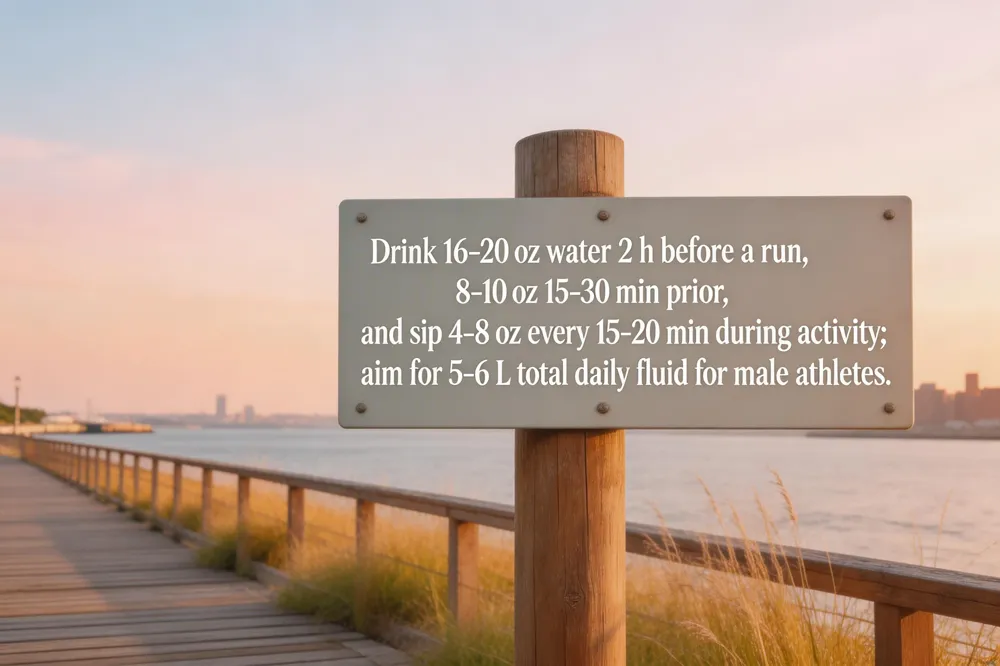 Morning run hydration starts with 16‑20 oz of water taken two hours before you head out, allowing the body to absorb the fluid and any excess to be eliminated. A follow‑up sip of 8‑10 oz 15‑30 minutes before the run tops off the reservoir without causing a sloshing stomach. This simple routine improves early‑exercise performance and curtails cramps.
Male athletes should aim for 5‑6 liters (≈170‑200 oz) of fluid each day, well above the 3.7 L baseline for sedentary men. The total includes water from foods such as watermelon and oranges. A practical daily plan spreads intake evenly: 17‑20 oz 2‑3 hours before training, another 8 oz 20‑30 minutes before activity, and regular sips of 4‑8 oz every 15‑20 minutes during work‑out sessions. Post‑exercise, replace each pound of weight loss with 24 oz of water or a sodium‑rich sports drink.
Literature‑based daily goals reinforce these numbers. The Institute of Medicine recommends 125 oz (15 cups) for adult men, while sport‑specific research adds 0.5‑1 L for sweat losses during intense or hot‑weather training.
For a quick reference, see the PDF “Hydration Guidelines for Athletes,” which outlines pre‑, during‑exercise, and post‑exercise fluid strategies, sodium targets (≈200 mg per 16‑oz drink), and urine‑color monitoring tips. Download it here: https://www.nata.org/sites/default/files/2025-08/hydration-guidelines_handout.pdf.
Hydration During Exercise – Fluid, Electrolytes & Energy
 Importance of hydration during exercise
Hydration regulates temperature via sweat, maintains electrolyte balance for muscle function, reduces cramps, supports cardiovascular stability, and boosts endurance. Post‑exercise rehydration speeds recovery by flushing toxins and aiding joint lubrication.
Importance of hydration during exercise
Hydration regulates temperature via sweat, maintains electrolyte balance for muscle function, reduces cramps, supports cardiovascular stability, and boosts endurance. Post‑exercise rehydration speeds recovery by flushing toxins and aiding joint lubrication.
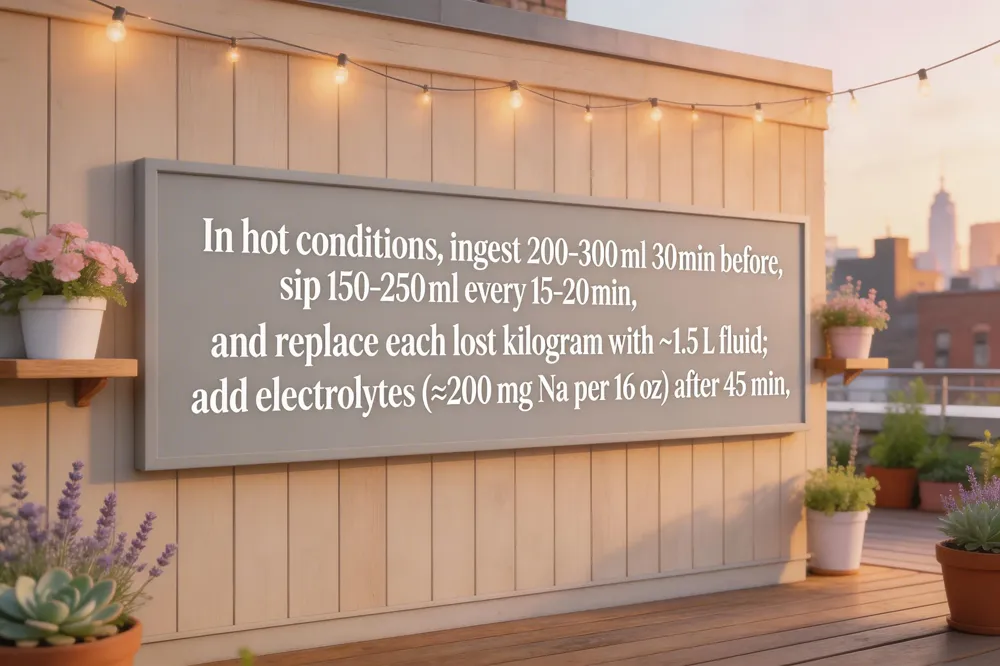
Hydration for running in hot weather Heat increases sweat loss, reducing plasma volume. Drink 200‑300 ml of water or an electrolyte drink 30 min before a run, sip 150‑250 ml every 15‑20 min, and replace each kilogram lost with ~1.5 L of fluid after. Keep urine a pale yellow.
Best hydration options for athletes Plain water meets needs; for >60 min add a sports drinks or homemade electrolyte solution (water, pinch of salt, citrus, honey). Coconut water supplies potassium; chocolate milk adds protein and carbs for recovery; water‑rich fruits contribute natural electrolytes.
Healthy sports drinks with electrolytes Choose clean‑label options such as GoodSport (1,600 mg electrolytes, zero sugar) or DripDrop powder (330 mg sodium, potassium, magnesium, calcium, 7 g sugar). Both are tested.
Best sports drink for electrolytes DripDrop Hydration provides a sodium‑potassium‑magnesium blend with modest sugar, ideal for rehydration; LMNT offers sodium‑rich, while Gatorade remains a choice.
How pro athletes hydrate Pre‑hydrate with 500‑600 ml 2‑3 h before, add 200‑300 ml 20‑30 min prior, sip 150‑250 ml every 15‑20 min during, and replace each pound lost with 24 oz of electrolyte‑rich fluid for sweat rate.
Post‑Exercise Recovery & Rehydration
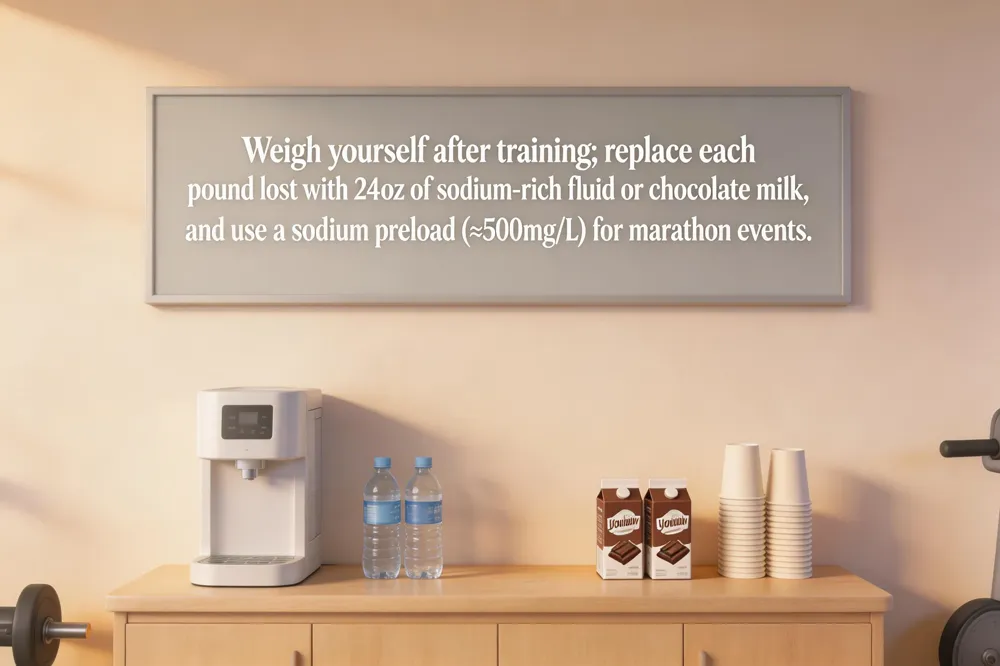 Athletes lose up to 2 quarts of fluid per hour, so re‑hydrating after a workout is critical for restoring plasma volume, preventing cramps, and supporting muscle recovery. Effective hydration strategies start with 17–20 oz of water 2–3 hours before activity and an extra 8 oz 20–30 minutes before the start. During exercise sip 4–8 oz every 15–20 minutes, using a sports drink that supplies ~200 mg sodium per 16‑oz serving when the session exceeds 45 minutes. After training, weigh yourself; replace each lost pound with 24 oz (≈3 cups) of fluid, preferably a sodium‑rich hypotonic drink or Chocolate milk for added protein and anti‑inflammatory benefits. Marathon hydration begins with a sodium‑rich preload the night before and 45 minutes before the race. Aim for 500–750 ml per hour of a drink containing at least 500 mg sodium per litre, sipping small amounts regularly; after the finish, replenish fluids and electrolytes with 20–24 oz per pound lost. Hydration calculators use body weight, sweat rate, temperature, and humidity to estimate fluid needs before, during, and after a race, giving personalized hourly targets. Charts and trackers record pre‑ and post‑exercise weight, calculate % fluid loss, note urine color (pale‑yellow = adequate), and remind “salty sweaters” to add sodium‑rich foods or drinks. Following this plan keeps body‑mass loss <2 % and optimizes recovery.
Practical Gear & Youth Hydration
 Hydration Pack for Runners
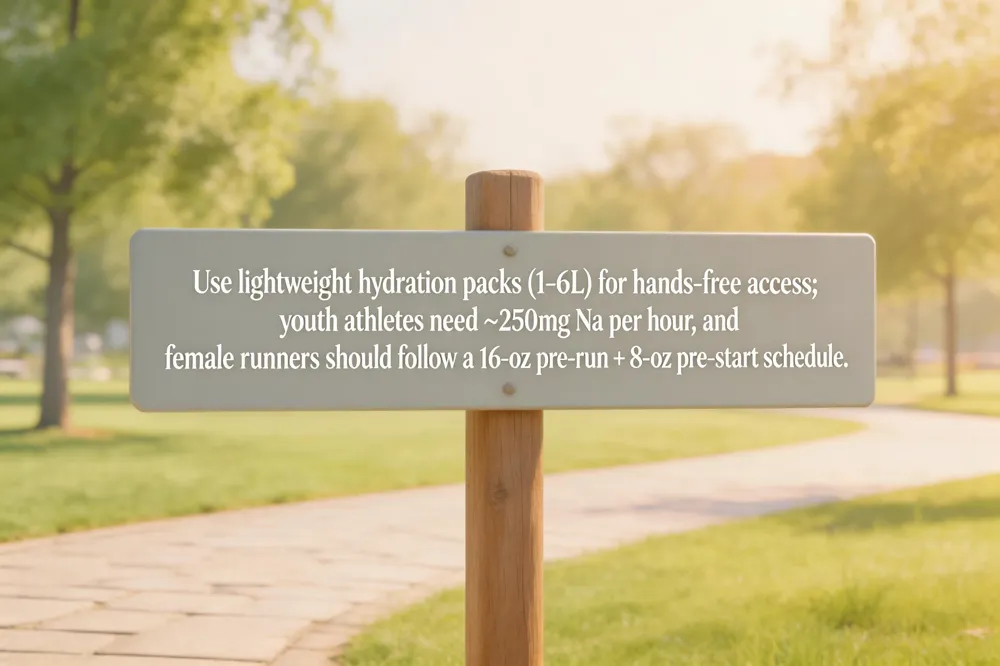
A hydration pack lets runners carry water, electrolytes and nutrition hands‑free, reducing bounce and keeping essential fluids within easy reach during long runs or races. Look for a lightweight vest with a low‑profile, compression fit that distributes weight across the torso, such as the Nathan Pinnacle Pro 12 L or the Ultimate Direction Ultra Vest 6.0. Packs with at least a 1‑liter bladder serve mid‑distance runs, while 3‑ to 6‑liter systems are ideal for marathons or ultra‑distance training. Proper fit—adjustable straps and body‑contouring design—prevents chafing and supports optimal running form, joint health, and injury prevention.
What Do Runners Use to Hydrate While Running?
Runners typically use handheld bottles, waist‑pack bottles, or lightweight vests. For sessions longer than 45 minutes, an electrolyte‑replenishing sports drink is added to replace sodium, potassium and other minerals lost in sweat. A practical guideline is to sip 5‑10 oz of fluid every 15‑20 minutes. Pre‑hydrate 2‑3 hours before activity with 17‑20 oz of water, and after the run replace fluid loss with 16‑24 oz per pound lost.
Best Electrolytes for Youth Athletes
Sodium is the primary electrolyte for young athletes, aiming for about 250 mg per hour (≈20 mini‑pretzels) during hour‑duration or hot‑weather activity. Potassium and magnesium are beneficial but usually met by a balanced diet. Sources include low‑sugar sports drinks, electrolyte tablets with sodium, potassium and magnesium, or plain water paired with salty snacks. A homemade mix of water, a pinch of sea‑salt and a splash of fruit juice offers a natural alternative without excess sugar.
Hydration Tips for Female Runners
Female runners should drink 16 oz of water 2–3 hours before a run and an additional 8 oz 10–20 minutes prior. During runs >45 minutes, sip 5‑10 oz every 15‑20 minutes, preferably with a low‑carb sports drink to replace sodium and potassium. Post‑run, begin rehydration with 12 oz and aim for 16‑24 oz per pound lost, monitoring urine color and heart rate to avoid both dehydration and over‑hydration.
Best Source of Electrolytes for Athletes
A balanced mix of water‑based sports drinks (containing sodium, potassium, magnesium, calcium) and nutrient‑dense foods (bananas, dairy or fortified plant milks, coconut water, salted nuts) provides rapid and sustained electrolyte replacement. Aim for at least 500 mg of sodium per hour of heavy sweating, adjusting intake based on sweat rate, climate, and exercise intensity.
Performance‑Boosting Drinks & Nutrition
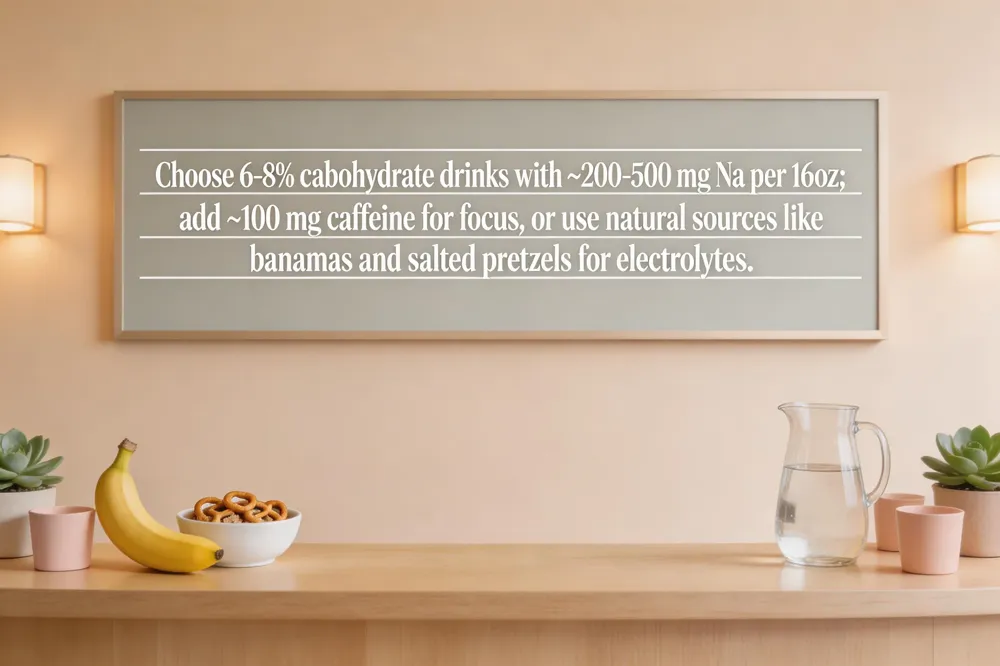 Energy‑carbohydrate drinks – Athletes lose up to 3 quarts of fluid per hour during intense endurance work, so a drink that pairs electrolytes with 6–8 % carbohydrates is ideal. Sports drinks with ~200 mg sodium per 16‑oz serving (e.g., Gatorade, Powerade) replace sodium lost in sweat and provide the glucose needed to sustain glycogen stores. Caffeinated options – A modest caffeine dose (≈100 mg) can improve focus and perceived effort without causing excess urination when taken before exercise; products like Tailwind Caffeinated Endurance Fuel combine caffeine with 310 mg sodium and 25 g carbs for a balanced boost. Sports performance drink rankings – 2021 top picks included Gatorade, Powerade, and the newer Skratch Labs Sport Hydration Mix, all delivering 20‑30 g carbs and 300‑500 mg sodium per serving. Low‑calorie electrolyte tablets (Nuun Sport) and Liquid I.V. Hydration Multiplier also ranked highly for moderate‑intensity sessions. Food‑based electrolytes – Natural sources such as bananas (potassium), dairy (calcium), and salted pretzels (sodium) can complement drinks, especially when combined with water‑rich fruits like watermelon.
Best energy drink for athletes – Skratch Labs Sport Hydration Drink Mix (21 g carbs, 380 mg sodium) offers rapid fluid absorption and electrolyte balance; for a caffeine lift, add Tailwind Caffeinated Endurance Fuel.
Best drinks for sports performance 2021 – Gatorade, Powerade, Skratch Labs, and Tailwind’s caffeinated version were leading choices due to their carb‑electrolyte blend and optional caffeine.
Top 10 sports energy drinks – Skratch Labs, Tailwind Caffeinated, elete Drops, Liquid I.V., Vega Sport, Precision Hydration PH 500, Thorne Catalyte, REDMOND Mix, Mortal Hydration, and Gatorlyte Rapid combine balanced carbs, sodium (300‑500 mg), potassium, magnesium, and, when present, caffeine or B‑vitamins.
Why do runners eat Haribo? – Haribo gummies deliver quick‑acting glucose, sucrose, and dextrose without fat or fiber, providing instant energy and easy digestion during long runs.
What do pro athletes drink instead of Gatorade? – Alternatives include PRIME Hydration, BODYARMOR (potassium‑rich coconut water), Electrolit, and other electrolyte‑focused formulas that match personal taste and sodium needs.
Monitoring, Guidance & The Bigger Picture
 Staying properly hydrated is a cornerstone of athletic performance. Water maintains blood volume, regulates body temperature, and keeps muscles and joints lubricated, which preserves speed, flexibility, and reduces cramping. Electrolytes—especially sodium lost in sweat—are essential for nerve signaling and muscle contraction, so a balanced fluid‑electrolyte intake protects strength, endurance, and cognitive focus during training and competition.
Simple monitoring tools empower athletes to stay ahead of dehydration. A quick visual check of urine color—light‑yellow or straw‑colored—signals adequate hydration, while dark yellow warns of fluid deficit. More precise tracking involves weighing before and after a workout; a loss of 1 lb (≈0.45 kg) equals roughly 24 oz (710 ml) of fluid that should be replaced. Recording these values in a hydration‑for‑athletes chart, along with scheduled fluid intake (e.g., 16–24 oz 2–3 hours before activity, 8 oz 15 minutes before, and 6–12 oz every 20 minutes during exercise) helps keep body‑weight loss under the critical 2 % threshold.
Integrating hydration into overall wellness care means treating fluid balance as part of a personalized health plan. Pair plain water with low‑calorie electrolyte drinks for sessions >45 minutes, include water‑rich foods (watermelon, strawberries) in daily meals, and use time‑marked bottles or smart hydration apps as reminders. For athletes with hypertension or kidney concerns, consult a healthcare professional before increasing sodium intake. By combining evidence‑based guidelines, easy monitoring, and holistic lifestyle habits, athletes can optimize performance, recovery, and long‑term health.
Putting It All Together – A Holistic Hydration Plan
Begin each day with a sodium‑rich drink 2–3 hours before training—about 5 ml per kilogram of body weight, roughly 16–20 oz of a sports drink or electrolyte‑infused water. This pre‑hydration fills fluid reservoirs and supports nerve‑muscle signaling. During activity, sip 6–12 oz every 20 minutes for adults, adjusting upward in heat or when sweat loss exceeds 1 L h⁻¹; choose isotonic drinks that supply ~200 mg sodium per 16 oz and 6–8 % carbs to sustain energy and fluid absorption. After the session, replace each pound lost with 24 oz of water or a hypotonic beverage, adding a protein‑carbohydrate source such as chocolate milk for recovery. Personalize the plan by measuring weight change, checking urine color, and using a smart bottle or sweat‑rate test. Consult a sports dietitian or athletic trainer to fine‑tune electrolyte ratios, especially for high‑intensity or hot‑weather workouts.