Why Hydration Matters on Flights
Cabin air on commercial aircraft typically contains only 10‑20 % relative humidity, far below the 30‑60 % range that keeps our mucous membranes moist and electrolytes balanced. In a 6‑ to 10‑hour flight this dry environment can cause a traveler to lose 1‑2 L of water through respiration, skin, and increased urine output. Even modest dehydration (≈1‑2 % body‑weight loss) impairs cognitive function, produces headache, dry mouth, dizziness, and reduces physical stamina. Those symptoms overlap with jet‑lag signs, amplifying fatigue and slowing the body’s circadian reset. Maintaining proper fluid balance before, during, and after the journey supports mental clarity, muscle coordination, and overall travel performance, making hydration a cornerstone of healthy, comfortable flying.
Flight Attendant Tips for Healthy Travel
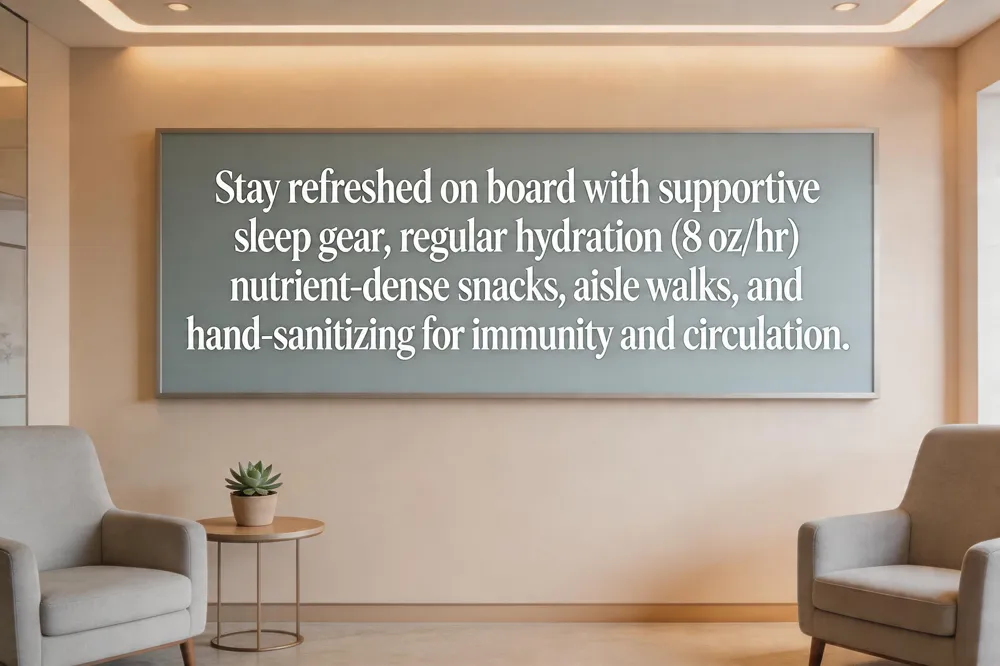 Flight attendants know that a smooth journey starts long before you step onto the tarmac. Sleep strategies on board – bring a supportive neck pillow, eye mask, and earplugs; consider a low‑dose melatonin or a brief guided meditation to drift off and keep the cabin lights dimmed. Smart snacking and hydration – sip 8 oz of water each hour (or a electrolyte‑rich beverage) and avoid alcohol and caffeine, which worsen dehydration and jet‑lag. Pack nutrient‑dense snacks such as mixed nuts, fresh fruit, or veggie sticks to sustain blood‑sugar levels and support immunity with vitamin C and zinc. Movement and circulation – stand or walk the aisle every hour, and perform simple calf‑raises, shoulder rolls, and neck stretches to keep blood flowing and lower the risk of deep‑vein thrombosis. Hand hygiene and cabin cleanliness – use antibacterial wipes on tray tables, armrests, and seat backs; wash hands frequently and keep a travel‑size hand sanitizer handy. Alcohol and caffeine moderation – limit alcoholic drinks to one per flight and replace coffee with herbal tea to reduce diuresis and improve sleep quality. Post‑arrival schedule alignment – reset your sleep‑wake cycle to the destination’s time zone as soon as possible, expose yourself to natural light in the morning, and keep meals regular to help the circadian rhythm adjust. Together, these habits keep you refreshed, hydrated, and ready to enjoy your trip.
IV Therapy for Jet Lag Relief
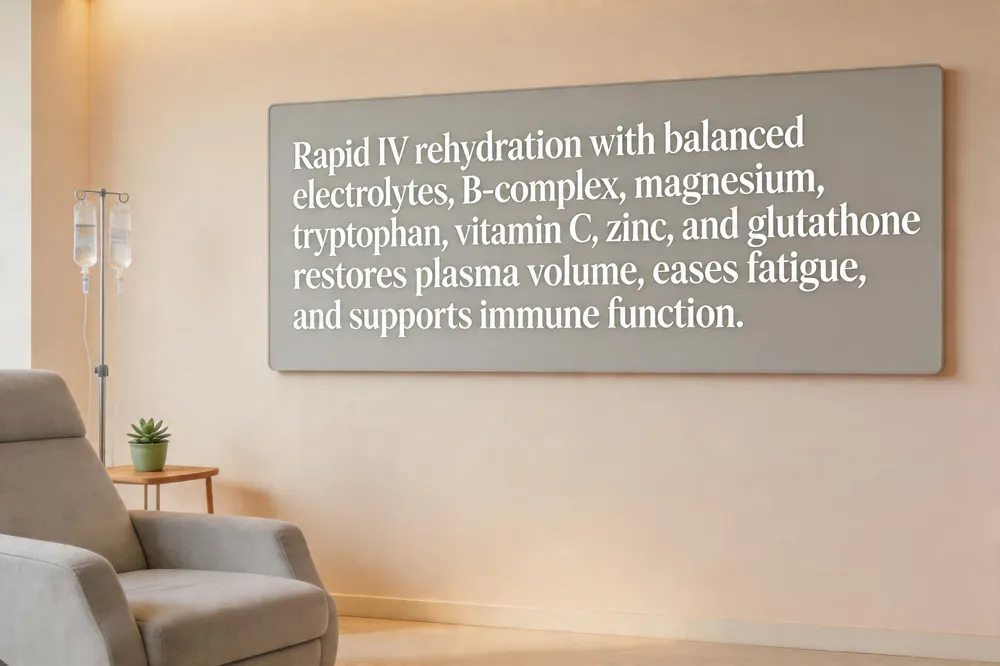 Jet‑lag symptoms stem from dehydration, electrolyte loss, and disrupted circadian rhythms during long‑haul flights. IV therapy offers rapid rehydration, delivering a balanced electrolyte solution (sodium, potassium, magnesium, calcium) directly into the bloodstream, restoring plasma volume in 30‑45 minutes—far quicker than oral fluids.
B‑complex, magnesium, and tryptophan benefits – B‑vitamins (especially B12) fuel mitochondrial energy production and support neurotransmitter synthesis, reducing fatigue and mental fog. Magnesium relaxes muscle tension, eases migraine‑type headaches, and improves sleep quality. Tryptophan boosts melatonin synthesis, helping reset the internal clock after crossing time zones.
Immune‑supporting vitamins and antioxidants – Vitamin C and zinc act as antioxidants and enhance white‑blood‑cell function, protecting travelers from travel‑related illnesses. Glutathione adds a powerful intracellular antioxidant, mitigating oxidative stress from prolonged cabin exposure.
Pre‑flight and post‑flight timing – Receiving an IV pre‑flight 24‑48 hours before departure pre‑hydrates and stocks essential nutrients, while a post‑flight session (30‑60 min) accelerates recovery, lessening headaches, dry skin, and exhaustion.
Safety and professional supervision – Certified nurses insert a peripheral catheter under physician‑directed protocols, monitoring vitals and ensuring sterile technique. Contraindications (e.g., uncontrolled heart failure, severe kidney disease) are screened beforehand, making IV therapy a safe adjunct to traditional jet‑lag management strategies.
Electrolyte Strategies: Liquid I.V. and Oral Hydration
 Cabin humidity on commercial flights typically falls to 10‑20 %, a level that can cause a loss of 1–2 L of body water on a 10‑hour flight. The dry air and reduced cabin pressure accelerate fluid loss through respiration and skin, leading to fatigue, headache, and impaired cognition—symptoms that overlap with jet lag.
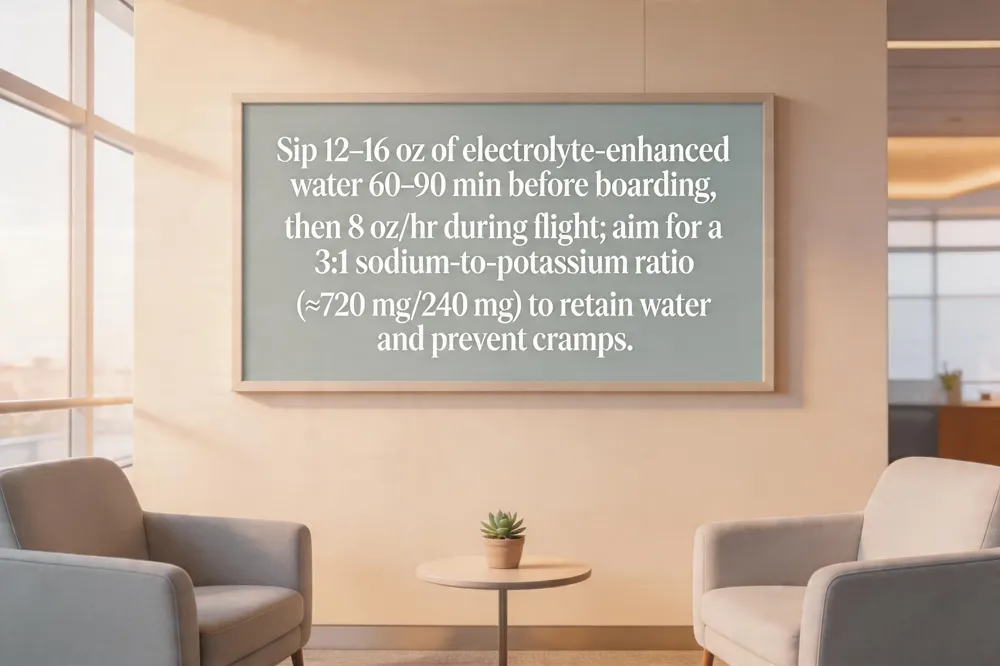
A well‑designed electrolyte‑rich formula uses Cellular Transport Technology to deliver sodium, potassium, magnesium, and calcium directly into the bloodstream. For optimal cellular uptake, aim for a sodium‑to‑potassium ratio of about 3:1 (e.g., 720 mg sodium to 240 mg potassium). This balance helps retain water, supports nerve‑muscle function, and reduces muscle cramps.
Practical schedule: 60–90 minutes before boarding, drink 12–16 oz of water mixed with a light electrolyte solution (or a pinch of sea‑salt powder). During the flight, sip 8‑oz glasses every hour, choosing electrolyte‑enhanced beverages over plain water to avoid diluting blood sodium. After landing, continue moderate fluid intake and consider a post‑flight IV session (30‑60 min) to replenish lost electrolytes and deliver vitamins such as B‑12, vitamin C, and magnesium for rapid recovery.
Combining oral hydration with a targeted IV drip maximizes bioavailability: oral fluids maintain steady plasma volume, while IV therapy provides 100 % bioavailable nutrients, supporting immune function, energy metabolism, and circadian reset. This dual approach helps travelers stay comfortable, alert, and ready to enjoy their destination.
Sleep Aids and Timing for Jet Lag
 Melatonin dosing and timing
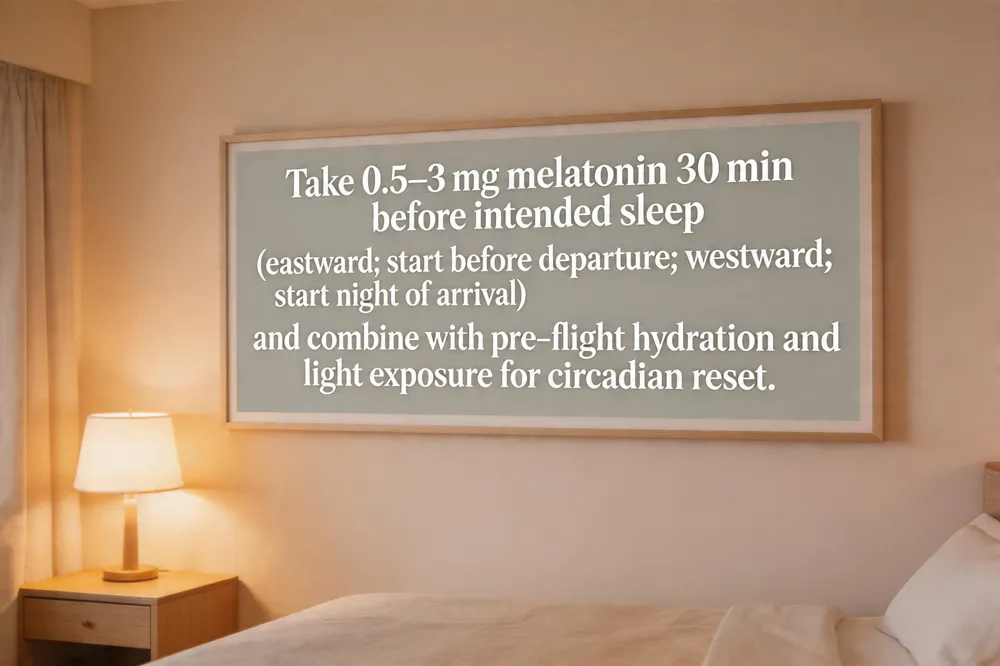
Melatonin, the body’s natural sleep hormone, is the most widely recommended medication for resetting the circadian clock after crossing time zones. A low dose (0.5–3 mg) taken after dark on the first night of travel—ideally 30 minutes before the intended sleep time—helps signal the brain that it is nighttime. For eastward travel, where the internal clock must be advanced, start melatonin a few evenings before departure; for westward trips, begin on the night of arrival. The supplement should be continued for 2–3 nights until a regular sleep pattern re‑establishes.
Prescription sleep medications
When melatonin alone is insufficient, short‑acting prescription hypnotics such as zolpidem (Ambien) or zopiclone (Imovane) can be used at bedtime after arrival. These agents promote rapid sleep onset but may cause next‑day drowsiness, dizziness, or gastrointestinal upset, especially if taken late at night. They are contraindicated in individuals with uncontrolled epilepsy, severe liver disease, or those on anticoagulants. Always consult a physician before using prescription sleep aids.
Hydration timing before boarding
Dehydration worsens jet‑lag symptoms by impairing cerebral perfusion and slowing melatonin metabolism. Begin hydration 60–90 minutes before the flight: sip 12–16 oz of water mixed with a modest electrolyte blend (sodium ≈ 720 mg, potassium ≈ 220 mg) to offset the fluid loss that typically amounts to 0.5 L per five‑hour flight. Finish the bulk of fluid intake one to two hours before boarding to reduce bathroom trips during the flight, then continue sipping small amounts (≈ 8 oz per hour) throughout the journey.
Safety considerations for sleep aids
Both melatonin and prescription hypnotics should be used with caution in patients with underlying health conditions. Melatonin may interact with anticoagulants and antiplatelet agents, while prescription sleep pills can exacerbate respiratory depression in individuals with sleep‑apnea or chronic obstructive pulmonary disease. Travelers with heart failure, severe kidney disease, or active infections should undergo a brief medical screening before receiving any sleep‑aid regimen.
Putting it all together
A holistic approach—pre‑flight hydration, timed melatonin (or a short‑acting prescription if needed), avoidance of caffeine/alcohol, and exposure to natural light after arrival—offers the most reliable relief from jet lag. For those who experience pronounced fatigue, an IV hydration session (30–60 minutes) before or after the flight can replenish electrolytes and deliver B‑complex vitamins, magnesium, and vitamin C, further supporting energy metabolism and sleep quality. Always discuss your travel plan with a qualified clinician to personalize dosing, timing, and safety monitoring.
International Travel Wellness and Practical Planning
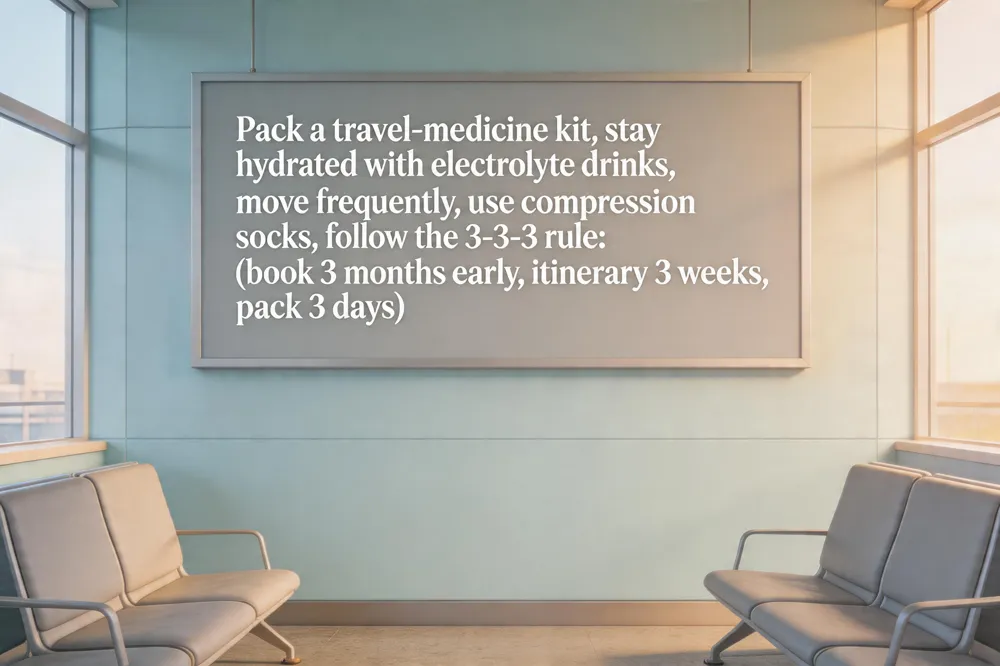 Traveling across continents can be exhilarating, but the dry cabin air (10‑20 % humidity) quickly saps fluids, amplifying fatigue and jet‑lag. Start by prioritizing hydration: sip a refillable bottle of water‑plus‑electrolytes before boarding, continue steady sips during the flight, and re‑hydrate with a balanced electrolyte drink after landing. Pack a compact travel‑medicine kit that includes pain relievers, motion‑sickness tablets, allergy meds, electrolyte packets, and a sanitizer with ≥ 60 % alcohol for frequent hand‑washing. Keep circulation moving—walk the aisles, stretch in the bathroom, use compression socks, and schedule short walks or light jogs each day. For skin and immune protection, apply a lightweight, antioxidant‑rich moisturizer, consider a quick spa treatment such as a massage or sauna, and supplement with IV blends that contain magnesium, vitamin C, zinc, and B‑complex vitamins for rapid re‑hydration and immune support. Follow the 3‑3‑3 rule: book flights 3 months early, finalize itineraries 3 weeks before departure, and pack 3 days ahead. This organized approach reduces stress, saves money, and ensures you arrive refreshed and ready to enjoy your destination.
Safety, Accessibility, and Choosing an IV Provider
 Before any infusion, a qualified clinician conducts a brief medical screening to identify contraindications such as uncontrolled hypertension, severe heart or kidney disease, active infection, or known allergies to IV components. During the session, sterile technique—single‑use catheters, antiseptic skin prep, and aseptic handling—protects against infection, while trained nurses monitor vital signs and watch for signs of infiltration or allergic reaction. Mobile IV services bring this care to hotel rooms or airport lounges, offering convenience for tight travel schedules; typical costs range from $150‑$250 for basic hydration to $200‑$400 for specialized blends. Jana HealthCare, located in Brooklyn, NY, provides physician‑directed, FDA‑compliant IV therapy with experienced nurses, ensuring safe, personalized treatment for travelers.
Balancing Comfort and Health on the Skies
Long‑haul cabins dry to only 10‑20 % humidity, causing up to 1–2 L of fluid loss and worsening jet‑lag symptoms such as fatigue, headaches, and brain fog. The simplest defense is to sip water (≈8 oz per flight hour) plus electrolytes before boarding, avoid alcohol and caffeine, and move the legs every hour. If you feel dehydrated, have a mild headache, or are a frequent flyer with a demanding schedule, consider a 30‑45‑minute IV hydration session—saline with magnesium, B‑complex, vitamin C, and zinc can restore plasma volume, support energy metabolism, and boost immunity within minutes. Schedule the IV either 1–2 hours pre‑flight for prophylaxis or immediately after landing for rapid recovery, and continue oral fluids and light stretching to keep circulation flowing.