Getting Ready for a Safe IV Experience
Start your first IV session by “ your body and mind. Drink plenty of water (1‑2 16‑ounce bottles) the day before and add a pinch of salt 24 hours ahead to plump veins, then enjoy a balanced snack with protein and complex carbs 1‑2 hours before arrival. Complete the health questionnaire and medical review—your provider will check allergies, medications, and any heart, kidney or bleeding concerns—to tailor the formula safely. Plan to arrive at least 15 minutes early for check‑in, paperwork and a brief relaxation period. Wear loose, roll‑up‑sleeve clothing so the clinician can easily access a peripheral vein without discomfort. Finally, avoid alcohol, caffeine, and strenuous exercise the day of the appointment, and bring a book or headphones for a calm, personalized experience.
Pre‑Session Preparation & Screening
 Water intake and light meals – Arrive well‑hydrated by drinking one to two 16‑ounce bottles of water in the hours before your appointment. Pair this with a light, protein‑rich snack or balanced meal 1‑2 hours out to keep blood sugar stable and reduce dizziness during needle placement.
Medical history review and health questionnaire – A licensed provider will review a detailed questionnaire covering medications, supplements, allergies, and any chronic conditions. This screen identifies contraindications and tailors the IV formula to your goals.
Alcohol and caffeine avoidance – Skip alcohol and limit caffeine the day of the infusion; both act as diuretics and can narrow veins, making insertion harder and increasing the risk of adverse reactions.
Clothing and arrival logistics – Wear loose, roll‑up‑sleeve clothing for easy arm access and arrive at least 15 minutes early to complete paperwork and discuss any concerns. Bring a list of your medications and a comfort item (book, music, headphones) to stay relaxed.
Quick Q&A
- What to know before IV therapy? Stay hydrated, eat a light balanced meal, avoid alcohol/caffeine, wear comfortable clothing, and have your medication/allergy list ready.
- How much water to drink? One to two 16‑ounce bottles (≈ 500 ml each) before the session.
- What not to do before IV infusion? No antihistamines or vasoconstrictors, no heavy meals, no tight clothing, no strenuous activity, and no alcohol.
- Can you drink alcohol before an infusion? No—alcohol can amplify sedative effects and interfere with nutrient absorption; avoid it for at least 24 hours.
Safety Protocols & Infection Control
 For a safe IV therapy experience, clinics follow strict hand‑hygiene and PPE rules: providers wash hands or use an alcohol rub and wear gloves before touching any catheter. Aseptic technique and single‑use equipment are mandatory—needles, syringes, IV bags, tubing, and catheters are opened only once and discarded after each patient. The CDC Injection Safety Checklist reinforces these steps: disinfect vial septa, use a new needle and syringe each time a vial is accessed, and dedicate all tubing to a single patient. Before starting the infusion, two staff members verify the medication, fluid type, dosage, and infusion rate, and the IV line is primed to eliminate air bubbles. Throughout the session, vital signs are monitored and the insertion site is inspected for signs of infection or infiltration. Post‑infusion care includes a brief observation period, hydration, and avoiding alcohol or strenuous activity for several hours to support optimal nutrient absorption and reduce side‑effects.
Common Complications & How to Recognize Them
 When you begin IV therapy, the most frequent issues you may encounter are Infiltration, phlebitis, dislodgement, and occlusion. Infiltration occurs when the infused solution leaks into surrounding tissue, causing swelling, coolness, and a feeling of fluid buildup; it is the most commonly seen problem with peripheral IVs. Phlebitis is inflammation of the vein wall, often marked by redness, warmth, tenderness, and a visible vein that may feel firm—caused by catheter irritation or the medication itself. Dislodgement happens when the catheter is unintentionally pulled out or displaced, leading to a sudden loss of flow and possible bruising. Occlusion refers to a blockage in the line, which can be felt as a loss of pressure or a “dry” pump and may require flushing or replacement.
What are three of the four most common complications of IV therapy? Infiltration, phlebitis, and dislodgement are three of the four most frequent issues; the fourth is occlusion.
What are the 5 rules of IV administration? 1. Right patient – verify two identifiers. 2. Right medication – match label, concentration, and expiration. 3. Right dose – double‑check volume or rate. 4. Right route – use the correct access type and ensure patency. 5. Right time – administer at the prescribed time and monitor throughout.
Post‑Infusion Care & Recovery
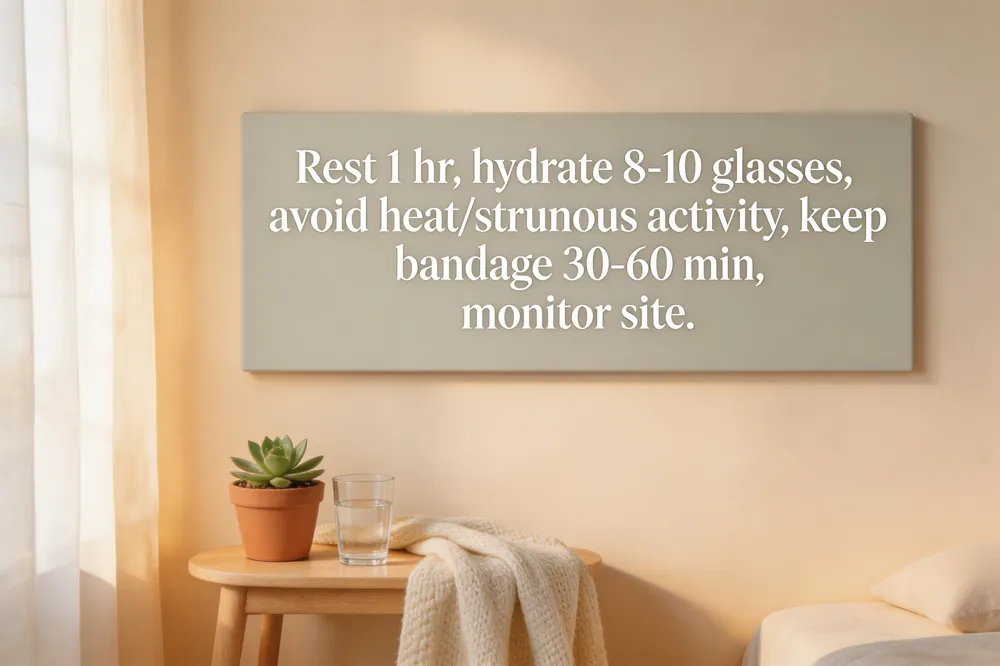 Rest and observation – After the 30‑60 minute infusion, give yourself a calm period of at least one hour. Your body is processing the nutrients and fluid shift, so sitting or lying down helps prevent dizziness, fatigue, or mild nausea. If any unexpected symptoms arise, call your clinic’s nurse before resuming normal activities.
Hydration recommendations – Drink 8‑10 glasses of water throughout the day to support the 90‑100 % absorption advantage of IV therapy. Continue sipping water for the next 24 hours, especially if the session included high‑dose vitamins or electrolytes.
Activity and heat restrictions – Avoid strenuous exercise, heavy lifting, and intense workouts for the first 24 hours to protect the vein and reduce bruising. Skip hot baths, saunas, and prolonged sun exposure, as heat can dilate vessels and increase bleeding risk.
Bandage and site monitoring – Keep the small bandage on for at least 30‑60 minutes after line removal. Watch the insertion site for redness, swelling, pain, or discharge; report any concerning changes promptly.
Should you rest after an infusion? Yes—plan to rest for a few hours to minimize side‑effects and allow proper hydration.
What not to do after IV drip? Do not remove the bandage early, avoid heavy activity, heat, alcohol, excessive caffeine, smoking, and refrain from driving if you feel light‑headed.
Understanding IV Therapy Indications & Benefits
 IV therapy is most useful for people who can’t get enough nutrients or fluids by mouth—those with malabsorption, severe deficiencies, chronic illness, or acute dehydration after illness or intense exercise. A 30‑60‑minute infusion delivers 90‑100 % of vitamins and minerals directly to the bloodstream, providing rapid hydration (the body is ~60 % water) and faster symptom relief compared with oral supplements (20‑50 % absorption). Conditions routinely treated by infusion include autoimmune diseases (rheumatoid arthritis, Crohn’s), neurological disorders (multiple sclerosis, migraines), immune deficiencies, and cancer‑related fatigue.
Is IV therapy good for you? It helps when oral intake is insufficient or rapid re‑hydration is needed; otherwise a balanced diet is usually enough.
What diseases are treated with infusion therapy? Autoimmune, gastrointestinal, neurological, hematologic, and certain cancers.
Is IV hydration worth it? Beneficial for dehydration or electrolyte loss, but most healthy people achieve similar results with water and diet.
Vitamin IV pros and cons Pros: immediate delivery, bypasses gut issues; cons: infection risk, possible vitamin toxicity, high cost, limited evidence for wellness claims.
5 R’s of IV fluid therapy Resuscitation, Routine maintenance, Replacement, Redistribution, Reassessment.
Operational Checklist for the First Session
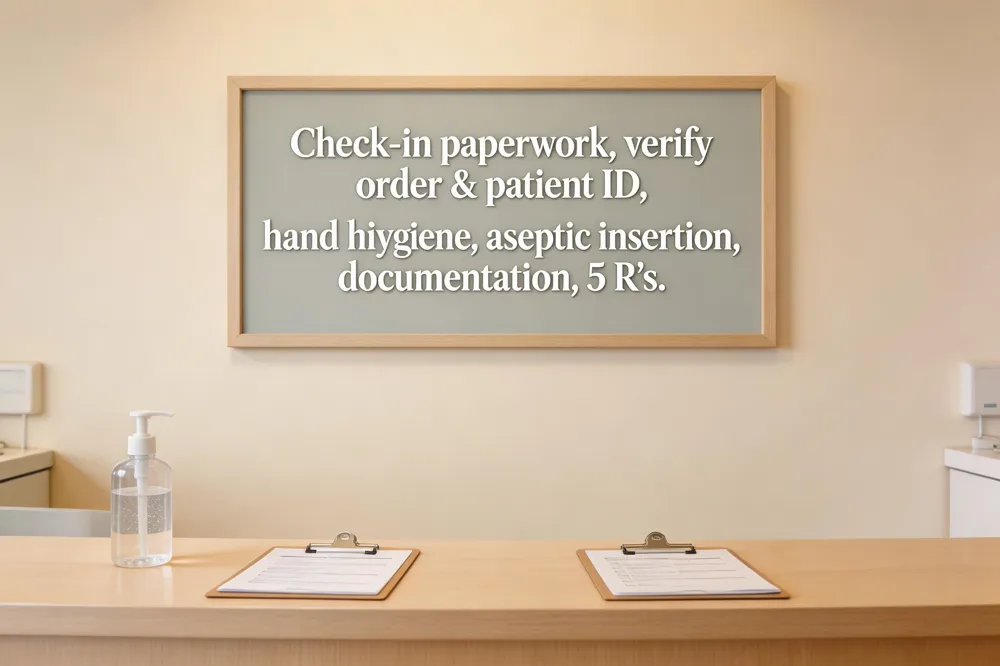 Check‑in paperwork and consent
Arrive 15 minutes early, complete the health questionnaire, sign the consent form, and present a photo ID. This verifies identity and captures any allergies or medications.
IV insertion checklist with rationale
- Verify the provider’s order and two patient identifiers – prevents wrong‑patient errors.
- Review allergies to antiseptics, latex, or adhesives – avoids reactions.
- Perform hand hygiene, don clean gloves, and gather all supplies – maintains sterility.
- Apply a tourniquet, clean the site with chlorhexidine or 70 % alcohol, and insert the catheter at a 10‑15° angle – dilates the vein, reduces infection risk, and promotes flashback.
- Secure the catheter, flush with saline, label the site, and document – ensures patency and creates a legal record.
Medication verification and infusion rate
Double‑check the medication name, dose, expiration, and patient name before attaching the pre‑filled syringe. Set the pump to the prescribed rate (30‑60 min total infusion).
Monitoring vitals and documentation
Record baseline blood pressure, heart rate, and oxygen saturation; repeat checks during the drip. Note start/end times, volume infused, and any reactions. Dispose of sharps in a biohazard container and update the patient’s chart.
Key safety rules
Right patient, right medication, right dose, right route, right time – the five R’s that guide every IV therapy session.
Your Safe IV Journey Starts Here
Before you step into Jana HealthCare, a thorough safety checklist protects you at every turn. Hand hygiene, sterile single‑use needles, antiseptic skin preparation, and a dedicated IV line are standard—mirroring CDC and state guidelines. A licensed nurse or practitioner reviews your medical history, allergies, and medications, then verifies the exact composition of your drip with a second staff member, ensuring the "right patient, right drug, right dose, right route, right time" principle. Your personalized care plan is crafted after this detailed intake, aligning nutrients with your wellness goals—whether you seek hydration, immune support, or a glow‑enhancing blend. Feel empowered to ask any question about the formula, the procedure, or post‑infusion care; open dialogue is key to a safe, confident, and rejuvenating IV experience.