Introduction: The Rise of IV Vitamin Therapy
The story of intravenous (IV) vitamin therapy begins in the 1830s when Dr. Thomas Latta used saline infusions to treat dehydration in cholera patients, laying the groundwork for modern nutrient drips. Today, the appeal lies in its near‑100 % bioavailability: bypassing the gastrointestinal tract and first‑pass liver metabolism, IV delivery can achieve plasma vitamin‑C levels up to 100‑fold higher than oral dosing, allowing rapid correction of deficiencies and high‑dose antioxidant effects. This scientific edge has propelled IV vitamin cocktails—often marketed as Myers’ Cocktail—into boutique wellness clinics, where they are promoted for energy, skin hydration, migraine relief, and “immune‑boosting” benefits. While the cost ($100‑$300 per session) and lack of insurance coverage make it a premium service, personalized formulations and the promise of immediate, measurable nutrient levels keep the trend growing among health‑conscious consumers seeking both therapeutic and aesthetic optimization.
Evidence Landscape: What Clinical Trials Reveal
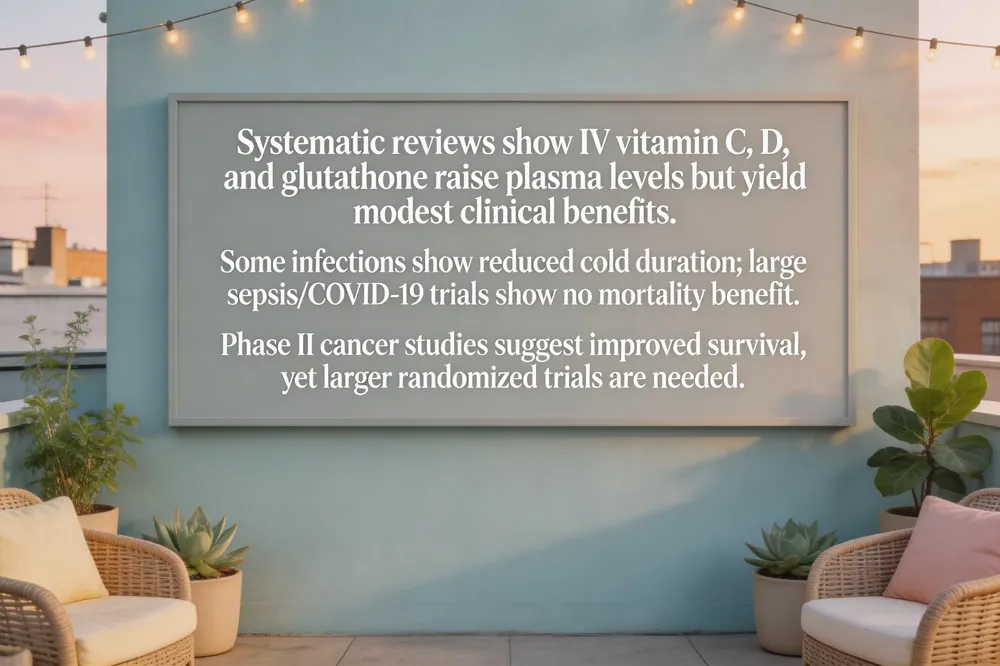 Systematic reviews of intravenous micronutrients consistently show that high‑dose IV vitamin C, vitamin D, and glutathione can raise plasma levels far above oral limits, but the clinical impact is modest. Randomized trials in infections have produced mixed results: a 2022 double‑blind study reported a 30% reduction in cold duration with a 10‑g vitamin C infusion, yet larger sepsis and COVID‑19 trials (LOVIT‑COVID, LOVIT) found no mortality benefit and even a slight increase in organ dysfunction. Cancer research is more promising for adjunctive use; phase II studies in pancreatic and metastatic solid tumors reported doubled median survival when high‑dose IV vitamin C was added to chemotherapy, but these findings await confirmation in larger, controlled trials. Limitations dominate the evidence base—small sample sizes, heterogeneous dosing, lack of blinding, and strong placebo effects reduce confidence in many claims.
Is there evidence for IV vitamins? High‑quality evidence supports IV delivery only for specific medical conditions such as severe deficiencies, Wernicke’s encephalopathy, and as an adjunct in some cancer regimens. Wellness claims like “energy boost” lack robust data and carry safety concerns.
Research on IV vitamin therapy remains limited to small, often uncontrolled studies; promising signals exist for quality‑of‑life improvements, but large, rigorous trials are scarce, and regulatory approval for routine wellness is absent.
Does IV therapy boost the immune system? In nutrient‑deficient individuals, IV infusions can modestly enhance immune cell function by delivering vitamins C, B‑complex, zinc, or glutathione directly to the bloodstream. The effect is modest, best viewed as a complement to a balanced diet, exercise, sleep, and stress management rather than a stand‑alone solution.
Immune Support: High‑Dose Vitamin C and Customized Drips
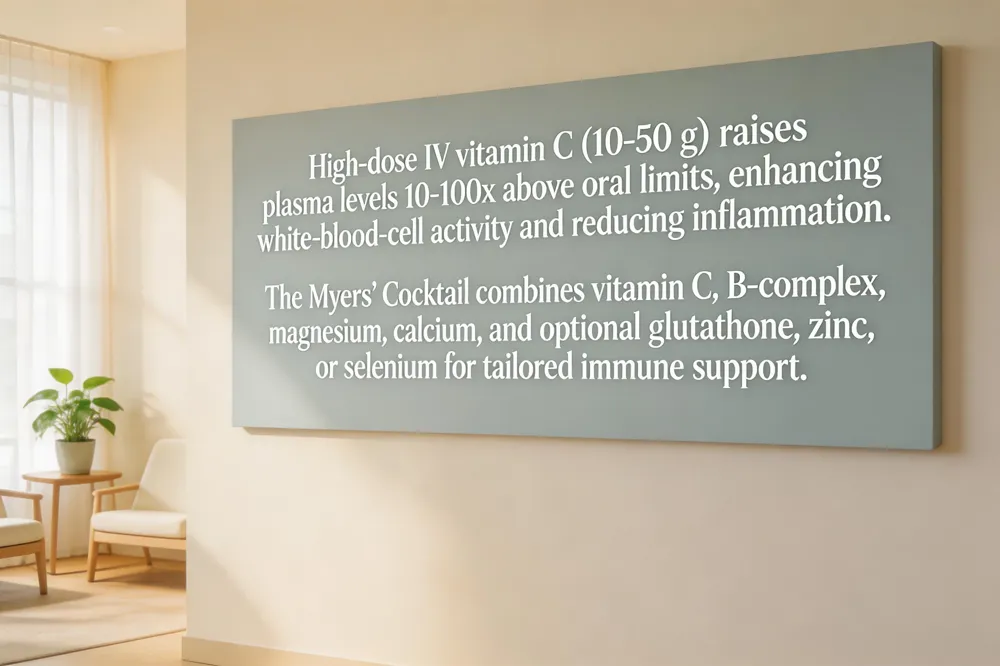 High‑dose intravenous vitamin C quickly raises plasma concentrations to levels 10‑100‑fold higher than any oral regimen, delivering a powerful antioxidant surge. In clinical settings these spikes have been linked to enhanced white‑blood‑cell activity, reduced inflammatory markers, and better collagen synthesis, which can support skin health and wound healing. Small oncology studies report improved quality of life and less fatigue when IV vitamin C is added to chemotherapy, although definitive tumor‑killing evidence is still pending.
The most popular immune‑boosting formulation is the “Myers Cocktail”, a personalized blend that typically includes 10‑15 g vitamin C, a full B‑complex, magnesium, calcium, and optional glutathione, zinc, or selenium. This mix provides 100 % bioavailability, rapidly replenishes deficient nutrients, and can be tailored to each patient’s laboratory results and health goals.
Safety data show that IV vitamin C is well tolerated when administered by qualified clinicians using sterile technique. Contra‑indications include severe kidney disease, G6PD deficiency, and hemochromatosis. Routine monitoring of renal function and electrolytes is recommended, and infusion‑related risks—infection, phlebitis, or fluid overload—are minimized in a medical setting. When appropriately screened and supervised, high‑dose IV vitamin C and customized drips are generally safe adjuncts for immune support.
Safety and Contraindications
 IV vitamin therapy is generally well‑tolerated, but patients should know the possible side‑effects and who may be better off avoiding it. Side effects of IV vitamin therapy are usually mild and temporary: bruising, swelling, redness, or brief pain at the insertion site; occasional flushing, nausea, headache, or light‑headedness that resolve within hours. Disadvantages of IV therapy include discomfort at the needle site, risk of infection or sepsis if sterility is breached, allergic reactions ranging from rash to rare anaphylaxis, fluid overload, electrolyte imbalance, and mineral toxicity—especially in those with heart or kidney disease. The cost can be high and evidence of benefit for healthy individuals is limited. Who should not get IV vitamin therapy: anyone with uncontrolled diabetes, severe cardiac or renal failure, active infection, known allergy to any infusion component, or medications that could interact with high‑dose vitamins (e.g., certain chemotherapies or anticoagulants). Healthy people without documented deficiencies should weigh risks against unproven wellness claims. IV vitamin therapy guidelines call for thorough screening, sterile compounding, weight‑based dosing, continuous vital‑sign monitoring during the 20‑60‑minute infusion, and immediate access to emergency equipment. All sessions must be documented for safety and quality assurance.
Therapeutic Benefits Beyond Immunity
 IV vitamin therapy delivers nutrients directly into the bloodstream, Bypasses gastrointestinal tract for near‑100 % bioavailability. This rapid, high‑absorption supplementation can boost energy and reduce fatigue within minutes, as cells receive an immediate surge of B‑complex vitamins, magnesium and electrolytes that support metabolism and muscle function. For skin health, the infusion of high‑dose vitamin C, glutathione, zinc and omega‑3 fatty acids hydrates dermal cells, neutralizes free‑radical damage, and stimulates collagen synthesis, leading to a plumper, more radiant complexion and softer fine lines. The therapeutic effects are typically felt right after the 30‑minute to 1‑hour session and last about three to four days, with some nutrients (e.g., vitamin C) supporting immune function for several days. The feeling of “being good” stems from instant re‑hydration, electrolyte balance, and the antioxidant‑driven reduction of inflammation, which together create a noticeable boost in vitality and a calm, rejuvenated state. For sustained wellness, clinicians often recommend repeat infusions every one to two weeks, tailored to each individual’s health goals.
Cost, Access, and Practicality
 Pricing structures – In the United States a standard IV mix such as the Myers’ Cocktail typically runs $100‑$250 per session; high‑dose vitamin C (e.g., 25‑50 g vitamin C, glutathione) can cost $250‑$500. Urban wellness clinics (NYC, LA) often charge 20‑30 % more than suburban or rural locations, where basic hydration drips start at $85‑$120. Many providers offer package discounts or member rates that trim $20‑$80 off each infusion.
Geographic cost variation – For example, Jana HealthCare in Brooklyn, NY offers a modern suite where the Myers’ Cocktail and high‑dose vitamin C infusions are priced within the national range, but the clinic’s proximity to Manhattan and its cosmetic‑dermatology tie‑ins can push prices toward the higher end of the spectrum.
When IV therapy is worthwhile – IVs are clinically justified for severe dehydration, malabsorption syndromes, or rapid electrolyte correction (e.g., post‑surgery, vomiting, diarrhea). For routine colds or mild fatigue, oral rehydration and diet are far cheaper and equally effective; the marginal benefit of a “boost” must be weighed against infection risk, vein irritation, and out‑of‑pocket expense. In short, IV vitamin therapy shines in medically indicated situations, but for general wellness its cost‑effectiveness remains uncertain.
Historical Roots and the Rise of Wellness Clinics
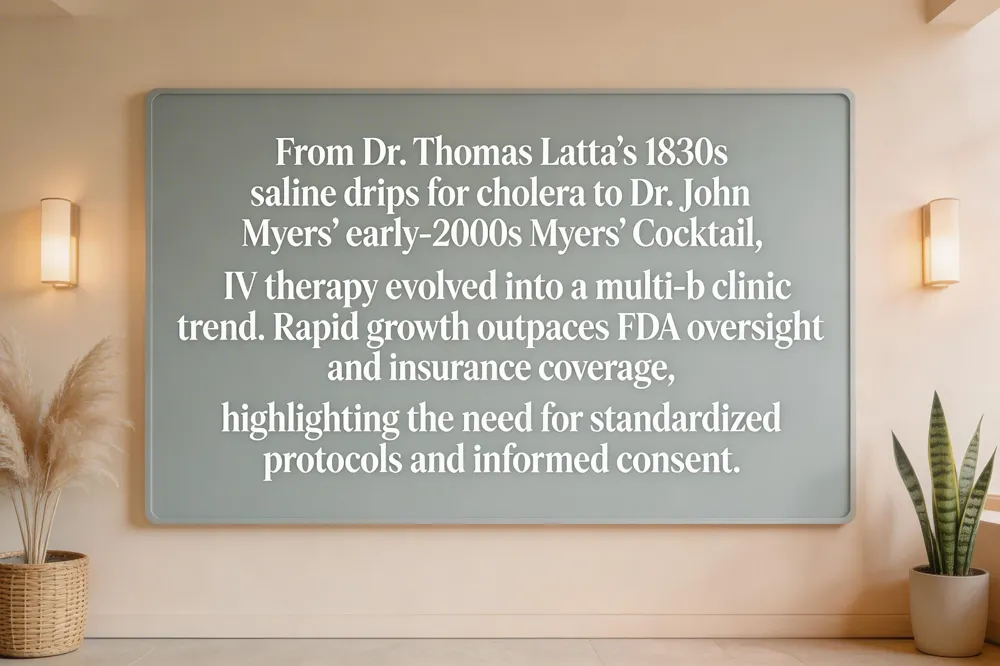 The story of intravenous therapy began in the 1830s when Dr. Thomas Latta used saline infusions to combat fatal dehydration in cholera patients, demonstrating that direct vascular delivery could rapidly restore fluid balance. Over a century later, the concept evolved into the modern "Myers’ Cocktail," a customized blend of vitamins, minerals and antioxidants first popularized by Dr. John Myers in the early 2000s to address chronic fatigue, migraines and skin hydration. While anecdotal reports have fueled a booming wellness‑clinic market, the rapid expansion raises regulatory and ethical red flags: the FDA does not evaluate most IV nutrient claims, insurance rarely covers the $100‑$300 per session cost, and the lack of standardized dosing protocols can compromise safety. Qualified clinicians must therefore balance personalized care with strict aseptic technique, informed consent and transparent communication about the limited high‑quality evidence supporting routine IV vitamin use in healthy individuals.
Future Research Priorities and Emerging Trials
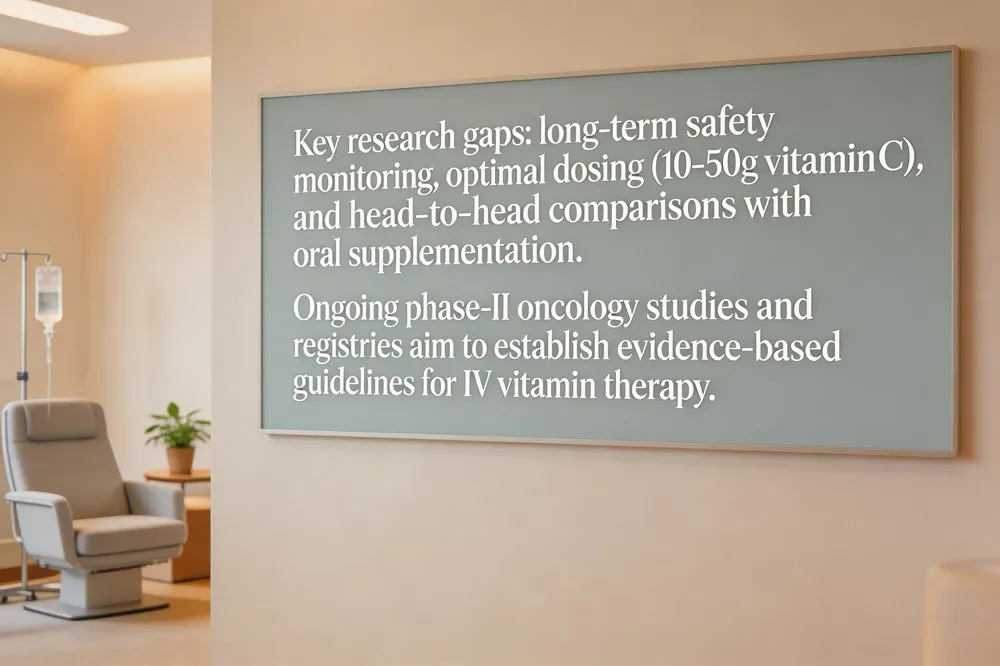 To move intravenous (IV) vitamin therapy from a wellness trend to a rigorously validated medical option, researchers are focusing on three key areas. First, long‑term safety studies are needed to track rare adverse events such as kidney injury, electrolyte disturbances, or vein complications over months and years of repeated infusions. Second, optimal dosing strategies must be defined; current protocols range from 10 g to 50 g of vitamin C per infusion, yet the most effective dose that balances immune and antioxidant benefits against toxicity remains unknown. Third, head‑to‑head trials comparing IV vitamin therapy with high‑quality oral supplementation are essential to determine whether the near‑100 % bioavailability of IV therapy translates into clinically meaningful outcomes for nutrient deficiencies, immune support, or oncology adjuncts. Ongoing phase‑II studies (e.g., high‑dose vitamin C with chemotherapy) and upcoming registries will begin to answer these questions, guiding evidence‑based guidelines and personalized care.
Practical Guide: What to Expect at Jana HealthCare
 Scheduling your IV vitamin session at Jana HealthCare begins with a brief online or phone intake form where you’ll report any medical conditions, current medications, and the specific wellness goals you hope to achieve (e.g., energy boost, skin hydration, or migraine relief). Once the appointment is confirmed, a licensed nurse greets you in a clean, private infusion suite and reviews the customized formulation—often a Myers’ Cocktail or a high‑dose vitamin C blend—explaining the near‑100 % bioavailability and why the gastrointestinal tract is bypassed. The infusion itself usually lasts 30‑45 minutes; you can relax, read, or listen to music while the sterile line delivers the nutrients. Afterward, staff advise you to stay hydrated, monitor for mild vein irritation, and schedule your next session, typically 1‑2 weeks apart, while noting any symptom changes for future adjustments.
Conclusion: Balancing Promise and Prudence
Key takeaways: Intravenous vitamin therapy offers near‑100 % bioavailability, rapidly correcting deficiencies in malabsorption conditions and delivering plasma vitamin C levels up to 100‑fold higher than oral dosing. High‑dose IV vitamin C (25‑50 g) has shown immune‑modulating and antioxidant benefits in clinical settings, and early cancer trials suggest possible survival gains when combined with chemotherapy. However, robust randomized data for healthy, wellness‑seeking individuals are lacking, and the therapy carries real risks—infection, vein irritation, electrolyte shifts, and rare allergic reactions.
Patient guidance: Consider IV nutrients only when a documented deficiency exists or when a physician orders them for a specific medical indication. Choose licensed providers who follow sterile techniques, discuss costs (typically $100‑$300 per session) and insurance coverage, and weigh alternatives such as a nutrient‑dense diet, regular exercise, adequate sleep, and stress‑reduction strategies.
Future outlook: Ongoing phase‑II/III trials aim to clarify long‑term safety, optimal dosing, and comparative effectiveness versus oral supplements. Until high‑quality evidence emerges, IV vitamin therapy should remain a targeted, medically supervised option rather than a routine wellness shortcut.