Understanding the Importance of Timely Cardiology Consultations
Heart Disease Prevalence in the United States
Heart disease remains the leading cause of death in the U.S., accounting for nearly one-third of all deaths. Every 36 seconds, someone in the country dies from cardiovascular disease, underscoring its widespread impact on public health.
Early Detection Saves Lives
Early recognition of symptoms such as chest discomfort, shortness of breath, or unusual fatigue can prevent progression to severe cardiac events. Many heart conditions develop subtly, making timely check-ups essential to catch issues before they escalate.
The Cardiologist's Role in Heart Health
Cardiologists specialize in diagnosing and managing heart diseases, including coronary artery disease, arrhythmias, and heart failure. They utilize advanced diagnostic tests—like EKGs, echocardiograms, and stress tests—to tailor personalized treatment plans. Their expertise helps optimize heart function, reduce risk factors, and improve long-term outcomes through a combination of medical management, lifestyle guidance, and, if necessary, surgical interventions.
Key Symptoms and Warning Signs Indicating the Need for a Cardiology Check-Up
What symptoms indicate it is time to see a cardiologist?
Chest pain or pressure, especially when it worsens with physical activity or radiates to areas such as the shoulders, jaw, or back, is a critical symptom that warrants prompt evaluation by a cardiologist. This type of chest discomfort often signals coronary artery disease or an early heart attack.
Persistent shortness of breath or unexplained fatigue may be early signs of heart failure and should not be overlooked, even if attributed to aging or lack of fitness. Swelling in the legs, feet, or abdomen is often a sign of fluid retention linked to heart failure and volume overload.
Heart palpitations or irregular heart rhythms such as atrial fibrillation can lead to increased stroke risk and require medical assessment. Symptoms like dizziness, fainting, or weakness also necessitate cardiology consultation.
A strong family history of early heart disease—occurring before age 55 in men or 65 in women—increases an individual’s personal risk and highlights the need for specialized cardiovascular evaluation. These symptoms combined with risk factors such as high blood pressure, diabetes, smoking, and high cholesterol emphasize the importance of early detection and ongoing heart health monitoring.
What are five warning signs of heart disease according to experts?
Experts identify five main warning signs of heart disease:
- Chest pain or discomfort: This may feel like pressure, tightness, or heaviness and can radiate to the neck, arms, jaw, or back, particularly during exertion.
- Shortness of breath: Often a sign of heart failure or reduced cardiac function, it can occur during activity or even at rest.
- Unexplained fatigue and weakness: These non-specific symptoms may indicate decreased heart efficiency.
- Irregular heartbeats or palpitations: Rapid, skipped, or fluttering heartbeats can reflect arrhythmias that increase stroke risk.
- Swelling in lower extremities: Fluid accumulation due to heart failure manifests as swollen legs, ankles, and feet.
Other symptoms such as dizziness, nausea, and radiating pain—especially in women—should prompt immediate evaluation to prevent serious events like heart attack or stroke.
Recognizing these warning signs early and consulting a cardiologist can lead to timely diagnosis, personalized care, and improved outcomes for heart health.
Recognizing the Signs Before a Heart Attack: What to Watch For
What are common signs and symptoms before a heart attack?
The most recognized warning sign of a heart attack is chest pain or discomfort, often described as pressure, squeezing, fullness, or a feeling of tightness in the chest. This pain typically lasts more than 15 minutes and can radiate to other parts of the body, including the shoulders, arms, neck, jaw, or upper abdomen. Accompanying symptoms frequently include cold sweats, shortness of breath, nausea, and lightheadedness.
What are atypical symptoms, especially in women?
Women often experience less typical signs that can include sharp or unusual pains in the neck, back, or arm, and symptoms that may be mistaken for less severe conditions such as indigestion or fatigue. These atypical warnings may also involve nausea, sudden onset of weakness, or palpitations without chest pain, making awareness especially important.
Why is chest pain and radiating pain significant?
Angina, or chest pain that worsens with activity and improves with rest, is a hallmark symptom of coronary artery disease and may precede a heart attack. Radiating pain is a warning that the heart muscle may be losing oxygen due to blocked arteries. Prompt recognition of these symptoms allows for urgent evaluation and intervention, potentially preventing a full heart attack.
What is the importance of urgent medical care?
A heart attack is a medical emergency. Immediate treatment is critical to restore blood flow to the heart and minimize tissue damage. Early symptoms can appear hours or even weeks before an attack, and urgent medical care at this stage can save lives. If any warning signs arise, especially chest pain or discomfort with associated symptoms, seek emergency medical assistance without delay.
When and Why to Start Seeing a Cardiologist: Age and Risk Factors
At what age should you start seeing a cardiologist?
The best time to start cardiology visits depends on your personal risk profile and family background. The American Heart Association suggests that adults begin cardiovascular disease prevention and heart health screenings as early as age 20. This helps catch risk factors like elevated blood pressure, cholesterol, and diabetes before they cause damage.
For most adults, especially those over 40, it's advisable to have annual heart health check-ups. This becomes increasingly important as age-related changes in arteries and heart function raise the risk of heart disease.
Older adults, particularly those aged 65 and above, should maintain regular Signs you should see a cardiologist because of the natural progression of cardiovascular changes with aging. However, if you experience symptoms such as chest discomfort, unexplained shortness of breath, or palpitations at any age, you should seek evaluation immediately no matter your age.
Impact of family history and genetics
Family history is a crucial factor in determining when to initiate cardiology care. Early onset heart disease in close relatives (before age 55 for men and 65 for women) significantly elevates personal risk. Genetic predispositions often influence cholesterol levels, blood pressure control, and arterial health, which may require earlier and more frequent cardiology monitoring.
High-risk groups including diabetes and hypertension
Conditions like diabetes and high blood pressure increase the likelihood of developing heart disease even before symptoms arise. These groups benefit from early and ongoing Signs you should see a cardiologist to detect structural or functional heart changes early and implement preventive strategies.
Importance of early screening and ongoing monitoring
Routine screenings for blood pressure, cholesterol, and blood sugar, combined with regular cardiovascular evaluations, allow for timely interventions. Detecting problems early through tests like Electrocardiogram (ECG or EKG), Echocardiogram, and Exercise cardiac stress test helps prevent serious events like heart attacks and strokes. Ongoing monitoring tailored to your risk factors is essential to optimize heart health and longevity.
Managing High Blood Pressure and Other Risk Factors with a Cardiologist
When should someone see a cardiologist for high blood pressure?
You should see a cardiologist if your blood pressure remains consistently above 130/80 mm Hg despite efforts at lifestyle modification. Extremely high readings above 180/120 mm Hg need immediate medical attention. It is also important to consult a specialist if you experience symptoms such as chest pain or shortness of breath, or if high blood pressure leads to complications like kidney damage or stroke.
What is the impact of uncontrolled blood pressure on heart health?
Persistent high blood pressure forces the heart to work harder, which can cause thickening of the heart muscle and damage valves. This increases the risk of heart failure, heart attack, and stroke. High blood pressure often has no symptoms but silently elevates cardiovascular risk, making regular monitoring crucial.
How do cardiologists manage diabetes and cholesterol?
Diabetes raises the risk of cardiovascular disease by damaging blood vessels and promoting structural changes in the heart. Cardiologists help manage blood sugar and cardiovascular risk through comprehensive testing and treatment plans.
High cholesterol causes plaque buildup in arteries, increasing heart attack risk. Cardiologists monitor cholesterol levels and provide guidance on diet, medications, and lifestyle adjustments.
Why are lifestyle changes and medication adherence important?
Lifestyle habits such as healthy eating, regular physical activity, smoking cessation, and stress management complement medical treatments to control blood pressure, diabetes, and cholesterol. Adhering to prescribed medications helps prevent progression of heart disease and reduces complications. Collaboration with a cardiologist supports personalized care for optimal heart health.
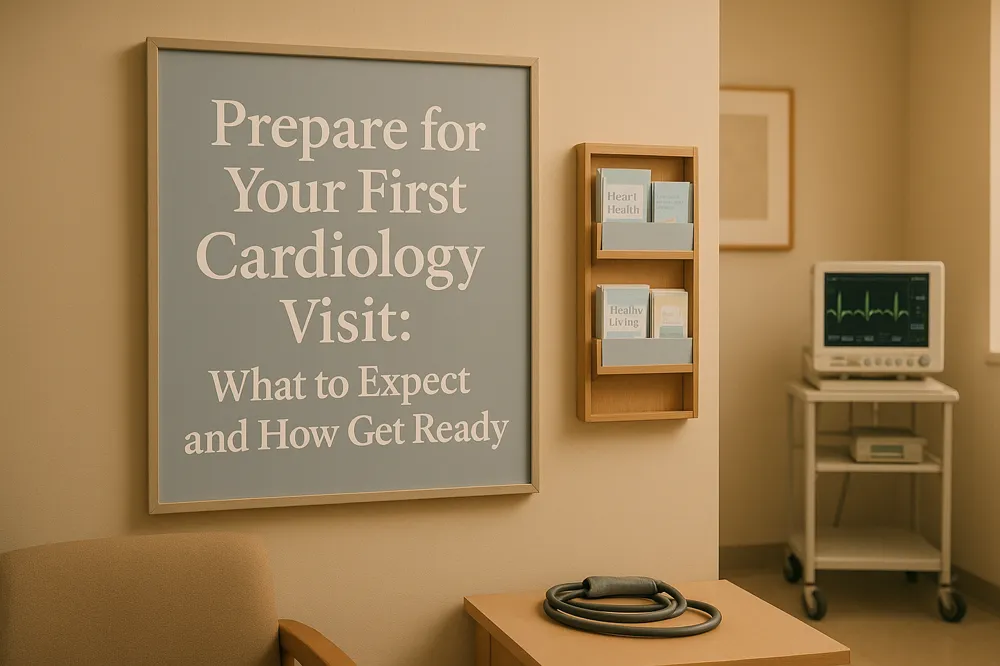
What to Expect at Your First Cardiologist Appointment and Preparing for It
How long does a first appointment with a cardiologist usually take?
A first visit to a cardiologist typically lasts about 45 minutes to an hour. During this time, the cardiologist will review your complete medical history, conduct a physical examination, and discuss any current symptoms or risk factors like family history and lifestyle habits. You may also undergo some in-office tests such as blood work, electrocardiograms (EKG), or chest X-rays to gather more information.
What should patients wear to a cardiologist appointment?
Patients are advised to wear comfortable, loose-fitting clothing that allows easy access to the chest area, such as a two-piece outfit or a top that can be easily removed. This facilitates quick and smooth diagnostic testing like an echocardiogram or stress test. It's helpful to bring a list of your current medications, any symptoms to discuss, and previous medical records or test results.
What typically happens during a first visit to a cardiologist?
Your cardiologist will begin by reviewing your medical and family history, with special attention to risk factors. The physical exam includes checking vital signs such as blood pressure and listening to your heart. Depending on the findings, you might have diagnostic tests including EKG, blood work, and possibly imaging tests like an echocardiogram. The goal is to detect any underlying heart problems early and design a personalized care plan that may involve lifestyle changes, medications, or further evaluation.
What questions should you ask your cardiologist during your first visit?
Prepare to ask about the causes of your symptoms and which tests will be performed. Discuss your family history and lifestyle to understand your heart disease risk. Ask about recommendations for diet, exercise, smoking cessation, and medication options. Also, inquire about how frequently you should have follow-ups and signs that require emergency care.
How to prepare for your cardiology visit
Arrive early to complete any necessary paperwork. Bring your medication list, symptoms journal, and past heart-related medical records. Wearing suitable clothing will make tests easier. Having a prepared list of questions will help you get the most out of the appointment. This preparation fosters a thorough evaluation and helps ensure timely management of your heart health.
Taking Control of Your Heart Health: When to Act and How to Prepare
The Importance of Early Detection and Regular Monitoring
Heart disease remains the leading cause of death, but early detection can significantly reduce risks. Regular screening — including blood pressure checks, cholesterol levels, and blood glucose tests — helps identify issues before symptoms arise. Monitoring these vital signs enables timely intervention and prevents complications like heart attacks or stroke.
Collaboration with Primary Care and Cardiologist Specialists
Your primary care provider (PCP) plays a crucial role as the first line of defense in heart health monitoring. When risk factors or symptoms appear, PCPs refer patients to cardiologists who specialize in detailed diagnosis and advanced treatments. Together, this teamwork ensures comprehensive care tailored to your unique needs.
Empowering Patients Through Knowledge and Proactive Care
Understanding heart health indicators and warning signs empowers you to take proactive steps. Recognize symptoms such as chest discomfort, unexplained fatigue, or palpitations, and promptly seek medical advice. Lifestyle changes, regular exercise, and managing conditions like diabetes and hypertension complement medical treatments, enhancing overall cardiovascular well-being. Being informed encourages confident, timely decisions to protect your heart health.