Understanding Long‑Term Care for Laser Hair Removal
Laser hair removal works best when it follows the natural hair‑growth cycle. Because only follicles in the active (anagen) phase absorb laser energy, a series of 6‑8 treatments spaced 4‑6 weeks apart is required to catch all hairs. After each session, gentle aftercare—cool compresses, fragrance‑free moisturizers, and broad‑spectrum SPF 30+ sunscreen—protects the newly‑damaged follicles and reduces redness, swelling, and pigment risk. Touch‑up appointments every 6‑12 months target newly‑emerging hairs, keeping density low and skin smooth. Supporting this regimen with a balanced diet, regular exercise, adequate sleep, stress‑management, and avoidance of heat, saunas, and plucking further enhances long‑term results and overall skin health, confidence for lasting skin health and overall well‑being and radiant appearance.
Immediate Post‑Treatment Care and Product Choices
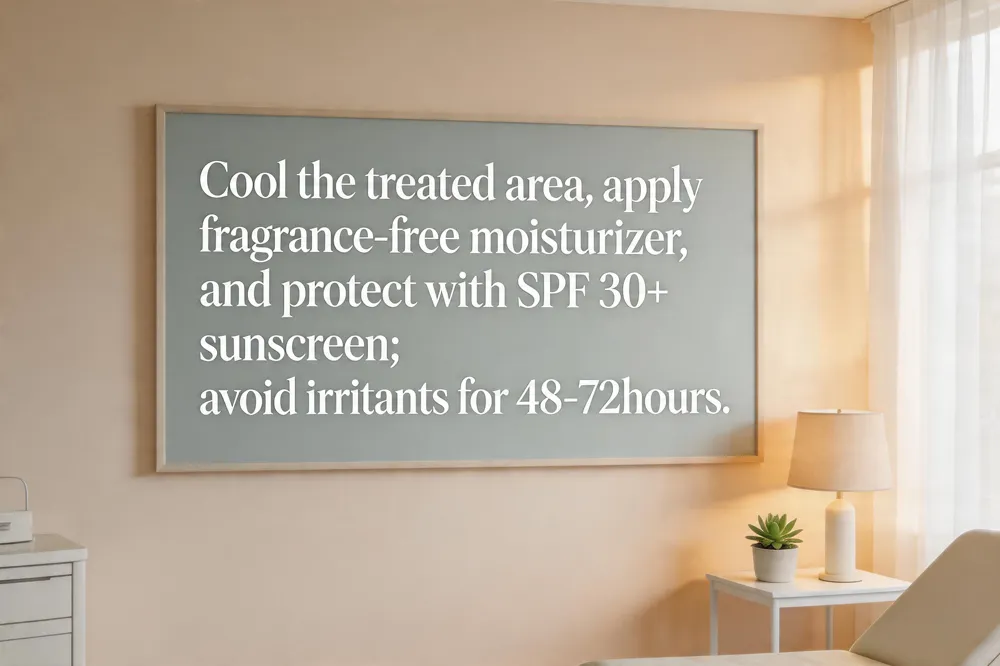 Immediately after a laser session, keep the treated area cool. Apply a thin layer of aloe‑vera gel or a gentle cool compress (wrapped ice pack) for 5‑10 minutes several times during the first 24 hours to calm redness and swelling. Follow with a fragrance‑free, non‑comedogenic moisturizer that contains barrier‑repair ingredients such as ceramides, panthenol, hyaluronic acid or aloe. Ideal options include CeraVe Healing Ointment, La Roche‑Posay Cicaplast B5, Vanicream Moisturizing Cream, or Aquaphor. Apply a thin coat 2‑3 times daily while the skin is still cool. Protect the skin from UV radiation by using a broad‑spectrum sunscreen with at least SPF 30; reapply every two hours when outdoors and continue daily for weeks after treatment. Avoid alcohol‑based toners, retinoids, AHAs/BHAs, chemical peels and harsh scrubs for at least 48‑72 hours, as they can provoke irritation and hyperpigmentation. Yes, you may use lotion after the initial 24‑48 hour cooling period—choose a fragrance‑free, soothing formula and keep the skin hydrated, while shaving only once redness has subsided.
Avoidances and Safe Practices in the First Days
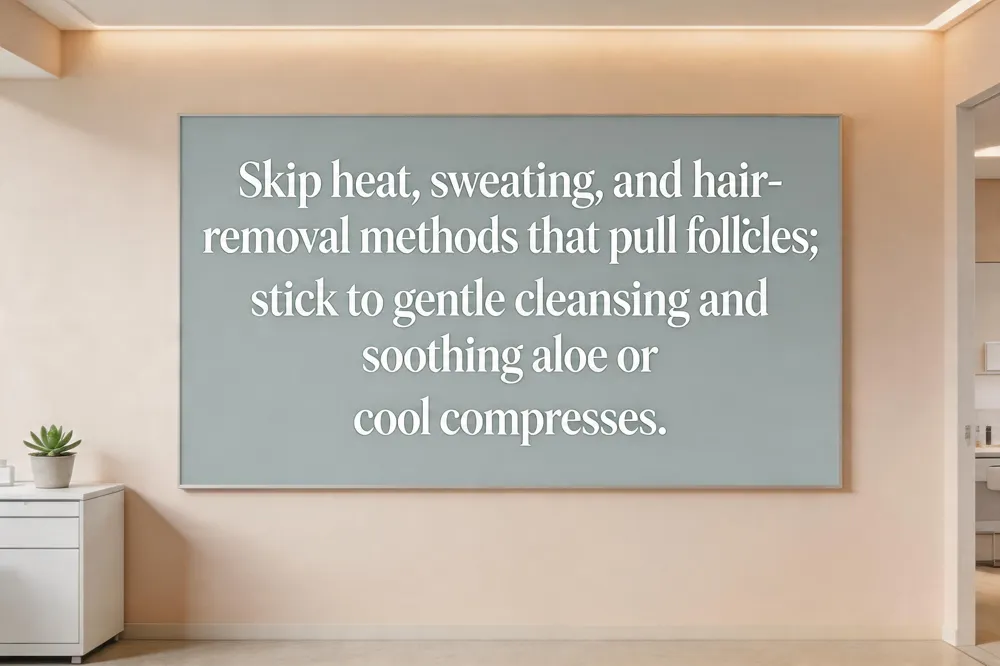 Following a laser‑hair‑removal session, keep the treated area cool, dry, and protected for the first 48 hours. Skip hot showers, baths, saunas, steam rooms, hot tubs and chlorine‑treated pools, as heat can aggravate redness and swelling. Direct sun exposure and tanning beds must be avoided; if you must be outdoors, apply a broad‑spectrum SPF 30+ sunscreen and reapply frequently. Intense exercise or activities that cause heavy sweating should be postponed for at least two days to prevent irritation. Do not wax, thread, tweeze, pluck, or use any hair‑removal method that pulls the follicle—shaving is the only safe option once the skin is no longer red. Harsh skincare ingredients such as alcohol, retinoids, strong acids (including salicylic acid), fragrances, and scented deodorants should be avoided for at least a week, preferably ten to fourteen days, until the skin fully heals. Gentle cleansing with a fragrance‑free, sulfate‑free cleanser, cool compresses or aloe vera gel, and a non‑comedogenic moisturizer help soothe the skin and support optimal recovery.
Maintenance Schedule and Long‑Term Results
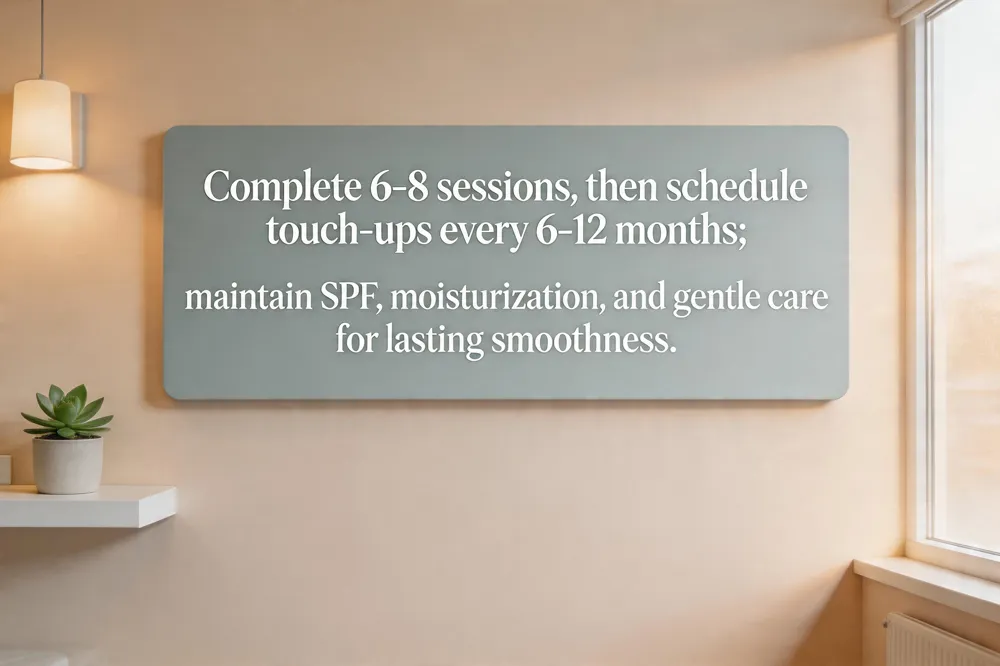 The initial laser series (usually 6‑8 sessions spaced 4‑6 weeks apart) targets follicles in the active anagen phase, gradually reducing density. After the series, hair can regrow, so touch‑up appointments are recommended every 6‑12 months to treat new growth. In the bikini area, each session typically provides 6‑12 months of smooth, hair‑free skin; most patients need 4‑6 well‑spaced treatments to achieve a 70‑90 % permanent reduction, with occasional touch‑ups every 12‑18 months. Before‑and‑after photos illustrate long‑term results: a dramatic 70‑90 % drop in hair density, finer lighter regrowth, and smoother, more radiant skin that can last five to seven years. The skin feels smoother because laser eliminates root hair, reduces ingrown hairs, and offers a mild exfoliating effect that may boost collagen. Home maintenance includes cool compresses, fragrance‑free moisturizers, gentle cleansing, SPF 30+ sunscreen, loose clothing, hydration, and avoiding heat, sweating, and harsh exfoliants for the first 48‑72 hours after each session.
Medical Considerations and Contraindications
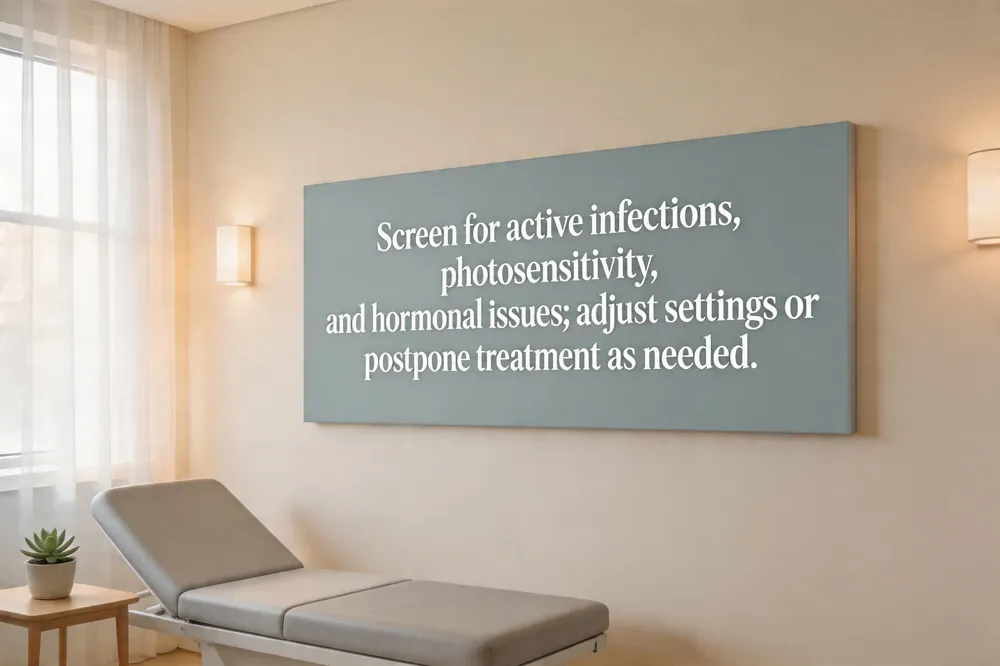 Laser hair removal is generally well‑tolerated, yet clinicians assess medical history to avoid complications. Active infections, hormonal disorders, and skin‑type mismatches can influence safety and outcomes.
Can I get laser hair removal if I have HSV‑2? Yes, provided there are no active lesions on the treatment area. An outbreak or open sore should be fully healed before the session. Your provider may prescribe short‑term antivirals and will avoid treating any ulcerated skin, reducing the risk of flare‑ups and irritation.
Can you get laser hair removal with Hashimoto’s? The disease itself isn’t a contraindication, but some thyroid medications increase photosensitivity. Discuss your medication regimen with the technician; a milder laser setting or extra cooling may be used to keep the skin comfortable.
Hormonal influences on maintenance – Pregnancy, menopause thyroid changes, and certain drugs can stimulate new growth. Regular follow‑up lets the provider adjust laser parameters and schedule touch‑ups every 6–12 months to preserve smooth skin.
A personalized plan also supports overall skin health and aesthetic wellbeing.
Lifestyle Factors Supporting Long‑Term Success
 A lasting laser‑hair‑removal result isn’t only about the technology used—it’s also shaped by everyday habits.
Balanced nutrition and hydration – Skin and follicle health thrive on a diet rich in antioxidants, vitamins A, C, E, and omega‑3 fatty acids. Think colorful fruits, leafy greens, lean protein, and plenty of water (≈2 L/day). These nutrients support collagen production and help the skin recover quickly after each session.
Adequate sleep and stress management – Hormonal fluctuations driven by poor sleep or chronic stress can trigger new hair growth. Aim for 7‑9 hours of restorative sleep and incorporate stress‑reduction techniques such as meditation, deep‑breathing, or yoga to keep cortisol levels in check.
Regular gentle exercise – Moderate activity improves circulation, delivering oxygen and nutrients to the skin and aiding the healing process. Low‑impact workouts (walking, cycling, swimming) are ideal; avoid excessive heat or intense sweating for 24‑48 hours after a laser visit.
Consistent sunscreen use, day‑round – Post‑laser skin is especially photosensitive. Apply a broad‑spectrum SPF 30+ sunscreen every morning, reapply every two hours outdoors, and wear protective clothing. This prevents hyper‑pigmentation and preserves the smoothness achieved by the laser.
By integrating these simple, wellness‑focused habits, patients can maximize their laser results and enjoy smoother skin for years to come.
Key Takeaways for Sustainable Smooth Skin
After a laser session, cool the area with a clean compress or ice pack and apply a fragrance‑free moisturizer (or a 1 % hydrocortisone‑Vaseline blend) to calm redness and support the skin barrier. For the first 24‑48 hours avoid hot showers, saunas, intense exercise, and any method that pulls the hair—waxing, threading, plucking—while shaving remains safe once swelling subsides. Schedule touch‑up appointments every 6‑12 months; each session targets new growth and keeps density low. Use a broad‑spectrum SPF 30+ sunscreen daily and choose gentle, non‑comedogenic moisturizers that reinforce the barrier. Discuss hormonal changes, medications, and lifestyle factors with your provider to personalize the plan and sustain long‑term smoothness.