
A Clear Picture Before Your First Visit
Laser hair removal is a medical procedure that uses focused light to heat hair follicles and slow future growth. It can reduce unwanted hair, but it does not guarantee that every hair will be removed or stay gone. Most people need a series of appointments, and some may need follow-up treatments as hair regrows. Mayo Clinic explains what to expect from laser hair removal.
Preparation, the treatment itself, and aftercare all shape the experience. Your provider may ask you to limit sun exposure, shave the area, or pause waxing and plucking before treatment, then give specific guidance for caring for your skin afterward.
Results and comfort vary with skin and hair characteristics, the treatment area, and the laser used. At janahealthcare.com, laser hair removal sits within a multidisciplinary medical and aesthetic practice, where care can be considered alongside a patient’s broader health needs. A qualified provider can review your skin, hair, medical history, and goals to help set a suitable plan and realistic expectations.
How Laser Hair Removal Works
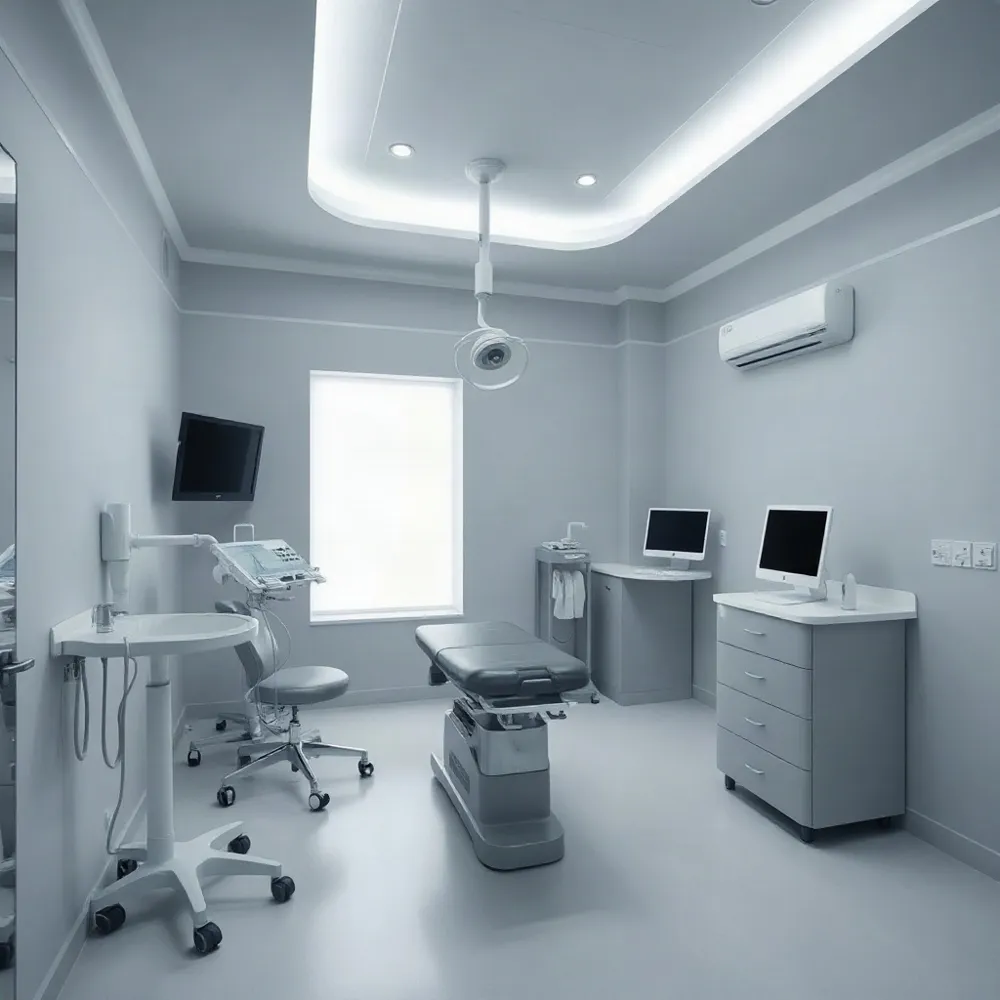
How does laser hair removal work?
Laser hair removal sends focused light into the skin. Melanin, the pigment in hair, absorbs the light and converts it to heat, which damages the follicle and slows future growth while aiming to spare surrounding skin. This process is called selective photothermolysis. Learn more about how laser hair removal works.
Hair with more pigment, especially dark hair, generally responds better because it absorbs more of the laser’s energy. Treatment can also be adapted for a range of skin tones, but choosing suitable equipment and settings matters. An experienced professional can assess skin and hair characteristics and plan treatment accordingly, as explained by the American Academy of Dermatology.
The laser works best when a follicle is in its active growth phase. Since follicles cycle through growth and rest at different times, one appointment cannot effectively treat every hair. A series of treatments gives more follicles a chance to be targeted during active growth.
Is laser hair removal permanent, and how many sessions are usually needed?
The goal is long-term hair reduction, not a guarantee that hair will never return. Some regrowth may be finer and lighter, and maintenance treatments may help manage it. As a general estimate, people may need about 6 to 10 sessions, though recommendations vary: Mayo Clinic reports that most people need 4 to 8, while Cleveland Clinic commonly describes 6 to 8.
The number and spacing of sessions depend on the treatment area, hair and skin characteristics, and individual growth patterns. Hormonal factors can also influence ongoing hair growth. At janahealthcare.com, laser hair removal is offered within a multidisciplinary medical and aesthetic practice, allowing treatment planning to sit alongside broader clinical care. A qualified provider can discuss a schedule suited to your needs and whether follow-up may be appropriate.
Preparing for the Appointment
 A consultation gives your provider a chance to review your medical history and medications, assess your skin and hair, discuss your goals, and decide whether treatment is appropriate. At Jana HealthCare, this kind of individualized planning fits its multidisciplinary approach to medical and aesthetic care. Ask about expected results, possible risks, and how your skin and hair characteristics may affect the plan. Mayo Clinic’s laser hair removal guidance also recommends discussing medical history, medications, risks, and expected results before treatment.
Sun exposure and tanning can affect both treatment safety and effectiveness. Tell your provider about recent sun exposure or tanning, and follow their instructions on sun protection and when to schedule your appointment. Mention skin conditions and any history of cold sores, too. Do not stop prescribed medication or add potentially irritating skin products or treatments unless your clinician advises you to.
What should I do to prepare for laser hair removal?
Stop waxing, plucking, or electrolysis before treatment because these methods remove the follicle’s target. Mayo Clinic advises stopping them at least four weeks beforehand, but follow your provider’s timing if it differs. Arrive with clean, dry skin and, unless instructed otherwise, leave makeup, lotion, deodorant, fragrance, and other products off the treatment area.
Can I shave shortly before a laser hair removal appointment?
Generally, yes. Shaving removes hair above the skin while leaving the follicle intact, and providers commonly recommend shaving the day before. Instructions can vary: Cleveland Clinic describes shaving two to three days before treatment. Follow your provider’s directions rather than assuming one timing suits every area. Use a clean razor gently, avoid cuts or irritated skin, and tell the care team if you shaved on appointment day or notice irritation.
What Happens During Treatment
A first session is usually straightforward. The provider cleans the treatment area, gives you protective eyewear, and uses a handheld device to deliver brief pulses of laser light. You can read more about the laser hair removal procedure from Mayo Clinic.
The pulses may feel like warm pinpricks or a quick rubber-band snap. Sensation differs from person to person and can depend on the treatment area, hair characteristics, and equipment. Cooling features or gel may protect the skin and ease discomfort, while numbing cream may be an option for sensitive areas or particular treatment plans.
Treatment time depends on the size of the area. A small area, such as the upper lip, may take only a few minutes, while a larger area can take an hour or more. At Jana HealthCare, care is part of a Brooklyn practice that combines clinical services with cosmetic dermatology, so patients can discuss comfort concerns and individual needs as part of their treatment plan.
After the session, temporary redness, swelling, or tenderness may occur. Follow your provider’s aftercare instructions, including guidance on sun protection, and avoid plucking treated hairs as they shed. See the sections on aftercare and early recovery and treated-hair shedding for what to expect next.
Aftercare and Early Recovery
 After treatment, the skin may feel warm, tender, or mildly uncomfortable, and redness or swelling can occur. These effects are usually temporary and often settle within hours to a few days, though your response depends on the treatment area and your skin. The American Academy of Dermatology’s aftercare guidance notes that redness and swelling are common.
A cool compress may ease discomfort. Keep skin care gentle and follow your clinician’s instructions, since appropriate products and precautions can vary by treatment area and individual skin sensitivity. At janahealthcare.com, laser hair removal is part of a multidisciplinary medical and aesthetic practice, where care can be considered alongside a patient’s broader skin and wellness needs.
What aftercare is recommended after laser hair removal?
Protect treated skin from direct sunlight and tanning equipment, and use sunscreen as directed by your provider. Some clinics also advise avoiding hot showers, saunas, strenuous exercise, or irritating products for a short time. These are not universal rules, so ask which precautions apply to your treatment and when you can resume your usual routine. Avoid waxing or plucking during the treatment course, and contact your provider about severe or worsening symptoms.
How long does recovery take after laser hair removal?
Most people return to everyday activities promptly, while mild redness, swelling, warmth, or discomfort fades over hours to a few days. The Mayo Clinic’s overview of laser hair removal describes temporary irritation and swelling as common after treatment. Contact a clinician if symptoms worsen, become severe, or do not improve as expected.
For patients in Brooklyn, janahealthcare.com brings clinical care and cosmetic dermatology together in one practice. Your treating provider can tailor aftercare guidance to your skin, the area treated, and the laser settings used.
When Treated Hairs Shed
Treated hairs do not usually disappear during the appointment. Instead, they loosen and shed gradually over several days to weeks, so small stubble in the early days can be part of the shedding process rather than new growth. The Mayo Clinic’s guidance on laser hair removal describes this gradual shedding pattern.
How soon does hair shed after laser hair removal?
The timing varies with the treatment area and individual hair-growth cycles. One session affects only some follicles because hairs are at different stages of growth, so visible results may emerge gradually rather than all at once. The Cleveland Clinic’s overview of laser hair removal explains why multiple sessions are generally needed.
Avoid plucking or tweezing hairs as they shed, and follow your provider’s instructions between appointments. If you have a concerning skin reaction or are unsure whether your treatment is progressing as expected, contact your provider for advice.
Risks and Choosing a Qualified Provider
Laser hair removal commonly causes temporary redness, swelling, discomfort, or mild changes in skin color. Less common risks include blistering, burns, infection, scarring, and changes in skin texture or pigmentation. Some skin-color changes can rarely last. Risk varies with skin color, laser type and settings, sun exposure, and the experience of the person performing treatment. The American Academy of Dermatology’s laser hair removal guidance warns that treatment by an inexperienced provider can cause burns, scars, and lasting color changes.
What are the risks and possible side effects of laser hair removal, including long-term effects?
Black and brown skin can be treated, but appropriate equipment and settings, along with a provider experienced in treating your skin tone, matter. Before booking, ask about the clinician’s qualifications and who will perform or supervise the procedure. Mayo Clinic recommends choosing a board-certified professional in dermatology, cosmetic surgery, or a related field, and confirming that the operator is properly trained or supervised.
A consultation should cover your medical history, medications, skin and hair characteristics, expected results, and personal risks. At janahealthcare.com, laser treatment can be considered within a multidisciplinary Brooklyn practice that also offers clinical care and cosmetic dermatology, allowing patients to discuss aesthetic goals alongside health factors. The sources provided here do not establish broader conclusions about skin cancer or other long-term effects, so ask your clinician about concerns specific to you. For more on common reactions and provider selection, see our laser hair removal safety guide.
Understanding Treatment Costs
How much does laser hair removal cost?
There is no single price for laser hair removal. The cost depends on the size of the treatment area, provider, location, and number of sessions. Because treatment usually involves a series of visits, ask for an estimate of the full course rather than comparing single-session quotes. For planning, Jana HealthCare’s discussion of laser hair removal costs and logistics also emphasizes that total treatment costs can differ from the price of one appointment.
A dated benchmark can offer context, but not a current local quote: WebMD cites a 2020 American Society of Plastic Surgeons average of $389 per session. Mayo Clinic’s laser hair removal guidance says cosmetic treatment usually is not covered by insurance, though coverage may be possible when unwanted hair is related to a medical condition or its treatment.
Ask a qualified provider for an individualized estimate that includes the recommended number of sessions and whether maintenance visits could add to the total. At Jana HealthCare, a multidisciplinary practice in Brooklyn offering clinical care alongside cosmetic dermatology, discussing your treatment area and goals can help clarify what your plan may involve.
A Personalized Plan Sets Expectations
A thoughtful first visit starts with a consultation, where a qualified provider can review your skin, hair, health history, and goals. Results and risks vary, so ask whether laser treatment is suitable for you and what approach fits your needs. The American Academy of Dermatology’s guidance also emphasizes the importance of an experienced clinician.
Before deciding, ask what the session may feel like, how often appointments are likely to be scheduled, and what aftercare to follow. Clarify the expected number of sessions and the total cost, including any possible maintenance visits. At janahealthcare.com, laser hair removal sits within a multidisciplinary medical and aesthetic practice, allowing the discussion to consider your broader care needs as well as your cosmetic goals.
Bring up medications, recent tanning, skin concerns, and any questions that affect your comfort. Follow the provider’s preparation and aftercare directions, and make sure you understand when to contact the clinic about a reaction. A clear, individualized plan helps you make an informed choice and know what to expect from the first appointment.