Why NAD+ Matters in Modern Wellness
NAD⁺ (nicotinamide adenine dinucleotide) is a tiny co‑enzyme that powers every cell’s energy factories, fuels DNA‑repair pathways, and activates sirtuin proteins that keep mitochondria healthy and inflammation low. As we age, natural NAD⁺ stores fall by roughly half, a decline that is accelerated by sedentary habits, high‑sugar diets, chronic stress and inflammation. Lower NAD⁺ contributes to the hallmarks of aging—impaired mitochondrial function, genomic instability and cellular senescence—manifesting as reduced stamina, slower wound healing, and visible skin thinning. Because of this, clinicians, aesthetic specialists and wellness programs are exploring NAD⁺‑boosting strategies—oral precursors like nicotinamide riboside (NR) or nicotinamide mononucleotide (NMN), sub‑cutaneous or IV infusions, and lifestyle tweaks such as regular exercise, adequate sleep and a B‑vitamin‑rich diet—to restore youthful NAD⁺ levels. Early human trials show modest improvements in metabolic health, muscle endurance and inflammatory markers, suggesting that NAD⁺ optimization may support both internal vitality and the skin’s regenerative capacity, even if definitive anti‑aging claims remain unproven.
Cellular Aging and the Promise of NAD+ Reversal
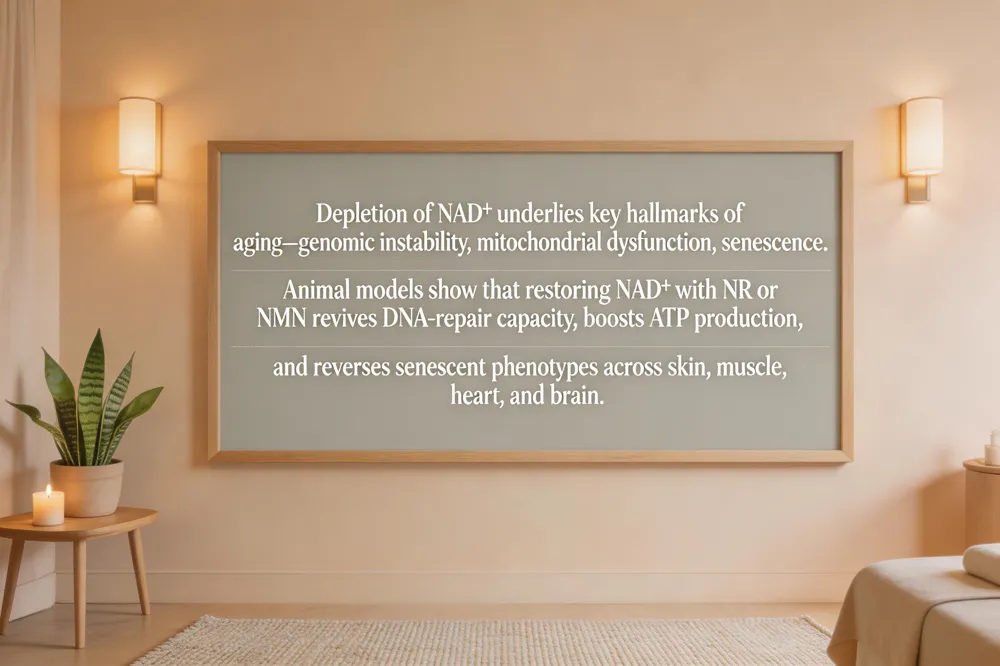 Hallmarks of aging linked to NAD+ depletion
NAD+ levels fall in skin, liver, brain, muscle and immune cells as we age. Low NAD+ weakens sirtuin and PARP enzymes, leading to genomic instability, mitochondrial dysfunction, cellular senescence and impaired DNA repair—all classic hallmarks of aging. Low NAD+ contributes to multiple hallmarks of aging, including genomic instability, cellular senescence, mitochondrial dysfunction, and impaired DNA repair.
Experimental evidence for cellular rejuvenation
Animal studies show that restoring NAD+ with precursors (nicotinamide riboside or nicotinamide mononucleotide) improves DNA‑repair capacity, boosts mitochondrial ATP production, and reverses senescent phenotypes in skin, muscle, heart and brain tissue. In mice, NAD+ restoration enhances stem‑cell number and quality, promotes organ regeneration after injury, and improves cognition in Alzheimer‑type models. In mouse studies, restoring NAD+ to youthful levels improves cardiovascular function, reverses metabolic disorders, enhances muscle endurance, and increases mitochondrial ATP production.
Current scientific consensus
Researchers agree that NAD+ augmentation is a promising anti‑aging strategy, but robust human data are still lacking. Clinical trials report modest metabolic gains—better insulin sensitivity, reduced inflammation and improved exercise performance—but no definitive proof of “reversing” aging. Human clinical trials to NR supplementation have demonstrated improvements in exercise performance in older adults, increased insulin sensitivity, and anti‑inflammatory effects.
Can we reverse cellular aging?
Yes, cellular aging can be reversed in laboratory settings. Studies using genetic activation of Yamanaka factors (OCT4, SOX2, KLF4) or small‑molecule cocktails have restored youthful DNA‑methylation patterns and extended median lifespan in mice. Human translation is early, yet the findings support a Theory of Aging where DNA information can be reset.
Is NAD+ safe?
Short‑term NAD+ precursor use is generally well‑tolerated, with mild side effects such as nausea, headache or flushing. Long‑term safety remains uncertain, especially for individuals with cancer history, so professional guidance and monitoring are advised before starting supplementation. People with cancer, liver disease, pregnancy, or breastfeeding should consult a healthcare provider before high‑dose NAD use.
NAD+ Precursors, Clinical Evidence, and Choosing a Supplement
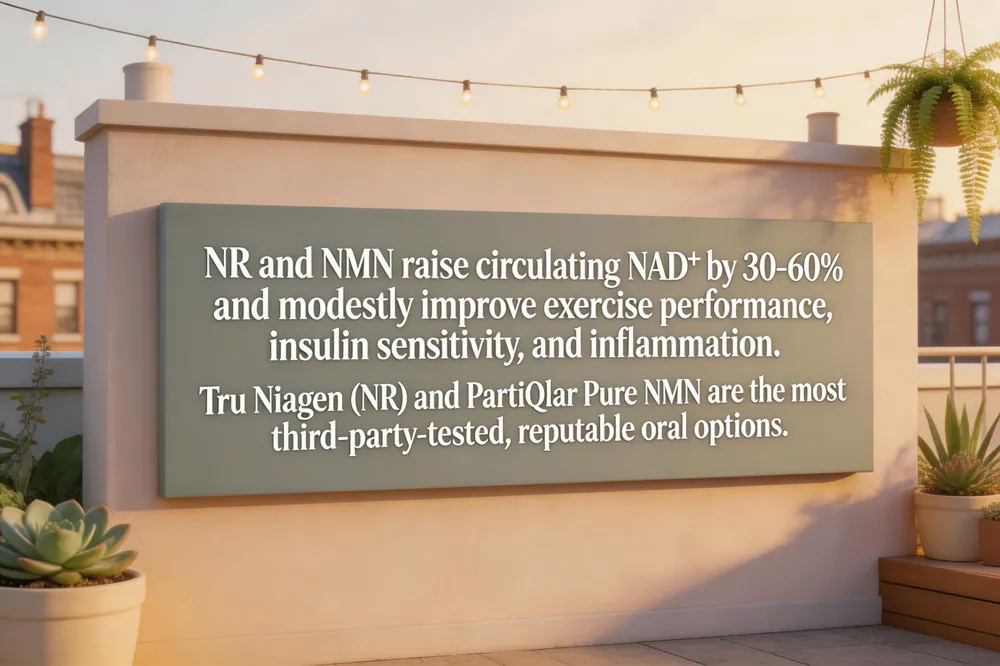 NAD+ boosters most commonly come in the form of nicotinamide riboside (NR) or nicotinamide mononucleotide (NMN). Both are vitamin‑B3 derivatives that the body converts into NAD+, the coenzyme that fuels mitochondrial energy, DNA repair, and sirtuin activity. Human trials of NR have shown it safely raises blood NAD+ levels by 30‑60 % and modestly improves exercise performance, insulin sensitivity, and inflammatory markers in older adults. NMN studies report similar NAD+ increases and benefits for muscle endurance and metabolic health, though the U.S. FDA does not allow NMN to be marketed as a dietary supplement because it is classified as a drug‑like substance. Safety data for both precursors are encouraging—most users experience only mild, transient side effects such as nausea, headache, or flushing. but long‑term safety remains under investigation, and people with cancer, severe liver disease, or who are pregnant should consult a clinician before use.
When selecting a product, prioritize third‑party testing, clear labeling, and a reputable manufacturer. The most clinically validated NR supplement is Tru Niagen, which uses patented NR and has documented NAD+‑raising effects in multiple studies. For NMN, PartiQlar Pure NMN (500 mg per capsule) is a reviewed‑tested option that meets purity standards. Both are non‑prescription oral capsules that fit easily into a daily wellness routine and can complement aesthetic protocols—such as microneedling or laser resurfacing—by supporting collagen synthesis and skin cell regeneration from within.
Best NAD+ supplement – Based on current research and third‑party verification, Tru Niagen (NR) and PartiQlar Pure NMN are the top choices for boosting cellular NAD+ safely and effectively.
Is NAD+ supplement safe? – Generally well‑tolerated short‑term, with mild side effects; long‑term safety data are limited, so medical guidance is advised, especially for high‑risk individuals.
Does NAD+ really make you look younger? – By enhancing mitochondrial function, DNA repair, and sirtuin‑driven collagen maintenance, NAD+ can improve skin texture and reduce fine lines over time, offering a subtle, inside‑out rejuvenation that supports broader anti‑aging and aesthetic plans.
Practical Dosing: IV, IM, and Sub‑Cutaneous NAD+ Regimens
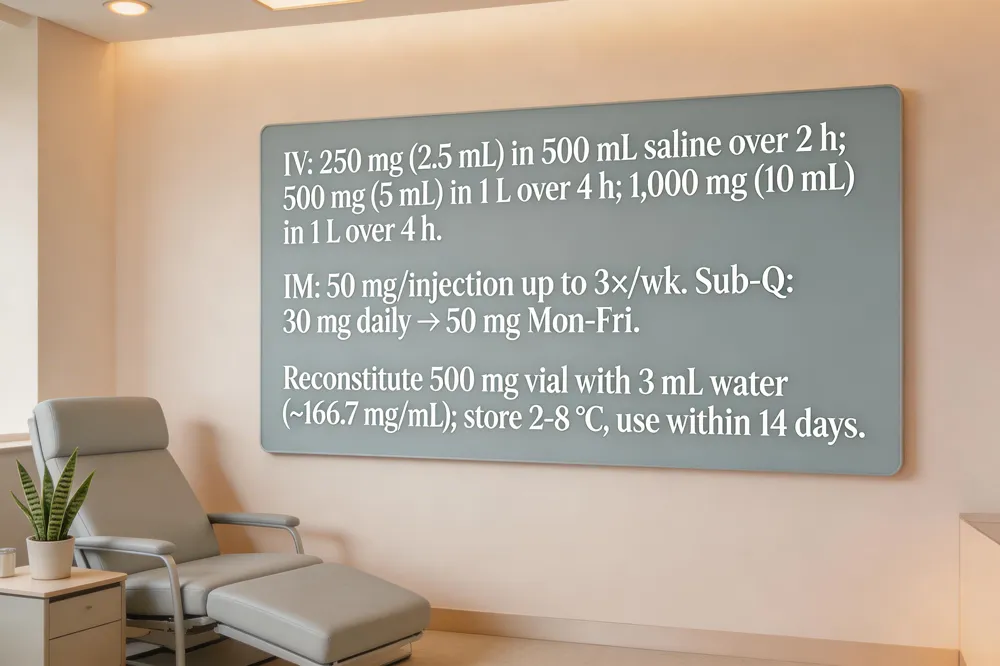 IV infusion protocols and concentration calculations
- The most common clinical NAD⁺ infusion uses a 100 mg/mL lyophilized preparation. For a 250 mg dose, draw 2.5 mL and dilute in 500 mL normal saline, infusing over ~2 hours once weekly. A higher‑intensity protocol delivers 500 mg (5 mL) in 1 L saline over ~4 hours. A 1,000 mg dose is prepared by adding 10 mL of the 100 mg/mL solution to 1,000 mL saline and infused over 4 hours. All IV solutions must be refrigerated and protected from light (2‑8 °C) after reconstitution, used within 14 days.
IM and Sub‑Q administration schedules
- Intramuscular (IM): 50 mg per injection, up to three times per week (≈150 mg/week).
- Sub‑cutaneous (Sub‑Q): Begin with 30 mg (0.3 mL of a 100 mg/mL solution) daily for the first week. If tolerated, increase to 50 mg (0.5 mL) Monday‑Friday, yielding ~210‑250 mg per week. Titration is individualized; weekend breaks reduce local irritation.
Reconstitution techniques and storage requirements
- A 500 mg NAD⁺ vial is reconstituted with 3 mL bacteriostatic water → ~166.7 mg/mL. For Sub‑Q use, 30 units ≈0.3 mL (30 mg) and 50 units ≈0.5 mL (50 mg). After mixing, store the solution refrigerated (2‑8 °C) and discard after 14 days (30 days if unopened). Light‑protect the vial to preserve potency.
Dosage calculation tools
- A dosage calculator converts prescribed milligrams into syringe volume based on solution concentration (e.g., 250 mg ÷ 100 mg/mL = 2.5 mL). Clinics such as Jana HealthCare use this tool for IV, IM, and Sub‑Q routes to ensure accurate delivery. Always verify the calculated volume with your prescribing clinician before injection.
Key Q‑A summaries
- 1,000 mg injection: Delivered IV as 10 mL in 1 L saline; IM/Sub‑Q would be split into multiple 50‑100 mg sites.
- 500 mg reconstitution: 3 mL water → 166.7 mg/mL; Sub‑Q titration: 30 mg → 75 mg → 100 mg weekly.
- Weekly total: 250‑500 mg IV, ~150 mg IM, 210‑250 mg Sub‑Q.
- Daily Sub‑Q dose: Starts 30 mg daily, then 50 mg Monday‑Friday.
- Dosage calculator: Input dose (mg) and concentration (mg/mL) to receive required mL; essential for safe, personalized therapy.
The NAD+ Peptide Serum: A Topical Anti‑Aging Weapon
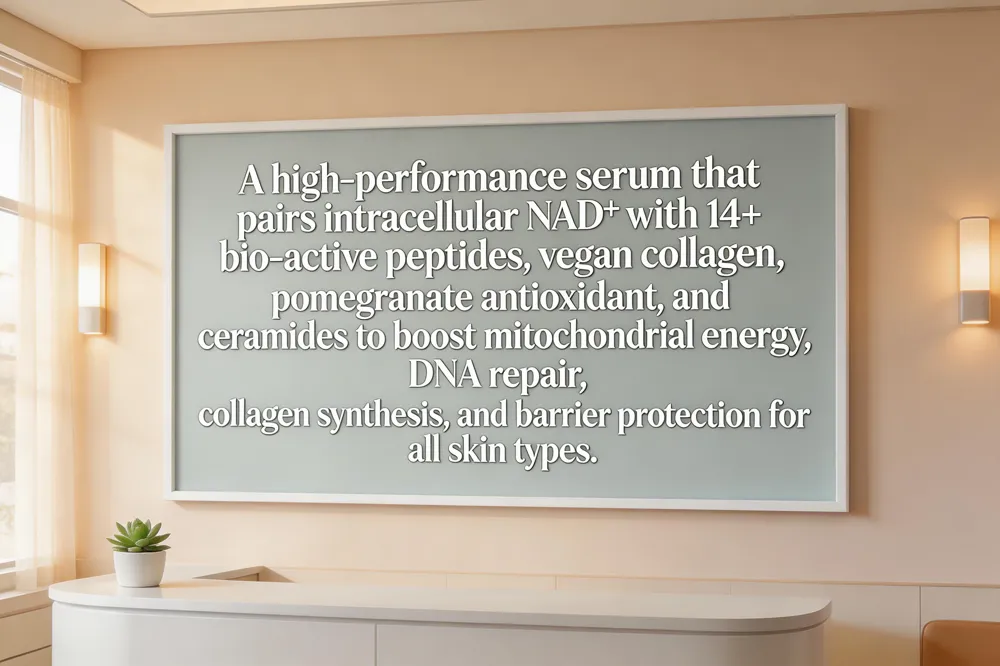 The NAD+ Peptide Serum is a high‑performance anti‑aging formula that blends the cellular energy‑boosting coenzyme NAD+ with a proprietary mix of 14+ bio‑active peptides and vegan collagen. By replenishing intracellular NAD+, the serum fuels skin metabolism and supports sirtuin‑mediated DNA repair, while the peptide cocktail stimulates fibroblast activity, boosts collagen and elastin synthesis, and improves skin firmness and lift. Antioxidant‑rich pomegranate extract and five barrier‑supporting ceramides further protect against oxidative stress and restore moisture retention. For optimal results, cleanse and tone the face and neck, then apply a thin layer of the lightweight serum each morning and night, gently patting until fully absorbed. The fast‑absorbing, non‑greasy texture is suitable for all skin types and fits Jana HealthCare’s holistic approach—combining aesthetic enhancement with nutrition, exercise, and personalized wellness strategies to promote radiant, youthful skin.
Skin Health, Gender‑Specific Benefits, and Regeneration
 NAD⁺ benefits for skin
NAD⁺ is a vital coenzyme that fuels mitochondrial ATP production, DNA repair, and antioxidant defenses in keratinocytes and fibroblasts. By enhancing cellular metabolism, it supports collagen and elastin synthesis, reducing fine lines and improving skin elasticity. Adequate NAD⁺ also strengthens the skin barrier by promoting lipid and protein formation, decreasing transepidermal water loss and enhancing hydration. Activation of sirtuin‑dependent repair pathways protects against UV‑induced damage and oxidative stress, yielding smoother, more radiant skin.
NAD⁺ benefits for skin
NAD⁺ is a vital coenzyme that fuels mitochondrial ATP production, DNA repair, and antioxidant defenses in keratinocytes and fibroblasts. By enhancing cellular metabolism, it supports collagen and elastin synthesis, reducing fine lines and improving skin elasticity. Adequate NAD⁺ also strengthens the skin barrier by promoting lipid and protein formation, decreasing transepidermal water loss and enhancing hydration. Activation of sirtuin‑dependent repair pathways protects against UV‑induced damage and oxidative stress, yielding smoother, more radiant skin.
NAD⁺ peptide – what does it do? Peptide‑based NAD⁺ delivery raises intracellular NAD⁺ levels quickly. The surge fuels mitochondrial energy, lessening fatigue, while activating sirtuins and PARPs that repair DNA and curb inflammation. In the brain, higher NAD⁺ improves neurotransmitter balance and neuroplasticity, sharpening focus and memory. Systemically, it modulates immune function and can aid recovery after intense exercise or addiction treatment.
NAD⁺ benefits for women Women experience a sharper NAD⁺ decline during perimenopause and menopause, contributing to fatigue, brain fog, altered metabolism, and slower skin regeneration. Supplementation with precursors such as nicotinamide riboside (NR) or nicotinamide mononucleotide (NMN) helps restore mitochondrial output, DNA repair, and reduces inflammation. Clinically, this translates into more daily energy, clearer mental focus, healthier metabolism, and a more youthful skin appearance. Emerging data also suggest cardiovascular and neuroprotective advantages that are especially relevant for mid‑life women.
NAD⁺ benefits for men In men, higher NAD⁺ supports muscle performance and recovery by optimizing mitochondrial function. Enhanced DNA repair and reduced oxidative stress promote healthier skin and slower visible aging. NAD⁺ also benefits cardiovascular health—lowering blood pressure and improving endothelial function—while supporting cognition and metabolic insulin, aiding weight management and reducing type 2 diabetes risk.
Systemic Benefits, Metabolic Health, and Research Review
 DNA Repair and Cellular Regeneration Pathways
NAD⁺ is a central co‑factor for enzymes such as PARPs and sirtuins that mend damaged DNA, remodel chromatin, and drive mitophagy. Restoring NAD⁺—via nicotinamide riboside (NR) or nicotinamide mononucleotide (NMN)—has been shown in animal studies to boost DNA‑repair capacity and improve skin fibroblast and keratinocyte function, leading to better collagen synthesis and reduced senescence.
DNA Repair and Cellular Regeneration Pathways
NAD⁺ is a central co‑factor for enzymes such as PARPs and sirtuins that mend damaged DNA, remodel chromatin, and drive mitophagy. Restoring NAD⁺—via nicotinamide riboside (NR) or nicotinamide mononucleotide (NMN)—has been shown in animal studies to boost DNA‑repair capacity and improve skin fibroblast and keratinocyte function, leading to better collagen synthesis and reduced senescence.
Metabolic and Cardiovascular Outcomes Clinical trials of NR in older adults report modest improvements in insulin sensitivity, reduced systolic blood pressure, and lower inflammatory cytokines. NAD⁺ precursors modestly lower total and LDL cholesterol while raising HDL, likely through sirtuin‑mediated hepatic lipid remodeling. In heart‑failure patients, NAD⁺ restoration trends toward lower aortic stiffness and enhanced mitochondrial respiration, supporting overall cardiovascular health.
Critical Appraisal of the Evidence Human data are encouraging but limited. Oral NR/NMN reliably raise circulating NAD⁺, yet functional benefits (energy, cognition, skin texture) remain modest and variable across studies. Intravenous NAD⁺ infusions achieve rapid plasma spikes but lack large‑scale safety/efficacy trials and are not FDA‑approved for anti‑aging. The consensus: NAD⁺ augmentation is biologically plausible, safe at moderate doses, but definitive proof of “reversing” aging awaits robust, long‑term randomized trials.
Key Questions Answered
- Does NAD help with cellular repair? Yes – it fuels PARP and sirtuin enzymes that directly mend DNA and maintain genomic integrity.
- Does NAD help with cellular regeneration? Yes – enhanced mitochondrial function and sirtuin activity promote collagen production and skin cell turnover.
- NAD⁺ and cholesterol – moderate NR/NMN supplementation modestly improves lipid profiles; excessive dosing may have opposite effects.
- NAD anti‑aging review – pre‑clinical benefits are clear, human evidence remains modest and inconclusive.
- NAD + anti‑aging IV – IV delivery boosts ATP and may reduce inflammation, but clinical data are limited and should be viewed as a supportive wellness measure rather than a cure.
Before and After NAD+ Injections: Patient Experience
 Patients who begin NAD⁺ injections often report chronic fatigue, brain fog, poor sleep, and dull, slow‑healing skin after cosmetic procedures. Within the first week, the surge in cellular NAD⁺ boosts mitochondrial energy, leading to clearer mental focus, heightened physical stamina, and deeper restorative sleep. By two to four weeks, skin becomes more hydrated, radiant, and less inflamed; recovery from microneedling, laser, or RF treatments accelerates, with reduced redness and faster barrier restoration. After six to eight weeks, sustained DNA‑repair and collagen‑synthesis pathways produce firmer, more even‑toned skin and a lasting inner glow. Regular weekly dosing (typically four to eight sessions) helps maintain these metabolic benefits.
Why do I feel so good on NAD? NAD⁺ fuels serotonin production and improves mitochondrial function, which together lift mood, reduce depressive symptoms, and enhance overall vitality.
Which is better for anti‑aging, NAD or collagen? Collagen hydrates and smooths surface fine lines, but NAD⁺ works deeper—restoring cellular energy, DNA repair, and longevity pathways—supporting both skin health and whole‑body youthful function.
Controversy, Side Effects, and Safety Considerations
 Regulatory status and FDA restrictions
The FDA has not approved NAD⁺ itself as a drug and, in 2022, ruled that nicotinamide mononucleotide (NMN) no longer meets the definition of a dietary supplement, limiting its commercial availability in the United States. Nicotinamide riboside (NR) remains the most studied and legally marketable precursor, but all NAD⁺‑boosting products are un‑regulated nutraceuticals, so potency and purity can vary.
Regulatory status and FDA restrictions
The FDA has not approved NAD⁺ itself as a drug and, in 2022, ruled that nicotinamide mononucleotide (NMN) no longer meets the definition of a dietary supplement, limiting its commercial availability in the United States. Nicotinamide riboside (NR) remains the most studied and legally marketable precursor, but all NAD⁺‑boosting products are un‑regulated nutraceuticals, so potency and purity can vary.
What is the controversy with NAD⁺? Experts debate whether raising NAD⁺ is universally beneficial. While animal work shows improved mitochondrial function and DNA repair, human data are modest and short‑term. Concerns include possible overstimulation of PARP or sirtuin pathways that could affect cancer cell survival, and the fact that oral NAD⁺ is poorly absorbed, making dose‑response unclear. Large, long‑term trials are still missing.
NAD benefits and side effects Short‑term NR or NMN supplementation (250‑500 mg/day) is generally well‑tolerated, with occasional nausea, headache, flushing, or mild gastrointestinal upset. High‑dose nicotinamide may raise liver enzymes or interfere with methylation. Pregnant, breastfeeding, or cancer‑history individuals should avoid use until more safety data emerge.
Is NAD⁺ supplement safe? Current evidence suggests modest metabolic and vascular benefits in older adults, but the long‑term safety profile remains uncertain. Clinicians advise a personalized risk‑benefit assessment, starting with low doses, monitoring labs, and consulting a healthcare professional before sustained use.
Putting NAD+ Into Practice at Jana HealthCare
Jana HealthCare combines NAD+ therapy with lifestyle coaching and aesthetic procedures to maximize cellular resilience and rejuvenation. Patients begin with an assessment of diet, exercise, sleep and stress, because activity, calorie‑controlled nutrition and adequate rest naturally sustain NAD+ levels. When a NAD+ boost is indicated, clinicians choose the most suitable route—oral nicotinamide riboside (NR) or nicotinamide mononucleotide (NMN) for effect, or sub‑cutaneous or intravenous infusion to prime skin before microneedling, laser resurfacing or surgical lifts. Dosing is individualized: a starter sub‑Q dose of 20 mg, titrated to 50‑100 mg weekly, or an IV infusion of 250 mg over two hours, with blood NAD+ testing and symptom tracking guiding adjustments. Jana HealthCare also monitors CD38 activity and NAMPT expression where available, anticipating combination strategies that pair precursors with enzyme inhibitors. Ongoing trials will clarify optimal dosages, long‑term safety and the role of NAD+ in tissue regeneration, keeping patients at the forefront of aesthetic medicine.