

The Cellular Powerhouse You're Losing
What is NAD+ and Why Does It Matter?
Nicotinamide adenine dinucleotide (NAD+) is a coenzyme present in every cell in your body. It acts as a critical fuel for energy metabolism, helping convert nutrients into ATP, and is essential for DNA repair, gene expression, and cell signaling. Without enough NAD+, your cells cannot perform these vital functions efficiently.
The Age-Related Decline
NAD+ levels naturally drop with age. By age 50, intracellular NAD+ can be roughly half of what it was at age 20. This decline is driven by increased activity of enzymes like CD38 and PARPs, which consume NAD+ during inflammation and DNA repair. Lower NAD+ levels are linked to reduced cellular repair, mitochondrial dysfunction, and a higher risk of age-related conditions such as metabolic disorders, cardiovascular disease, and cognitive decline.
Setting the Stage for Supplementation
The age-related fall in NAD+ directly impairs the activity of sirtuins—proteins that regulate cellular health, stress resistance, and longevity. This decline sets the foundation for exploring NAD+ replenishment (via precursors like nicotinamide riboside or nicotinamide mononucleotide) as a strategy to restore youthful cellular activity and support healthy aging.
How NAD+ Fuels Cellular Repair and Longevity
How does NAD+ help with cellular repair and anti-aging?
NAD+ (nicotinamide adenine dinucleotide) is a vital coenzyme present in every cell, serving a dual role that directly influences how we age. It acts as a critical cofactor for two key enzyme families: sirtuins and PARPs. Sirtuins are proteins that regulate cellular health, metabolism, stress resistance, and mitochondrial function, acting as the body's primary defense against age-related decline. PARPs (poly-ADP-ribose polymerases), on the other hand, are the cell's first responders to DNA damage, detecting breaks and coordinating repairs to maintain genomic stability. Without sufficient NAD+, these essential repair systems lose their efficiency.
As NAD+ levels naturally decline with age—often dropping by 50% or more by midlife—sirtuin activity diminishes and PARP-driven DNA repair slows down. This leads to a cascade of cellular dysfunction: mitochondria produce less energy, oxidative stress increases, and chronic inflammation becomes more common. The result is the accumulation of cellular damage that drives visible aging and contributes to age-related conditions like cognitive decline, metabolic disorders, and frailty. Supplementing with NAD+ precursors such as nicotinamide riboside (NR) or nicotinamide mononucleotide (NMN) has shown promise in preclinical studies to restore sirtuin and PARP activity, helping reverse these effects. This replenishment supports mitochondrial health, reduces oxidative stress, and improves outcomes in models of metabolic syndrome and neurodegeneration, positioning NAD+ therapy as a cornerstone of cellular maintenance and anti-aging strategies.
What is NAD+ and how does it work in the body?
NAD+ is a foundational coenzyme found in every living cell, essential for converting nutrients into cellular energy and for activating repair pathways. It works by facilitating redox reactions that power mitochondrial energy production, and by serving as the necessary fuel for sirtuins and PARPs. Sirtuins manage cellular stress responses and metabolism, while PARPs fix DNA damage and maintain chromosome stability.
| Enzyme Family | Primary Function | Consequences of NAD+ Decline |
|---|---|---|
| Sirtuins | Regulate metabolism, stress resistance, mitochondrial health, and inflammation | Decreased energy, slower metabolism, increased oxidative stress and inflammation |
| PARPs | Detect and repair DNA damage, maintain genomic stability | Accumulated DNA damage, reduced genetic integrity, accelerated cell aging |
NAD+ levels decline naturally with age, with intracellular concentrations often falling by nearly 50% by the time people reach their 40s. This drop accelerates cellular aging, contributing to metabolic disorders, cognitive decline, and frailty. The visible signs of aging, including reduced muscle strength and skin changes, are linked to this decline. Supplementing with NAD+ precursors like NMN or NR is a promising strategy to restore cellular levels, potentially revitalizing these protective mechanisms and slowing the aging process. While human studies are still emerging, the strong mechanistic connection between NAD+, sirtuins, and PARPs underscores its central role in cellular repair and longevity.
Broad Benefits: From Energy to Skin Health

What are the main benefits of NAD+ therapy for men and women?
NAD+ therapy boosts cellular energy metabolism, enhancing vitality and supporting weight management through improved mitochondrial activity. Mental clarity and cognitive function often improve, reducing brain fog and supporting focus. For heart health, it can reduce arterial stiffness and support cardiovascular function. The therapy also supports muscle strength and recovery after exercise or stress. Overall, NAD+ replenishment helps slow age-related decline by activating sirtuins and promoting DNA repair, making it a valuable tool for maintaining energy, cognition, and wellness as we age.
What specific benefits does NAD+ offer for skin health?
NAD+ directly supports skin health by protecting cells from oxidative stress and promoting collagen production, which improves elasticity and reduces fine lines and wrinkles. Patients often notice improved hydration, a brighter and more even tone, and reduced inflammation within weeks. NAD+ also accelerates healing after cosmetic procedures like microneedling or laser treatments, helping the skin recover faster. Long-term use sustains these benefits, strengthening the skin’s barrier and resilience.
Dosage and Protocols: Injections vs. IV Infusion
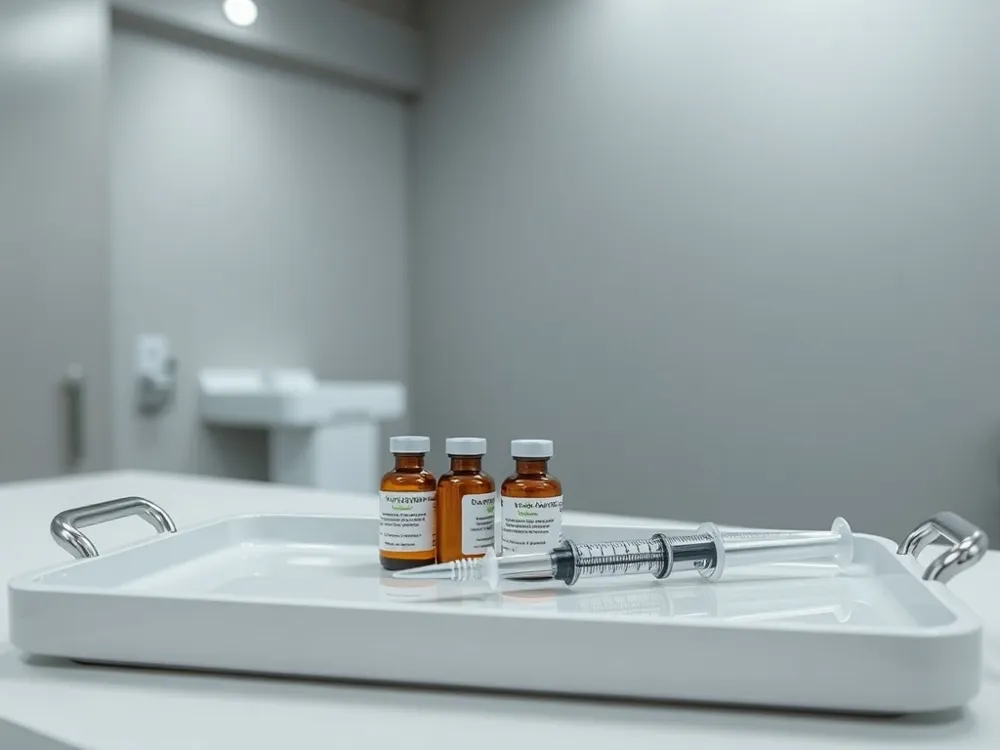
Subcutaneous (SubQ) Injection Protocol: Starting Low and Building Up
Subcutaneous NAD+ injections offer a convenient at-home option for consistent support. A common starting protocol is 30 mg daily for at least one week. This allows your body to adjust gradually. If well-tolerated, the dose can be increased to 50 mg (0.5 mL) from Monday through Friday, taking weekends off. This approach enables careful titration while providing steady cellular fuel.
Intramuscular (IM) Injection Protocol: Moderate, Regular Support
Intramuscular injections deliver the dose directly into muscle tissue for good absorption. The typical dose is 50 mg up to three times per week. This moderate regimen is useful for those seeking a maintenance approach without the time commitment of an IV infusion.
Intravenous (IV) Infusion Protocol: Potent, Immediate Effects
Intravenous infusion provides the highest bioavailability and the most immediate effects. Standard weekly protocols involve 250 to 500 mg per session, infused over 2–4 hours in a clinical setting. For advanced needs, some protocols start with a loading phase of 100–200 mg daily for 7–10 days, then transition to maintenance sessions two to three times per week. In specialized clinical environments, doses are occasionally used up to 1,500 mg per session.
| Route | Starting Dose | Frequency | Setting | Key Benefit |
|---|---|---|---|---|
| SubQ | 30 mg daily; then 50 mg Mon-Fri | Daily/weekdays | At home | Gradual titration; convenient for daily use |
| IM | 50 mg | Up to 3x per week | Clinic or home | Moderate, regular support |
| IV | 250–500 mg (up to 1,500 mg) | Weekly | Clinical setting | Highest potency; immediate effect |
Choosing Your Protocol: Individualized Care is Key
As with any cellular health therapy, NAD+ dosing is not one-size-fits-all. The right protocol depends on your health goals, metabolic needs, and tolerance. A healthcare professional will review your history and may adjust protocols based on your response. All NAD+ therapy should be individualized under medical supervision to ensure safety and maximize benefits for cellular repair and longevity.
Safety, Side Effects, and the Longevity Question
 NAD+ therapy is generally considered safe and well-tolerated in clinical settings. Common side effects include nausea, fatigue, headache, flushing, and injection site reactions at the point of administration. Rare effects such as dizziness or chest pressure may occur, particularly during high-dose intravenous infusions, but are often manageable by adjusting the infusion rate. However, long-term risks remain less understood due to limited human research focusing on extended periods.
Is NAD+ therapy safe for long-term use?
Short-term use appears safe. A 2026 systematic review of human trials found that NAD+ precursors like NR and NMN reliably boost blood NAD+ biomarkers and are well-tolerated. However, the same review noted that effects on metabolic, vascular, and performance outcomes are mixed, highlighting the need for longer, more rigorous studies to confirm healthspan benefits.
Does NAD+ therapy extend human lifespan?
Animal studies, including those in yeast, roundworms, and mice, have shown lifespan extension with NAD+ replenishment. In humans, direct longevity evidence remains inconclusive. While supplementation may improve cellular repair and energy metabolism, there is no definitive clinical proof that it slows aging or extends human life.
Can NAD+ therapy replace healthy habits?
NAD+ therapy is best considered an adjunct to proven strategies like regular exercise, a balanced diet, quality sleep, and stress management, not a standalone anti-aging intervention. Combining lifestyle practices with targeted NAD+ support may optimize youthful cellular function and prevent age-related decline. Individual results vary, and medical guidance is essential for personalized care. | Approach | Evidence for Longevity | Notes | |----------|------------------------|-------| | NAD+ supplementation | Inconclusive in humans | Animal studies show lifespan extension; human trials focused on biomarkers | | Exercise and diet | Strong evidence | Proven to naturally boost NAD+ and improve healthspan | | Lifestyle + NAD+ therapy | Emerging | May offer synergistic benefits for cellular health |
Natural Boosts and the Supplement vs. Injection Debate
How can I naturally increase my NAD+ levels?
High-intensity interval training (HIIT) and resistance exercise stimulate mitochondrial activity, naturally boosting NAD+ production. Intermittent fasting or caloric restriction activates sirtuins, promoting cellular repair and NAD+ synthesis. Prioritizing quality sleep is crucial, as NAD+ levels follow a circadian rhythm, and a diet rich in vitamin B3 (from poultry, fish, and legumes) supports overall levels. These lifestyle habits provide foundational support and enhance the outcomes of any NAD+ therapy.
What is the difference between NAD+ supplements and injections?
Oral supplements like NMN or NR are convenient for daily use but must pass through the digestive system, reducing bioavailability and requiring higher doses for gradual effects. In contrast, injections (IV, IM, or SubQ) deliver NAD+ directly into the bloodstream, bypassing digestion for near-immediate and potent results. The choice depends on your goals: injections are ideal for rapid cellular repair and energy boosts, while oral supplements are better suited for steady, long-term maintenance and accessible support.
Real-World Appeal: From Celebrities to Clinical Practice
Do celebrities like Jennifer Aniston use NAD+ therapy?
Yes, Jennifer Aniston has publicly praised weekly NAD+ injections, calling them “the future” in a Wall Street Journal feature. Her endorsement highlights growing public awareness of NAD+ for energy and anti-aging.
While celebrity interest boosts visibility, the science behind NAD+ supplementation remains promising but evolving. Clinical studies show mixed yet encouraging results, and experts emphasize that NAD+ therapy should be part of a comprehensive health plan.
At Jana HealthCare, NAD+ therapy is integrated into personalized programs to support cellular health and longevity under medical supervision. Consultation with a healthcare professional is essential to determine if NAD+ therapy aligns with individual health goals.