Introducing Pain Management 2.0
A multimodal approach is essential because chronic pain is rarely caused by a single factor; it involves physical tissue, nervous‑system signaling, and emotional distress. Combining ofologic therapies (e.g., NSAIDs, nerve blocks) with non‑pharmacologic strategies such as physical therapy, CBT, and mindfulness yields synergistic benefits—studies show a 20‑30 % reduction in medication dosages and up to a 30 % drop in pain scores when mindfulness‑based stress reduction (MBSR) is added to standard care.
Mindfulness reshapes the brain’s response to pain by dampening activity in the anterior cingulate cortex and insula, while activating descending inhibitory pathways and releasing endogenous opioids. Practices like body‑scan, breath awareness, and gentle yoga can be done at home or via digital platforms, making them accessible to patients across Brooklyn and beyond. Importantly, mindfulness lowers pain‑related anxiety and catastrophizing, two powerful predictors of chronicity and opioid misuse.
Jana HealthCare’s integrated model brings this evidence‑based blend under one roof. Patients receive personalized medical assessments, targeted interventional procedures, and on‑site mindfulness sessions led by certified instructors. The clinic’s aesthetic focus—incorporating skin‑care and wellness therapies—supports a holistic sense of well‑being, reinforcing the mind‑body connection that is central to Pain Management 2.0.
Foundations of Pain Relief: The 3 P’s, 4 P’s, and 5 A’s
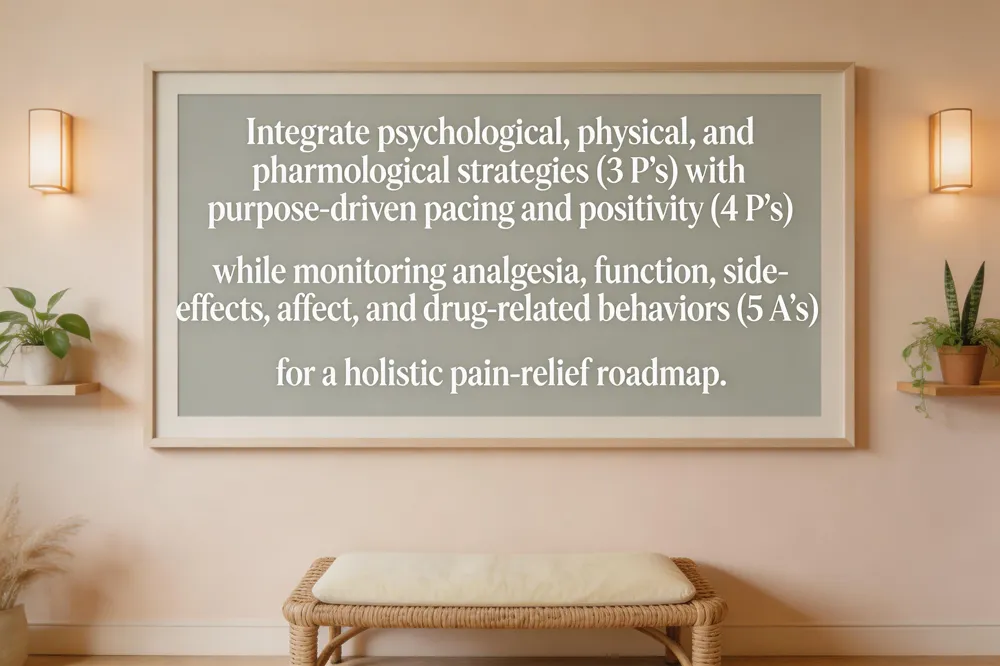 Chronic pain is best tackled with a multimodal framework that blends mind‑body techniques, gentle movement, and thoughtful medication use.
The 3 P’s of pain relief – psychological, physical, and pharmacological – work together. Psychological tools such as breath‑focused awareness, non‑judgmental observation of sensations, and distraction reduce anxiety and the brain’s threat response (Zeidan 2015; Kabat‑Zinn). Physical tactics include heat or cold therapy, massage, paced activity, and posture adjustments that keep muscles relaxed and improve circulation. Pharmacological care, prescribed by a clinician, supplies the needed analgesic support while minimizing opioid exposure; studies show that adding mindfulness to medication can cut required doses by 20‑30 % (MBSR trials).
The 4 P’s of chronic pain focus on Pain, Purpose, Pacing, and Positivity. Understanding the exact quality of pain helps tailor interventions; setting meaningful goals (Purpose) motivates adherence; pacing prevents over‑exertion and flare‑ups; and a positive outlook lowers catastrophizing, a key predictor of chronicity.
The 5 A’s of pain management – Analgesia, Activities of daily living, Adverse effects, Affect, and Aberrant drug‑related behaviors – ensure a balanced plan. Effective analgesia (pharmacologic or mindfulness‑based) supports daily function, while monitoring side effects and emotional health protects against depression, anxiety, and opioid misuse.
By integrating these three frameworks, patients receive a personalized, holistic roadmap that respects both the body’s biology and the mind’s capacity for healing.
The Multidisciplinary Pain Management Model
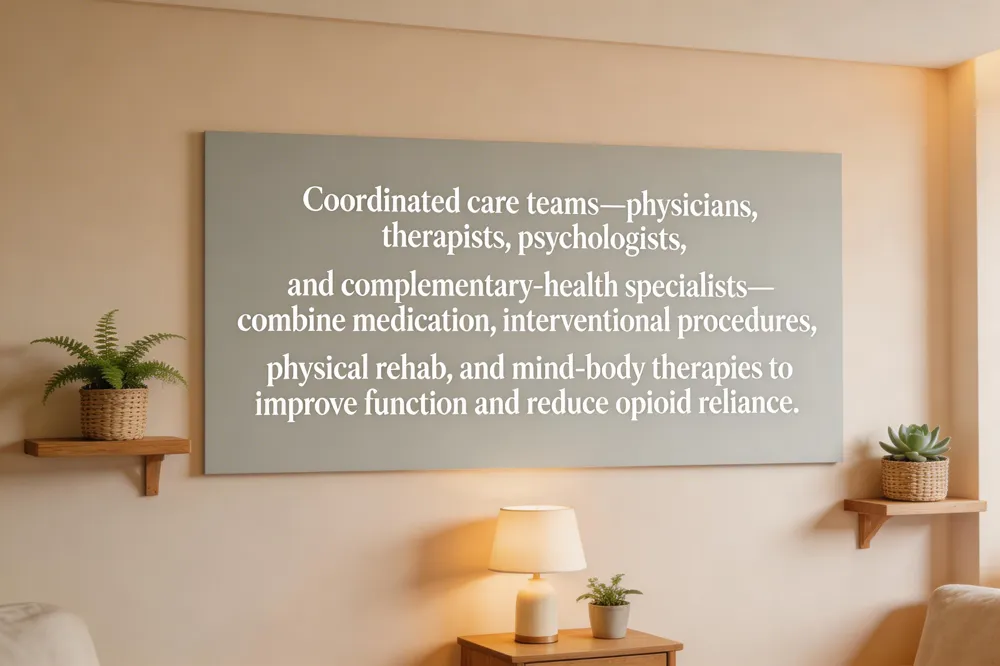 Pain management is a coordinated, patient‑focused approach that blends medical treatment, physical rehabilitation, mind‑body practices, and lifestyle coaching to reduce pain, restore function, and improve quality of life. A typical team may include a pain physician or anesthesiologist, neurologist, physical and occupational therapists, psychologists, nurse practitioners, and complementary‑health specialists such as yoga or mindfulness instructors. Clinics like Jana HealthCare in Brooklyn integrate aesthetic dermatology, clinical care, and wellness therapies, offering a seamless blend of medical and holistic services.
When physicians refer patients to pain specialists
Primary‑care doctors usually refer when pain persists beyond three months, is severe enough to limit daily activities, or when standard medications cause side effects or inadequate relief. Conditions such as chronic low‑back pain, migraines, post‑surgical pain, or neuropathic disorders often trigger a referral so that a multimodal plan—combining medication, interventional procedures, and non‑pharmacologic options—can be tailored.
Key interventions and team composition
- Pharmacologic: NSAIDs, muscle relaxants, antidepressants for neuropathic pain, and carefully monitored opioid use when necessary.
- Physical therapies: Targeted exercise, heat/cold therapy, massage, and aquatic therapy to improve strength and mobility.
- Mind‑body and complementary modalities: Mindfulness‑Based Stress Reduction (MBSR), guided breathing, yoga, and digital mindfulness platforms have been shown to lower pain intensity by up to 40 % and reduce opioid dosages by 20‑30 %.
- Psychological support: CBT, acceptance‑based therapies, and pain‑education programs address catastrophizing and anxiety.
Together, these interventions create a personalized, holistic plan that empowers patients to manage pain without over‑reliance on medication, aligns with the biopsychosocial model of care.
What is pain management?
Pain management is a multidisciplinary specialty that evaluates, diagnoses, and treats acute and chronic pain to improve function and quality of life. It combines pharmacologic therapies with physical rehabilitation, psychological counseling, lifestyle modifications, and interventional procedures, delivered by a coordinated team of specialists.
Why is my doctor sending me to pain management?
Because your pain is persistent, severe, or interfering with daily activities, and may not be adequately controlled with standard treatments. A pain‑management specialist can offer a multimodal approach that includes physical therapy, nerve blocks, behavioral therapy, and other alternatives.
Key interventions for pain management
Interventions include appropriate medications (NSAIDs, muscle relaxants, opioids when needed), physical modalities (heat/cold, massage, targeted exercise), psychological approaches (CBT, relaxation, mindfulness), and complementary therapies (acupuncture, yoga, guided imagery), all tailored by an integrated team.
Mindfulness as a Core Therapeutic Tool
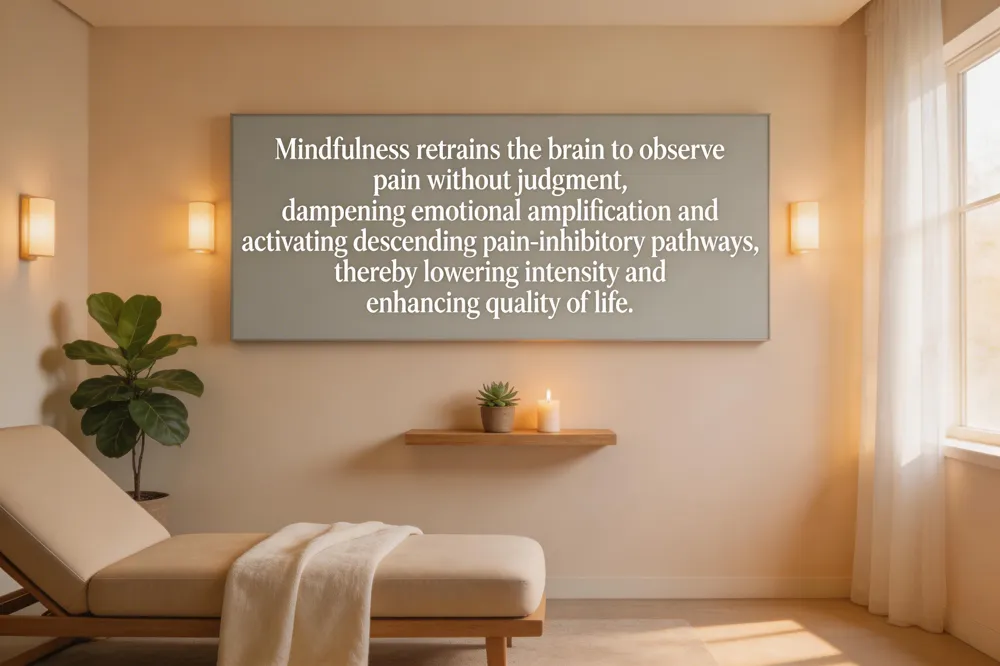 Mindfulness helps patients re‑frame pain by teaching the brain to notice sensations without labeling them as “bad,” which reduces the emotional distress that amplifies pain. By anchoring attention to breath and present‑moment experience, mindfulness lowers activity in the anterior cingulate cortex, insula, and thalamus—key regions that process pain signals—while engaging the orbitofrontal cortex and descending pain‑inhibitory pathways. This neuro‑modulation, combined with reduced cortisol and sympathetic arousal, interrupts the stress‑pain cycle and diminishes anxiety and depression that often worsen discomfort.
For chronic low‑back pain, Mindfulness‑Based Stress Reduction (MBSR) and guided body‑scan meditations have consistently lowered pain intensity by about 30% and improved functional mobility. Practicing a brief daily spine scan, breath awareness while walking, or mindful stretching helps relax muscle tone, reduces catastrophizing thoughts, and supports healthier movement patterns when paired with physical therapy or chiropractic care.
Meditation for broader physical pain activates the same descending inhibitory pathways, increasing pain tolerance and reducing perceived intensity without medication side‑effects. Regular short sessions—5‑15 minutes of focused breathing or body‑scan—provide a safe, non‑pharmacologic complement to conventional treatments, fostering lasting coping skills and higher quality of life.
Practical Mind‑Body Techniques for Daily Relief
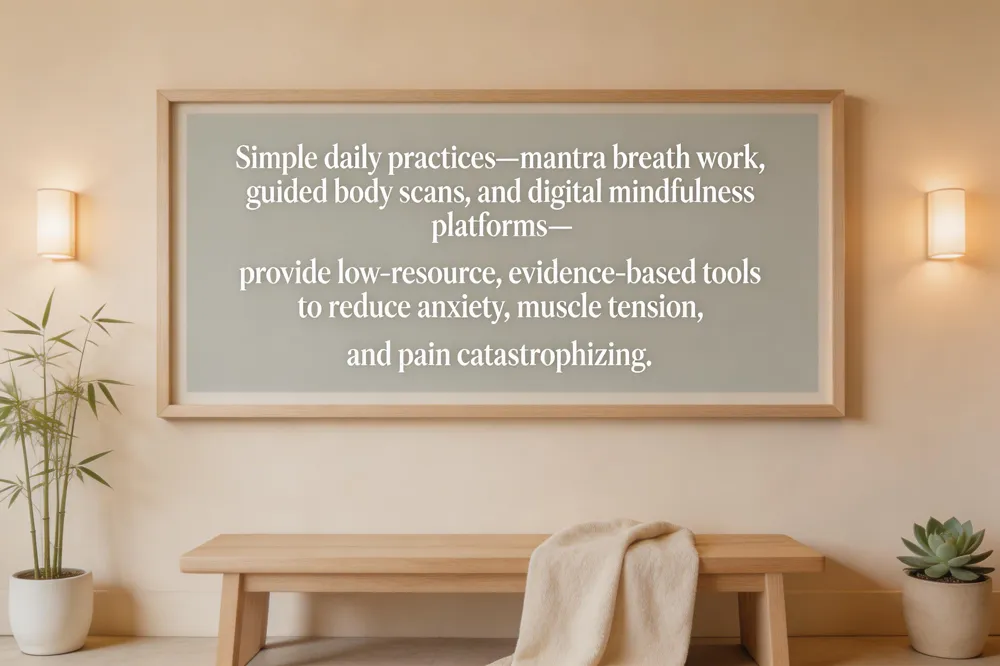 Mantra usage and breath work – Repeating a calming phrase—e.g., “I am safe, I am relaxed, I am in control”—while inhaling for four counts and exhaling for six creates a rhythmic anchor that distracts the brain from nociceptive signals. The mantra’s positive, present‑moment language reduces threat appraisal, eases muscle tension, and supports a sense of agency during painful episodes. Consistent practice, even for a few minutes a day, can counter negative self‑talk and strengthen emotional resilience.
Digital and telehealth mindfulness platforms – Smartphone apps, web‑based modules, and secure video‑conferencing deliver guided mindfulness sessions that are as effective as in‑person programs for lowering pain intensity and interference. These low‑resource tools increase access for urban patients (e.g., Brooklyn, NY) and rural communities, allowing clinicians to monitor adherence through electronic pill‑bottle caps or digital diaries. Integrating these platforms into a personalized pain‑management plan aligns with the holistic, aesthetic‑focused model of practices like Jana HealthCare, providing a seamless blend of medical and mind‑body care.
Innovations in Interventional and Regenerative Pain Therapies
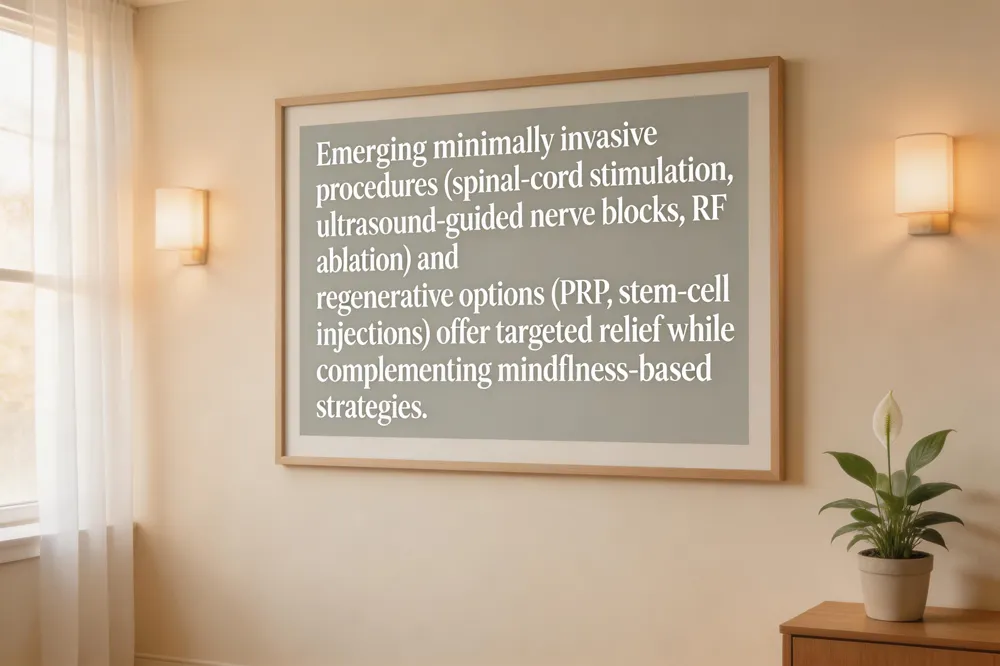 Advances in pain care now blend high‑tech procedures with holistic,.
New pain‑management procedures Minimally invasive, neuromodulatory techniques are reshaping treatment options. High‑frequency spinal‑cord stimulation and ultrasound‑guided peripheral nerve blocks deliver precise relief while sparing systemic side‑effects. Radio‑frequency ablation and percutaneous vertebral augmentation provide lasting relief for facet‑joint pain and vertebral compression fractures. Regenerative options such as platelet‑rich plasma (PRP) and autologous stem‑cell injections promote tissue healing, reducing chronic musculoskeletal discomfort. Emerging pharmacologic adjuncts—including low‑dose ketamine infusions and CBD‑based formulations—address both nociceptive and neuropathic components, and can be seamlessly incorporated into multidisciplinary clinics like Jana HealthCare in Brooklyn.
How does mindfulness help with pain management? Mindfulness trains the brain to observe pain sensations without judgment, dampening the emotional “second arrow” that amplifies suffering. Functional imaging shows reduced activity in the anterior cingulate cortex, insula, and thalamus during meditation, translating to lower perceived intensity. By shifting attention to breath and present‑moment awareness, mindfulness interrupts the stress‑pain cycle, easing anxiety and depression that often exacerbate chronic pain. Regular practice builds resilience, allowing patients to manage flare‑ups with fewer medications. When combined with open‑label placebo—an ethically transparent placebo that still triggers endogenous opioid release—mindfulness can further extend analgesic benefits, offering a synergistic, opioid‑free strategy for lasting relief.
Putting Pain Management 2.0 Into Practice at Jana HealthCare
Starting a mindfulness‑integrated plan at Jana HealthCare is simple and personalized. First, patients meet with a pain‑management specialist who assesses their medical history, current medications, and pain goals. Together they co‑create a roadmap that pairs an eight‑week Mindfulness‑Based Stress Reduction (MBSR) curriculum with the patient’s existing therapies—whether physical therapy, acupuncture, or medication. The plan includes brief daily practices (5‑15 minutes of breath‑aware or body‑scan meditation) and a step‑by‑step checklist to reinforce habit formation within the first two months.
Jana’s digital suite makes this routine easy to follow. A secure tele‑health portal hosts live Zoom‑based MBSR sessions, guided‑audio libraries, and interactive pain‑tracking diaries. Patients can also download the clinic’s partnered mindfulness apps, which sync with wearable devices to monitor heart‑rate variability and adherence. Technical support is available via chat or phone to keep the experience seamless.
The promise of a balanced, multimodal future lies in the synergy of mind‑body techniques with conventional care. Mindfulness lowers pain‑related anxiety, enhances opioid‑sparing effects, and improves functional outcomes, while medical interventions address the underlying pathology. By integrating these pathways, Jana HealthCare delivers a holistic, aesthetic‑conscious approach that empowers patients to achieve lasting relief and a higher quality of life.