What Is PRP and Why It Matters
Platelet‑rich plasma (PRP) is an autologous blood product in which a small draw of your own blood is centrifuged to concentrate platelets—typically 5‑10 times the normal level. The concentrated platelets release key growth factors such as PDGF, TGF‑β, VEGF and IGF‑1, which stimulate fibroblast proliferation, collagen and elastin synthesis, and new blood‑vessel formation. Preparation can use a single‑spin or double‑spin protocol, with first‑spin durations of 5‑10 minutes and a second spin of 3‑10 minutes, to achieve optimal platelet concentration and leukocyte content. Because the material is your own, allergic reactions are rare and side‑effects are mild (bruising, soreness). The FDA has cleared the devices that create PRP, but the therapy itself remains classified as an investigational, minimally manipulated autologous product.
Mechanisms, Benefits, and Common Concerns
 Platelet‑rich plasma (PRP) works by delivering a concentrated burst of autologous growth factors—PDGF, TGF‑β, VEGF, IGF‑1—that activate fibroblasts, stimulate new collagen and elastin, and promote angiogenesis, effectively jump‑starting tissue regeneration. A systematic review of 11 studies (≈382 patients) showed statistically significant increases in dermal collagen density and elastin after three PRP sessions spaced 2‑3 weeks, with objective gains in skin texture, firmness, and elasticity. Typical side‑effects are mild and transient—localized pain, bruising, swelling, or redness while rare complications such as infection, vascular occlusion, or nerve injury can occur if sterile technique or injection depth is compromised. Preparation protocols vary widely (single vs. double spin, centrifuge speed, leukocyte content), leading to inconsistent platelet counts and unpredictable outcomes. Downsides include limited high‑quality evidence for long‑term efficacy, the need for multiple sessions, high out‑of‑pocket cost, and lack of insurance coverage.
PRP skin treatment procedure: A small blood draw is centrifuged, the platelet‑rich layer is injected into the dermis after topical anesthesia, typically in a series of 2‑3 sessions 6‑8 weeks apart.
Recovery time: Minimal downtime; mild redness and bruising resolve within days; while collagen remodeling continues for up to six months, with most patients noticing improvement after 4‑6 weeks.
Orthopedic Healing: Knee, Tendon, and Cost Considerations
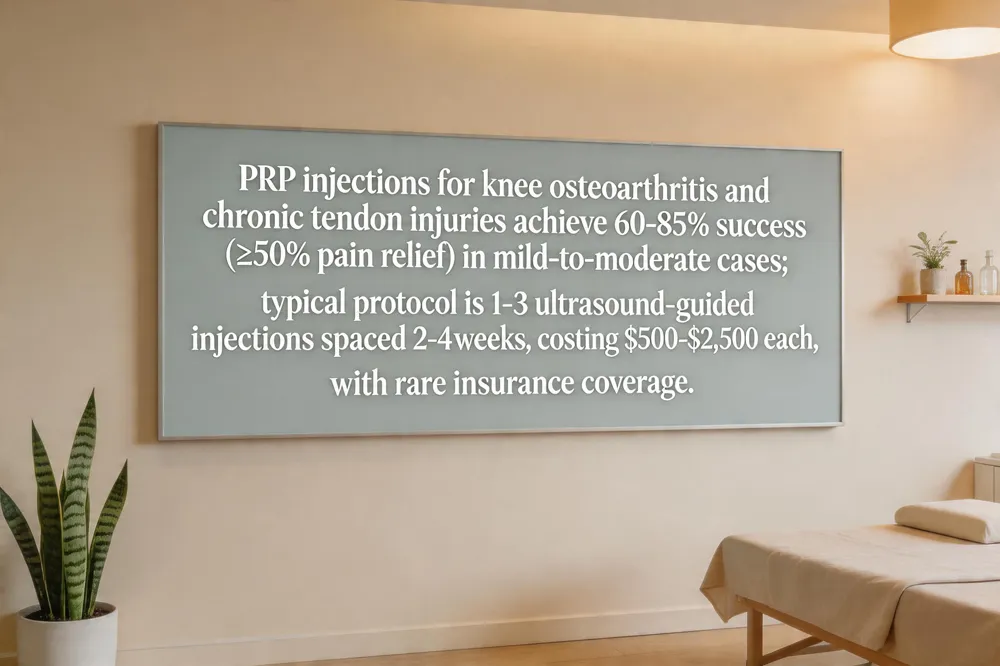 Platelet‑rich plasma (PRP) is a patient‑derived concentrate of platelets that releases PDGF, TGF‑β, VEGF and IGF‑1 to stimulate tissue repair. In orthopedics it is used for knee osteoarthritis (OA) and chronic tendon injuries such as tennis elbow, rotator‑cuff tendinopathy, and jumper’s knee. Systematic reviews and real‑world series report a 60‑85 % success rate—typically defined as ≥50 % pain and functional improvement—especially in mild‑to‑moderate OA (grades I‑III) and patients under 60. Most protocols involve one to three ultrasound‑guided injections spaced 2–4 weeks apart; each session costs $500‑$2,500 (average $800‑$1,200). Because PRP is classified as an investigational regenerative therapy, insurance rarely covers it; many practices accept cash, credit, HSA/FSA, and offer package discounts or financing. Contraindications include active infection, recent systemic steroids, anticoagulant therapy, cancer, uncontrolled diabetes, and platelet disorders. Patients should discuss a personalized treatment plan and cost estimate during the initial consultation.
Facial Rejuvenation: Benefits, Results, and Pricing
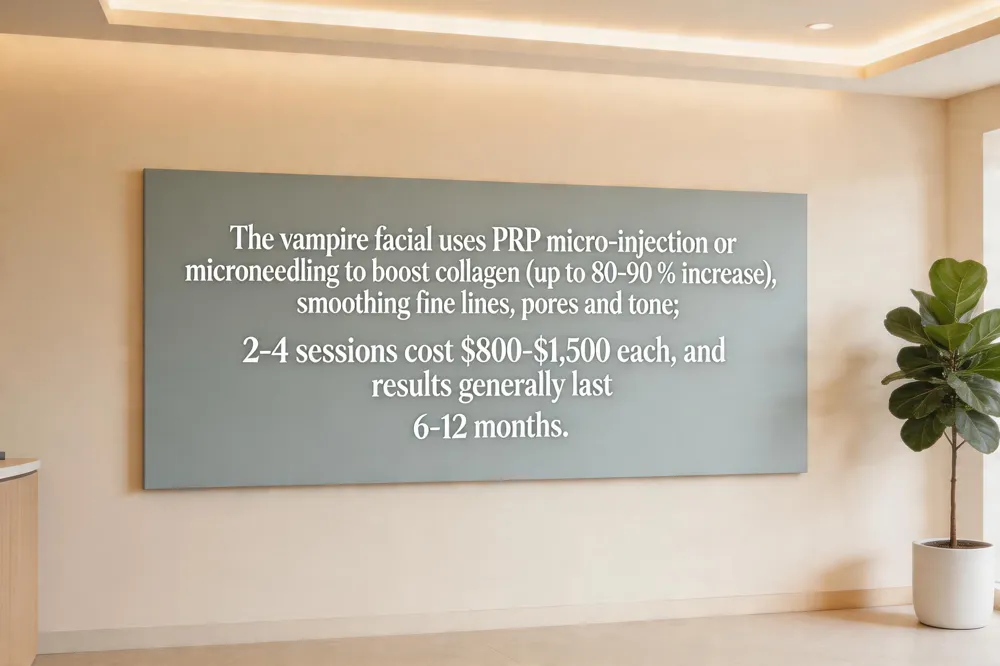 The vampire facial begins with a small blood draw, centrifugation to concentrate platelets, and micro‑injection of autologous PRP into the dermis or via microneedling. Growth factors (PDGF, TGF‑β, VEGF, IGF‑1) stimulate fibroblasts, boosting collagen, elastin, and extracellular‑matrix synthesis. Clinical series of three sessions spaced 2–3 weeks report measurable improvements in texture, pore size, wrinkle depth, firmness and elasticity, with objective tools (VISIA®, Cutometer) confirming higher dermal collagen density. Before treatment, patients often show fine lines, uneven tone, sun‑damage, and mild laxity; after a single session most notice smoother, brighter skin within 4–8 weeks, and collagen can rise 80‑90 % in some studies. Results typically last 6–12 months, prompting maintenance injections. In Brooklyn, a PRP facial costs $800‑$1,500 per session (average $1,000); a full series of 2‑4 treatments totals $2,000‑$6,000 and is usually not covered by insurance. Side‑effects are mild and transient—redness, swelling, pinpoint bruising, or brief tenderness—resolving within days; severe complications are rare when sterile technique is followed.
Hair Restoration: How PRP Works and What to Expect
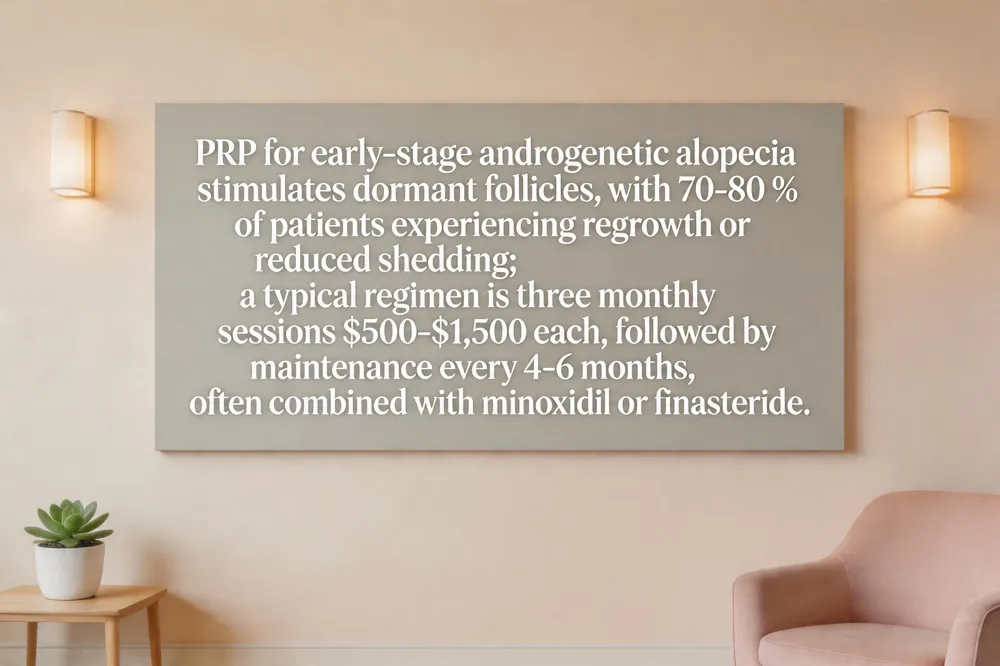 Platelet‑rich plasma (PRP) for hair loss begins with a small blood draw, centrifugation to concentrate platelets, and injection of the growth‑factor‑rich plasma into thinning scalp areas. The cocktail—especially VEGF, FGF and EGF—stimulates dormant follicles, prolongs the anagen phase, and can thicken shafts, making it most effective for early‑stage androgenetic alopecia. A typical regimen at Jana HealthCare includes three monthly sessions, followed by maintenance injections every 4‑6 months; results usually appear after three months and peak around one year. Clinical data show 70 %‑80 % of patients experience visible regrowth or reduced shedding, with patient‑reported satisfaction averaging 7.3 / 10. In New York, PRP hair restoration costs $500‑$1,500 per session, so a full series ranges $1,500‑$9,000, plus $500‑$1,000 for maintenance. Combining PRP with FDA‑approved therapies such as minoxidil or finasteride can enhance outcomes, offering a safe, minimally invasive option for both men and women seeking to restore hair density.
Finding PRP Care Near You and Practical Tips
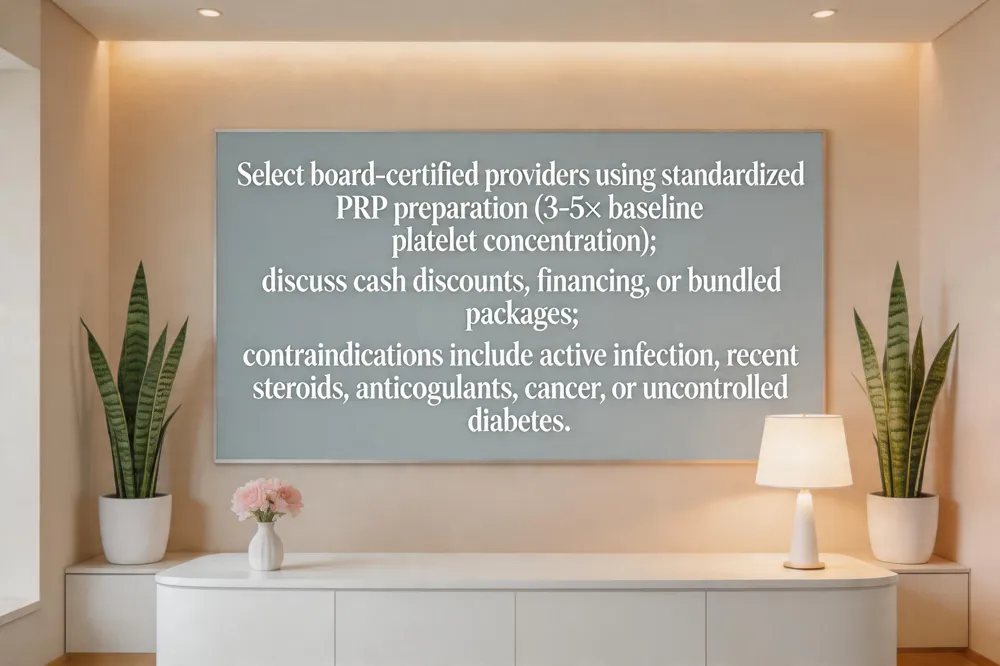 To locate a reputable PRP provider, start by checking board‑certified physicians, read patient reviews, and verify that the clinic follows standardized preparation protocols (single or double spin, platelet concentration 3‑5× baseline). During your first visit you’ll discuss goals, undergo a brief blood draw, and receive the PRP injection in the same session; most patients notice early improvement within weeks. Insurance rarely covers PRP, so ask about cash‑price discounts, financing plans, or bundled packages. Contraindications include active infection, recent steroids, anticoagulants, cancer, or uncontrolled diabetes; thorough screening ensures safety. Many practices, like Jana HealthCare in Brooklyn, integrate PRP with microneedling, laser resurfacing, and hyaluronic‑acid fillers for synergistic rejuvenation.
Platelet‑rich plasma therapy near me – PRP therapy uses your own concentrated platelets to accelerate healing and enhance skin texture. Jana HealthCare offers on‑site blood draw and injection, delivering noticeable results in a few weeks.
PRP facial near me – Our PRP facial combines microneedling with autologous plasma to boost collagen, reduce fine lines, and improve tone in a 30‑45‑minute session with minimal downtime.
How much does PRP skin rejuvenation cost? – Prices range from $250 to $1,500 per session; most patients complete 3‑6 sessions, so total costs can reach several thousand dollars. Ask for a detailed quote during your consultation.
Integrating PRP Into Your Health and Beauty Plan
Platelet‑rich plasma (PRP) bridges the worlds of joint health and skin by delivering the body’s growth factors to injured tissue and the dermis. In musculoskeletal care it speeds tendon and ligament repair, eases osteoarthritis pain, and reduces reliance on steroids; in dermatology it stimulates fibroblasts, boosts collagen and elastin, and smooths fine lines, pores and pigmentation. At Jana HealthCare each patient receives a tailored protocol—blood draw, centrifugation speed, platelet‑leukocyte mix, and injection schedule—designed around age, BMI and aesthetic goals. Ongoing research is standardizing centrifuge parameters and exploring combos such as hyaluronic acid or microneedling. Schedule a consultation to discover how a PRP plan can optimize movement and beauty.