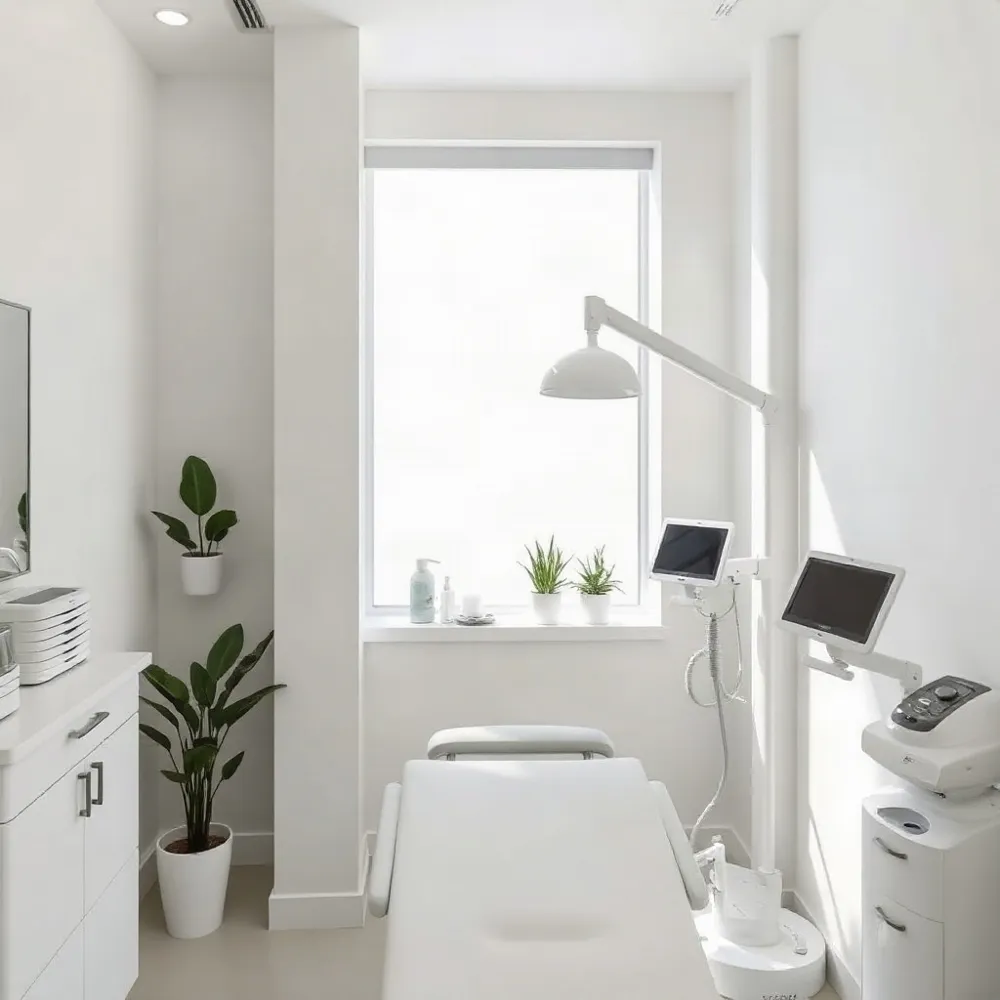
Overview of PRP Therapy for Skin Rejuvenation
What Is PRP Treatment?
Platelet-rich plasma (PRP) therapy uses a concentrated portion of a patient's own blood rich in platelets and growth factors. These components play a vital role in the body's natural healing and tissue repair processes.
How PRP Works for Skin Rejuvenation
PRP promotes skin rejuvenation by stimulating collagen and elastin production. These proteins support skin firmness, elasticity, and texture, helping to reduce fine lines, wrinkles, and scars. The growth factors in PRP encourage cellular regeneration and improve overall skin tone.
How the Procedure Is Performed
The treatment begins with drawing a small blood sample from the patient. The blood is then spun in a centrifuge to separate and concentrate the platelet-rich plasma. This concentrated PRP is applied to the skin either through injections or combined with microneedling, which enhances absorption and collagen stimulation. The procedure is minimally invasive and typically takes about an hour, with little to no downtime expected.
Understanding Platelet-Rich Plasma (PRP) and Its Role in Skin Rejuvenation

What is platelet-rich plasma (PRP) treatment and how does it work for skin rejuvenation?
Platelet-rich plasma treatment is a natural, regenerative therapy that uses your own blood to help rejuvenate your skin. The process starts by drawing a small sample of your blood, which is then spun in a centrifuge. This separates and concentrates platelets—the cells that carry numerous growth factors.
When injected or applied to the skin, these growth factors stimulate the production of collagen and elastin, which are key proteins responsible for skin firmness, elasticity, and smooth texture. Collagen naturally diminishes as we age, causing wrinkles and sagging. PRP helps counteract this by encouraging your body's own healing response to regenerate youthful skin.
How does PRP stimulate collagen and elastin production?
The platelets in PRP release biologically active proteins called growth factors. These proteins activate fibroblasts, the cells in your skin that produce collagen and elastin. As a result:
- Collagen levels increase gradually over weeks to months.
- Elastin production improves skin elasticity.
- Tissue repair mechanisms are enhanced, leading to tighter and more resilient skin.
This regeneration reduces fine lines, wrinkles, and scars while improving overall skin texture.
What effect does PRP have on skin texture, tone, and anti-aging?
PRP therapy improves skin in several ways:
- Smooths wrinkles and fine lines by restoring underlying skin support.
- Evens skin tone, reducing hyperpigmentation and sun damage.
- Diminishes acne scars and other blemishes.
- Enhances skin hydration and elasticity for a dewy, youthful glow.
- Stimulates cellular turnover, leading to fresher, brighter skin.
Because PRP is derived from your own blood, it minimizes risks like allergic reactions or infections.
How does coupling PRP with microneedling and other treatments enhance results?
Microneedling creates tiny punctures in the skin, which facilitate better absorption of PRP and further stimulate collagen production. Combining PRP with microneedling or laser therapies offers synergistic benefits:
- Accelerated healing and skin regeneration.
- Greater improvement in scars, texture, and wrinkles.
- Enhanced overall radiance and skin quality.
PRP can also be combined with dermal fillers or Botox for more comprehensive aesthetic enhancement.
In summary, PRP is a minimally invasive, customizable treatment that harnesses your body’s own healing power to rejuvenate skin naturally and safely, making it an appealing choice for those seeking youthful, radiant skin without surgery or significant downtime.
Safety Profile and Potential Side Effects of PRP in Facial Treatments

Is PRP treatment safe for skin rejuvenation?
PRP treatment is widely regarded as safe for skin rejuvenation because it uses the patient's own blood components. This autologous approach significantly minimizes risks such as allergic reactions or disease transmission. The concentrated platelets carry growth factors that stimulate tissue regeneration, collagen production, and improve blood vessel formation, which collectively enhance skin texture, tone, and elasticity. Most patients experience only mild, temporary side effects. However, because PRP protocols are not yet standardized and high-quality, controlled studies are limited, treatment outcomes and safety profiles may vary. Therefore, having PRP performed by licensed, experienced practitioners in accredited clinical settings that observe strict CDC and OSHA guidelines for PRP hygiene and safety guidelines is crucial to ensure the best results and patient safety.
What side effects or risks are associated with PRP treatment for the face?
When administered by qualified medical professionals, PRP facial treatments typically involve minor and short-lived side effects. Commonly reported reactions include redness, swelling, bruising, tenderness, and mild discomfort at injection or microneedling sites. These effects usually subside within a few days without intervention. More serious complications, such as the rare event of inadvertently injecting filler into a blood vessel causing tissue damage, are exceedingly uncommon but underscore the need for expert technique. Since PRP uses the patient's own tissue, allergic reactions or rejections are very rare. Ensuring a sterile environment and strict adherence to safety protocols further reduce risks.
Why is the clinical setting and credentialed provider important?
The safety and success of PRP treatments strongly depend on the skill and credentials of the provider and the clinical setting. Licensed and trained medical professionals, such as board-certified dermatologists or plastic surgeons, are best equipped to perform the blood draw, plasma preparation, and precision injections. Accredited facilities that follow CDC and OSHA guidelines for PRP for disinfection, use new sterile needles, and properly label blood products help prevent infections and cross-contamination. Patients should verify the provider’s experience and trust their judgment if any concerns arise about the facility’s standards.
Are there any contraindications or warning conditions?
PRP treatments are generally not recommended for individuals with certain medical conditions. These include blood-borne infections like HIV/AIDS or hepatitis C, blood cancers, clotting disorders, and those on blood thinners, as these conditions can affect platelet function or increase risk during blood draws and injections. Active skin cancers or severe sun damage on treatment areas are also contraindications. Patients with immune system impairments or recent cancer diagnoses should avoid PRP procedures. Proper medical consultation prior to treatment is essential to evaluate these factors and ensure safety.
Expected Outcomes and Longevity of PRP Skin Rejuvenation Results

What are the typical benefits of PRP treatment for the face?
PRP treatment offers numerous benefits for facial rejuvenation by harnessing the body's natural healing capabilities. It stimulates collagen and elastin production, essential proteins that maintain skin firmness, elasticity, and structure. Patients often notice improved skin texture and tone, enhanced brightness, and better overall contour. Fine lines and wrinkles are reduced, and skin volume may be increased, contributing to a more youthful look.
Additionally, PRP encourages skin cell regeneration and reduces signs of aging such as acne scars and sun damage. When combined with hyaluronic acid fillers, as in the popular vampire facelift, PRP provides both immediate volume restoration and longer-term skin quality improvements.
Timeline for visible results
Initial improvements from PRP skin treatments usually appear within two weeks as collagen synthesis ramps up. However, full effects generally develop gradually over several weeks to months, with continued collagen growth producing ongoing skin rejuvenation. The healing and inflammatory responses triggered by PRP promote tissue repair without significant downtime.
Duration of results and maintenance recommendations
Results from PRP facial rejuvenation typically last from 12 to 18 months, though longevity varies with individual factors such as age, skin health, and lifestyle habits like sun exposure. To maintain and enhance results, many patients benefit from periodic follow-up or maintenance sessions every 6 to 12 months. Consistent use of sun protection and skincare routines can further support lasting benefits.
Combination with fillers like hyaluronic acid
Combining PRP with dermal fillers like hyaluronic acid enhances facial contouring and volumization. While PRP promotes long-term collagen remodeling, fillers offer immediate plumping and wrinkle reduction. This synergistic approach can lead to more comprehensive facial rejuvenation effects lasting up to 18 months, providing a minimally invasive alternative to surgical facelifts with quicker recovery.
Treatment Protocols and Recommended Sessions for Optimal Skin Rejuvenation
How many PRP treatments are recommended to achieve optimal facial rejuvenation results?
For best outcomes in facial rejuvenation, a series of 3 to 4 PRP treatment duration spaced 4 to 6 weeks apart is commonly recommended. This schedule supports the body's natural healing mechanisms to progressively enhance collagen and elastin production, resulting in improved skin texture, tone, and elasticity.
Number and spacing of PRP sessions
Most patients notice initial improvements after a single session, but the cumulative effect of multiple treatments leads to more significant and lasting rejuvenation. Dermatologists often suggest maintenance sessions once or twice a year following the initial treatment series to preserve the youthful skin benefits.
Maintenance treatments
Maintenance treatments help reinforce collagen synthesis and skin regeneration over time, extending the results which typically last between 12 and 18 months. Regular follow-ups allow ongoing skin optimization and adaptation to individual aging processes.
Patient suitability and contraindications
Ideal candidates are individuals over 18 years old seeking to address early signs of aging, uneven skin tone, fine lines, or acne scars. However, PRP is not recommended for people with blood disorders, active infections, cancer, or those on blood thinners due to potential risks involving platelet function. For more details on PRP treatment contraindications, consult qualified healthcare providers.
Treatment duration and post-care
Each PRP session lasts approximately 45 minutes to an hour, which includes blood draw for PRP, centrifugation, and application. Patients generally experience minimal downtime, with mild redness or swelling resolving within a day. Post-treatment care involves avoiding direct sun exposure, applying sunscreen, and refraining from heavy makeup or vigorous exercise for at least 24 hours to ensure optimal healing and results. For more information on post-treatment care for PRP facials, please refer to relevant medical guidelines.
Expanding the Scope: PRP Uses Beyond Skin Rejuvenation

Does PRP therapy effectively promote hair regrowth and address hair loss?
PRP therapy is recognized as an effective treatment to promote hair regrowth, particularly for androgenetic alopecia (AGA). This approach uses growth factors concentrated in the patient's own Platelet-Rich Plasma (PRP) Injections, which are injected into the scalp after blood is drawn and centrifuged. These growth factors stimulate dermal papilla cells responsible for hair follicle activity, potentially increasing hair density and thickness.
Clinical evidence supports benefits lasting up to 12 months, although multiple treatment sessions are usually recommended to sustain results. PRP treatment for hair loss is considered safe, causing only mild side effects such as transient pain or swelling at injection sites. While promising, ongoing research aims to optimize protocols and evaluate efficacy for different hair loss conditions.
Is PRP effective for treating bursitis and tendon injuries?
PRP injections have shown potential in treating bursitis and tendon injuries by enhancing tissue regeneration through the delivery of concentrated platelets, cytokines, and growth factors. For example, shoulder impingement syndrome – a common condition involving bursitis and tendon inflammation – has responded favorably to PRP, with improvements in pain, function, and healing time.
This therapy is particularly valuable when conventional treatments like physical therapy or steroid injections fail. While individual outcomes may vary, specialists in regenerative medicine endorse Platelet-Rich Plasma (PRP) Injections as a promising option. Consulting with experienced healthcare providers is essential to assess suitability and expected benefits.
How does PRP therapy work for knee osteoarthritis and how effective is it?
In knee osteoarthritis, PRP therapy involves injecting a plasma rich in platelets directly into the affected joint to stimulate tissue repair and reduce inflammatory processes. Numerous studies demonstrate that PRP can alleviate pain and enhance joint function, often outperforming alternatives like hyaluronic acid injections. Results may persist for 6 to 12 months or longer.
The precise formulation of PRP varies, and higher platelet concentrations could produce better therapeutic outcomes, yet standardized treatment protocols are still under development. Clinical experience with thousands of patients indicates a favorable safety profile and mild adverse effects.
However, recent rigorous studies present mixed results regarding PRP’s ability to significantly regenerate cartilage or provide consistent symptom relief, emphasizing the need for further quality research to define optimal usage.
Combining PRP with other therapies
Platelet-Rich Plasma (PRP) Injections is frequently combined with other treatments to enhance efficacy. For hair loss, it may be used alongside medical therapies such as minoxidil or low-level laser therapy. In musculoskeletal care, PRP is sometimes part of a multidisciplinary approach involving physical rehabilitation or corticosteroid injections.
In aesthetics, PRP can complement dermal fillers or microneedling to boost collagen synthesis and skin rejuvenation. Such combinations provide personalized care tailored to patient goals while maximizing the regenerative potential of these therapies.
| Use Case | How PRP is Applied | Benefits and Considerations |
|---|---|---|
| Hair Regrowth | Injected into scalp post-centrifugation | Increases hair density; requires multiple sessions; safe with mild side effects |
| Tendon & Bursitis Injuries | Injection into injured tendons/bursa | Promotes healing; reduces pain; variable outcomes; best under specialist care |
| Knee Osteoarthritis | Intra-articular knee injection | Pain relief and improved function; mixed evidence on cartilage regeneration |
| Combined Therapies | Combined with laser, fillers, or medication | Enhances results; tailored to individual needs |
Conclusion: Embracing PRP for Safe and Effective Skin Renewal
Harnessing the Natural Healing Power of PRP
Platelet-Rich Plasma (PRP) therapy is a safe, minimally invasive treatment that uses your own blood to encourage natural skin healing and collagen production. This biocompatible approach minimizes risks like allergic reactions and can improve skin texture, reduce wrinkles, and enhance overall radiance.
Prioritizing Expert Care and Setting Realistic Expectations
To ensure the best outcomes, it is crucial to seek treatment from licensed and experienced practitioners who follow strict hygiene protocols. Patients should understand that results develop gradually, often requiring multiple sessions for lasting improvements.
Personalized Consultation: The First Step to Optimal Skin Health
Consulting a qualified healthcare provider helps tailor PRP treatment to individual skin needs and medical history. This personalized approach maximizes safety and effectiveness, empowering you on your journey to youthful, rejuvenated skin.