Why Decade‑Specific Skincare Matters
Skin health changes dramatically across the lifespan. Collagen production peaks in the teens and early 20s, then declines by about 1 % each year, accelerating after the mid‑20s and dropping another 30 % within five years of menopause. This loss of structural protein explains why fine lines, loss of firmness, and deeper wrinkles become more noticeable in the 30s, 40s, and especially the 50s. Meanwhile, cumulative sun exposure is the single greatest external driver of aging, breaking down collagen and elastin, causing hyperpigmentation, and raising skin‑cancer risk. Daily broad‑spectrum SPF 30+ protects the skin barrier and preserves the remaining collagen matrix at any age. Because the skin’s barrier, hydration needs, and hormonal milieu evolve, a flexible, evidence‑based routine—gentle cleansing, antioxidant serums (vitamin C, niacinamide), retinoids, hyaluronic acid, ceramides, and targeted eye treatments—must be adjusted each decade. Tailoring products to these physiological shifts maximizes prevention, supports natural repair, and enhances aesthetic results while promoting overall wellness.
Building a Strong Skincare Foundation in Your 20s
 A solid 20‑year‑old routine starts with a gentle cleanser, pH‑balanced that removes makeup and excess oil without stripping the barrier. Follow with a lightweight antioxidant serum—vitamin C in the morning—to neutralize free‑radical damage and boost collagen synthesis. A broad‑spectrum SPF 30+ sunscreen is non‑negotiable; daily use prevents early wrinkles, sunspots, and skin‑cancer risk. For hydration, a hyaluronic‑acid moisturizer (or a ceramide‑rich gel) keeps the skin plump and supports barrier resilience. Low‑dose retinol or bakuchiol (0.1‑0.3% strength) can be introduced in the late 20s; start a few nights a week and pair with moisturizer to minimize irritation—27 is not too early for retinol.
Best products: INKEY List Salicylic Acid Acne + Blackhead Cleanser, Paula’s Choice 2% BHA Toner, The Ordinary Niacinamide 10% + Zinc 1%, Farmacy Daily Greens Oil‑Free Gel Moisturizer, EltaMD UV Clear SPF 30.
K‑beauty routine: double cleanse (oil balm + gentle foamer), hydrating toner/essence, vitamin C or niacinamide serum, ceramide‑rich moisturizer, broad‑spectrum SPF 30+ sunscreen.
25‑year‑old routine: gentle cleanser, vitamin C serum AM, hyaluronic‑acid serum PM, broad‑spectrum SPF 30+ sunscreen, mild AHA/BHA 2‑3×/week, occasional low‑dose retinol or peptide night cream.
Targeted Anti‑Aging Strategies for Your 30s
 In the late 20s‑early 30s, introducing retinol or retinal boosts collagen and accelerates cell turnover. Start with a low‑frequency nightly dose (2‑3 times/week) and increase as tolerated. Pair retinol with a night cream rich in niacinamide and peptides; Olay Regenerist Night Recovery Cream and RoC Retinol Correxion Line Smoothing Max Hydration Cream are dermatologist‑approved options that hydrate, reinforce the barrier, and smooth early fine lines.
For budget‑friendly Amazon finds, Neutrogena Rapid Wrinkle Repair, Olay Retinol Night Cream, and La Roche‑Posay Pure Retinol Serum deliver proven actives at drugstore prices. Ages 31‑35 benefit from Murad Retinal ReSculpt Cream, which blends moderate retinol with peptides and hyaluronic acid for firming without dryness.
Weekly chemical exfoliation (1‑2 times) with a gentle AHA/BHA (e.g., glycolic or lactic acid) removes dead cells, improves texture, and enhances the absorption of retinol and antioxidant serums. Always finish with SPF 30+ in the morning to protect the renewed skin. Eye creams containing hyaluronic acid or peptides reduce crow’s feet, while adequate sleep, hydration, and a diet rich in antioxidants amplify the benefits of these actives.
Optimizing Skin Health in Your 40s on Budget and Luxury
 A solid 40s routine begins with daily broad‑spectrum SPF 30+ to block UVA/UVB, the single most effective anti‑aging step. Follow with a gentle cleanser and a barrier‑repair moisturizer that contains hyaluronic acid, ceramides, and niacinamide to lock in moisture and keep the skin resilient.
Retinol and stronger retinoids are introduced at night (0.3‑0.5 % OTC or prescription) to boost collagen, smooth fine lines, and improve texture. Pair them with peptide‑rich moisturizers (e.g., CeraVe Skin Renewing Day Cream or RoC Retinol Correxion Line Smoothing Max Hydration Cream) for added firmness and plumping.
The delicate eye area benefits from a lightweight peptide or hyaluronic eye cream to reduce crow’s feet, puffiness, and dark circles.
Cost‑effective options: Vanicream cleanser, The Ordinary Vitamin C 3 % + Complex of Tocopherol, and The Ordinary Retinol 0.2 % in Squalane deliver results without breaking the bank. For luxury seekers, consider a peptide‑infused moisturizer from a medical‑grade line.
Lifestyle adjustments—adequate sleep, antioxidant‑rich diet, regular hydration, stress management, and avoidance of smoking/alcohol—amplify topical benefits and support long‑term skin health.
Best anti‑aging cream for people in their 40s: RoC Retinol Correxion Line Smoothing Max Hydration Cream, which combines retinol, hyaluronic acid, and ceramides for smooth, hydrated skin.
Dermatologist‑recommended routine for a 40‑year‑old female: Gentle sulfate‑free cleanser → vitamin C serum → SPF 30+ (or SPF moisturizer) → night cleanse → low‑dose retinol → ceramide/niacinamide moisturizer.
What should a 40‑year‑old skin care routine look like?: Cleanse, antioxidant vitamin C, hyaluronic‑acid peptide moisturizer, SPF in the morning; retinol 2‑3 times weekly, barrier‑repair moisturizer at night; weekly gentle chemical exfoliation.
Best skin care routine for 40s on a budget: Vanicream or CeraVe cleanser → The Ordinary Vitamin C → hyaluronic serum → breathable SPF moisturizer → night retinol (0.2 %) → same barrier‑repair moisturizer.
Professional Procedures and Advanced Ingredients Across Decades
 Across the 20s through the 50s, dermatologists combine topical actives with in‑office procedures to keep skin resilient and radiant.
Chemical peels (AHA/BHA) and fractional laser resurfacing remove sun‑damaged cells, fade hyperpigmentation and stimulate collagen, making them especially useful in the 30s and 40s when early spots and texture changes appear.
Microneedling, often paired with radio‑frequency (RF) or PRP, creates micro‑injuries that trigger fibroblast activity; the result is firmer skin and smoother fine lines, a strategy favored in the 40s and 50s.
Injectable fillers (hyaluronic‑acid based) restore lost volume, while neuromodulators such as Botox relax dynamic muscles to prevent crow’s feet and deeper lines; both can be introduced in the late 30s and refined later.
Growth‑factor serums (e.g., peptide‑rich or PRP‑derived) deliver signaling molecules that boost cellular renewal and support barrier repair, complementing antioxidant regimes.
Prescription‑strength retinoids (tretinoin, adapalene) are the gold standard for collagen induction; starting low and increasing frequency under guidance maximizes benefits while minimizing irritation.
Comprehensive Anti‑Aging Regimen for Your 50s
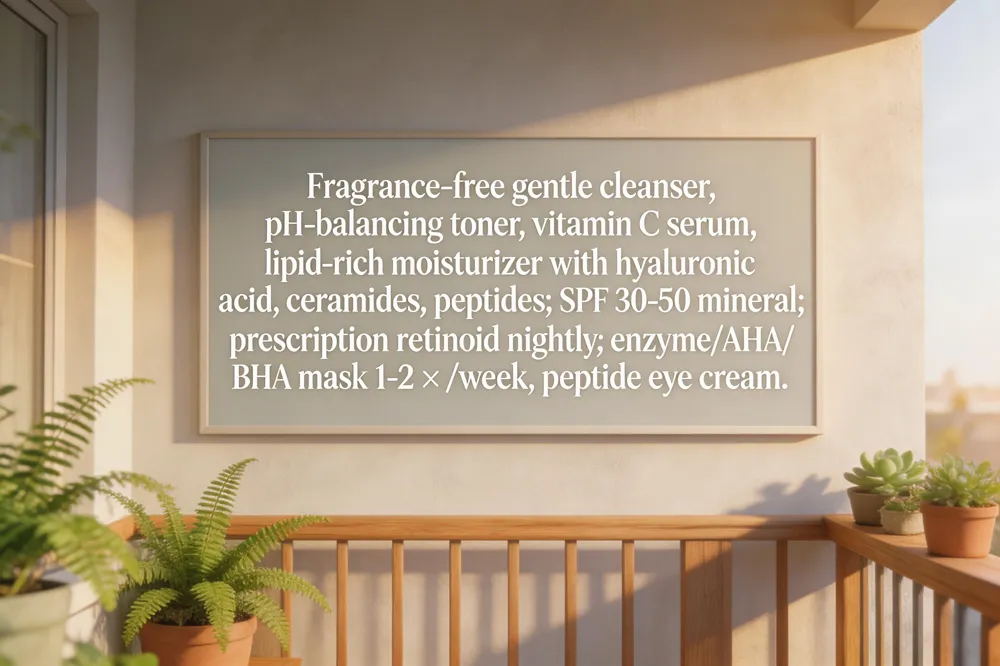 A 50‑year‑old skin‑care routine should start with a gentle, fragrance‑free cleanser and a pH‑balancing toner to protect the thinning barrier. In the morning, apply a vitamin C antioxidant serum then a rich, lipid‑rich moisturizer that blends hyaluronic acid, ceramides, and peptides to lock in moisture and stimulate collagen. Finish with broad‑spectrum SPF 30‑50 (mineral filters preferred) and a targeted eye cream containing peptides or caffeine for crow’s feet and dark circles. At night, use a prescription‑strength retinoid or high‑potency retinol to boost cell turnover and improve texture, followed by the same peptide‑infused cream for barrier repair. Gentle exfoliation—once or twice weekly with an enzyme or low‑percentage AHA/BHA mask—keeps cells fresh without stripping. Natural maintenance includes staying hydrated, eating antioxidant‑rich foods, getting 7‑9 hours sleep, and managing stress. This balanced approach, supported by dermatologists can visibly improve texture, firmness and radiance even after 50.
Lifestyle, Nutrition, and Proven Ingredients to Appear Decades Younger
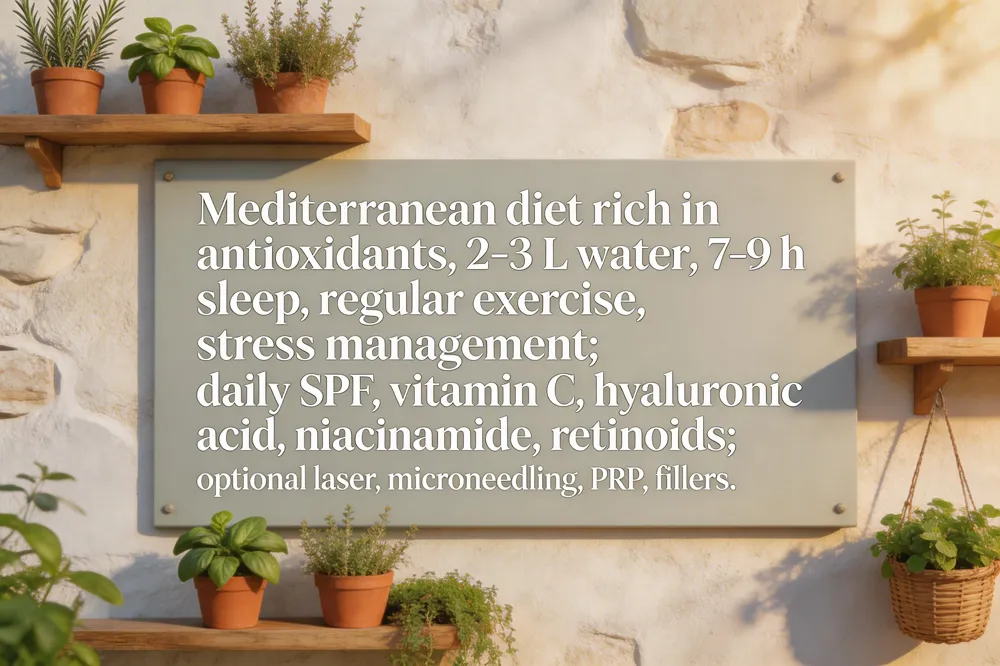 A Mediterranean‑style diet rich in berries, leafy greens, nuts and olive oil supplies antioxidants (vitamin C, polyphenols, pterostilbene) that protect skin from free‑radical damage and boost collagen. Combine this with 2‑3 L of water daily and 7‑9 hours of sleep in a cool, dark room to keep the barrier hydrated and allow overnight repair. Regular aerobic exercise, strength training and yoga improve circulation, muscle tone and posture, while mindfulness or breathing techniques lower cortisol‑driven inflammation. Skincare should focus on proven actives: vitamin C serums for brightening, hyaluronic acid for plumping, niacinamide and ceramides for barrier repair, and retinoids (retinol or prescription‑strength) to stimulate collagen and cell turnover. Non‑surgical aesthetic options—laser resurfacing, microneedling PRP therapy and hyaluronic acid fillers—further smooth fine lines and restore volume without surgery.
What makes a woman look 10 years younger? A skin‑rich Mediterranean diet with powerful antioxidants, daily broad‑spectrum SPF, vitamin C serums, retinoids, regular exercise, adequate sleep, stress‑reduction, hydration and optional PRP, laser resurfacing or hyaluronic acid fillers can together make a woman appear roughly a decade younger.
What is the best anti‑aging cream that really works? Dermatologists and testing rank RoC Retinol Correxion Line Smoothing Max Hydration Cream as the most effective, delivering retinol’s collagen‑stimulating power with hyaluronic acid’s plumping effect; Neutrogena Rapid Wrinkle Repair Daily Face Moisturizer with SPF 30 is a budget‑friendly alternative.
How to take 20 years off your face? 1. laser resurfacing to correct photo‑damage; 2. Blepharoplasty (eyelid lift) to restore youthful eye contours; 3. Facial fat transfer to replace lost volume.
Understanding Skincare Science and Consumer Trends
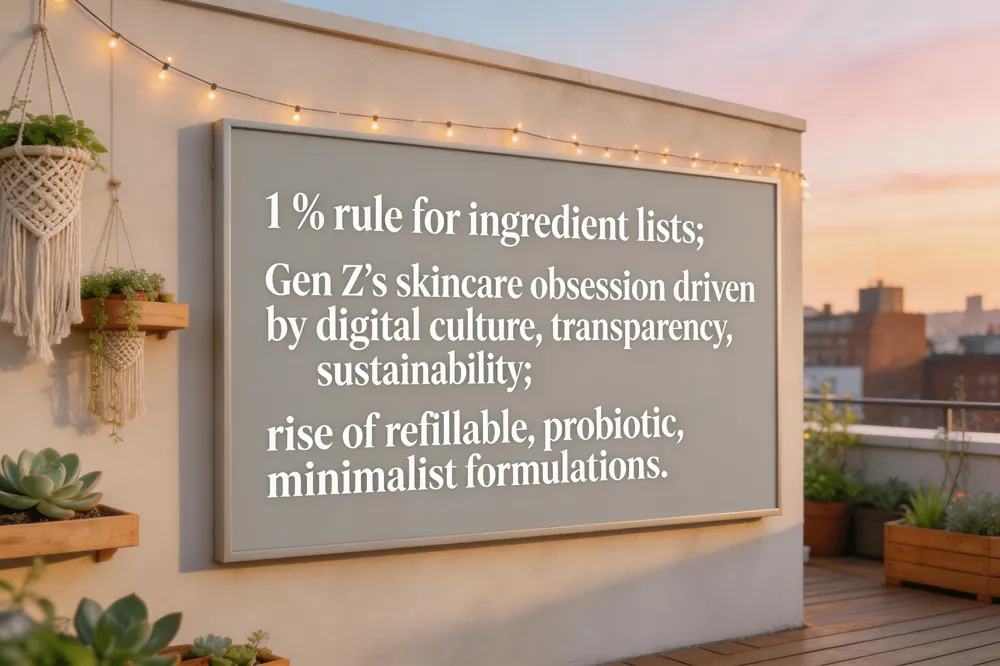 The 1 % rule for ingredient lists means manufacturers order components by concentration only until an ingredient reaches 1 % of the formula; below that threshold the order is free, so actives, preservatives or fragrances can sit near the bottom yet still be effective. Gen Z’s skincare obsession stems from digital‑native culture: flawless skin is a branding tool on Instagram and TikTok, and the ritual offers stress relief, self‑care and community validation. Transparency in labeling—clear disclosure of sources, clean‑ingredient claims and sustainability metrics—feeds this demand for authenticity. Consumer‑driven product innovation follows, with brands launching refillable packaging, probiotic‑based serums and minimalist formulas that prioritize efficacy over hype. Why is Gen Z obsessed with skincare? They view routines as personal expression, mental‑well‑being practice and ethical statement, gravitating toward products that align with their values. What is the 1 % rule? It governs how ingredients are listed, allowing low‑percentage actives to remain hidden but still impactful.
Seasonal and Holistic Skin Care Tips
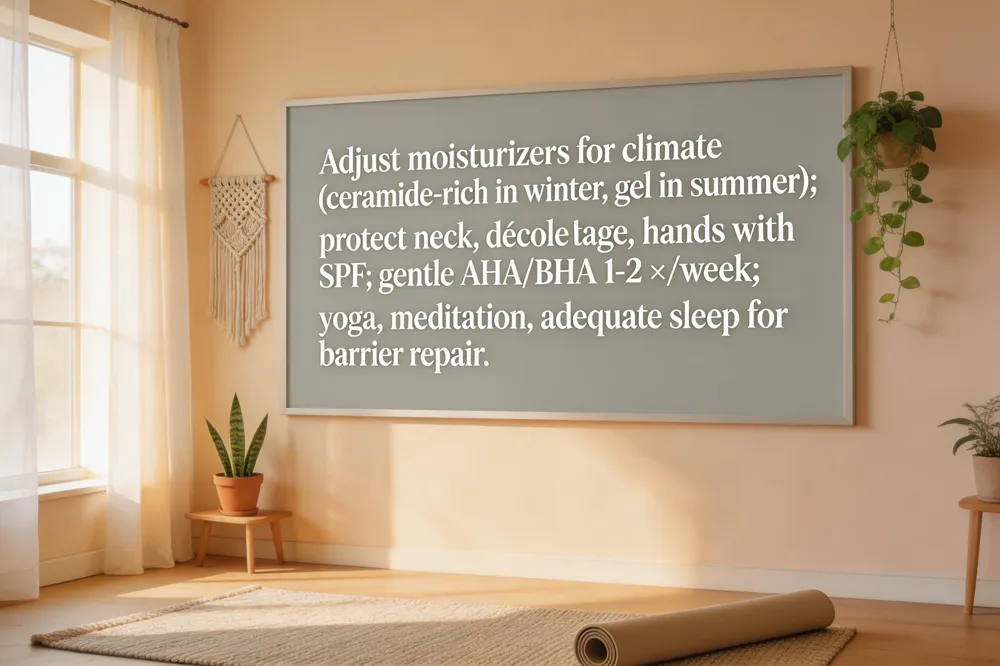 Changes in temperature, humidity, and UV intensity call for a flexible skincare strategy. In dry winter air, swap lightweight moisturizers for barrier‑repair creams rich in ceramides, hyaluronic acid, and glycerin to stop transepidermal water loss; in humid summer, opt for non‑comedogenic gels that keep oil in check while still delivering antioxidants like vitamin C. The neck, décolletage, and hands are thin, sun‑exposed surfaces that age first—apply a broad‑spectrum SPF 30+ sunscreen daily, follow with a peptide‑infused moisturizer, and consider gentle chemical exfoliation (AHA/BHA 1–2×/week) to maintain radiance. Mind‑body practices such as yoga, meditation, and regular aerobic exercise improve circulation and reduce oxidative stress, amplifying the benefits of topical antioxidants. Prioritizing stress reduction and sleep hygiene—7–9 hours of restorative sleep, screen‑free wind‑down routines, and stress‑management techniques—supports the skin’s nightly repair cycle, helps collagen synthesis, and minimizes cortisol‑driven inflammation. Together, these seasonal and holistic habits reinforce the skin’s barrier, protect against UV‑induced damage, and promote a calm, youthful complexion at any age.
Your Decade‑by‑Decade Roadmap to Timeless Skin
A solid skincare foundation starts with three daily basics—gentle cleansing, broad‑spectrum SPF 30+ sunscreen, and a hydrating moisturizer—regardless of age. In your 20s, add a vitamin C serum for antioxidant protection and, if tolerated, a low‑dose retinol or bakuchiol to boost early collagen synthesis. Transition to the 30s by introducing stronger retinoids (retinol, Granactive Retinoid) and peptide‑rich serums, while maintaining hyaluronic acid and niacinamide for barrier health. In the 40s, enrich your routine with ceramide‑based moisturizers, targeted eye creams, and consider quarterly chemical peels or laser resurfacing to address pigmentation and fine lines. The 50s call for richer, lipid‑dense moisturizers, prescription‑strength retinoids, and periodic in‑office procedures such as fillers, Botox, or advanced laser resurfacing to restore volume and smooth deeper wrinkles. Throughout every decade, schedule personalized skin‑health check‑ups at Jana HealthCare—these consultations tailor actives, timing, and professional treatments to your unique skin type, lifestyle, and aesthetic goals.