Understanding Skin Vulnerability After Laser Treatments
Skin Condition Post-Laser Treatment
Laser treatments induce controlled damage to the skin to promote renewal and improve texture and tone. This process temporarily weakens the skin's natural barrier, increasing its vulnerability to environmental factors such as bacteria, UV radiation, and irritants.
Common Side Effects and Skin Sensitivity
Following treatment, it is normal to experience redness, swelling, itching, stinging, peeling, and crusting. These symptoms reflect the skin's healing stages—initial inflammation, tissue proliferation, and eventual remodeling. Some patients may also have oozing or blistering, while about one-third can develop post-inflammatory hyperpigmentation, more commonly seen in darker skin tones. Sensitivity to UV exposure can persist up to a year, making protection critical.
Importance of Proper Post-Treatment Care
Supporting the skin's repair through gentle, hydrating cleansers and moisturizers with ingredients like hyaluronic acid, ceramides, and niacinamide is essential. Avoiding harsh products, including exfoliants, retinoids, and alcohol-based formulas, helps prevent irritation and setback. Rigorous sun protection with mineral sunscreens of SPF 30 or higher, applied regularly, is vital to prevent complications such as hyperpigmentation. Additional care strategies include using cool compresses in the early days and avoiding activities that increase heat or sweating to promote comfortable and effective healing.
Key Skincare Ingredients to Avoid Immediately After Laser Treatments
Which skincare ingredients should be avoided after laser treatments?
After undergoing laser treatments, the skin becomes especially sensitive and vulnerable. To support optimal healing, it is important to avoid certain skincare ingredients that can exacerbate irritation or delay recovery.
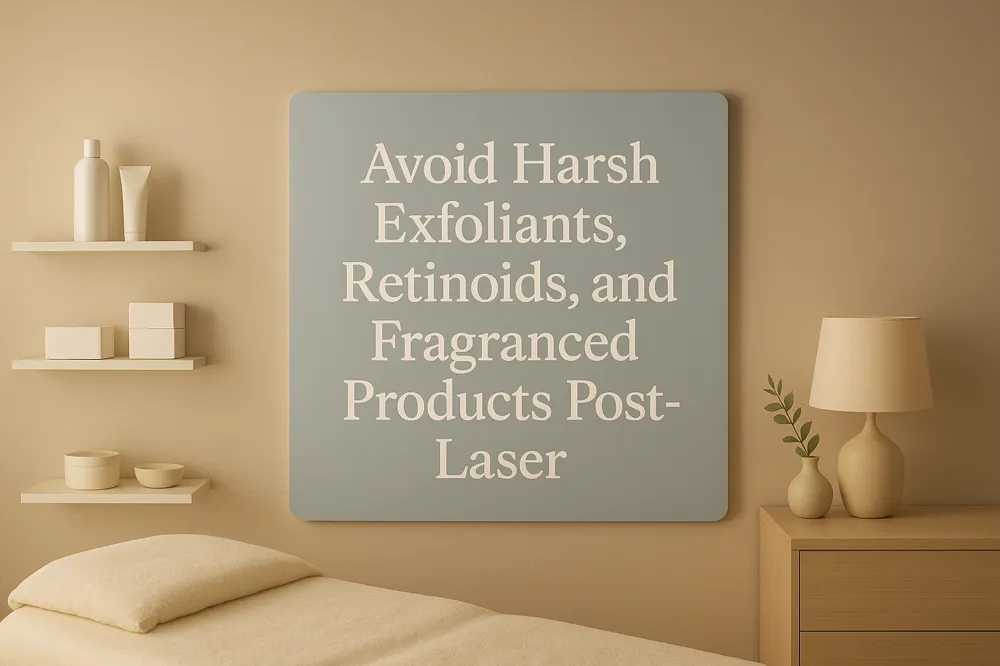
Harsh exfoliants such as physical scrubs and chemical exfoliants containing alpha hydroxy acids (AHAs) and beta hydroxy acids (BHAs) should be paused. These can strip the weakened skin barrier after laser treatment and increase redness, swelling, or peeling.
Retinoids and active acids like retinol, glycolic acid, salicylic acid, and other exfoliating agents are too aggressive in the early recovery period. These ingredients may cause stinging, redness, and prolong inflammation when the skin is still repairing. Avoiding these falls under ingredients to avoid after laser treatments.
Alcohol-based and fragranced products should also be avoided, as alcohol can dry out the skin and fragrances can trigger allergic or irritant reactions. These contribute to discomfort and hinder the skin barrier’s restoration.
Overall, any product that contains strong irritants or sensitizing components—such as toners with alcohol, exfoliating masks, or medicated washes—should be replaced with gentle cleansing post-laser, non-comedogenic, fragrance-free alternatives.
By steering clear of these ingredients and following your dermatologist's guidance, you can promote a smoother healing process and improve treatment outcomes. A simple routine focused on hydration and sun protection is safest during this sensitive phase as recommended in post-laser skin care.
Recommended Skincare Products to Support Post-Laser Healing
What skincare products are recommended for use after laser treatment?
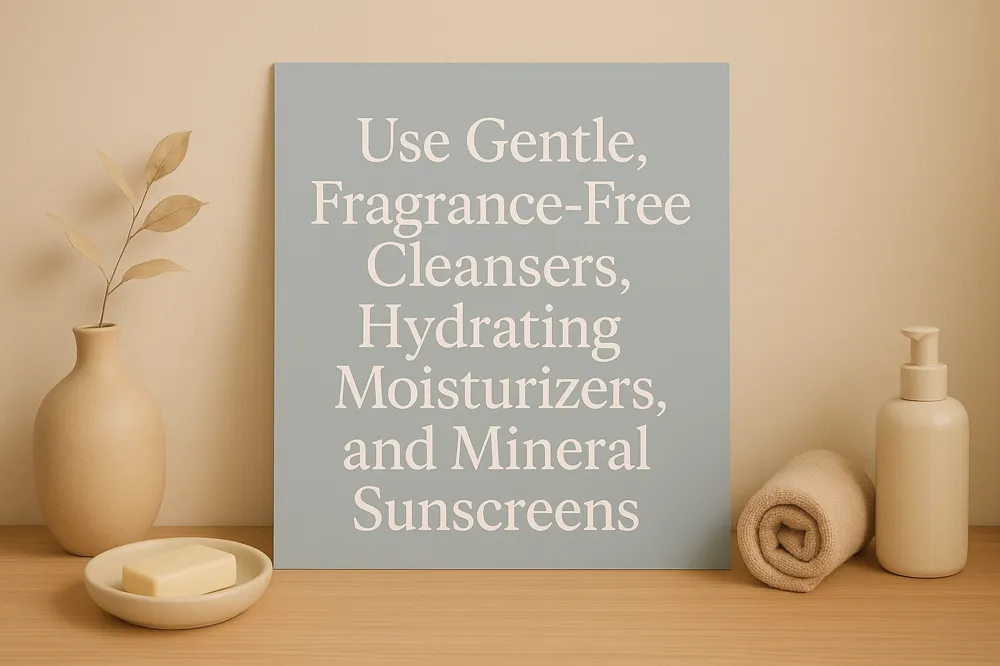
Post-laser skin requires gentle care to support healing and avoid irritation. Initially, use mild, fragrance-free cleansers that do not contain active ingredients or exfoliants. Suitable cleansers include gentle foaming types such as those with amino acids, which help cleanse without stripping skin or causing sensitivity (gentle cleansing post-laser, gentle cleansing for healing skin, Gentle cleanser recommendations).
Hydrating moisturizers are crucial for restoring the skin barrier. Look for products containing ingredients like hyaluronic acid, ceramides, niacinamide, and panthenol, which aid in soothing inflammation and repairing damaged skin (hydrating moisturizers for healing, hydration and barrier repair ingredients, Moisturizers with ceramides and hyaluronic acid, Hydrating skin with fragrance-free moisturizer.
Simple ointments like Aquaphor or Vanicream offer protective hydration, especially in the first 24 to 48 hours post-treatment (Barrier creams for skin protection, Using barrier creams.
Sun protection is vital, as skin remains hyper-sensitive to UV rays for up to a year after laser therapy. Mineral-based sunscreens featuring zinc oxide or titanium dioxide with SPF 30 or higher are recommended. These provide broad-spectrum protection without irritating healing skin (mineral sunscreens after laser, mineral-based sunscreens for post-laser care, Sun protection SPF 30+ after laser, Protect skin from the sun after laser treatment).
Barrier creams may also be applied to shield the skin from environmental irritants and support regeneration. Ingredients such as aloe vera and chamomile extract add soothing benefits and can alleviate redness and discomfort (healing ingredients for skin).
Avoid products containing retinoids, vitamin C, glycolic acid, salicylic acid, alcohol, fragrances, and harsh exfoliants until the skin fully recovers—typically 7 to 14 days or as advised by your dermatologist (ingredients to avoid after laser, Avoiding Harsh Ingredients Post-Laser Treatment, Steering Clear of Exfoliants and Retinoids After Laser Procedures, Pause exfoliants and retinoids after laser).
Additionally, abstain from heat exposure including saunas, steam rooms, hot showers, and intense exercise during initial recovery to prevent inflammation (Avoid hot showers after laser treatment, Skipping strenuous workouts post-laser.
For optimal healing and results, consult your skincare professional to tailor product choices based on your skin type and specific laser treatment (Post-laser-treatment skincare tips, Consult healthcare provider for post-laser care.
Crafting the Best Skincare Routine After Laser Procedures
What is the best skin care routine after laser treatment?
After laser treatments, your skin is especially delicate and vulnerable due to the controlled damage caused to stimulate healing. An ideal skincare routine emphasizes soothing, protecting, and supporting skin recovery. For comprehensive advice on building a skincare routine after laser treatments, refer to trusted resources.
Cold Compress Application
Cold compresses are highly beneficial within the first 24 to 48 hours after treatment. They help reduce redness, swelling, and stinging sensations by cooling the skin and alleviating discomfort. Apply a clean, cool compress several times a day as needed but avoid excessive pressure or moisture that can irritate the skin further. For detailed guidance on using cool compresses post-laser check expert advice.
Avoiding Heat Exposure and Strenuous Activities
Heat sources like hot showers, saunas, steam rooms, and intense physical exercise can increase skin inflammation and delay healing. It’s important to avoid such activities during the initial recovery phase, generally the first week post-treatment. This reduces the risk of swelling, increased redness, and prolonged recovery. Learn more about activities to avoid post-laser to safeguard your skin.
Moisturizing and Cleansing Best Practices
Use gentle, fragrance-free, non-irritating cleansers that do not contain active ingredients such as retinoids, alpha or beta hydroxy acids, or alcohols. Mild foaming or amino acid–based cleansers maintain cleanliness without stripping hydration. This aligns with recommendations for gentle cleansing post-laser and gentle cleanser recommendations.
Moisturizing is vital to rebuild the skin's natural barrier. Look for products rich in hydrating and reparative ingredients like hyaluronic acid, ceramides, niacinamide, and panthenol. Barrier creams may also be recommended to protect and aid regeneration. Avoid harsh exfoliants or irritants until the skin is fully healed. For more, see hydrating moisturizers for healing and healing ingredients for skin.
Importance of Sun Protection and Reapplication
Post-laser skin is extremely sensitive to ultraviolet (UV) radiation for up to a year. Daily use of broad-spectrum mineral sunscreens containing zinc oxide or titanium dioxide with SPF 30 or higher is essential. Sunscreen should be reapplied every 90 minutes if you are outdoors, combined with physical barriers such as hats or protective clothing. Sun protection prevents complications such as hyperpigmentation and supports optimal healing. Refer to guidelines on UV protection after laser treatment and mineral sunscreens after laser for details.
Monitoring your skin's recovery and consulting your dermatologist if severe or prolonged side effects occur ensures personalized care. For awareness on common post-laser symptoms and signs of complications after laser treatment visit expert resources. This measured approach to skincare fosters lasting benefits and skin health after laser treatments.
Healing Timeline and Side Effects to Expect Post-Laser Treatment
What is the typical healing process and timeline after laser skin treatment?
The healing process after laser skin treatment unfolds in three main stages: inflammation, proliferation, and remodeling. Initially, the skin exhibits redness, swelling, and tenderness — symptoms similar to a mild sunburn that usually last from a few days up to a week. This inflammation phase marks the skin's immediate response to injury.
Next, during the proliferation stage, new skin cells begin to form. At this point, you may notice peeling, dryness, or slight scabbing as your skin starts repairing itself. The final remodeling phase involves the restoration and strengthening of the skin's structure, leading to a smoother and more even complexion.
Healing times can vary significantly based on the laser type used. Ablative lasers such as CO2 and Erbium typically require 7 to 14 days for initial healing, with residual redness possibly lasting several weeks. Non-ablative lasers heal faster, often within 1 to 2 days, with only mild redness.
Careful aftercare, including gentle cleansing for healing skin, hydration, and diligent sun protection with mineral-based SPF 30 or higher, supports quicker recovery and better outcomes.
What are the side effects to expect after laser treatment on the face?
Post-laser treatment skin commonly experiences redness, swelling, tenderness, and occasional itching. These effects generally diminish within days to weeks. Depending on the treatment's intensity, you might also see mild oozing, crusting, or pinpoint bleeding.
Temporary pigmentation changes, such as post-inflammatory hyperpigmentation risk, affect about one-third of patients, with greater risk in darker skin tones. This can linger for months but typically resolves with proper sun avoidance and protection.
More pronounced side effects, including blistering, prolonged redness, scarring, or infection, are rare but require immediate medical attention.
Avoiding sun exposure for several weeks, refraining from harsh skincare ingredients, and following your dermatologist's recommendations can greatly reduce risks during recovery. For detailed guidance, see post-laser skin protection and care.
Signs of complications and when to seek care
Be vigilant if you experience severe pain, increased redness or swelling beyond expected timelines, oozing of pus, fever, or any unusual discharge from the treated area. These may be signs of infection or other complications. Prompt consultation with your healthcare provider ensures timely management and the best chance for optimal healing.
By understanding the skin healing stages post-laser treatment and typical side effects, alongside careful post-laser skin care routine, patients can navigate the recovery journey confidently toward improved skin health and appearance.
Safe Use of Vitamin C and Hyaluronic Acid After Laser Treatment
Can I use vitamin C serum after laser treatment?
Yes, vitamin C serum can be beneficial after laser treatments such as Clear and Brilliant. Vitamin C is a powerful antioxidant that aids in skin healing, reduces fine lines, and brightens the complexion. It’s best to wait at least two hours after your treatment before applying vitamin C to allow your skin to settle, minimizing irritation risk. Gentle forms like over-the-counter L-ascorbic acid or rose hip oil are preferable. Avoid stronger acidic variants without medical guidance. Consistent use of a broad-spectrum sunscreen alongside vitamin C is crucial to protect healing skin. During recovery, steer clear of harsh exfoliants, retinoids, and abrasive products. Consult your dermatologist before introducing vitamin C to ensure optimal recovery and results.
Is hyaluronic acid safe to use after laser treatment, and when can I start using it?
Hyaluronic acid is a hydrating, non-irritating ingredient well-suited for post-laser skin recovery. It helps soothe, moisturize, and support barrier repair. You can generally start using hyaluronic acid between 3 to 10 days after treatment, depending on individual healing speed. Avoid products containing fragrances, preservatives, or alcohols that could irritate sensitive, healing skin. Personalized advice from your skincare specialist or dermatologist is important to select the right timing and formulation for your treatment type and skin condition. For more on hydrating moisturizers for healing and gentle cleansing post-laser, see detailed guidance.
How to integrate vitamin C and hyaluronic acid with sunscreen while avoiding irritants?
Incorporate vitamin C and hyaluronic acid into a gentle, minimalist skincare regimen along with mineral-based broad-spectrum sunscreen (SPF 30 or higher). This combination helps protect against UV damage and supports skin barrier repair. Use fragrance-free, mild cleansers and moisturizers containing ceramides and panthenol as additional healing aids. Avoid harsh exfoliants, retinoids, and active acids during early recovery stages. Limit sun exposure and heat-inducing activities such as saunas or intense workouts. Through cautious introduction and consistent sun protection, you can optimize your skin’s healing and prolong the benefits of laser treatment. For comprehensive information, review post-laser skin care basics and importance of sun protection after laser treatments.
Makeup Guidelines and Lifestyle Practices to Protect Treated Skin
When to Resume Makeup Post-Laser
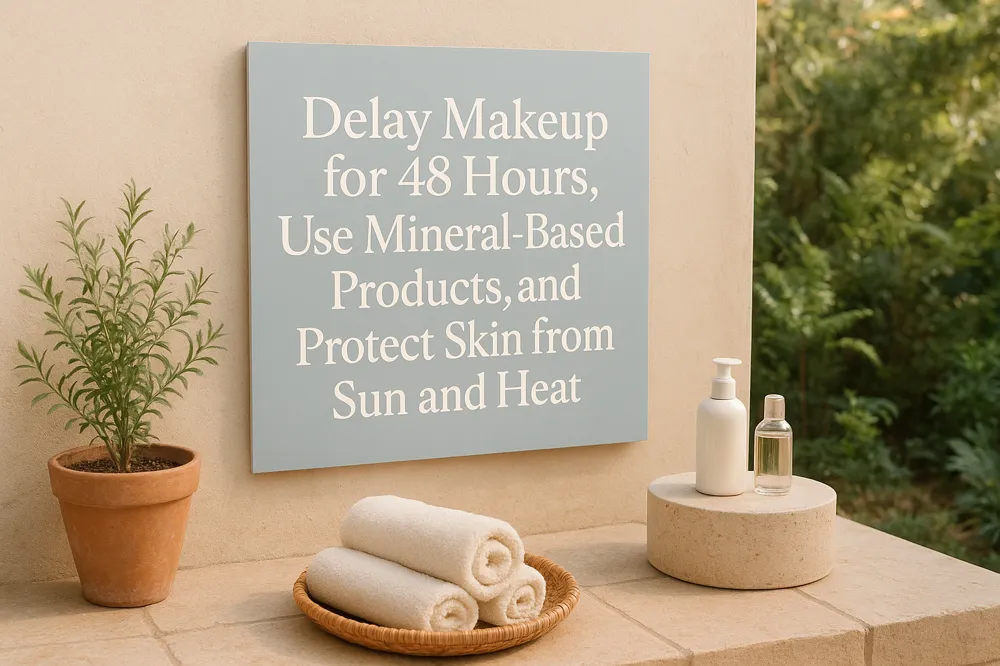
After laser resurfacing, it's important to avoid makeup for 48 hours after laser resurfacing to allow your skin to breathe and begin the healing process. Depending on your individual recovery, you may be able to gently reintroduce makeup after 10 to 14 days or once your healthcare provider confirms full healing. Applying makeup too soon can cause irritation or infection.
Types of Safe Makeup Products
When resuming makeup, opt for mineral-based makeup after laser products known for their gentle formulas. Choose non-comedogenic makeup after laser , fragrance-free, and lightweight options to reduce the risk of clogging pores or irritating sensitive skin. Avoid makeup containing harsh chemicals, fragrances, dyes, retinoids, or acids until your skin is fully recovered.
Sun Protection and Environmental Shielding
Protecting your skin from UV rays is critical after laser treatment, as your skin remains highly sensitive for up to a year. Use a broad-spectrum mineral sunscreen with SPF 30+ daily, reapplying every 90 minutes when outdoors. Additionally, physical barriers such as hats, scarves, and sunglasses can shield your skin from environmental damage and pollutants.
Lifestyle Modifications to Prevent Complications
During the initial recovery phase, avoid sun exposure, strenuous workouts, hot showers, saunas, steam rooms, swimming, and touching or scratching the treated area. These activities can cause irritation, swelling, or delay healing. Keep skin hydrated with gentle cleansing post-laser and hydrating moisturizers for healing free from irritants, and follow your provider’s instructions carefully. Staying well-hydrated and maintaining a balanced diet also support skin repair and long-term health.
Final Thoughts on Post-Laser Skincare for Optimal Results
Understanding the Importance of Proper Care and Avoidance
Post-laser skincare demands gentle attention to avoid irritation and complications. It is essential to avoid harsh products such as exfoliants, retinoids, alcohol-based toners, and active acids during the healing process. Makeup should be paused immediately after treatment—typically for at least 48 hours—and only reintroduced with gentle, non-comedogenic, mineral-based formulations after adequate healing. Sun exposure and heat-related activities like hot showers, saunas, and intense workouts must be limited to prevent inflammation, hyperpigmentation, and delayed recovery.
Prioritizing Professional Guidance and Sun Protection
Always follow your dermatologist's recommendations tailored to your skin type and laser treatment specifics. Consistent use of broad-spectrum mineral sunscreen with SPF 30 or higher is crucial, as the skin remains highly susceptible to UV damage for up to a year post-treatment. Protective measures such as wearing hats, scarves, and avoiding sunny environments further safeguard your healing skin and help maintain the long-term benefits of laser resurfacing.
Patience and Commitment to Healing
Healing timelines vary depending on the laser type and individual response, ranging from a few days with non-ablative lasers to several weeks with ablative treatments. Embracing a gentle, hydrating skincare routine that includes moisturizers with ceramides, hyaluronic acid, and soothing botanical extracts supports skin barrier repair. Allowing the skin to heal fully before resuming active ingredients like retinoids ensures optimal outcomes. Remember, patience during recovery leads to radiant, rejuvenated skin that reflects the full benefits of your laser treatment.