Why Sleep Matters for Fat Loss
Sleep is a cornerstone of any weight‑loss plan because it directly controls the hormones that drive hunger and satiety. When you get 7‑9 hours of restorative sleep, leptin rises and ghrelin falls, curbing cravings for sugary or high‑fat foods. Adequate rest also keeps cortisol low, preventing the stress‑driven storage of abdominal fat. Metabolically, deep slow‑wave sleep lowers the overall rate, but it also triggers growth‑hormone bursts and improves insulin sensitivity, allowing the body to use glucose and burn fat more efficiently. Consistent sleep schedules, a cool dark bedroom, and a calming pre‑bed routine create the hormonal and metabolic environment that makes calorie‑controlled diets and exercise work faster and keep weight‑management on steady track for long‑term health.
The Hormonal Symphony: How Sleep Controls Appetite and Fat Storage
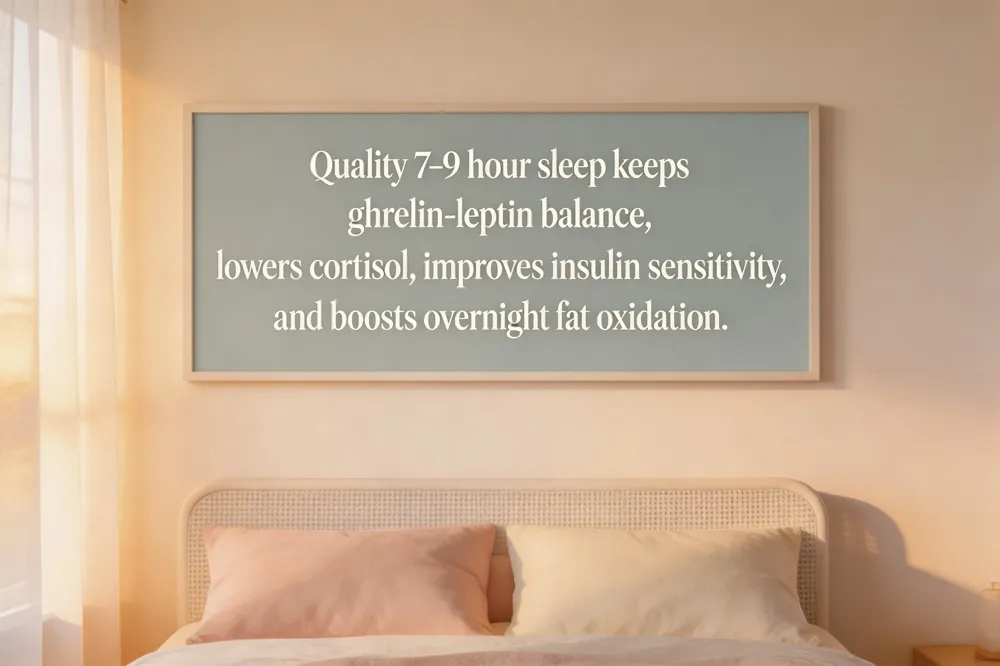 A solid 7‑9‑hour night keeps the ghrelin‑leptin balance in tune, lowering hunger and boosting satiety so cravings for high‑calorie snacks fade. When sleep is short, cortisol spikes, insulin sensitivity drops, and the body stores more fat, especially around the belly. To harness sleep for weight loss, start with a light, protein‑rich bedtime snack—casein‑based Greek yogurt or a small turkey sandwich—to preserve lean muscle and keep metabolism humming overnight. Dim lights, shut off screens at least 30 minutes before bed, and create a cool (65‑68 °F), dark, quiet bedroom to protect melatonin and cut cortisol. Gentle stretching or a short yoga flow lowers stress, raises serotonin, and improves sleep depth, while a consistent wake‑time schedule stabilizes circadian rhythms. These habits not only improve hormone profiles but also raise resting metabolic rate, allowing the body to burn fat more efficiently while you rest. In short, quality sleep is a natural, evidence‑backed tool for fat loss, appetite regulation, and overall metabolic health.
The 3‑2‑1 Bedroom Method and Timed Wind‑Down Rules
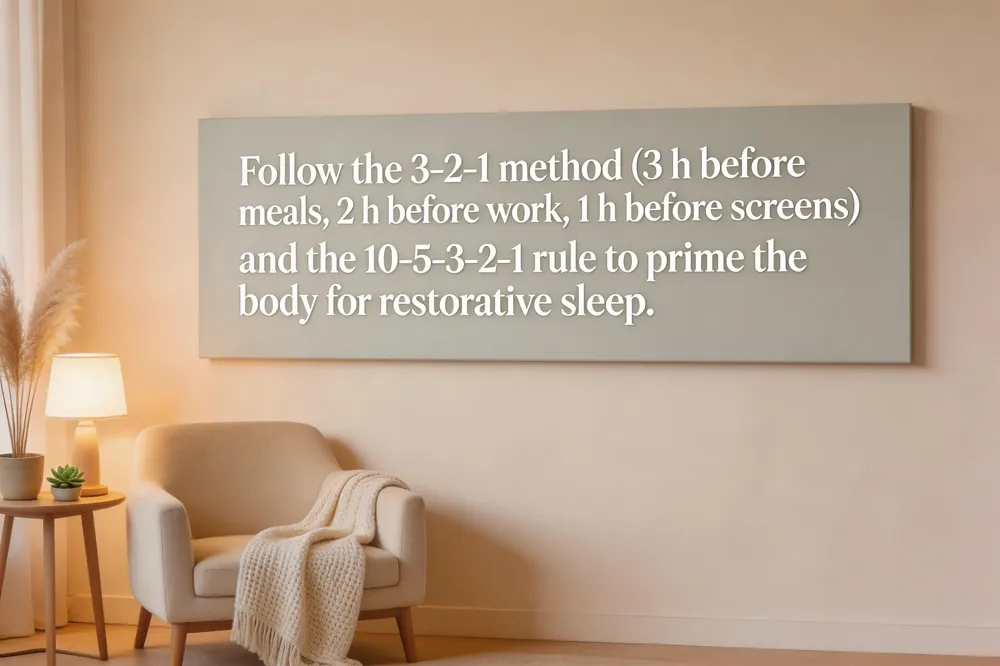 The 3‑2‑1 bedroom method is a simple wind‑down routine that helps signal your body it’s time for restorative sleep. Three hours before bedtime, avoid heavy meals and alcohol so digestion and blood‑sugar levels settle. Two hours before sleep, finish work, emails, or any mentally stimulating tasks to give your mind a chance to relax. One hour before lights‑out, turn off phones, tablets, TVs, and other screens to reduce blue‑light exposure and calm the nervous system. Following these three timed steps creates a predictable pre‑sleep environment that can improve both the speed of falling asleep and overall sleep quality.
The 10‑5‑3‑2‑1 rule expands on this by spacing out key activities: eliminate caffeine at least 10 hours before sleep, stop alcohol 5 hours before bed, finish work 3 hours before, turn off screens 2 hours before, and begin a calming routine (e.g., gentle stretching or reading) 1 hour before lights‑out. Similarly, the 10‑3‑2‑1‑0 rule omits stimulants and stimulating tasks, ending with a device‑free, dark bedroom at “zero” minutes.
Good sleep hygiene—consistent wake‑times, a cool, dark, quiet bedroom—and a personalized wind‑down—supports hormone balance (leptin, ghrelin, cortisol), insulin sensitivity, and nighttime fat oxidation, making it a cornerstone of weight‑loss and overall health.
Optimizing the Sleep Environment for Night‑Time Fat Oxidation
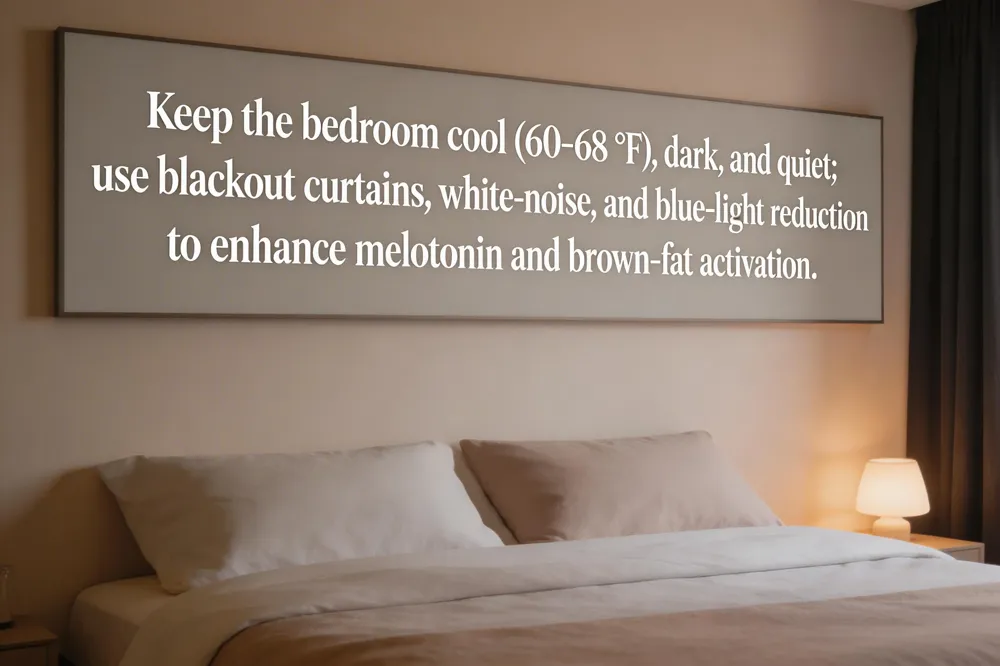 Creating a sleep‑friendly bedroom is a simple yet powerful way to boost overnight fat burning.
Cool bedroom temperature – Keep the room between 60‑68 °F (15‑20 °C). A cooler environment encourages brown‑fat activation and thermogenesis, helping you burn a few extra calories while you rest.
Darkness and quiet – Use blackout curtains or an eye mask and a white‑noise machine or earplugs to eliminate light and disruptive sounds. Darkness supports melatonin production, which regulates appetite hormones (leptin, ghrelin) and improves insulin sensitivity, both crucial for fat oxidation.
Blue‑light reduction – Turn off screens at least 30 minutes before bedtime and consider blue‑light‑blocking glasses or amber lighting. Reducing blue light prevents melatonin suppression, lowers evening cortisol, and curtails cravings for high‑calorie snacks.
How to increase metabolism while sleeping? Aim for 7‑9 hours of uninterrupted sleep, keep the room cool, and pair nightly routine with regular strength training and a protein‑rich evening snack to sustain muscle‑burning metabolism.
Metabolism at night vs. day – Resting metabolic rate naturally dips at night; a cool, dark, quiet setting minimizes this decline and preserves glucose tolerance.
Best time to sleep to lose weight – Align bedtime with sunset (around 10‑11 p.m.) and wake with sunrise, ensuring a consistent 7‑9 hour window to stabilize leptin and ghrelin.
Most hygienic way to sleep – Keep bedding clean, maintain a cool, dark, quiet room, and reserve the bed solely for sleep and intimacy.
Fat‑burning sleep hacks – Consistent schedule, screen‑free wind‑down, gentle stretching, and a cool, dark, quiet environment together lower cortisol, improve hormone balance, and support overnight fat oxidation.
Nutrition Strategies to Power Overnight Metabolism
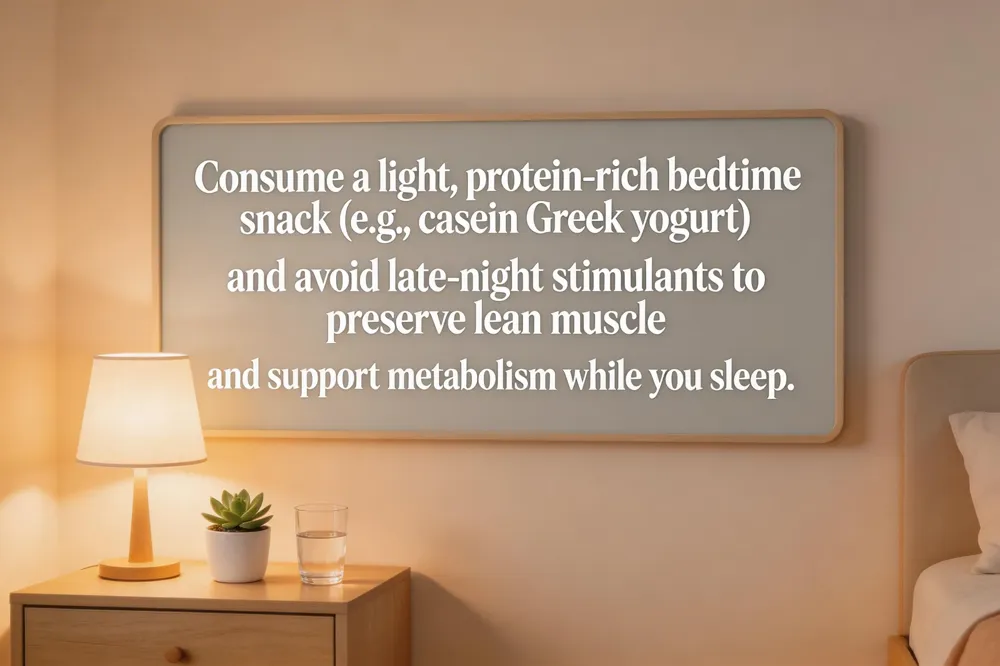 Sleep hygiene tips for teens: keep a consistent schedule, a cool, dark, quiet bedroom, limit screens and caffeine after mid‑afternoon, and wind down with gentle yoga. For adults: aim for 7‑9 hours, maintain a regular bedtime, keep the room cool (65‑68 °F), avoid late‑night stimulants, and reserve the bed for sleep only. Reddit users often request a PDF guide—this printable checklist summarizes the same evidence‑based habits. Burning 1,000 calories in a night is unrealistic; typical sleep expends 40‑60 calories per hour, totaling about 300‑500 calories for a full night.
Mind‑Body Practices: Stretching, Yoga, and Tai Chi Before Bed
 Gentle stretching, yoga, and tai chi are low‑impact mind‑body practices that can turn your bedtime routine into a weight‑loss ally. A 15‑20‑minute session of slow yoga or tai‑ lowers evening cortisol, boosts serotonin and signals the body that it’s time to relax. This hormonal shift improves sleep depth, which in turn keeps ghrelin (hunger) low and leptin (satiety) high, reducing late‑night cravings. Stretching also promotes circulation and reduces muscle stiffness, supporting recovery and a higher resting metabolic rate though though the calorie burn is modest (~2.7 cal/min).
Sleep hacks for weight loss at night – dim lights, turn off screens 30 min before bed, and do a short yoga flow or gentle stretch to lower cortisol and increase melatonin.
Fastest way to lose weight while sleeping – prioritize 7‑9 hours of quality sleep, combine it with an earlier‑evening strength session, and finish with a calming stretch to keep cortisol down.
Overnight sleep hacks for weight loss – a light protein‑rich snack (e.g., casein snack) plus a brief meditation or breathing exercise can preserve lean muscle and curb cravings.
Do night‑time fat burners work? – they offer only a small boost; improving sleep quality yields greater hormonal balance for fat loss.
Do you burn fat if you don’t sleep? – no; sleep loss raises cortisol and insulin resistance and insulin resistance, slashing nightly fat oxidation by up to 55 %.
Bedtime hack to shrink fat cells – a warm, caffeine‑free herbal tea or lemon water can relax you, preventing extra snacking.
How to increase metabolism while sleeping – keep the cool bedroom (≈65 °F), maintain a consistent schedule, and incorporate regular strength training; the combination maximizes brown‑fat activity and overnight calorie burn.
Practical Checklist: Your Daily Sleep‑Hygiene Routine
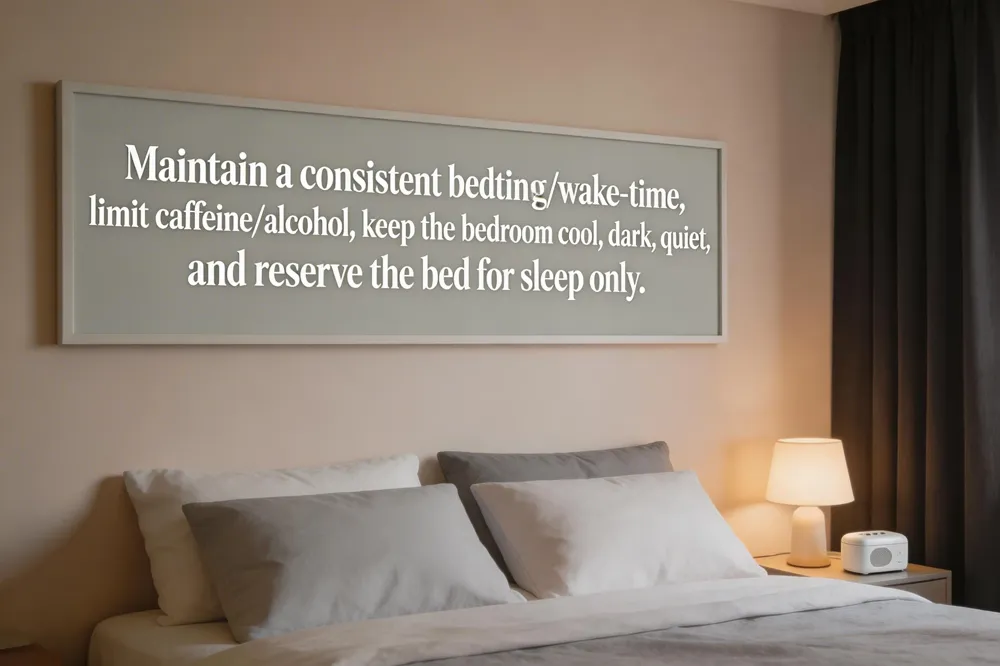
- Keep a consistent bedtime and wake‑time every day, even on weekends, to train your circadian clock.
- Limit caffeine, nicotine, and alcohol at least 4‑6 hours before bed.
- Reserve the bedroom for sleep and intimacy only; remove work‑related devices, meals, and bright lights.
- Wind down with a calming, boring activity (e.g., gentle stretching, reading, a warm shower) and avoid clock‑watching.
- Create a dark, cool (≈65‑68°F/18‑20°C), quiet environment; use blackout curtains, earplugs, or a white‑noise machine.
- If you can’t fall asleep within 20 minutes, get out of bed and do a low‑stimulus task until sleepy.(UCLA Health)
How does stress affect metabolism Chronic stress activates the HPA axis, raising cortisol and neuropeptide Y. Elevated cortisol promotes abdominal fat storage, impairs insulin sensitivity, and fuels cravings for high‑sugar, high‑fat foods. Over time this metabolic shift increases the risk of obesity, type 2 diabetes, and cardiovascular disease. Incorporating relaxation techniques (deep‑breathing, meditation, or a brief yoga flow) before bed can blunt cortisol spikes and support fat‑burning processes.
Sleep hygiene tips for kids
- Set a regular bedtime/wake‑time schedule, even on weekends.
- Keep the bedroom cool, dark, and quiet; ban TVs, tablets, or games in the room.
- Use a pre‑sleep routine such as a warm bath, brushing teeth, reading a short story, or gentle breathing.
- Limit caffeine-containing foods in the late afternoon and encourage daytime play, but avoid vigorous exercise close to bedtime.
- If they can’t fall asleep after 20‑30 minutes, have them get up and do a quiet activity until sleepy.(UCLA Health
Sleep hygiene definition Sleep hygiene is the collection of healthy habits, behaviors, and environmental adjustments that promote consistent, restorative sleep. It aligns daily routines with the body’s natural circadian rhythm, improving hormone balance (leptin, ghrelin, cortisol, insulin sensitivity, and overall metabolic health.
Putting It All Together for Fat‑Burning Sleep
Creating a consistent sleep‑wake schedule—going to bed and rising at the same times each day, even on weekends—stabilizes the circadian rhythm, which regulates hunger hormones and insulin sensitivity. Optimize the bedroom by keeping it cool (≈65‑68°F), dark, and quiet; blackout curtains, a fan or white‑noise machine, and a mattress promote restorative sleep that enhances melatonin production and brown‑fat activity. Pair this environment with nutrition: finish meals 2‑3 hours before bedtime, choose a protein‑rich snack (Greek yogurt or nuts) if needed, and limit caffeine, alcohol, and heavy carbs in the evening. End the day with gentle movement—stretching, yoga, or tai chi—to lower cortisol, boost serotonin, and improve muscle recovery, which supports fat oxidation.