Why Smart Diets Work Without Feeling Deprived
Many people fear that losing weight means living on bland, tiny meals and constant hunger. Smart diets challenge this idea by focusing on the quality of food and the way you eat, not just strict calorie limits.
Balancing calories with activity
Weight loss happens when you burn more calories than you take in. But a smart plan creates a steady, safe deficit of about 500–750 calories per day. This typically leads to losing 1–2 pounds per week. Rather than severe restriction, you balance your energy intake by choosing filling, nutrient‑dense foods and matching your eating to your activity level. Regular aerobic exercise of at least 150 minutes per week, plus two strength sessions, helps preserve muscle and keeps your metabolism working well.
Emphasizing nutrient‑dense foods
A smart diet prioritizes foods that give you the most nutrition for the fewest calories. Vegetables, fruits, whole grains, lean proteins, and healthy fats like olive oil or avocados are packed with fiber, vitamins, and minerals. They add volume to meals without piling on calories. High‑fiber foods digest slowly, keeping you satisfied longer and reducing cravings. Swapping out processed snacks for whole foods cuts empty calories and helps you feel full and energized.
Sustainable habit changes over quick fixes
Quick‑fix diets are hard to stick with and often lead to weight regain. Smart strategies build lasting habits: eating mindfully without distractions, cooking at home for better control, setting realistic goals like walking 15 minutes a day, and planning meals ahead. This approach makes healthy choices feel natural and keeps you on track even when life gets busy. The result is steady progress that feels manageable, not punishing.
Foundations of a Smart Diet
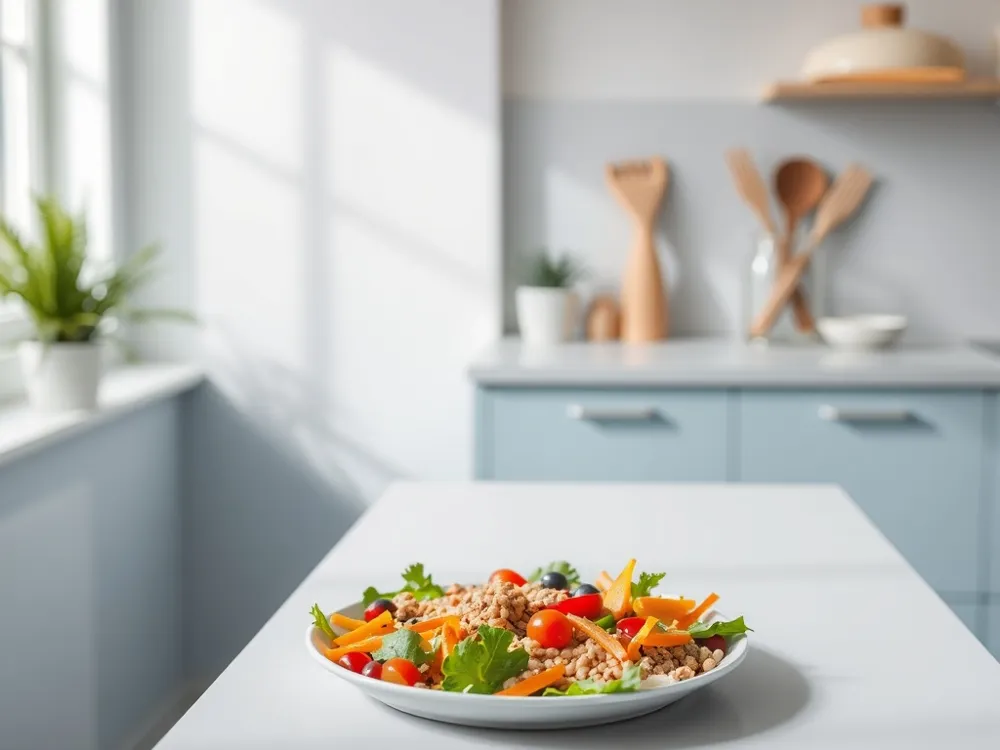
10 tips for healthy eating
Healthy eating starts with how you structure your plate. A balanced plate is a simple, visual guide: fill half with colorful vegetables and fruits, and the other half with whole grains and lean proteins like poultry, fish, beans, or nuts. This model ensures you get essential nutrients and fiber while naturally controlling portions. Prioritize whole, nutrient-dense foods and limit added sugars, sodium, and highly processed options. For drinks, choose water over sugary beverages to cut empty calories. Opt for low-fat dairy and incorporate a variety of colors and textures by adding fresh herbs, diced vegetables, and whole grains like quinoa or brown rice. Keep fruits within reach for snacks, and use herbs and spices to flavor dishes instead of relying on salt or added sugars. Finally, choose baking over frying and read nutrition labels to avoid hidden sugars and sodium, supporting both clinical wellness and aesthetic goals.
7 healthy eating habits
Building lasting habits can make healthy eating feel effortless. First, base your meals on higher-fiber starchy carbohydrates like whole grains, and fill half your plate with fruits and vegetables to boost your intake of essential nutrients and fiber. Stay hydrated by drinking enough water supports your body’s natural functions and complements healthy eating. Aim to eat at least two portions of fish weekly, including oily fish like salmon, for omega-3s that support heart and brain health. Cut down on saturated fat and sugar by choosing lean meats, low-fat dairy, and limiting sugary drinks and processed foods. Get most of your nutrients from whole foods rather than relying on supplements. Include healthy fats from sources like nuts, avocados, and olive oil to help you feel full and stabilize blood sugar. Finally, avoid overly restrictive diets and don't demonize any foods—enjoy all foods in moderation to maintain a sustainable, healthy relationship with eating.
Smart diet strategies
Smart diet strategies go beyond just what you eat. They focus on balancing calorie intake with activity while prioritizing nutrient-dense foods. Start by basing meals on high-fiber starchy carbohydrates like whole grains and potatoes with skins to support fullness and energy. Incorporate at least five servings of fruits and vegetables daily, and include fish twice a week—especially oily varieties such as salmon or mackerel for omega-3s. Replace solid fats (like butter) with liquid oils such as olive or canola oil, and reduce saturated fat and added sugar by choosing lean proteins and limiting processed snacks. Finally, practice mindful habits like tasting food before salting and making simple ingredient swaps, such as using nuts or seeds for healthy fats, to build lasting, enjoyable eating patterns that fit your lifestyle.
Healthy diet chart
A healthy diet chart provides a practical framework for daily eating. It should prioritize vegetables and fruits, filling half your plate with a variety of colorful options, while whole grains like brown rice or quinoa occupy one quarter. The remaining quarter should feature lean proteins such as fish, poultry, beans, or nuts, with red meat and processed meats limited. Incorporate healthy plant oils like olive or canola for cooking and dressings, and choose water, coffee, or tea over sugary drinks. For daily targets based on a 2,000-calorie diet, aim for 2½ cups of vegetables, 2 cups of fruits, 6 ounces of grains (at least half whole), and 5½ ounces of protein. Finally, stay active and avoid highly processed foods, salty items, and added sugars for overall wellness.
Key Diet Strategies at a Glance
| Strategy | What to Include | What to Avoid |
|---|---|---|
| Balanced Plate | Half vegetables/fruits, quarter whole grains, quarter lean protein | Oversized portions of refined grains or fatty meats |
| Healthy Fats | Olive oil, avocados, nuts, seeds | Saturated fats (butter, fatty cuts), trans fats |
| Carbohydrates | Whole grains, legumes, vegetables with skins | Refined grains (white bread, pasta), added sugars |
| Protein | Fish (especially oily), poultry, beans, tofu | Processed meats (bacon, sausage), excess red meat |
| Beverages | Water, unsweetened tea, coffee | Sugary drinks, sodas, fruit juice with added sugar |
| Sodium & Sugar | Herbs, spices, low-sodium options | Added salt, high-sugar snacks, candies |
Portion Control and Mindful Eating
 The 3-3-3 rule is a simple, habit‑based framework: eat three balanced meals, drink three bottles of water (about 1.5–2 liters) by mid‑afternoon, and complete three hours of physical activity each week. It stabilizes blood sugar, manages hunger, and supports metabolism through consistent timing, hydration, and movement. This approach works best when integrated with personalized medical or nutritional guidance, especially for those with metabolic challenges.
Weight loss tips at home
Aim for gradual weight loss of 1 to 2 pounds per week through a balanced diet and regular movement. Swap sugary drinks for water, eat more fruits and vegetables, and cut down on high‑sugar and high‑fat foods. Stay active for at least 150 minutes weekly, broken into shorter sessions like brisk walks. Avoid skipping meals and fad diets. Set small, realistic goals and track your progress.
How to lose weight without feeling deprived?
Focus on sustainable lifestyle changes rather than restrictive diets. Prioritize high‑fiber fruits, vegetables, and whole grains which keep you full. Combine regular walks or water aerobics with proper hydration and adequate sleep. Manage stress to reduce cravings, and track progress to stay motivated. This approach helps achieve gradual weight loss while maintaining energy and satisfaction.
Healthy foods to eat everyday
Include leafy greens, omega‑3‑rich fish, whole grains like quinoa, blueberries, almonds, and beans. For balanced meals, fill half your plate with vegetables and fruits, a quarter with whole grains, and a quarter with lean protein. Use olive oil and stay hydrated with water.
Hydration and Metabolism Boosters

Weight Loss Drink: What Should You Choose?
Plain water is the ultimate calorie-free drink that can help you feel full before meals, making it a simple yet powerful weight-loss tool. Green tea offers caffeine and catechins that may slightly boost metabolism, while black coffee provides antioxidants without calories when served plain. For a nutrient-packed option, low‑sodium vegetable juice delivers vitamins and fiber with far fewer calories than fruit juice. At Jana HealthCare, we integrate these hydrating, low‑calorie beverages into a personalized wellness plan.
Smart Diet Strategies: How to Build a Balanced Eating Plan?
Base meals on high‑fiber starchy carbohydrates like whole grains and potatoes with skins to support sustained energy. Aim for at least five servings of fruits and vegetables daily, and include fish twice a week—especially oily varieties such as salmon for omega‑3s. Replace solid fats with liquid oils like olive oil, reduce saturated fat and added sugars by choosing lean proteins, and limit processed snacks. Practicing mindful habits, such as tasting food before adding salt and making simple swaps (e.g., nuts for healthy fats), builds lasting eating patterns that support weight management.
Structured Plans for Rapid Results
7-Day Diet Plan for Weight Loss
A balanced 7-day plan emphasizes lean protein, whole grains, and plenty of vegetables. Healthy fats like avocado and nuts should be included in moderation. Portion control is crucial; prioritizing protein helps preserve muscle and curb hunger. Staying hydrated with water is essential. However, rapid weight loss from such a short-term plan is unsustainable.
How to Lose Weight Fast in 2 Weeks: Safety First
The Mayo Clinic Diet's "Lose It!" phase is designed for safe, rapid loss over two weeks, focusing on adopting healthy habits like daily walks and limiting sugar. Very low-calorie diets (VLCDs) under medical supervision may produce faster results but carry risks. The CDC recommends a safe rate of 1–2 pounds per week, as faster loss often leads to weight regain.
The Realities of a 10 kg Weight Loss in One Month
Losing 10 kg (22 lbs) in one month is aggressive and unsafe for most people. To achieve it, you would need an extreme calorie deficit, which risks nutrient deficiencies, muscle loss, and metabolic slowdown. Such rapid loss is primarily water and glycogen, not fat, making it unsustainable. Always consult a healthcare provider before starting any intensive plan.
Exercise, Activity, and Metabolic Support
Weight loss tips for women
Start by setting realistic goals—aim for 1 to 2 pounds per week and consider a 5% weight loss as a meaningful first step. Track your food and activity using a journal or app to stay accountable. Build a support system of friends, family, or a healthcare professional to manage stress and stay motivated. Combine aerobic exercise (like brisk walking) with strength training at least twice a week to preserve muscle mass.
Weight loss tips for men
For effective weight loss, reduce calorie intake to about 1,500–1,800 calories per day while focusing on lean protein, vegetables, whole grains, and fiber to promote fullness. Combine aerobic exercise with resistance training for at least 150 minutes weekly; avoid relying on exercise alone without dietary changes. Cutting back on alcohol and sugary beverages helps eliminate empty calories and reduce belly fat.
Smart diet strategies
Base meals on high-fiber starchy carbohydrates like whole grains and potatoes with skins. Incorporate at least five servings of fruits and vegetables daily, and include fish twice a week—especially oily varieties for omega-3s. Replace solid fats with liquid oils and limit processed snacks. Practice mindful eating by tasting food before salting and making simple ingredient swaps.
How to lose weight without diet just exercise
Exercise offers many health benefits, but weight loss requires a caloric deficit, which is more easily achieved through dietary changes. Many people cannot exercise enough to overcome a poor diet. Instead of relying on exercise alone, focus on sustainable eating habits like monitoring portions, increasing fiber, and drinking water. Exercise should complement a healthy diet for best results, improving muscle mass, mood, and overall wellness while aiding weight management.
Personalization, Support, and Professional Guidance
Goal Setting and Tracking
Set realistic, specific goals like losing 1–2 pounds per week or 5% of body weight. Track progress with a journal or app to stay accountable. Weight loss, especially through calorie restriction, can lower TSH levels—a benefit for individuals with hypothyroidism. Focus on sustainable habits such as eating fiber-rich vegetables, drinking water before meals, and getting quality sleep to avoid feeling deprived.
Support Networks
Build a support system of friends, family, or a weight‑loss group for motivation and accountability. Cultural practices like Japan's Hara Hachi Bu (eating until 80% full) can be shared within a community to reinforce mindful eating and portion control. Pair this with regular physical activity, such as interval walking, which studies show can reduce body weight and blood pressure more effectively than steady walking.
Consulting Healthcare Professionals
Work with a doctor or registered dietitian to design a personalized plan. There is no single 'best' diet; effective weight loss comes from a balanced, moderate calorie deficit combined with behavior changes and exercise. Professional guidance ensures safety, especially for those with medical conditions, and can address hormonal shifts like TSH reduction. A slow, steady approach is easier to maintain long term than crash diets.
Putting It All Together – A Deprivation‑Free Path Forward
Recap of Smart Diet Foundations
Sustainable weight loss is built on a few core, non‑negotiable principles. First, create a modest daily calorie deficit of 500–750 calories to lose 1–2 pounds per week. This is best achieved by focusing on nutrient‑dense, low‑energy‑density foods—think colorful vegetables, fruits, lean proteins, whole grains, and healthy fats—that keep you full without feeling deprived.
Second, pair balanced nutrition with regular physical activity. Aim for at least 150 minutes of moderate aerobic exercise each week (like brisk walking) plus two strength‑training sessions to preserve muscle and boost your metabolism. Small, consistent habits—such as mindful eating, staying hydrated, and getting 7–9 hours of quality sleep—amplify your results and make the journey sustainable.
Finally, remember that progress, not perfection, matters. Setbacks are normal; the goal is to return to your healthy routine promptly. By avoiding restrictive fads and focusing on whole, satisfying foods, you can lose weight while still enjoying your meals.
Importance of Professional Support
While the basics are straightforward, individualized guidance can make the difference between short‑term results and lifelong success. Medical conditions, medications, hormonal factors, and personal preferences all affect how your body responds to diet and exercise. A healthcare provider or registered dietitian can help you:
- Identify any underlying issues (e.g., insulin resistance, thyroid dysfunction).
- Set realistic, personalized goals.
- Create a flexible meal and activity plan that fits your lifestyle.
- Provide accountability and adjust strategies as you progress.
Having a support system—whether from family, friends, or professionals—boosts motivation and helps you navigate challenges without feeling alone.
Next Steps with Jana HealthCare
At Jana HealthCare, we believe weight management is not about deprivation—it’s about optimization. Our multidisciplinary team combines medical expertise, nutritional counseling, and aesthetic wellness therapies to create a plan that addresses your unique health and cosmetic goals.
Take the first step today:
- Schedule a consultation to review your medical history, current habits, and weight‑loss objectives.
- Get a personalized roadmap that blends smart nutrition, movement, and lifestyle adjustments.
- Access ongoing support from professionals who understand the whole person—body, mind, and confidence.
Whether your goal is to reduce disease risk, boost energy, or enhance your appearance, we’re here to help you achieve lasting change without extreme measures. Reach out to start your deprivation‑free path forward.