Why Stress Matters for Your Weight
Stress triggers a cascade of hormones—cortisol, catecholamines, CRH—that tip the balance of hunger and storage. Elevated cortisol fuels cravings for sugary, fatty foods and drives the brain’s reward pathways, often leading to emotional eating. At the same time, chronic activation of the HPA axis and sympathetic nervous system impairs insulin sensitivity, slows basal metabolic rate, and shunts glucose toward abdominal fat. This metabolic disruption not only raises BMI but also fuels visceral adiposity, hypertension, dyslipidemia, and type‑2 diabetes. Over time, the combined effect increases cardiovascular risk and diminishes skin elasticity, affecting aesthetic outcomes. Integrating mindfulness, regular aerobic and strength training, balanced whole‑food nutrition, and personalized stress‑reduction plans can rebalance hormones, protect metabolism, and support sustainable weight‑management and a healthier appearance.
Hormonal Drivers of Weight Gain
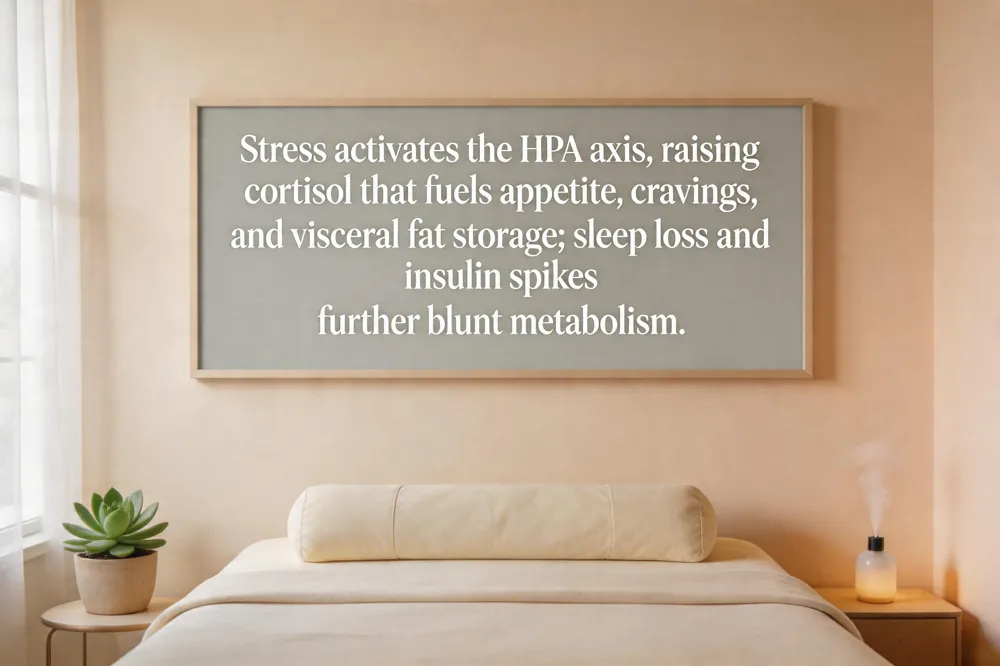 Stress and weight loss – Stress activates the HPA axis, raising cortisol, which boosts appetite and cravings for sugary, fatty foods while directing calories to visceral fat. Sleep loss and insulin spikes further blunt metabolism, making weight‑loss harder. Jana HealthCare offers medical and nutrition support.
Stress weight gain symptoms – Increased hunger for comfort snacks, expanding waistline despite unchanged activity, restless nights, fatigue and irritability are common signs. Emotional swings often accompany these changes, creating a feedback loop that fuels overeating.
Cortisol stress weight gain – Chronic cortisol promotes abdominal fat storage, impairs insulin sensitivity and breaks down muscle, lowering basal metabolic rate. Sleep and balanced meals keep cortisol in check. Gain may need assessment.
Is cortisol belly fat reversible? – Yes. Stress‑management, rest, a nutrient‑dense diet shrinks visceral fat over months. Magnesium or omega‑3s may aid cortisol control when paired with lifestyle changes.
Female stress weight gain – Women often exhibit heightened cortisol responses, leading to stronger cravings and fat deposition. Practices, support and nutrition help counteract vulnerability.
Stress, Metabolism and Energy Balance
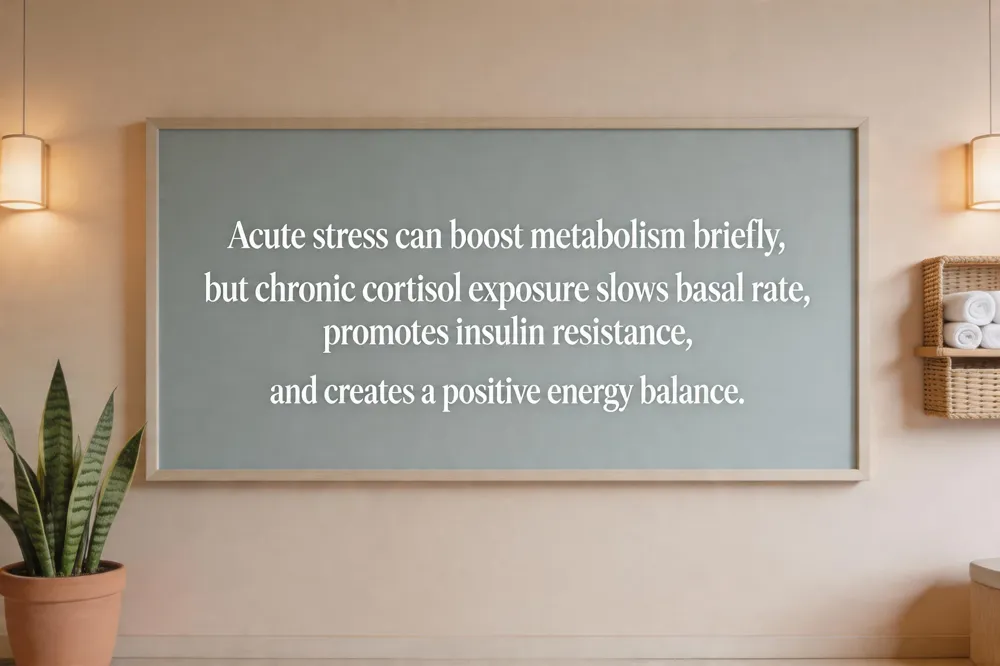 Impact of stress on metabolism and energy balance – Stress activates the HPA axis and sympathetic system, releasing CRH, catecholamines and cortisol. Acute, intense stress suppresses appetite, spikes glucose production and fuels short‑term fat breakdown, raising energy expenditure. Chronic stress sustains cortisol and neuropeptide Y, driving cravings for high‑calorie foods, reducing lipolysis and promoting visceral fat storage. The net effect is a positive energy balance and higher cardiometabolic risk.
How fast can stress make you lose weight? – Acute stress can cause rapid, few‑day weight loss through adrenaline‑driven appetite suppression and increased metabolism. Chronic stress usually leads to slower, modest loss (a few pounds over weeks) or even weight gain, depending on individual hormonal responses and coping habits.
Does stress increase metabolism? – Brief stress can modestly raise metabolic rate via catecholamines, but prolonged cortisol exposure typically slows basal metabolism, encourages insulin resistance and fat accumulation.
Can stress speed up metabolism? – Short‑term stress may temporarily boost calorie burn; however, long‑term stress’s cortisol‑driven effects outweigh this, often resulting in slowed metabolism and weight gain.
Chronic stress and metabolism – Persistent cortisol and adrenergic activation impair insulin sensitivity, alter mitochondrial function and increase inflammatory cytokines, fostering metabolic syndrome, diabetes and fatty‑liver disease.
Why does chronic stress cause weight loss? – In some individuals, chronic cortisol suppresses appetite, increases gut motility and raises basal metabolic rate, leading to unintended loss; medical evaluation is advised if >5 % body weight drops.
How to increase metabolism – Combine regular, balanced meals with strength training, adequate hydration, quality sleep, stress‑reduction (mindfulness, yoga) and B‑vitamin‑rich foods to support cellular energy conversion and lean muscle maintenance.
Recognizing Stress Symptoms and Their Impact
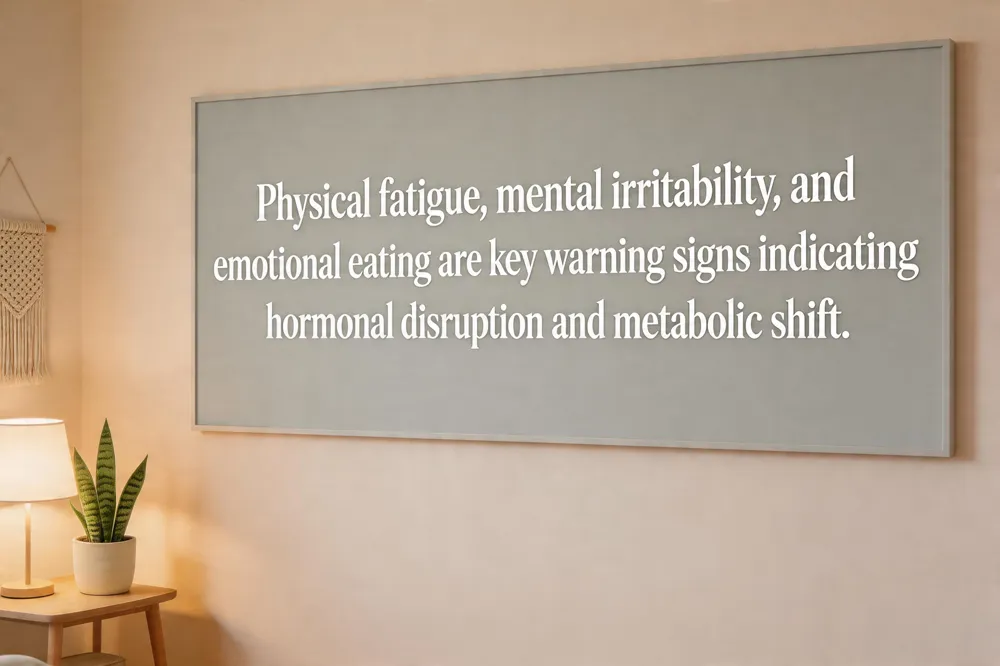 Stress can show up in many ways, from physical aches to hidden metabolic shifts. Physical warning signs often include persistent fatigue, muscle tension, headaches, or trouble sleeping—signals that the hypothalamic‑pituitary‑adrenal (HPA) axis is firing. Mental‑health thresholds appear as irritability, feeling overwhelmed, or loss of concentration; when these symptoms linger, they may signal a nervous‑breakdown‑type crisis that needs professional support. Weight‑loss clues can be subtle: a sudden loss of appetite, early satiety, rapid thinning of muscle, or an unexplained drop in clothing size, even if meals seem regular. Conversely, emotional eating—cravings for sweet, salty, or fatty comfort foods—often stems from cortisol‑driven brain reward pathways and can lead to visceral fat gain without a conscious increase in intake.
What are 7 warning signs of stress? Physical (fatigue, muscle aches, sleep problems), emotional (irritability, dread), and behavioural (trouble concentrating, altered eating).
Why can’t I handle stress anymore? Chronic overload dysregulates the prefrontal cortex and amygdala, draining coping resources and prompting a crisis that benefits from therapy, lifestyle tweaks, and possibly medication.
Can stress make you lose weight even if you’re eating? Yes—cortisol, adrenaline, and CRH can suppress appetite, speed metabolism, and impair nutrient absorption, leading to weight loss despite normal intake.
Can stress make you gain weight without overeating? Absolutely. Elevated cortisol promotes abdominal fat storage, muscle breakdown, insulin resistance, and sleep disruption, all of which favor weight gain independent of calorie excess.
Managing stress with regular aerobic activity, mindfulness, adequate sleep, and balanced nutrition restores hormonal balance, protects lean mass, and supports sustainable weight management.
Weight‑Management Strategies for Stress‑Related Gain
 Stress‑related weight gain is driven largely by cortisol and sympathetic activation, which increase appetite, favor visceral fat storage, and blunt metabolism. • Mind‑body practices – Daily meditation, deep‑breathing, yoga or tai chi calm the HPA axis, lower cortisol, improve sleep, and reduce emotional eating. • Exercise recommendations – Aim for 30 minutes of moderate‑intensity activity (brisk walking, cycling, swimming) most days; this boosts insulin sensitivity without provoking a cortisol spike from over‑training. • Nutritional tactics – Choose balanced meals rich in lean protein, fiber, healthy fats, magnesium, and omega‑3s; limit refined sugars, caffeine, and processed foods that stimulate cortisol production. • Behavioral tools – Practice mindful eating, set SMART goals, keep a food‑and‑mood journal, and build a supportive environment (visible healthy snacks, limited junk food cues).
How to lose stress weight: Lower cortisol with relaxation techniques, pair with moderate exercise, eat whole‑food meals, prioritize 7‑9 hours sleep, stay hydrated, and seek professional help if hormonal imbalances persist.
Can stress make you gain weight without overeating? Yes; cortisol‑driven insulin resistance, muscle catabolism, and sleep disruption can promote fat storage even when intake appears unchanged.
How to stop cortisol weight gain: Reduce chronic stress, follow a whole‑food, plant‑focused diet, ensure adequate sleep, engage in moderate activity, and consider clinician‑guided supplements (magnesium, B‑12, vitamin C).
Weight gain due to stress and depression: Elevated cortisol and emotional eating drive abdominal fat; mindfulness, regular activity, and a supportive food environment help break the cycle.
Stress and metabolic syndrome: Persistent psychosocial stress activates catecholamines and cortisol, fostering central obesity, insulin resistance, hypertension, and dyslipidemia—key components of metabolic syndrome. Managing stress with behavioral therapy, exercise, sleep, and mindfulness is essential for prevention and treatment.
Integrative Care at Jana HealthCare
 Stress and weight loss
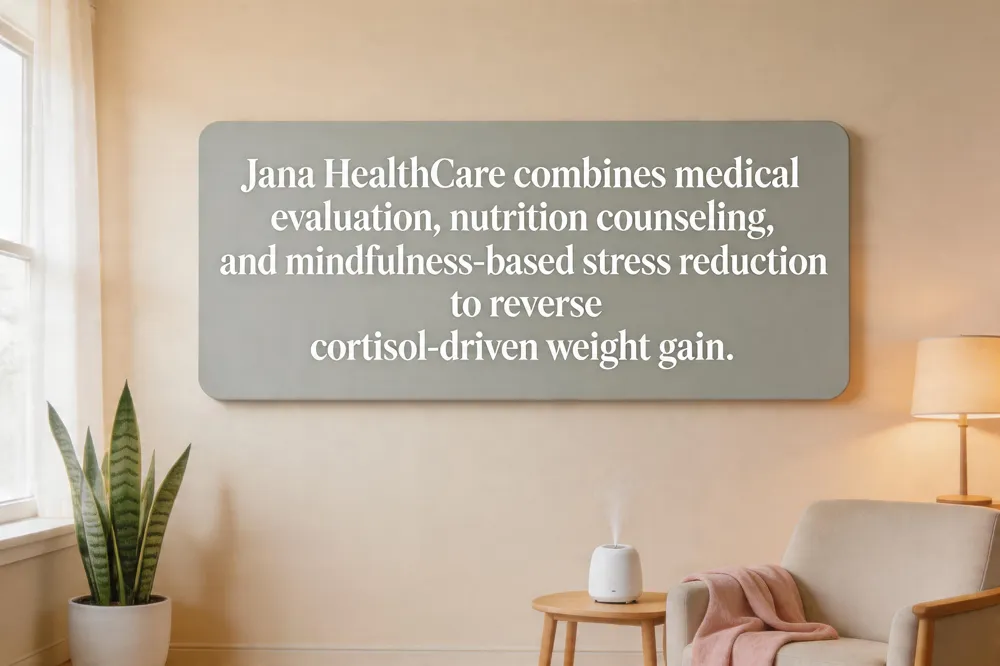
Stress triggers cortisol release, increasing appetite, cravings for sugary/fatty foods, and promoting abdominal fat storage. It also disrupts sleep and blood‑sugar regulation, slowing metabolism. Jana HealthCare combines medical evaluation, nutritional counseling, and mindfulness‑based stress‑reduction to lower cortisol and support sustainable weight loss.
Stress weight loss symptoms
Early signs include loss of appetite, nausea, rapid fatigue, irritability, and muscle thinning. Sleep disturbances worsen metabolic changes. Persistent symptoms warrant professional assessment.
Why can't I handle stress anymore?
Chronic stress can overwhelm brain circuits (prefrontal cortex, amygdala), causing exhaustion, anxiety, and impaired decision‑making. Personal or family history of anxiety/depression, major life events, or medical illnesses amplify the response. A personalized plan—therapy, medication, lifestyle changes—restores resilience.
How to lose stress weight
Lower cortisol with daily meditation, deep‑breathing, yoga, or tai chi. Pair with 30 min moderate exercise, balanced meals rich in protein, fiber, healthy fats, adequate 7‑9 h sleep, and hydration. Seek professional support if hormonal imbalances persist.
Is cortisol belly fat reversible?
Yes. Consistent stress reduction, restorative sleep, balanced diet, and regular strength training shrink visceral fat over time.
Putting It All Together
Managing weight in a world requires more than diet and exercise; it demands an integrated approach that tackles the hormonal, metabolic, and emotional forces of stress. At Jana HealthCare we combine medical assessment of cortisol, insulin resistance, and inflammation with personalized nutrition, movement, mindfulness, and aesthetic‑focused therapies such as body‑contouring or skin rejuvenation. First, patients undergo a stress‑metabolism review, including labs, body‑composition analysis, and a brief psychosocial questionnaire. Based on the findings, we co‑create a plan that may include cortisol‑lowering practices (meditation, magnesium foods), targeted exercise (strength plus cardio), sleep hygiene, and, when appropriate, aesthetic procedures that boost confidence and reinforce healthy habits. Jana HealthCare’s multidisciplinary team—physicians, dietitians, psychologists, and aesthetic specialists—offers coaching, check‑ins, and access to supplements, ensuring each patient achieves sustainable weight‑management and optimal wellness.