Why Stress Matters for Your Skin
Psychological stress flips on the hypothalamic‑pituitary‑adrenal (HPA) axis, flooding the body with cortisol and catecholamines. Cortisol directly stimulates sebaceous glands, boosting sebum that and creating the oily environment that fuels acne. At the same time, high cortisol reduces epidermal lipids and structural proteins, weakening the skin barrier and allowing irritation, dryness, and microbial invasion. Mast cells and neuropeptides released during stress add another layer of inflammation, turning a minor blemish into a red, painful breakout. The skin‑brain axis makes this a two‑way street: stressed skin sends signals back to the brain, heightening anxiety and perpetuating the cycle. Managing stress with sleep, exercise, mindfulness, and a supportive skincare routine can restore barrier integrity, calm inflammation, and keep acne under control.
Hormonal vs Stress Acne: Understanding the Triggers
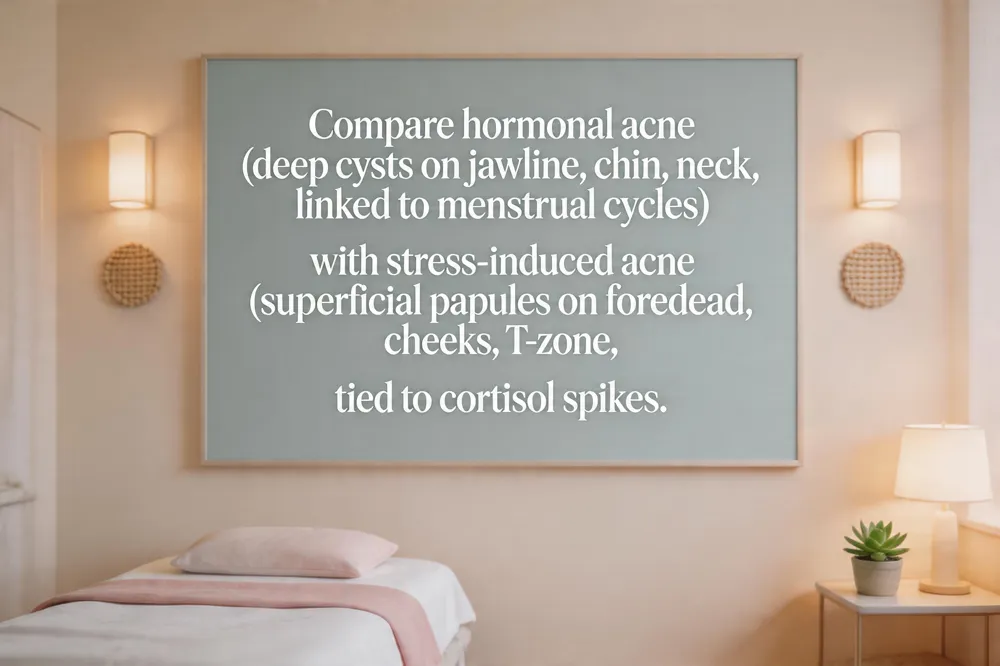
Stress‑related acne, by contrast, is a cortisol‑mediated response that increases sebum production and inflammation, typically producing superficial papules, pustules, and comedones on the forehead, cheeks, chin, and jawline during or after stressful events.
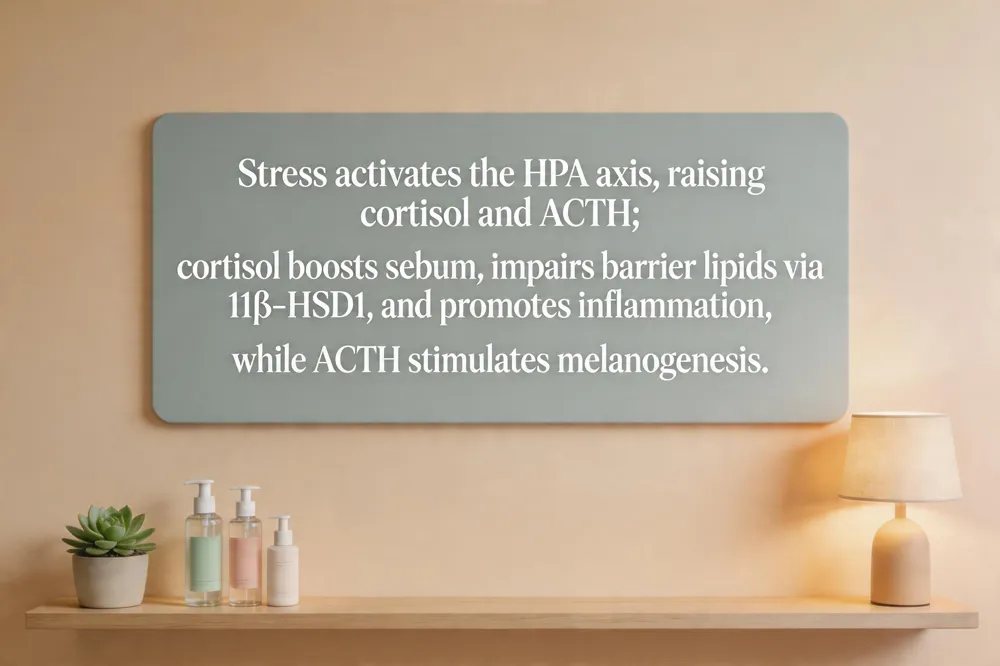
Key hormonal pathways include activation of the HPA axis, which raises cortisol and ACTH; cortisol can convert local cortisone to active cortisol via 11β‑HSD1, impairing barrier function, while elevated ACTH stimulates melanogenesis.
Stress also boosts catecholamines that amplify androgen activity, further stimulating oil glands.
To differentiate, note the timing (menstrual‑linked vs. stress‑linked), lesion depth (cystic vs. superficial), and distribution (lower face vs. T‑zone).
FAQ
- How long does hormonal acne last? It may persist months to years, flaring with hormonal cycles; chronic triggers like PCOS can keep it active indefinitely without treatment.
- Can stress cause acne on forehead/cheeks? Yes—cortisol spikes increase oil and inflammation, leading to breakouts on these areas.
- What does stress acne look like? Small, red, inflamed papules and pustules, often oily, appearing on the forehead, chin, and jawline.
- Where is stress acne located? Primarily the T‑zone, lower face, and sometimes chest or back.
- Stress skin rash? Red, bumpy, itchy patches or hives triggered by cortisol‑driven inflammation; professional evaluation is advised if severe.
The Hormonal Cascade: Cortisol, ACTH, and Skin Barrier Disruption
 What happens to your skin when stressed?
When stress activates the hypothalamic‑pituitary‑adrenal (HPA) axis, cortisol spikes and stimulates sebaceous glands, boosting sebum production that clogs pores. Simultaneously, cortisol and 11β‑HSD1 convert cortisone to active cortisol within the epidermis, depleting epidermal lipids and structural proteins. This weakens the stratum corneum, raising transepidermal water loss (TEWL) and leaving the skin feeling tight, itchy, and more reactive. Healing slows, so blemishes and redness linger longer.
What happens to your skin when stressed?
When stress activates the hypothalamic‑pituitary‑adrenal (HPA) axis, cortisol spikes and stimulates sebaceous glands, boosting sebum production that clogs pores. Simultaneously, cortisol and 11β‑HSD1 convert cortisone to active cortisol within the epidermis, depleting epidermal lipids and structural proteins. This weakens the stratum corneum, raising transepidermal water loss (TEWL) and leaving the skin feeling tight, itchy, and more reactive. Healing slows, so blemishes and redness linger longer.
Cortisol and skin inflammation Chronic cortisol elevation shifts immune signaling toward pro‑inflammatory cytokines (IL‑1β, IL‑6, TNF‑α). Mast cells, recruited by neuropeptides, release histamine and further inflammation, aggravating acne, eczema, psoriasis, and rosacea. The inflammatory milieu also accelerates collagen breakdown, contributing to early fine lines.
ACTH and melanogenesis ACTH, rising alongside cortisol, binds MC1R on melanocytes, up‑regulating tyrosinase via the α‑MSH pathway. This can increase melanin synthesis, leading to post‑inflammatory hyperpigmentation after breakout or flare.
Barrier lipids, TEWL, and 11β‑HSD1 Local 11β‑HSD1 activity amplifies cortisol in the skin, further suppressing ceramide and fatty‑acid production. The resulting lipid deficit compromises barrier integrity, heightening TEWL and making the skin prone to dryness and irritant penetration.
Inflammatory cytokines and immune cells Stress‑induced catecholamines and cortisol activate keratinocytes and fibroblasts to release cytokines that attract neutrophils and T‑cells. This sustained immune activation fuels chronic inflammation, delaying wound repair and exacerbating existing lesions.
Which skin conditions are triggered by stress? Psoriasis, vitiligo, atopic dermatitis, acne vulgaris, alopecia areata, urticaria, lichen planus, pruritus, seborrheic dermatitis, and hyperhidrosis can all flare under stress.
Can stress cause skin problems? Yes. By disrupting the HPA axis, cortisol, ACTH, and catecholamines increase oil production, impair barrier function, and promote inflammation, leading to acne breakouts, eczema flares, delayed healing, and even hair loss. Holistic stress‑management—adequate sleep, balanced nutrition, regular exercise, mindfulness—combined with targeted skincare helps restore equilibrium and protect skin health.
Clinical Presentation: Typical Locations and Visual Features
 Stress‑related acne most often erupts in the facial T‑zone and lower‑face regions where sebaceous glands are dense. You’ll see small whiteheads, blackheads or red papules on the forehead, chin, jawline, cheeks and just above the neck; occasional breakouts can extend to the chest and back. Hormonal acne, by contrast, concentrates on the lower face—chin, jawline, neck—and may also involve the chest and back, but the lesions tend to be deeper, more inflamed pustules or cysts that persist longer.
Visually, stress‑induced lesions appear like typical acne: shallow, pink‑red pimples that may be oily and itchy, often appearing suddenly during high‑stress periods. Cortisol‑driven breakouts are usually superficial, with a mix of whiteheads and blackheads on the forehead, cheeks, nose and jawline, and are short‑lived. Hormonal acne pictures typically highlight red, inflamed papules on the chin/jawline, sometimes with post‑inflammatory hyperpigmentation or lingering dark spots.
Both stress and hormonal flares can leave post‑inflammatory marks—hyperpigmentation that fades with time but may be accentuated by barrier disruption. A holistic approach—stress‑management (mindfulness, exercise, sleep), barrier‑repair moisturizers (ceramides, niacinamide), and targeted dermatologic therapies (retinoids, benzoyl peroxide, hormonal agents)—helps reduce lesions and supports faster resolution of hyperpigmented spots, promoting clearer, healthier skin.
Treatment Strategies for Stress‑Induced and Hormonal Acne
 Stress‑induced acne treatment
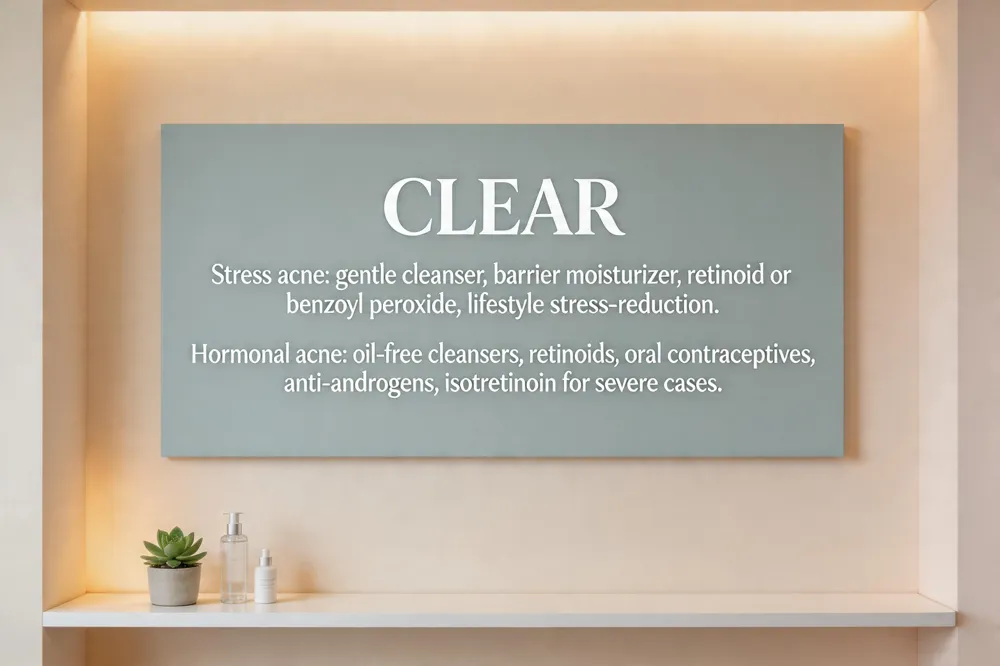
Cortisol‑driven oil production and inflammation require a two‑pronged approach. Begin with a gentle, non‑comedogenic cleanser and a barrier‑supporting moisturizer. Add a topical retinoid or benzoyl peroxide to keep pores clear and reduce inflammation. For moderate to severe breakouts, a short course of oral antibiotics or a hormonal agent such as spironolactone (women) can be prescribed, often via telehealth. Parallel lifestyle changes—regular sleep, low‑glycemic meals, daily exercise, and mindfulness—help lower cortisol. Avoid picking, protect with a broad‑spectrum sunscreen, and keep hair products off the face.
How to get rid of hormonal acne
Target excess sebum with oil‑free cleansers and topical retinoids, benzoyl peroxide, azelaic or salicylic acids. If topicals fall short, dermatologists may add combined oral contraceptives, anti‑androgen therapy, or short‑term antibiotics; isotretinoin is reserved for severe cases. Lifestyle support—adequate sleep, stress management, balanced nutrition—keeps hormonal spikes in check. Jana HealthCare offers personalized hormonal acne assessments and integrated plans that blend dermatologic care, aesthetic procedures, and wellness coaching.
How to clear up hormonal acne fast
Use prescription‑strength retinoids or benzoyl peroxide, coupled with a brief oral antibiotic or hormonal contraceptive when appropriate. For rapid improvement, consider spironolactone or low‑dose isotretinoin. Complement with gentle non‑comedogenic skincare, daily sunscreen, and regular salicylic or azelaic exfoliation. Prioritize stress reduction, sleep, and a low‑glycemic diet; schedule a Jana HealthCare consultation for a customized, fast‑acting regimen.
Hormonal Imbalance: Signs, Diagnosis, and Long‑Term Management
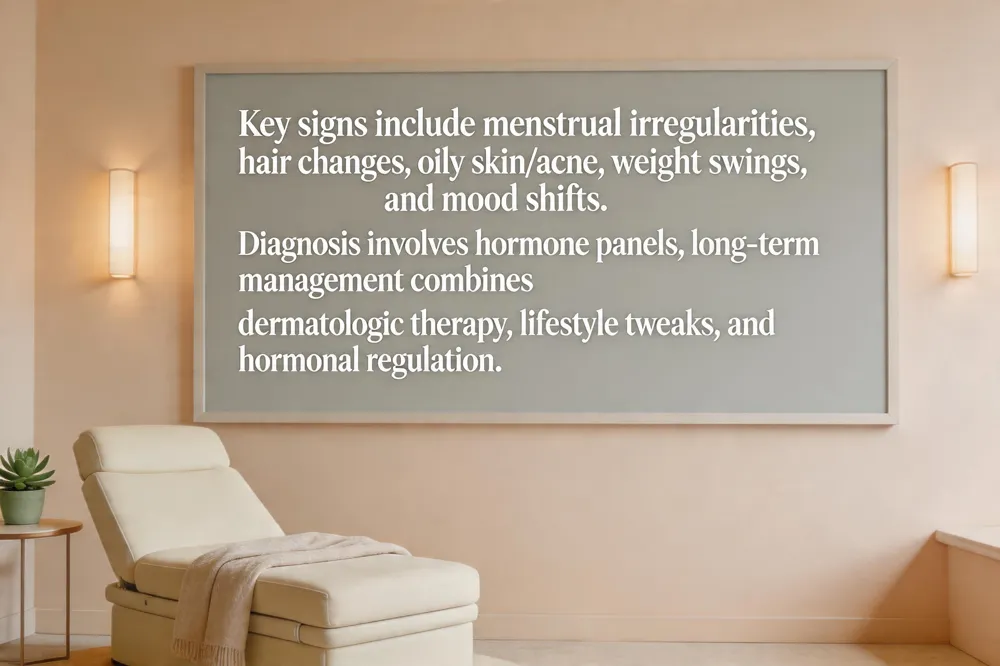 What are the 5 signs of hormonal imbalance? Irregular or unexpected menstrual changes, hair‑related issues (thinning scalp hair or excess facial hair), sudden skin problems such as oily texture, new‑onset acne or hyper‑pigmentation, changes in sexual health (reduced libido, vaginal dryness), and weight‑related fluctuations with mood swings or fatigue.
Which hormone causes acne in females? Excess androgens—primarily testosterone and its potent conversion to dihydrotestosterone (DHT)—stimulate sebaceous glands, increasing sebum and fostering clogged pores. The hormonal ebb and flow of the menstrual cycle amplifies this effect, especially on the chin, jawline, and lower face.
How long does hormonal acne last? It can persist from months to years, often flaring around periods and lingering until the underlying hormonal driver—such as PCOS, chronic stress, or insulin spikes—is addressed.
How to get rid of hormonal acne? Combine gentle, non‑comedogenic cleansing with topical retinoids, benzoyl peroxide, azelaic or salicylic acid. For persistent cases, dermatologists may prescribe combined oral contraceptives, anti‑androgen agents, or isotretinoin. Lifestyle tweaks—adequate sleep, stress‑reduction, low‑glycemic nutrition, and avoiding heavy cosmetics—support treatment outcomes.
Hormonal acne pictures typically show inflamed papules and pustules on the lower face, jawline, and neck, often accompanied by post‑inflammatory hyper‑pigmentation. Before‑and‑after images illustrate the visible improvement achievable with personalized dermatologic and aesthetic care.
Holistic Wellness: Stress Management, Skin‑Brain Axis, and Lifestyle
 Maintaining a gentle, fragrance‑free skincare routine—cleanse, moisturize, and protect with antioxidants such as vitamin C—creates a resilient barrier that can better withstand cortisol‑driven oil spikes. Mind‑body techniques (daily meditation, yoga, deep‑breathing) and regular aerobic exercise lower HPA‑axis activity, reducing cortisol, catecholamines, and the inflammatory cytokines (IL‑6, TNF‑α) that trigger acne, eczema, or rosacea. Adequate sleep (7‑9 h) and a diet rich in omega‑3s, antioxidants, and low‑glycemic foods support ceramide synthesis, improve the skin‑brain communication loop, and nourish a healthy microbiome that competes with Cutibacterium acnes.
How to treat stress‑related skin issues? Keep the barrier intact with ceramide‑rich moisturizers, practice stress‑reduction (meditation, yoga, journaling), move daily, and eat antioxidant‑dense foods; consult a dermatologist for prescription topicals or in‑office procedures if flare‑ups persist.
Skin conditions caused by stress and anxiety treatment Combine lifestyle changes (exercise, mindfulness, sleep hygiene) with a soothing skincare regimen; add antioxidant serums and barrier‑repair creams; seek dermatologist‑guided therapies (topicals, lasers, chemical peels) for stubborn eczema, psoriasis, or hives.
How do I tell if I have stress acne? Sudden clusters of red, inflamed papules on the jawline, chin, or forehead that appear during or shortly after high‑stress periods, often more painful and longer‑lasting than usual breakouts.
Can stress cause pimples? Stress does not create pimples directly but spikes cortisol, which boosts sebum and inflammation, clogging pores and worsening existing acne.
What does stress acne look like? Classic acne lesions—papules, pustules, and occasional cysts—most often on oil‑rich T‑zone areas, appearing oily and inflamed, coinciding with stressful events.
Putting It All Together: A Personalized Path to Clearer Skin
In practice, the most effective way to tame acne and other stress‑triggered skin issues is to combine three pillars of care. First, a dermatologist evaluates hormonal drivers—cortisol, androgens, ACTH—and prescribes targeted treatments such as retinoids, oral contraceptives, or spironolactone to curb sebum and inflammation. Second, aesthetic specialists address barrier repair and pigment control with procedures like laser resurfacing, microneedling, and peptide‑rich serums that boost collagen and restore moisture. Third, wellness coaches design long‑term stress‑reduction programs that include mindfulness meditation, regular aerobic exercise, balanced nutrition low in refined sugars, and sleep hygiene, all of which lower cortisol and stabilize skin health. Jana HealthCare brings these three streams together under one roof, offering shared electronic records and a team of dermatologists, aesthetic physicians, and lifestyle therapists. This multidisciplinary model turns a reactive “acne‑crisis” into a proactive plan for clearer, healthier skin.