Why Post‑Laser Care Matters
Laser procedures create microscopic channels and temporarily thin the stratum corneum, leaving the skin’s barrier compromised and highly permeable. This disruption makes the skin more sensitive to UV radiation, so a broad‑spectrum SPF 50+ mineral sunscreen is non‑negotiable to prevent hyperpigmentation and delayed healing. Hydrating ingredients such as ceramides, hyaluronic acid, and panthenol restore lipid layers, reduce transepidermal water loss, and accelerate re‑epithelialization. When barrier repair and UV protection are ignored, patients risk prolonged erythema, infection, scarring, and post‑inflammatory hyperpigmentation—especially in darker skin tones. Consistent, gentle cleansing, fragrance‑free moisturizers, and diligent sun protection are the foundation of a safe, aesthetic‑focused recovery.
Understanding the Post‑Laser Skin Barrier
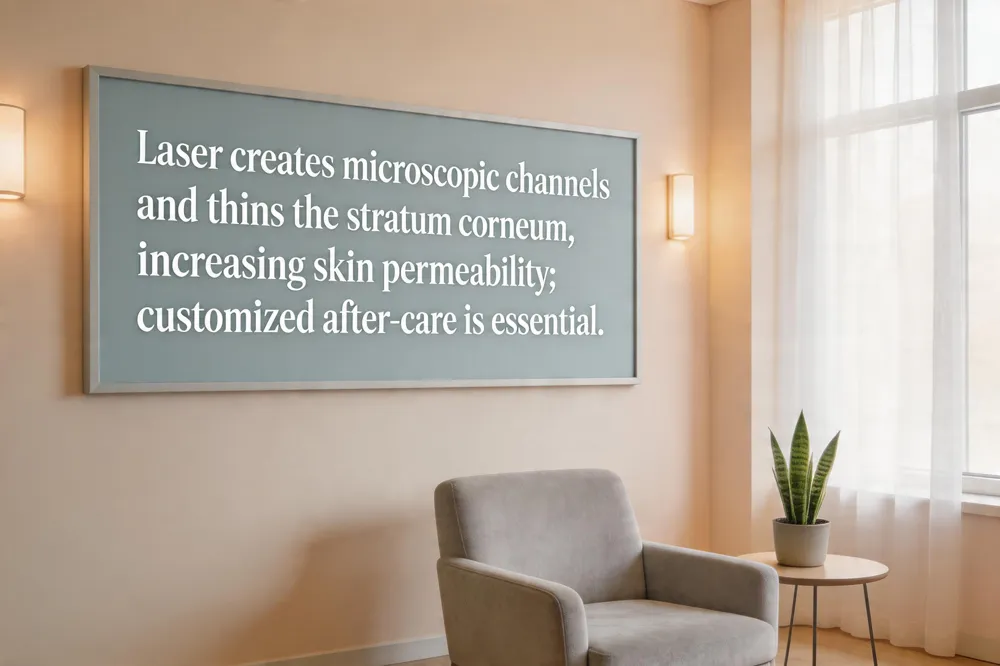 Laser energy creates microscopic channels and temporarily thins the stratum corneum, leaving the skin more permeable to irritants, UV radiation, and active ingredients. This heightened sensitivity explains why a one‑size‑fits‑all after‑care plan is insufficient; each laser type (CO₂, Pico, Fotona, etc.) has its own healing timeline and risk profile, so clinicians must tailor product selection, timing, and activity restrictions to the individual.
Should I do skincare after laser? Yes. Post‑laser skincare is essential for proper healing and optimal results. The compromised barrier benefits from fragrance‑free, barrier‑supporting moisturizers containing hyaluronic acid, ceramides, niacinamide, or panthenol. Harsh exfoliants, retinoids, alcohol‑based toners, and strong acids should be avoided for at least one week (often two) to prevent irritation, hyperpigmentation, and infection. Apply the moisturizer gently several times daily and follow your provider’s specific instructions.
What is the best skin care after laser treatment? Begin with a mild, pH‑balanced cleanser and a thick, non‑comedogenic moisturizer formulated for post‑procedure skin. Protect the area immediately with a broad‑spectrum mineral sunscreen (zinc oxide or titanium dioxide, SPF 50+), reapplying every two hours. Skip makeup, touching, and heat‑producing activities for the first 48‑72 hours, then re‑introduce actives only under clinician guidance. Consistent, gentle care supports barrier repair, reduces redness, and maximizes the long‑term aesthetic benefits of your laser session.
Gentle Hydration and Soothing Actives
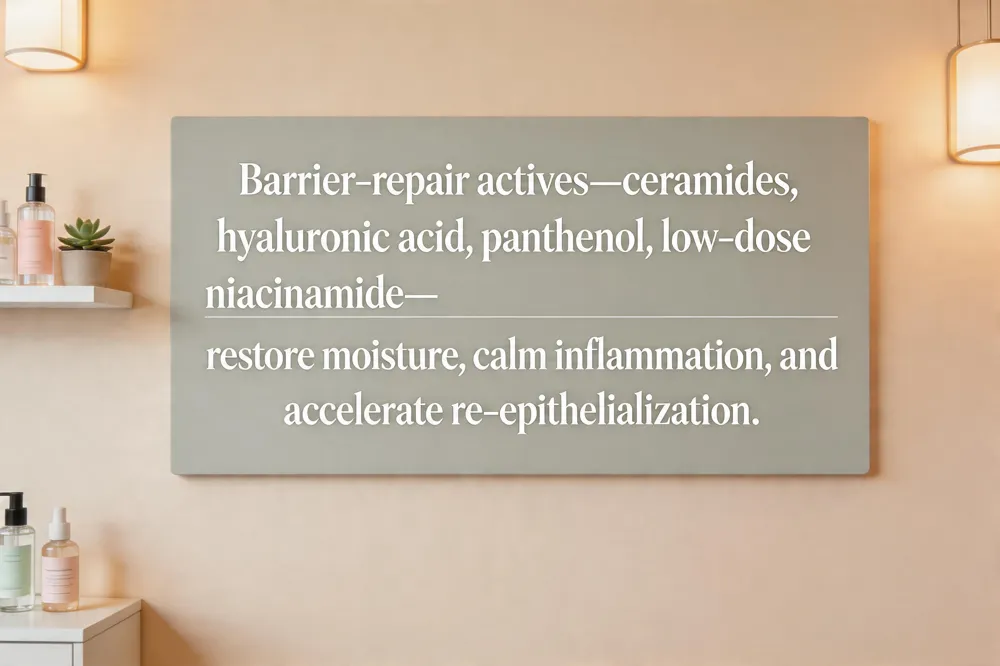 After a laser session the skin barrier is temporarily weakened, so the first priority is to restore moisture and calm inflammation. Barrier‑repair ingredients such as ceramides, hyaluronic acid, and panthenol (pro‑vitamin B5) seal in water, replenish lipids, and accelerate re‑epithelialization. Niacinamide (vitamin B3) adds anti‑inflammatory power, reduces erythema, and further strengthens the barrier without irritating delicate tissue. A post‑laser serum that blends these actives—hyaluronic acid for instant hydration, panthenol for barrier repair, low‑dose niacinamide (2‑4 %) for redness control, and ceramides to lock moisture—offers the most balanced recovery formula.
Is niacinamide good after laser treatment? Yes, its soothing and barrier‑supportive properties make it safe once the initial 24‑48 hours of rawness subides.
How soon can I use niacinamide? Typically after the first 24‑48 hours; wait until redness eases, then apply a thin, low‑concentration layer.
How soon can I use hyaluronic acid? Almost immediately—once the skin feels dry (usually within 24 hours). Apply a fragrance‑free serum on damp skin, then seal with a moisturizer.
Best post‑laser serum? One that combines hyaluronic acid, panthenol, niacinamide, and ceramides—e.g., Alastin Regenerating Skin Nectar—applied after cleansing and before a mineral SPF 50+ sunscreen.
Active Ingredients to Skip During the Healing Window
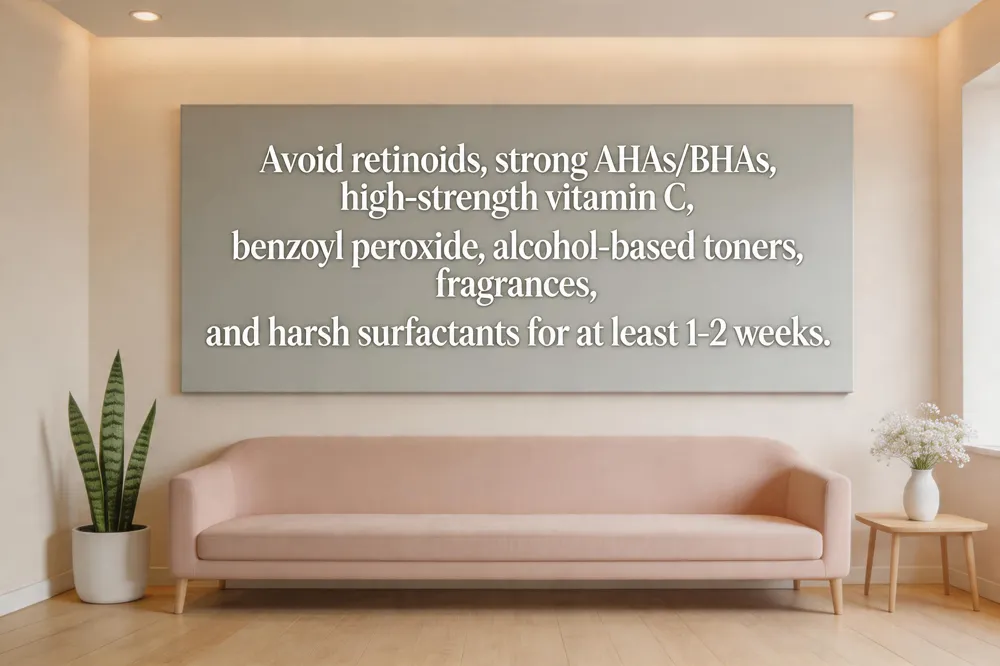 After a laser procedure the skin’s barrier is temporarily compromised, so any ingredient that can irritate, increase cell turnover, or strip moisture should be avoided.
What skincare ingredients to avoid after laser?
Vitamin A derivatives (retinol, tretinoin, retinal), acidic exfoliants (AHAs such as glycolic, lactic, mandelic acid and BHAs like salicylic acid), high‑strength vitamin C serums, and benzoyl peroxide can cause stinging, redness, and delayed re‑epithelialization. Alcohol‑based toners, fragrance‑laden formulas, and harsh surfactants (SLS) further dehydrate the skin and prolong healing. Physical scrubs, exfoliating gloves, and heavy occlusive oils (e.g., coconut or petrolatum in thick layers) trap heat and can introduce micro‑abrasions.
Ingredients that delay laser healing at home?
Stick to gentle, fragrance‑free moisturizers with ceramides, hyaluronic acid, or panthenol, and apply a broad‑spectrum mineral sunscreen (zinc oxide or titanium dioxide, SPF 50+). Avoid all actives listed above until the clinician confirms the skin has fully resurfaced.
When can I use glycolic acid after laser hair removal?
Wait at least 7‑10 days—or until the skin is fully re‑epithelialized—before re‑introducing glycolic acid. Begin with a low‑concentration (≤5 %) formula on a small test area, monitor for irritation, then gradually resume normal use, always following with a soothing moisturizer and sunscreen.
Sun Protection: The Non‑Negotiable Step
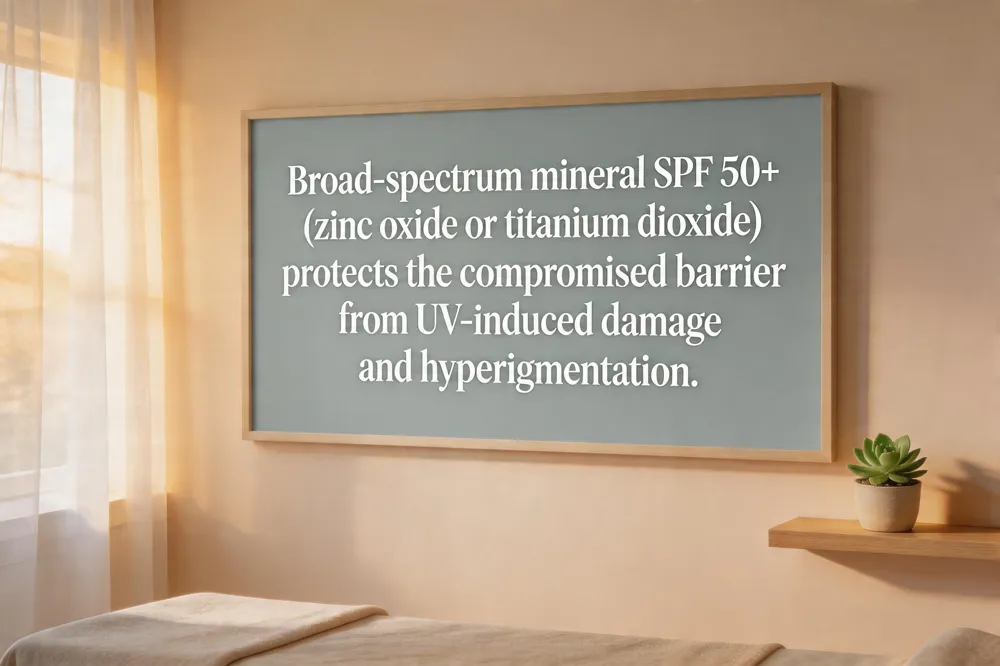 After a laser procedure the skin’s barrier is temporarily compromised and becomes dramatically more sensitive to UV radiation. Broad‑spectrum mineral sunscreens—those containing zinc oxide or titanium dioxide with SPF 30 or higher—are the safest choice because they sit on the surface, provide physical protection, and are less likely to sting or irritate fresh tissue than chemical filters such as avobenzone or oxybenzone. Apply the sunscreen generously every two hours when outdoors, re‑applying after sweating or toweling off, and pair it with protective clothing, a wide‑brimmed hat, and UV‑blocking sunglasses for added defense.
How to heal skin faster after laser?
Begin with a cool compress for a few minutes to reduce inflammation, then cleanse gently with a fragrance‑free , sulfate‑free cleanser 2‑5 times daily. Keep the area hydrated using a Barrier‑repair moisturizer containing ceramides, hyaluronic acid, or aloe vera. Avoid picking, scratching, and any active exfoliants (retinoids, AHAs, BHAs) for at least one week, or longer if your clinician advises. Stay well‑hydrated, get ample rest, and follow your provider’s personalized after‑care plan for the quickest, safest recovery.
Practical Day‑by‑Day After‑Care Routine
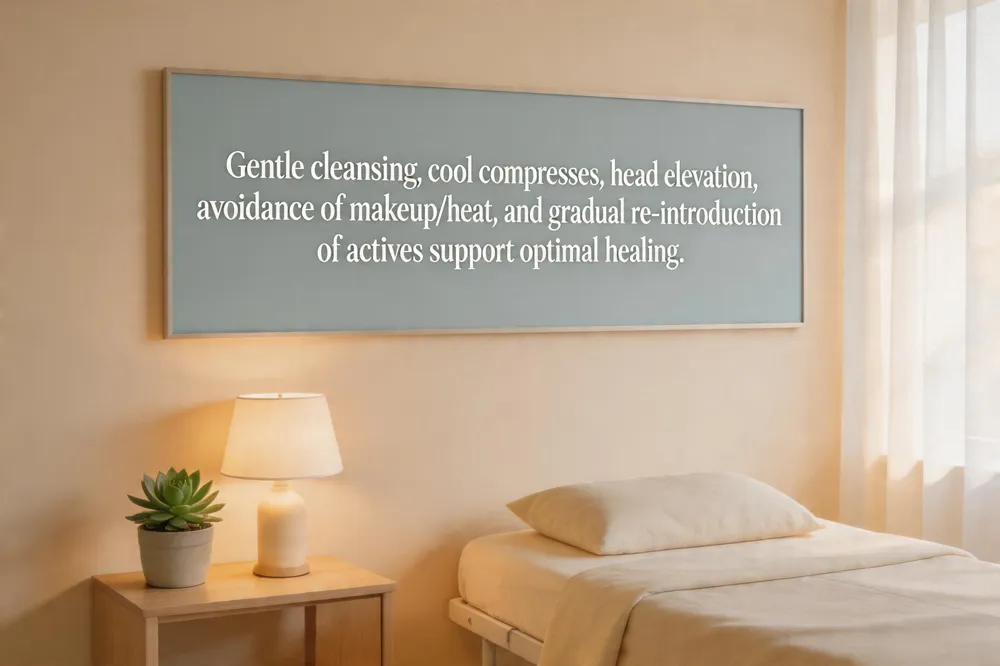 After a laser session the skin’s barrier is temporarily compromised, so a gentle, structured routine is key to soothing the area and preserving results.
Gentle cleansing schedule – For the first 48 hours rinse the face with lukewarm water and a fragrance‑free, sulfate‑free cleanser 2‑3 times daily. Avoid scrubbing, alcohol‑based toners or harsh surfactants that strip lipids. Pat dry with a soft towel and immediately apply a thin layer of a fragrance‑free moisturizer containing ceramides, hyaluronic acid, or panthenol to lock in moisture.
Cold compresses and elevation – Apply a clean, cool (not icy) compress for 15 minutes every 2 hours during the first two days to reduce swelling. Sleep with an extra pillow or elevate the head of the bed for the first few nights to lessen fluid buildup.
Avoiding makeup, picking, and heat exposure – Do not apply makeup, sunscreen with chemical filters, or any abrasive exfoliants for at least 48‑72 hours. Refrain from touching or picking at scabs, and keep the skin away from hot showers, saunas, and intense exercise for the first 24‑48 hours.
When to re‑introduce actives – Hold off on Retinoids, AHAs/BHAs, vitamin C serums, benzoyl peroxide, and other strong actives for 1‑2 weeks (or as your clinician advises). After the barrier has healed, re‑introduce one product at a time, monitoring for irritation.
Q&A How do you take care of your skin after laser treatment? – Keep the area clean with a gentle cleanser, moisturize with barrier‑repair formulas, use cold compresses, elevate the head, avoid actives and makeup, and protect with broad‑spectrum SPF 50+ mineral sunscreen.
Should I do skincare after laser? – Absolutely. Post‑laser skincare restores hydration, calms inflammation, and prevents complications. Choose fragrance‑free, soothing moisturizers and delay harsh actives until cleared by your provider.
Follow your clinician’s personalized after‑care plan and contact them promptly if you notice excessive redness, pain, or signs of infection.
Medication and Systemic Factors Influencing Laser Outcomes
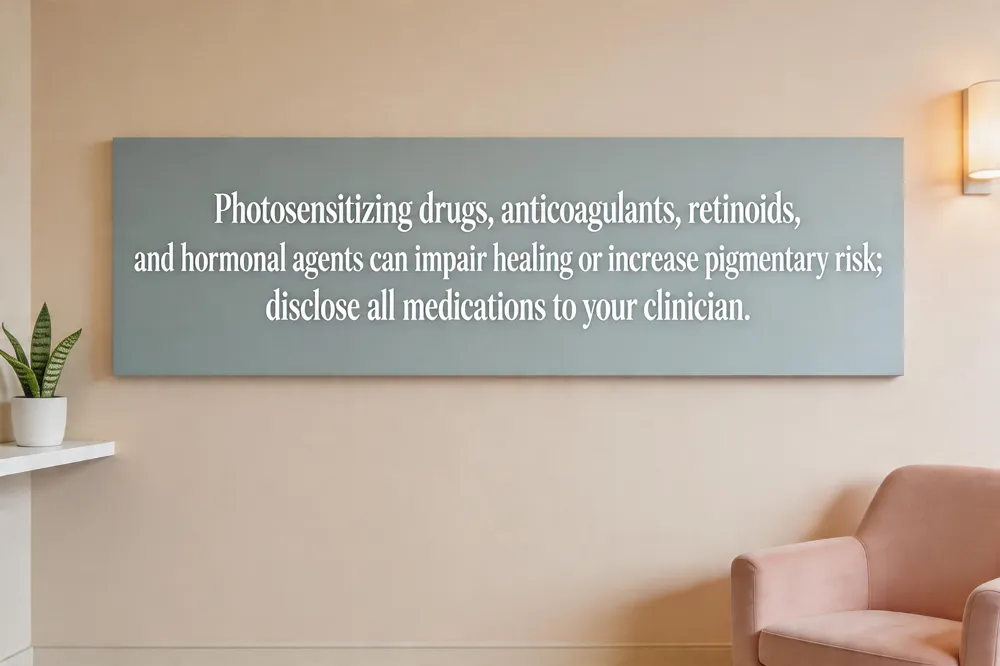 Systemic medications can dramatically alter how your skin reacts to laser procedures, especially laser hair removal. Photosensitizing drugs—such as tetracycline antibiotics (doxycycline, minocycline), fluoroquinolones, and certain antihistamines—make the epidermis more vulnerable to UV‑induced damage, increasing the risk of burns and post‑inflammatory hyperpigmentation. Anticoagulants (aspirin, warfarin, clopidogrel) and high‑dose vitamin A or isotretinoin impair clotting and healing, leading to easy bruising, prolonged redness, or scarring. Hormonal agents like oral contraceptives or hormone‑replacement therapy can alter pigment‑producing cells, sometimes heightening pigmentary changes after laser exposure. Retinoids (topical or oral) accelerate cell turnover, which can exacerbate irritation and delay re‑epithelialization when used too close to treatment.
What drugs affect laser hair removal? Certain medications make the skin more photosensitive or impair healing, raising the chance of burns, pigment changes, or bruising. These include tetracycline antibiotics, fluoroquinolones, oral isotretinoin and other retinoids, topical acne agents (benzoyl peroxide), some antidepressants and antihistamines, and blood‑thinners (aspirin, warfarin, clopidogrel). Immunosuppressants and high‑dose vitamin A supplements also increase risk. Disclose all prescription and over‑the‑counter drugs to your clinician so appropriate waiting periods—often six months for isotretinoin and a few weeks for antibiotics—can be observed before scheduling laser hair removal.
Avoiding Common Pitfalls and Mistakes
 After laser resurfacing the skin barrier is temporarily broken, making it a magnet for irritation. Pick or scratch scabs—this can introduce bacteria, cause infection, and lead to permanent scarring or pigment changes. Early makeup and heavy occlusive ointments trap heat and moisture, creating a breeding ground for bacteria and prolonging erythema; a thin layer of a fragrance‑free, breathable moisturizer (e.g., ceramide‑rich) is preferred for the first 24‑48 hours, followed by mineral sunscreen once the wound has closed. Layering too many actives at once overwhelms the healing skin; avoid retinoids, vitamin C serums, AHAs/BHAs, benzoyl peroxide, and high‑strength antioxidants for at least 7‑10 days. Excessive heat, sweat, and exercise dilate blood vessels and increase inflammation—skip saunas, hot showers, and vigorous workouts for the first 48‑72 hours. In short, stick to gentle, fragrance‑free cleansing, barrier‑repair moisturizers, and broad‑spectrum mineral SPF while the skin re‑epithelializes.
Putting It All Together for Optimal Healing
A successful laser experience hinges on three pillars: barrier protection, deep hydration, and vigilant sun safety. After a session the skin’s stratum corneum is temporarily compromised, so fragrance‑free moisturizers rich in ceramides, hyaluronic acid, or panthenol help rebuild the lipid matrix and curb transepidermal water loss. Broad‑spectrum mineral sunscreen (SPF 50 + zinc oxide or titanium dioxide) must be applied every morning and reapplied after any sun exposure, because UV rays can trigger post‑inflammatory hyperpigmentation on the newly sensitized surface. Finally, adhere strictly to the clinician’s individualized after‑care plan—timing of actives, cleansing technique, and activity restrictions—because each laser modality (CO₂, Pico, Fotona, etc.) heals on its own schedule. disciplined, evidence‑based care maximizes collagen remodeling, minimizes downtime, and preserves the aesthetic benefits you sought.