Welcome to Hormone‑Focused Energy
Hormones act as the body’s internal power grid, directing metabolism, sleep, mood, and stress response—key drivers of daily vitality. When the endocrine system is out of sync, cortisol spikes, thyroid output falters, and insulin blips, leading to fatigue, mood swings, and weight swings. Restoring balance—through adequate 7‑9 hours of sleep, stress‑lowering practices, a diet rich in omega‑3s, fiber, and magnesium, and regular moderate exercise—keeps cortisol, thyroid, estrogen, progesterone, and testosterone operating smoothly, translating into sustained energy and clearer focus. Jana HealthCare’s multidisciplinary team blends endocrinology, nutrition, functional medicine, and mind‑body therapies to personalize a hormone‑optimizing plan, ensuring each patient experiences lasting vigor and holistic well‑being.
Understanding Hormonal Imbalance and Its Impact on Energy
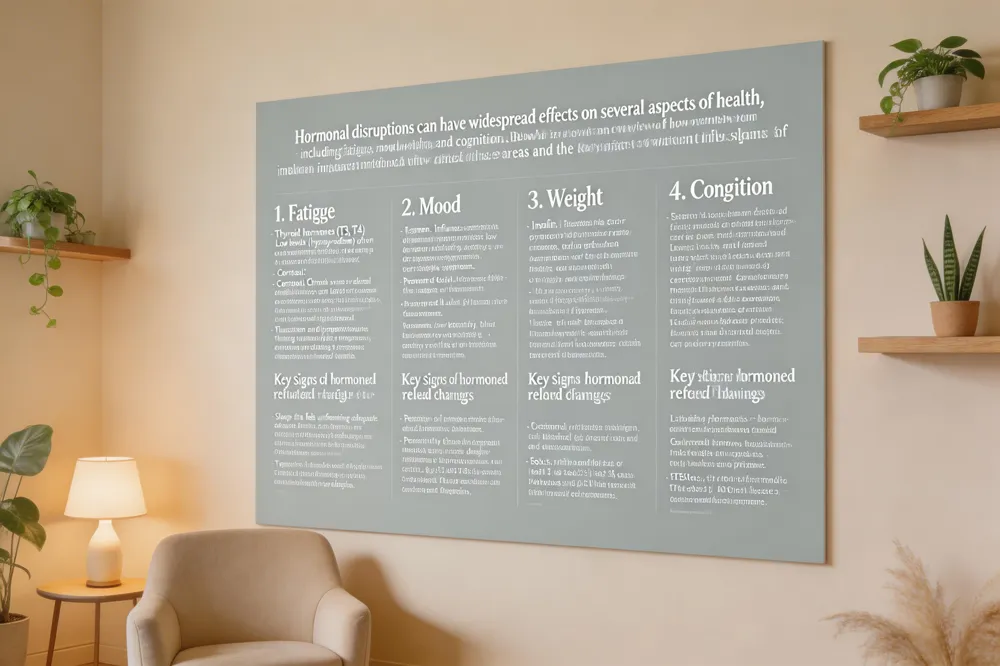 Side Effects of Hormonal Imbalance
Hormonal imbalance can trigger irregular or missed periods, unexplained weight gain or loss and persistent fatigue. Mood swings, anxiety, depression, brain fog, poor sleep, and frequent headaches are common. Skin changes such as acne, oily complexion, or hair loss, and hirsutism (excess facial hair) may appear. Women may experience vaginal dryness and reduced libido when estrogen drops, while excess androgens can cause acne and hair growth.
What are the 5 Signs of Hormonal Imbalance?
- Irregular or altered menstrual cycles (missed, heavy, frequent, unpredictable).
- Hair changes – thinning on scalp or coarse facial hair.
- Sudden skin issues – acne, dark patches, texture shifts.
- Unexplained weight fluctuations, especially abdominal gain.
- Mood, sleep, or digestive disturbances – anxiety, insomnia, brain fog, irregular bowel movements.
Can Hormone Imbalance Cause Dementia?
Reduced estrogen after menopause is linked to higher risk of memory problems and Alzheimer‑related dementia because estrogen supports neural connections and neurotransmitter activity. Testosterone, which can convert to estrogen in the brain, may offer protective effects, but evidence is mixed. Hormone‑replacement therapy shows varied outcomes; thus, hormonal changes are a risk factor, not a direct cause.
Energy Hormone
The thyroid (T₃ and T₄) is the primary “energy hormone,” setting basal metabolic rate and influencing stamina, mood, and heat production. Cortisol provides a morning wake‑up surge but chronic elevation drains energy. Insulin and leptin together signal energy availability and appetite. Balanced sleep, nutrient‑dense diet, and stress‑reduction keep these hormones in harmony for steady daily energy.
Nutrition Foundations: Energy‑Boosting Foods and Hormone Support
 A diet that steadies blood‑sugar while feeding the endocrine system is the cornerstone of lasting stamina. Top energy‑rich foods that stabilize blood sugar include nuts (almonds, walnuts, pistachios, cashews) that supply protein, healthy fats and magnesium; fresh fruit such as berries, melons, bananas and citrus for natural sugars, potassium and hydration; Greek yogurt or skyr for protein and probiotics; whole grains like oatmeal, quinoa and brown rice for fiber and B‑vitamins; leafy greens (spinach, kale, Swiss chard) for iron and magnesium; fatty fish (salmon, sardines, mackerel) for omega‑3s; and seeds (pumpkin, chia) for fiber and zinc.
Nutrients that directly support hormone synthesis are B‑vitamins (B1, B2, B3, B5, B6, B9, B12) for cellular energy, vitamin C for adrenal hormone production and iron absorption, iron for hemoglobin and mitochondrial function, magnesium as a co‑factor in ATP generation, zinc and coenzyme Q10 for mitochondrial respiration and antioxidant protection.
Balanced meals for sustained stamina combine a protein source (25‑30 g), a fiber‑rich carbohydrate (whole grain or starchy vegetable), and a healthy fat (avocado, olive oil, nuts, or fatty fish) to blunt glucose spikes, keep insulin and cortisol in check, and provide the building blocks for hormone production.
Top 10 energy foods – almonds, walnuts, pistachios, cashews, berries, melons, bananas, Greek yogurt, oatmeal, quinoa.
Vitamins to boost energy – B‑complex, vitamin C, iron, magnesium, zinc, CoQ10.
What to drink to balance hormones – green tea, spearmint tea, chasteberry tea, low‑sugar berry‑blast smoothies.
Foods that balance hormones in females – leafy greens, colorful vegetables, avocado, olive oil, nuts, seeds, fatty fish, Brazil nuts, vitamin‑D‑rich foods, probiotic‑rich fermented foods, and plenty of water.
Quick Energy Fixes: Fast Natural Boosters
 When you need a rapid lift, start with hydration—drink a glass of water to reverse even mild dehydration, which can sap alertness. Follow with a brief burst of movement (5‑minute walk, jumping jacks, or gentle yoga) to increase oxygen flow and release dopamine. A light, protein‑rich snack such as almonds, a banana with peanut butter, or Greek yogurt with berries stabilizes blood‑sugar and provides amino acids for neurotransmitter synthesis.
Natural energy‑booster drink: Blend filtered water, fresh lemon, a handful of berries, a pinch of sea salt, and a tablespoon of chia or flax seeds. Add a small steep of green tea for gentle caffeine. This low‑sugar, electrolyte‑rich beverage supports steady stamina without the crash.
Gender‑specific quick boosters – Men benefit from morning sunlight (vitamin D), a protein‑dense breakfast (eggs, Greek yogurt, nut‑filled smoothie), and short resistance bursts to sustain testosterone and dopamine. Women can focus on magnesium‑rich foods (dark chocolate, pumpkin seeds) and adaptogenic herbs like ashwagandha to temper cortisol spikes that often underlie fatigue.
Fast answers:
- Strongest natural booster: Caffeine (coffee, tea, guarana) acts fastest; adaptogens (rhodiola, ashwagandha) and Vitamin B‑12 sustain energy without jitters.
- How to get energy fast: Hydrate, snack on protein‑fat combo, move, breathe deeply, and expose eyes to natural light.
- What to eat for rapid gain: Nuts, Greek yogurt with berries, whole‑grain toast with avocado, or a banana with almond butter.
- Natural booster for men: Sunlight, protein‑rich breakfast, consistent hydration, short movement bursts, stress‑reduction practices.
- What gives you energy fast?: Protein + healthy fat + complex carbs, water, modest caffeine, light exercise, and a few minutes of daylight.
These simple, evidence‑based steps combine endocrine science with holistic wellness, helping you feel vibrant in minutes.
Lifestyle Strategies: Sleep, Exercise, and Stress Management
 Weekly hormone‑balancing routine: Begin each day with a protein‑rich breakfast (e.g., eggs, Greek yogurt, nuts) and fiber‑dense vegetables to keep insulin and cortisol steady. Aim for 30 minutes of moderate activity—brisk walking, yoga, or light strength training—most days; this improves insulin sensitivity, supports thyroid conversion, and releases endorphins. Fill meals with anti‑inflammatory foods such as fatty fish, leafy greens, turmeric, and cruciferous vegetables, while limiting added sugars, refined carbs, and trans fats that provoke insulin resistance and estrogen spikes. Hydrate (≈2 L water) and consider magnesium or vitamin D after a lab check.
Sleep hygiene for hormone regulation: Secure 7‑9 hours of quality sleep nightly. Keep a consistent bedtime and wake‑time, dim lights 30 minutes before sleep, and avoid screens and caffeine after 2 PM. A cool, dark bedroom promotes melatonin release, balancing cortisol and growth‑hormone rhythms. A brief wind‑down routine—reading, gentle stretching, or deep breathing—prepares the body for restorative sleep.
Stress‑reduction practices that protect energy: Practice mindfulness, meditation, or 5‑minute breathing exercises twice daily to lower cortisol. Short outdoor walks in morning light reset circadian rhythms and boost vitamin D synthesis. Yoga or tai chi improves flexibility, reduces inflammation, and stabilizes thyroid and sex hormones.
How to balance your hormones in a week – Stabilize daily rhythms with 7‑9 hours sleep, nutrient‑dense meals, 30 minutes moderate exercise, and regular stress‑relief practices; stay hydrated and add targeted supplements (magnesium, vitamin D) after consulting a clinician.
How to balance your hormones in a week naturally – Start with a balanced breakfast, incorporate anti‑inflammatory foods, dedicate 10‑15 minutes each morning/evening to meditation or gentle yoga, maintain consistent sleep, and add brisk walking or strength sessions three times weekly.
How to increase energy after 50 – Emphasize whole foods rich in vitamin D, B12, and magnesium; engage in daily light‑to‑moderate movement, practice stress‑reduction techniques, review medications, and limit caffeine and nighttime napping.
What can I take for energy and motivation – Opt for a protein‑fiber‑fat breakfast, stay hydrated, snack on magnesium‑rich nuts, and consider B‑complex, vitamin D, or adaptogenic herbs (rhodiola, ashwagandha) under professional guidance; combine with regular exercise and mindfulness to boost dopamine and stamina.
Targeted Supplements and Herbs for Hormone Balance
 Balancing hormones often begins with a solid foundation of evidence‑based nutrients. Omega‑3 fatty acids, vitamin D, magnesium, and high‑quality protein support estrogen, progesterone, thyroid, and cortisol regulation. Inositol (especially myo‑inositol) improves insulin sensitivity and is a first‑line option for PCOS, while DIM (diindolylmethane) promotes healthier estrogen metabolism. Adaptogenic herbs such as ashwandandha, rhodiola, and holy basil have been shown to lower chronic cortisol by up to 20‑30 %, helping to blunt stress‑related hormonal spikes and improve sleep quality. For those seeking weight‑loss–focused hormonal support, a combination of omega‑3s, green‑tea extract, and modest CLA can enhance leptin signaling, curb cravings, and modestly increase thermogenesis.
How to cure hormonal imbalance in females: Start with a thorough medical evaluation to identify the cause (e.g., PCOS, thyroid disease, cortisol excess). Implement a nutrient‑dense diet, regular aerobic and strength exercise, adequate 7‑9 hours sleep, and stress‑reduction practices. If needed, clinicians may add hormonal contraceptives, metformin, thyroid medication, or bioidentical hormone therapy under supervision.
Treatment of hormonal imbalance: Tailored therapy combines prescription options (hormone replacement, thyroid meds) with lifestyle changes and, when appropriate, plant‑based supplements or adaptogens.
Energy‑boost supplement: Choose a B‑vitamin complex, CoQ10, magnesium, and green‑tea extract with L‑theanine; avoid excessive caffeine and consult a provider for dosing.
Supplements to balance hormones and lose weight: Inositol, DIM, vitamin D + magnesium, omega‑3s, and green‑tea extract are evidence‑based choices; a hormone panel guides personalized dosing.
Natural energy booster supplements: B‑vitamins, vitamin D, iron, ginseng, ashwagandha, CoQ10, and magnesium support mitochondrial function and stamina; professional guidance ensures safety.
Female‑Specific Hormone Balancing Techniques
 Hormonal health in women is shaped by nutrition, sleep, stress management and movement. Below are concise, evidence‑based answers to common questions.
How to balance female hormones naturally
Eat a nutrient‑dense diet rich in omega‑3s (salmon, walnuts, flaxseed), leafy greens, cruciferous veg, berries and a modest amount of dark chocolate to curb inflammation and support cortisol regulation. Aim for 20‑30 g of protein per meal and include healthy fats from avocado, nuts and olive oil, and stay hydrated. Prioritize 7‑9 hours of quality sleep and practice daily stress‑reduction (meditation, yoga, deep breathing). Limit caffeine, alcohol and exposure to endocrine‑disrupting chemicals.
Natural remedies for hormonal imbalance in females
Incorporate fermented foods (Greek yogurt, kefir) and phytoestrogen‑rich foods (soy, flaxseed) to aid estrogen metabolism. Herbal teas such as chamomile, red‑clover or raspberry‑leaf can gently modulate estrogen and lower cortisol. Regular moderate exercise—brisk walking, yoga, strength training—improves insulin sensitivity and reduces stress hormones.
Vitamins to balance hormones for females
Magnesium, B‑complex (especially B6, B12, B3), vitamin D, vitamin C and vitamin E are critical for steroid‑hormone synthesis, cortisol control and antioxidant protection. Include fortified dairy, eggs, nuts, seeds, citrus fruits and leafy greens to meet these needs.
Female hormone changes at 30
In the 30s estrogen and progesterone begin to fluctuate, often intensifying pre‑menstrual symptoms, mood swings and subtle weight shifts. Ovarian reserve slowly declines, making menstrual tracking and stress‑reduction especially important. A balanced diet, regular movement and adequate sleep can smooth these transitions; persistent irregularities should prompt a medical evaluation.
Male‑Specific Hormone Health and Energy
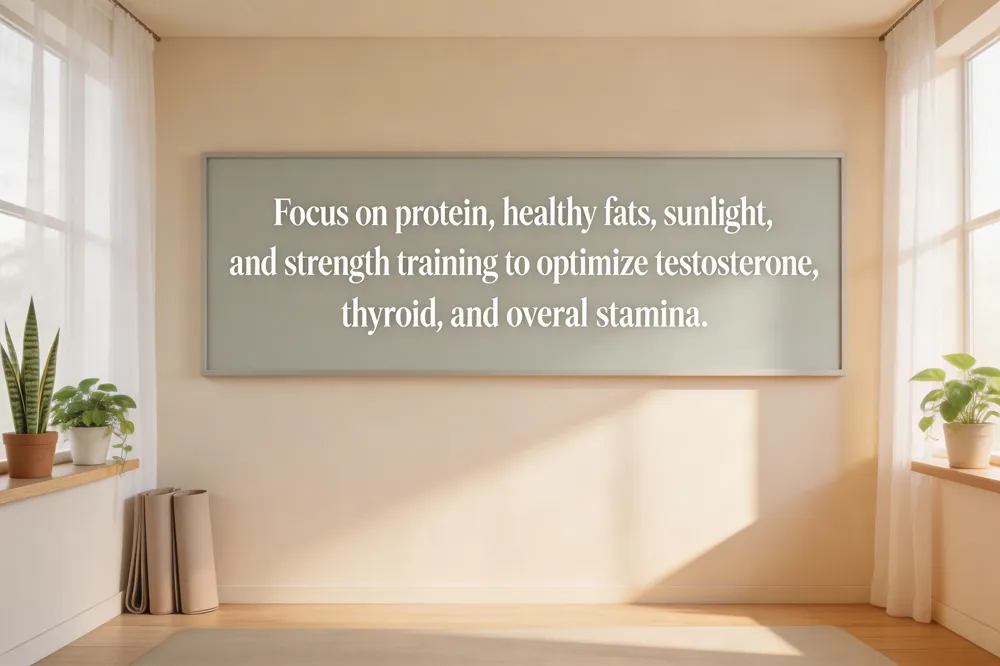 Men’s energy levels are tightly linked to testosterone, cortisol, thyroid and, and insulin. A balanced diet that includes 20‑30 g of high‑quality protein at each meal (eggs, Greek yogurt, lean poultry, beans) supplies the amino acids needed for peptide‑hormone synthesis and steadies blood glucose, preventing the fatigue‑fall that follows a high‑sugar snack. Healthy fats from oily fish, avocado, nuts, and olive oil provide the building blocks for steroid hormones and reduce inflammation, while magnesium‑rich foods (dark chocolate, almonds, leafy greens) help keep cortisol in check. Regular strength‑training and moderate aerobic activity improve insulin sensitivity, boost testosterone receptors, and lower chronic cortisol, which together support sustained stamina. Adequate sleep (7‑9 hours) restores growth hormone and balances cortisol, and brief morning sunlight exposure helps reset the circadian rhythm and vitamin D production. Hydration, stress‑reduction practices (meditation, yoga), and avoiding excess alcohol, smoking, and processed sugars further protect hormonal equilibrium.
How to cure hormonal imbalance in men – Start with a physician‑ordered lab panel to pinpoint which hormones are off‑balance. Treatment may involve testosterone replacement, thyroid medication, or diabetes management, combined with lifestyle changes: regular exercise, a whole‑food diet rich in protein and healthy fats, consistent sleep, stress‑management techniques, and avoidance of alcohol, smoking, and anabolic steroids. Ongoing monitoring ensures optimal dosing and adjustment.
Natural energy booster for men – Begin the day with 10‑15 minutes of sunlight, followed by a protein‑rich breakfast (e.g., eggs or a nut‑filled smoothie). Stay hydrated (≈8 glasses of water), move every few hours with short walks or resistance sets, and practice mindfulness or yoga to lower cortisol. Limit caffeine after mid‑afternoon and avoid smoking to protect sleep quality and maintain daily vigor.
Your Path to Hormone‑Balanced Energy
Balancing hormones for lasting energy relies on habits. Aim for 7‑9 hours of quality sleep night to reset growth hormone and cortisol. Fill meals with lean protein, fiber‑rich vegetables, whole‑grain carbs and healthy fats such as omega‑3s from fish or avocado, which stabilize insulin and reduce inflammation. Stay hydrated, limit added sugars and processed foods, and choose low‑glycemic options to avoid glucose crashes. Include moderate exercise—walking, yoga, or strength training—to boost insulin sensitivity and lower cortisol. Manage stress with mindfulness, deep breathing, or relaxation breaks, and consider targeted supplements like vitamin D, magnesium or omega‑3s after guidance. At Jana HealthCare we personalize these evidence‑based strategies, offering labs, coaching and follow‑up. Start with one small change this week and build consistency for vitality.