Setting the Stage for Whole‑Body Wellness
Whole‑body wellness means viewing health as an interconnected tapestry of physical, mental, social, and even aesthetic threads rather than isolated organ problems. Internal medicine physicians are uniquely trained to assess every system in the adult body, blend preventive screenings (blood pressure, cholesterol, glucose, cancer checks) with lifestyle counseling on nutrition, exercise, sleep, and stress management. Jana HealthCare in Brooklyn brings this philosophy to life by housing internists, cosmetic dermatologists, nutritionists, and integrative therapists under one roof, allowing a single visit to address blood health, skin confidence, and emotional well‑being. Preventive care—annual exams, vaccinations, and early detection of hypertension, diabetes, or hyperlipidemia—sets the foundation, while personalized coaching on diet, movement, and mindfulness empowers patients to sustain healthy habits. Together, coordinated medical oversight and holistic wellness services create a seamless, patient‑centered pathway to lasting health optimization.
The Foundations of Whole‑Body Wellness in Internal Medicine
 Internal medicine physicians care for adults across organ systems, illnesses such as hypertension, diabetes and heart disease. Their toolkit includes blood‑pressure checks, cholesterol panels, cancer screenings, vaccinations and lifestyle counseling on nutrition, exercise, sleep and stress. The American College of Physicians defines whole‑body wellness as the integration of physical, mental and social health, acknowledging that diet, activity, sleep and stress affect all organs. Care models—like Jana HealthCare—combine internal medicine and cosmetic dermatology under an electronic record, reducing testing, speeding referrals and lowering costs while boosting satisfaction.
Purpose of integrated care system: To unite medical, cosmetic and wellness services for seamless care that improves outcomes, safety and well‑being.
Can an internal medicine doctor treat UTI? Yes. The physician diagnoses the infection, prescribes first‑line antibiotics, advises fluid intake and refers to a specialist only if complications arise.
Lifestyle Counseling and Preventive Screenings
 Routine screenings—blood pressure, fasting glucose, lipid panels—are the backbone of internal‑medicine preventive care.
Physicians pair these checks with nutrition counseling (plant‑rich, low‑added‑sugar meals) and physical‑activity guidance (≥150 min moderate exercise weekly).
Stress‑management techniques, sleep hygiene (7–9 h/night), and brief mindfulness breaks are also emphasized, because evidence shows such lifestyle changes cut hypertension, diabetes, and cardiovascular risk.
10 ways to improve your health
Stay hydrated, prioritize at least 7 hours of sleep each night, move your body for a minimum of 30 minutes daily, and fill your plate with a colorful, plant‑rich diet.
Practice mindfulness or meditation, schedule regular health check‑ups, limit added sugars and processed foods, and nurture strong social connections.
Protect your skin from UV exposure with sunscreen, manage stress using breathing techniques, incorporate a gentle morning stretch routine, and floss daily for optimal oral health.
Add a handful of unsalted nuts or seeds as a nutritious snack, reduce sodium by seasoning with herbs instead of salt, and maintain good posture and ergonomics throughout your day.
Finally, allow brief afternoon naps when needed and enjoy de‑stressing activities such as listening to music or reading to support overall well‑being.
Wellness tip of the week
Take a 5‑minute stretch break each hour—stand, roll your shoulders, and stretch your arms—to boost circulation and reduce tension. Pair it with a deep‑breathing pause: inhale for four counts, hold, exhale slowly to calm the nervous system. Stay hydrated by sipping water infused with citrus or cucumber. Add a brief walk or light movement, like marching in place, to keep blood flowing. These micro‑habits improve posture, energy, and well‑being.
Integrative Therapies and Aesthetic Dermatology
 Cosmetic dermatology procedures—laser resurfacing, Botox, chemical peels—do more than improve skin texture; they boost self‑esteem and reduce anxiety, key psychosocial benefits that support whole‑body wellness. Complementary therapies such as acupuncture, mindfulness‑based stress reduction, and yoga are increasingly offered alongside medical care to alleviate pain, insomnia, and mood disturbances. Robust evidence links these integrative approaches to lower blood pressure, improved glycemic control, and reduced cortisol levels, confirming that mind‑body practices enhance physiological health. Skin health is a mirror of systemic wellness: hormonal imbalances, nutritional deficiencies, and chronic inflammation often manifest as acne, rosacea, or premature aging, making dermatologic evaluation a valuable window into internal health. By blending aesthetic dermatology with evidence‑based integrative therapies, clinicians create a coordinated, patient‑centered plan that nurtures both appearance and overall vitality.
What are the 7 holistic approaches? Physical Wellness (movement, nutrition, sleep, preventive care); Mental Wellness (resilience, stress‑management); Emotional Wellness (self‑awareness, gratitude); Social Wellness (meaningful relationships, community); Spiritual Wellness (purpose, inner peace); Environmental Wellness (clean, sustainable surroundings); Occupational/Financial Wellness (meaningful work, financial stability).
What is the 5‑3‑1 rule for wellness? Spend time with five different people each week, nurture three close relationships daily, and enjoy one hour of quality interaction each day to strengthen social bonds and overall health.
Employee and Team Wellness Programs
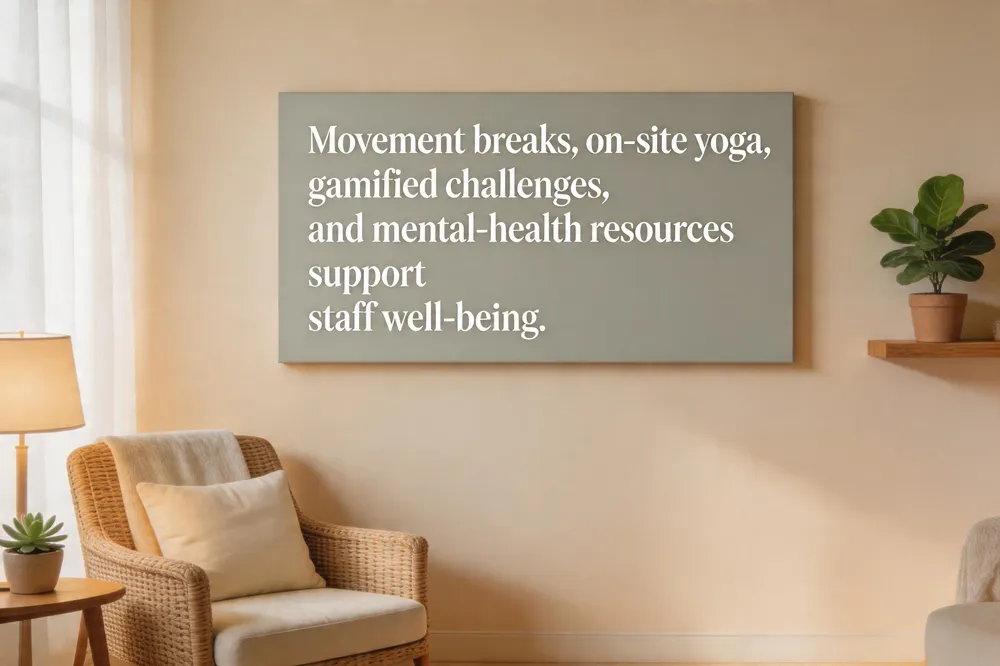 Movement breaks and ergonomics: Encourage staff to stand, stretch, or walk for a few minutes every hour; ergonomic desks, adjustable chairs, and quick posture tutorials reduce musculoskeletal strain and keep circulation flowing.
On‑site yoga, meditation, mindfulness: Offer brief, guided sessions before appointments or during lunch breaks; these practices lower cortisol, improve focus, and foster a calm workplace culture.
Fun wellness initiatives and gamification: Run a weekly “wellness bingo” where participants earn stickers for 5‑minute stretch breaks, stair‑climbing challenges, or healthy snack swaps. Leaderboards for step counts or a “Brooklyn Bridge Walk” competition turn fitness into friendly competition.
Mental‑health support strategies: Provide confidential counseling, regular debriefings, and a Resident Response Team for crisis aid. Encourage gratitude journaling, realistic goal‑setting, and easy access to mindfulness apps. Flexible scheduling and regular health‑screening days empower employees to balance work with self‑care and early detection.
Technology, EHR, and Coordinated Care
 Electronic health records (EHR) give internal‑medicine physicians a longitudinal, whole‑body view of each patient. By capturing labs, imaging, medication lists, and even aesthetic procedures in one system, EHRs enable seamless information flow among internists, dermatologists, nutritionists, and mental‑health counselors. Telemedicine and remote monitoring extend this connectivity beyond the clinic, allowing clinicians to track blood pressure, glucose, sleep patterns, and skin‑care outcomes in real time and intervene before problems worsen. The patient‑centered medical home (PCMH) model builds on these tools, creating a single, accountable care team that coordinates preventive screenings, chronic‑disease management, and wellness therapies under one roof. Data‑driven prevention uses population‑level analytics to flag at‑risk individuals and generate personalized plans that blend evidence‑based medicine, lifestyle counseling, and aesthetic enhancements.
Resident Wellness and Training Insights
 The University of Kansas Internal Medicine Residency Program models a comprehensive wellness framework that blends clinical excellence with whole‑body health. Residents enjoy a Resident inpatient teams limited to 16 patients per senior:2 intern team, lower than national average and PGY2 and PGY3 residents can self‑schedule inpatient rotations for flexibility, allowing flexibility during busy periods. Each month a guaranteed Golden Weekend (Saturday and Sunday off) follows the first ambulatory week, giving uninterrupted rest. Nutrition is supported with Lunch provided 4/5 weekdays during noon didactics plus $65 bi‑weekly food budget and unlimited coffee and a fitness‑center membership. Mental‑health safety includes confidential burnout screenings and 24/7 counseling, a Resident Response Team, and regular debriefings. Fatigue mitigation uses sleep‑time‑management didactics, a night‑float system, and reimbursement for Uber ride reimbursement when exhausted. Finally, residents are trained in motivational interviewing, a patient‑centered technique that encourages realistic, incremental lifestyle changes, enhancing both clinician and patient resilience.
Putting Whole‑Body Wellness Into Practice at Jana HealthCare
Jana HealthCare’s model brings internal medicine, cosmetic dermatology, and evidence‑based wellness therapies together under one roof, so patients receive coordinated care instead of fragmented visits. A single appointment can include a comprehensive physical exam, blood‑pressure and cholesterol screening, nutrition counseling, stress‑management coaching, and a skin‑health evaluation with options such as laser therapy or Botox. This multidisciplinary approach cuts duplicate testing, shortens wait times, and improves satisfaction while lowering overall costs—benefits that staff also enjoy through streamlined workflows and shared electronic health records. By addressing physical health, mental‑well‑being, and aesthetic concerns together, patients experience better disease prevention, higher confidence, and a stronger sense of whole‑body vitality. Ready to experience personalized, seamless care? Schedule a comprehensive wellness visit at Jana HealthCare today and start your journey toward optimal health and confidence.