What You Won’t Hear in the Waiting Room
Botox myths often pop up in casual conversation, but the facts are reassuring. It does not freeze the entire face; only the targeted muscles relax, preserving natural expression. The treatment is not permanent and lasts three to four months, so you can stop anytime without lasting damage. Preparation is actually a cornerstone of safe, beautiful results. Stopping blood‑thinners, NSAIDs, and herbal supplements a week before, avoiding alcohol and smoking, and arriving makeup‑free reduce bruising and allow the toxin to settle where you want it. A board‑certified dermatologist or aesthetic physician brings precise knowledge of facial anatomy, proper dosing, and sterile technique, minimizing risks such as drooping eyelids or infection. Their expertise also tailors the plan to your skin type, lifestyle, and aesthetic goals, ensuring a natural look that enhances rather than masks your unique beauty and supports overall wellness for long‑term confidence and patient satisfaction through personalized care in Brooklyn.
Night‑Before and Day‑Of Prep: The Silent Rules
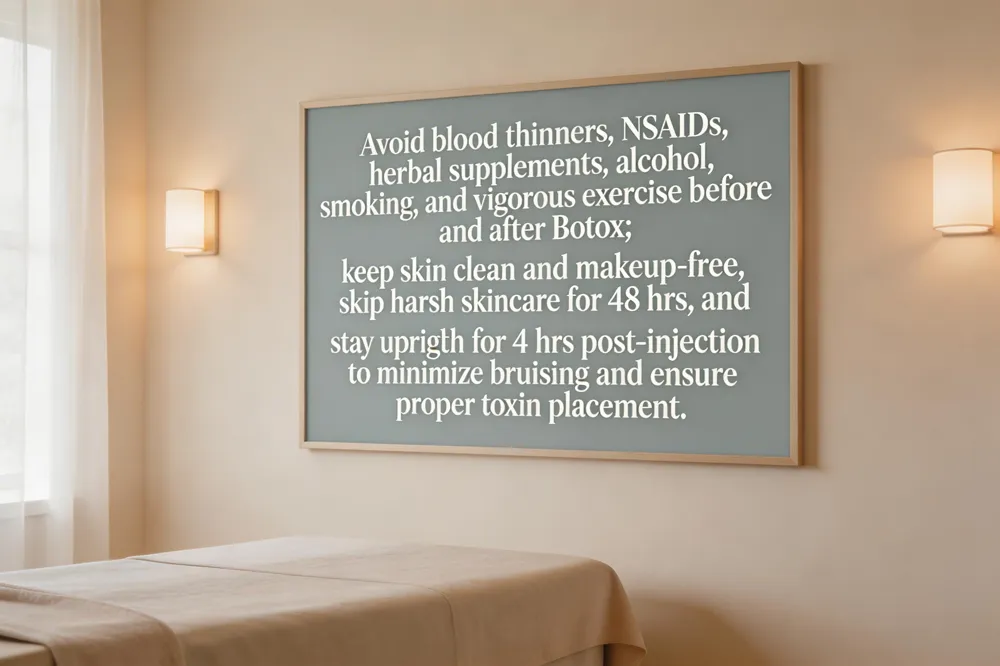 Preparing for your first Botox session is as important as the injection itself.
Medications and supplements to avoid – Stop blood‑thinners and NSAIDs (aspirin, ibuprofen, naproxen) at least 24 hours before treatment; also pause herbal products (ginkgo, garlic) and high‑dose vitamin E or fish oil. If you need a pain reliever, choose acetaminophen.
Alcohol, smoking, and exercise restrictions – Do not drink alcohol the night before or the day of your appointment, as it can thin your blood and increase bruising. Smoking should be avoided for 4‑6 weeks before and after the procedure to support optimal healing. Refrain from vigorous exercise (heavy lifting, intense cardio) the evening before and for at least 24 hours after the injection; elevated blood flow can promote swelling and affect toxin placement.
Skincare and makeup guidelines – Arrive with a clean, makeup‑free face. Skip retinoids, AHAs/BHAs, chemical peels, or laser treatments for 48 hours prior, as they may irritate the skin and increase sensitivity. Light cleansing is fine, but avoid harsh rubbing.
Timing of the first appointment – Schedule your consultation and injection at a time when you can remain upright for four hours afterward and avoid lying down or bending over. Plan to resume normal activities immediately, but keep strenuous exertion and heat exposure (saunas, hot tubs) off‑limits for the first 24‑48 hours.
What not to do the night before Botox – Do not consume alcohol, take blood‑thinning meds or supplements, use aggressive exfoliants, engage in heavy exercise, or undergo any facial massages or cosmetic procedures. Following these silent rules helps minimize bruising, ensures the toxin settles where intended, and sets the stage for a smooth, natural result.
First‑Time Dosage and Expected Results
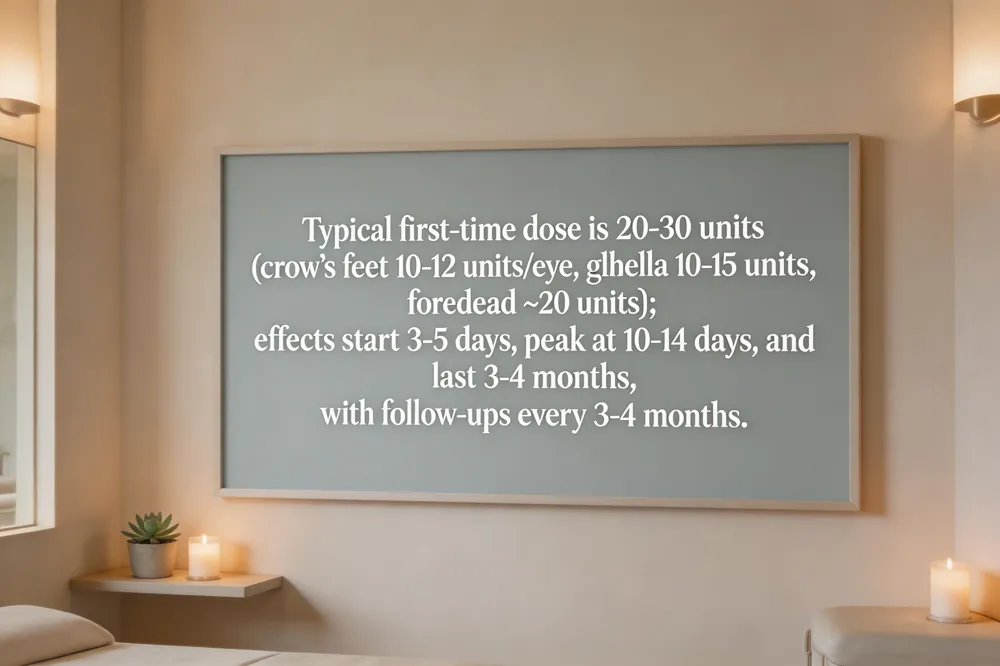 Typical unit ranges
For a first‑time Botox session the usual dose is 20‑30 units total. Crow’s feet often need 10‑12 units per eye, the glabella (frown lines) about 10‑15 units, and the forehead roughly 20 units. The exact number varies with muscle strength, gender, and expressive habits.
How clinicians customize the dose
During the initial consultation at Jana HealthCare a board‑certified dermatologist maps your facial anatomy, reviews your medical history, and discusses your aesthetic goals. Using this information the injector tailors the unit count for each zone, starting conservatively to avoid an over‑treated look and to gauge your individual response.
Timeline of muscle relaxation and visual improvement
Botox begins to weaken targeted muscles within 3‑5 days. Most patients notice a smoother appearance by day 6‑7, with the peak effect emerging around 10‑14 days. Full results typically plateau by two weeks, offering a natural, refreshed look without downtime.
Duration of effect before touch‑up
The achieved smoothness lasts about 3‑4 months before muscle activity gradually returns. To maintain the desired outcome, a follow‑up treatment is usually scheduled every three to four months.
First‑time Botox: how many units are needed?
For most first‑time patients a conservative start of 20 to 30 units of Botox is typically sufficient to smooth frown lines, crow’s feet, and forehead wrinkles without looking over‑treated. The exact amount varies with the muscle strength of the treated area, the number of zones you want to address, and individual factors such as gender and expression habits. For example, treating just the glabella may require about 10‑15 units, while adding the forehead and crow’s feet can bring the total toward the upper end of the range. During your initial consultation at Jana HealthCare, our board‑certified dermatologist will assess your facial anatomy and aesthetic goals to customize the dose for a natural‑looking result. Starting with a modest dose also lets us gauge your response and adjust future treatments for optimal, long‑lasting improvement.
First‑time Botox: before and after results
First‑time Botox typically transforms moderate to severe forehead, frown, and crow’s‑feet lines into smoother, subtler skin within a week, with the most noticeable changes appearing around day 6–7. Before treatment, patients often have visible dynamic wrinkles that deepen with facial expressions; after the injections, the targeted muscles relax, reducing the depth and frequency of those lines. Clinical studies show that 80‑90 % of adults experience at least a moderate improvement by day 30, and many report mild or no crow’s‑feet lines within the first month. Full results usually plateau by two weeks, giving a refreshed, natural look without the need for extensive downtime. Most patients see a lasting, youthful appearance for three to four months before a touch‑up is recommended.
How long does Botox last after the first treatment?
Botox typically begins to show visible improvement within three to five days, with the full effect reaching its peak around two weeks after the first injection. Once the results are fully realized, they generally last for about three to four months before the treated muscles gradually regain their activity. Individual experiences can vary—some patients may notice a slightly longer duration, while others might see the effects wear off a bit sooner. To maintain the desired look, most practitioners recommend scheduling follow‑up treatments every three to four months. Discussing your specific goals and timeline with a qualified provider will help set realistic expectations for your first‑time Botox session.
Safety, Side‑Effects, and Rare Complications
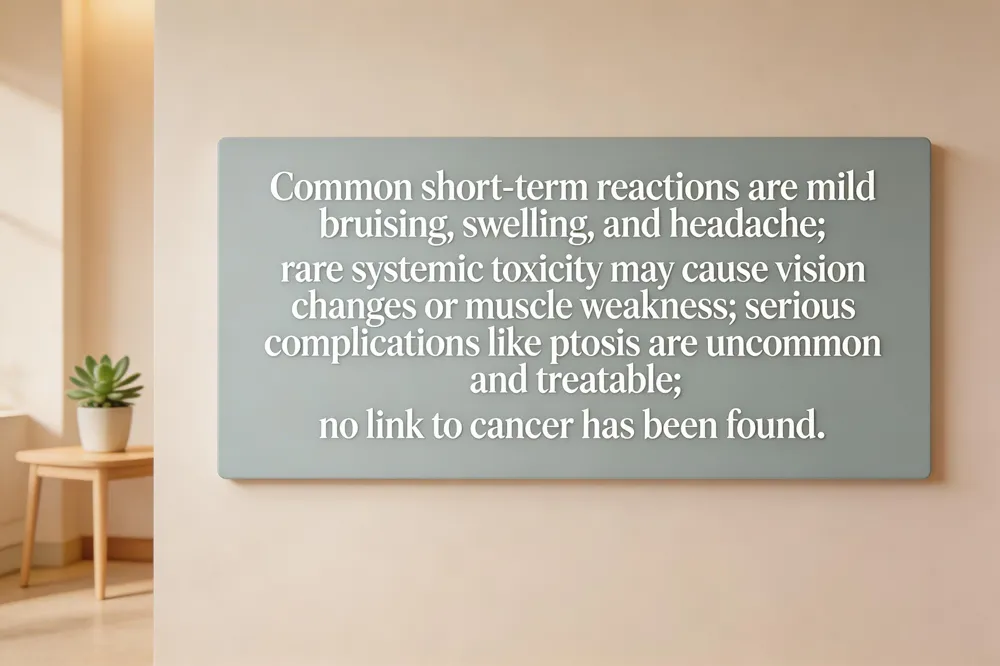 First‑time Botox patients often wonder about the safety profile and what to expect after treatment.
Common short‑term reactions: Most people experience only mild bruising, swelling, redness, or a brief headache that resolves within 24‑48 hours. A light “pinch” sensation during injection is typical, and any tiny bumps at the site usually fade within a few hours.
Botox toxicity and systemic spread: Rarely, the toxin can travel beyond the intended muscle. Early signs of toxicity include double‑ or blurred‑vision, drooping eyelids, difficulty speaking or swallowing, and a descending weakness that may affect the neck, arms, or legs. In severe cases, respiratory failure can occur, requiring urgent medical care and antitoxin treatment.
Serious but rare complications: While most adverse events are temporary, unusual complications such as upper‑eyelid ptosis, ectropion, or the “Mephisto sign” (raised lateral eyebrows) may appear. These are usually self‑limited and can be corrected with follow‑up injections or eye drops.
Myths about cancer risk: There is no credible evidence linking Botox to cancer. The tiny, localized doses do not alter DNA or promote tumor growth, and the FDA has repeatedly confirmed its safety when used as directed.
FAQs
- Botox toxicity symptoms: Double‑vision, drooping eyelids, speaking/swallowing difficulty, progressive muscle weakness, and in extreme cases, breathing problems.
- Is Botox dangerous?: Generally safe when performed by a qualified, board‑certified provider; most side effects are mild and temporary. Severe reactions are exceedingly rare and usually tied to improper technique or counterfeit products.
- Can Botox cause cancer?: No; extensive studies and regulatory reviews have found no cancer‑causing risk.
- Reasons not to get Botox on the forehead: Over‑treatment can create a “surprised” look, brow droop, or asymmetry; functional issues like difficulty raising eyebrows may arise, and rare systemic spread can cause serious symptoms. Contraindications include pregnancy, neuromuscular disorders, and certain medications.
Choosing a reputable Brooklyn clinic such as Jana HealthCare, with board‑certified dermatologists, helps minimize risks and ensures a natural, safe outcome.
Choosing the Right Provider in Brooklyn
 When you decide to start Botox or any cosmetic dermatology treatment, a board‑certified provider is the cornerstone of safety and natural‑looking results. In Brooklyn’s ZIP 11235, the leading practice is Schweiger Dermatology Group on 1810 Voorhies Avenue #2. Their team includes board‑certified dermatologists Dr. Dennis Porto (FAAD) and Dr. Jeremy Fenton, MD, plus NP Christie DiPietrantonio and PA‑C Elchanan Tzur. They handle everything from acne and eczema to laser resurfacing, dermal fillers, and Botox, offering a seamless blend of medical and aesthetic care.
On Atlantic Avenue, The Dermatology Specialists at 440 Atlantic Avenue (11217) provides a full suite of board‑certified services: skin‑cancer screening, Mohs surgery, laser hair removal, and injectable neuromodulators. Their focus on personalized treatment plans ensures each patient receives the right dose and placement for a subtle, refreshed look.
Levit Dermatology in Manhattan Beach (35 West End Avenue) extends the menu to body‑sculpting, PRP, microneedling, and both Botox and Daxxify. Their board‑certified dermatologist, Dr. Eyal Levit, MD, combines cutting‑edge technology with a holistic wellness approach, emphasizing skin health, hydration, and sun protection as part of a long‑term aesthetic strategy.
Choosing any of these practices guarantees a qualified injector, thorough medical review, and post‑care guidance—key elements for a comfortable first‑time Botox experience and lasting, natural results.
After‑Care Essentials: From PDFs to Real‑World Tips
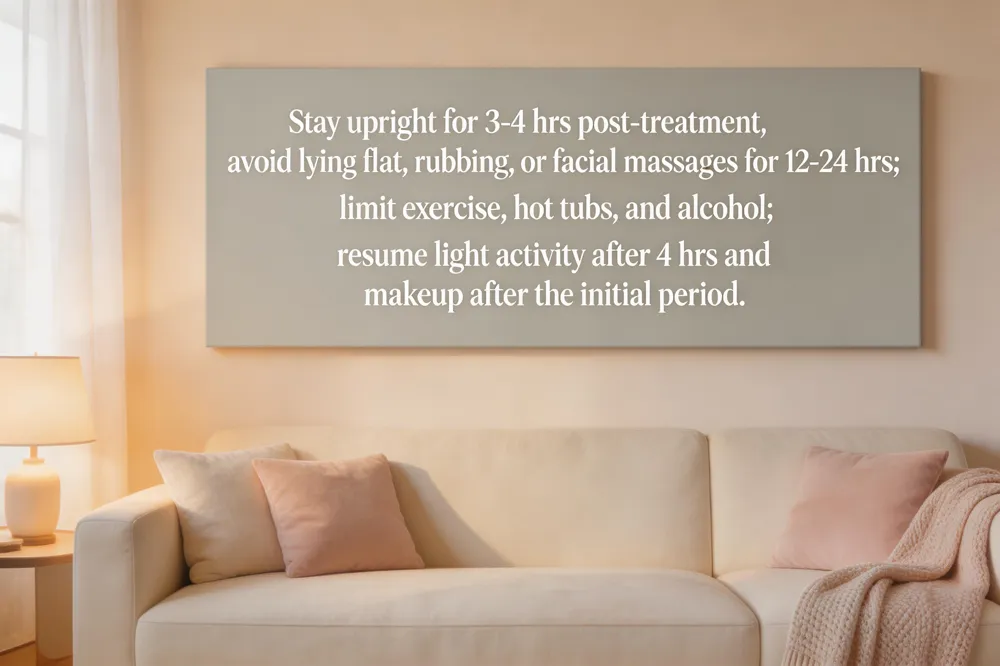 After a Botox session, the first priority is proper positioning. Most guidelines, including the official after‑care PDFs, advise staying upright for at least three to four hours; avoid lying flat, bending over, or pressing your face against a pillow during this window. This helps the toxin bind to the targeted muscles without unintended diffusion.
Massage, vigorous exercise, and sleep should be limited. Do not rub, massage, or receive facial treatments on the injected sites for the first 12‑24 hours. Light activity such as walking is fine after four hours, and gentle facial movements (frowning, raising eyebrows) can be performed for the first hour to aid settling. For the first night, sleep on your back with a slightly elevated head; most clinicians recommend waiting until the next morning—or at least 12‑24 hours—before turning onto your side.
If you accidentally lay down soon after treatment, stay calm: keep upright for the next few hours, avoid pressure on the areas, and resume normal activities after the four‑hour mark. Monitor for unusual swelling or drooping and contact your provider if needed.
Makeup and normal routines can return after the initial four‑hour period, but skip harsh scrubs, hot tubs, and alcohol for the first 24 hours. A cool compress can reduce mild bruising, and over‑the‑counter Tylenol can help with any headache. Results typically begin within 3‑7 days, peak at two weeks, and last 3‑4 months.
Putting It All Together for a Smooth First Experience
Your first Botox visit is a blend of careful preparation, precise dosing, and gentle after‑care. In the weeks before treatment, stop blood‑thinners, NSAIDs, herbal supplements, alcohol and smoking to keep bruising low. During the consultation, a board‑certified dermatologist or aesthetic physician will review your medical history, map the target muscles and explain the planned units—typically 10‑12 units per eye for crow’s feet and about 20 units for forehead lines. The injection itself lasts 10‑15 minutes and feels like a light pinprick. Afterwards, stay upright for a few hours, avoid rubbing or massaging the sites for 24 hours, and skip vigorous exercise, saunas or hot tubs for at least two days. Ask any questions you have during the visit—your provider is there to tailor expectations and ensure safety. Remember, results appear in 3‑7 days, peak around two weeks, and last 3‑4 months; schedule a follow‑up if you notice unexpected changes or want fine‑tuning.