
Two Approaches to Skin Care
HydraFacial and traditional facials both aim to support healthier-looking skin, but they take different approaches. A HydraFacial uses a device to exfoliate, clear pore debris, and apply hydrating serums in a coordinated treatment. A traditional facial is usually a hands-on service that may include cleansing, exfoliation, a mask, massage, and, depending on the plan, extractions.
The choice is not simply about which treatment is better. Device-assisted care may suit someone seeking a focused cleansing and hydration treatment, while hands-on care can offer a more relaxing, customizable experience. At Jana HealthCare, cosmetic dermatology is part of a multidisciplinary practice, supporting an individualized discussion of skin goals and sensitivities before selecting an approach.
Both options can be adapted, but products and techniques may affect comfort and results. A provider should consider skin type, current concerns, and any sensitivity when recommending care. The sections ahead compare how the treatments work and what to consider when choosing between them.
How the Treatments Work
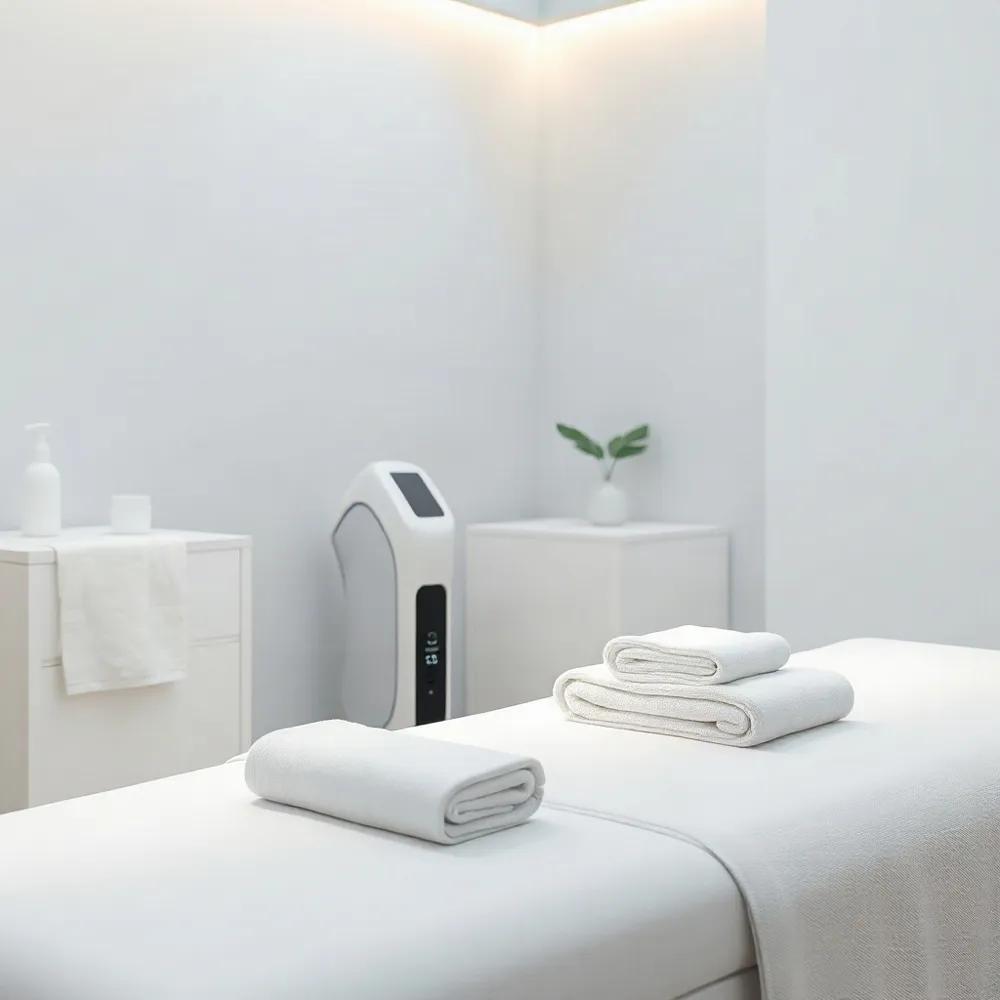 At janahealthcare.com, cosmetic dermatology is part of a multidisciplinary practice that also provides clinical care. That context can help frame a facial choice around both skin goals and individual sensitivities, rather than treating one approach as right for everyone.
A HydraFacial is a noninvasive, device-assisted treatment. A specialized wand cleanses and exfoliates the skin, then uses suction to remove pore debris before applying hydrating serums. Depending on the treatment plan, an exfoliating solution may also help loosen impurities. The process and products can vary, so a provider should explain what is planned for your skin. The HydraFacial procedure uses a multi-step device-assisted approach.
A traditional facial is generally a hands-on service, customized by the skincare professional. It may include cleansing, exfoliation, steam, manual extractions, a mask, moisturizer, or facial massage, but not every appointment includes all of these steps.
Benefits and Personal Suitability
 A HydraFacial combines cleansing, gentle exfoliation, pore extraction, and serum infusion in one treatment. It may leave skin looking smoother, more hydrated, and refreshed, though results and suitability vary from person to person. The Cleveland Clinic’s overview of facials describes HydraFacial as a device-assisted treatment that exfoliates, extracts, and infuses serums.
Depending on a person’s skin and treatment plan, it may help address the appearance of congestion, excess oil, dullness, uneven tone, or fine lines. Customized serums or boosters can support goals such as hydration, brightening, or calming. At janahealthcare.com, cosmetic dermatology is part of a multidisciplinary practice, allowing aesthetic care to sit alongside clinical assessment when a skin concern needs more than a facial.
Traditional facials can also support general skin maintenance and relaxation, with products and steps adapted to individual needs.
Comparing Other Treatment Options
At janahealthcare.com, aesthetic treatments sit within a multidisciplinary practice that also provides clinical care, so the choice can be considered in light of your skin and broader health needs. A HydraFacial combines cleansing, gentle exfoliation, pore extraction, and serum infusion, while other procedures work at different depths or use different methods.
Microneedling creates controlled, tiny injuries in the skin to stimulate collagen. It may be considered for acne scars, fine lines, and texture concerns, but redness or sensitivity can last for several days. Unlike this approach, a HydraFacial focuses on cleansing and hydration without creating those controlled injuries. Learn more about how HydraFacial differs from microneedling and other treatments.
Microdermabrasion mechanically exfoliates the skin’s surface and may suit mild dullness or roughness. It generally works less deeply than microneedling. Chemical peels use acids at varying strengths and depths; recovery may be minimal after a mild peel or last several days or longer after a stronger one. Cleveland Clinic outlines common facial methods and considerations in its guide to facials.
No single option suits everyone. A clinician can assess your skin, goals, medical history, and tolerance for recovery time before recommending a treatment or combination. At janahealthcare.com, cosmetic dermatology is offered alongside clinical care, providing context for discussing which approach fits an individual’s needs.
The total cost can depend on location, provider, treatment type, number of sessions, and any boosters or add-ons, such as LED therapy or dermaplaning. Packages, promotions, and included services can also affect the quoted amount. Ask for an itemized estimate that separates the treatment from optional extras, so you can compare the full cost with your goals and budget.
When Results Appear
Many people notice skin that looks brighter, smoother, or more hydrated soon after a HydraFacial, although the change can vary with skin type and the concerns treated. Cleveland Clinic describes facials as treatments that may leave skin looking hydrated and radiant, but individual results are not guaranteed (facial treatment guidance).
For some people, that refreshed appearance lasts about five to seven days and may continue longer, depending on their skin and home-care routine. It is a temporary cosmetic effect, not a permanent solution for congestion or uneven tone. A treatment may improve how skin looks for a time without resolving the cause of an ongoing concern.
At janahealthcare.com, cosmetic dermatology is part of a multidisciplinary practice, allowing treatment choices to be considered alongside a person’s broader health needs. Consistent skin care and repeat treatments may be considered, but the right timing depends on the individual. A qualified provider can assess skin response and goals before recommending whether or when to repeat a treatment.
Possible Reactions and Risks
 Can skin look worse after a HydraFacial, and what side effects or risks should patients know about? Some temporary redness, tightness, dryness, or sensitivity can occur. A brief breakout may also appear as congestion comes to the surface. These changes often settle within a day or two, but skin responses differ. The Cleveland Clinic’s overview of facials notes that temporary flushing and breakouts can follow facial treatments.
Less commonly, suction may cause bruising, or a serum ingredient may trigger irritation or an allergic reaction. Tell your clinician about sensitive skin, eczema, rosacea, active irritation, and any known allergies before treatment. At janahealthcare.com, aesthetic care is part of a multidisciplinary practice, allowing treatment choices to be considered alongside relevant skin and health history. A clinician may adjust the treatment or recommend postponing it if your skin is irritated or a condition is flaring.
Afterward, keep skin care gentle and use sunscreen, especially if your skin feels sensitive. Avoid adding strong exfoliants until your clinician advises that they are appropriate. Pain, blistering, significant swelling, or symptoms that persist or worsen are not typical reactions. Contact a healthcare professional if they occur, rather than trying to manage them with additional products.
Sharing your skin history and following individualized aftercare can help your provider assess how your skin is responding and whether any next steps are needed.
Aftercare and Skin Protection
After a HydraFacial, keep your routine gentle while your skin settles. Use a mild cleanser and moisturizer, and apply broad-spectrum sunscreen when going outdoors. Your provider’s instructions should take priority, especially if the treatment included customized boosters or your skin remains irritated. For more practical post-HydraFacial aftercare, keep cleansing gentle and protect your skin from the sun.
When possible, wait about six hours before washing your face, showering, or exercising. For the first 24 hours, avoid strenuous workouts and heat exposure, including hot showers, saunas, and steam rooms. These steps can help limit irritation while the skin is recovering.
Pause retinoids, acne medications, exfoliating acids such as glycolic acid, and physical scrubs for 24 to 48 hours, or until your provider says they are appropriate to resume.
Choose With Professional Guidance
HydraFacial and traditional facials offer different experiences. One uses a device-assisted sequence to cleanse, exfoliate, and infuse serums; the other can be shaped around hands-on care, massage, and relaxation. Neither is automatically the better choice for every person.
Before deciding or combining treatments, discuss your skin concerns, sensitivities, preferences, expected downtime, and budget with a qualified skincare professional. At janahealthcare.com, cosmetic dermatology is part of a multidisciplinary practice, allowing aesthetic care to be considered alongside broader health needs. A clinician can help assess whether a treatment fits your skin and suggest adjustments based on your history and goals.