
A Personal Choice
Laser hair removal and electrolysis both target hair follicles, but they work differently and suit different needs. Neither is the right choice for everyone. Laser treats multiple hairs at once, so it can cover larger areas more quickly; electrolysis treats follicles individually and can permanently remove treated hairs. The Cleveland Clinic’s overview of electrolysis explains how the method works across skin tones and hair types.
The choice depends on your skin tone, hair color and texture, treatment area, goals, comfort, and willingness to attend repeat appointments. Laser response can vary with hair pigment, while electrolysis may take longer because each follicle is treated separately. At janahealthcare.com, care spans clinical services, cosmetic dermatology, and wellness therapies, supporting a personalized discussion of treatment options rather than a one-size-fits-all decision.
How Each Method Changes Hair Growth
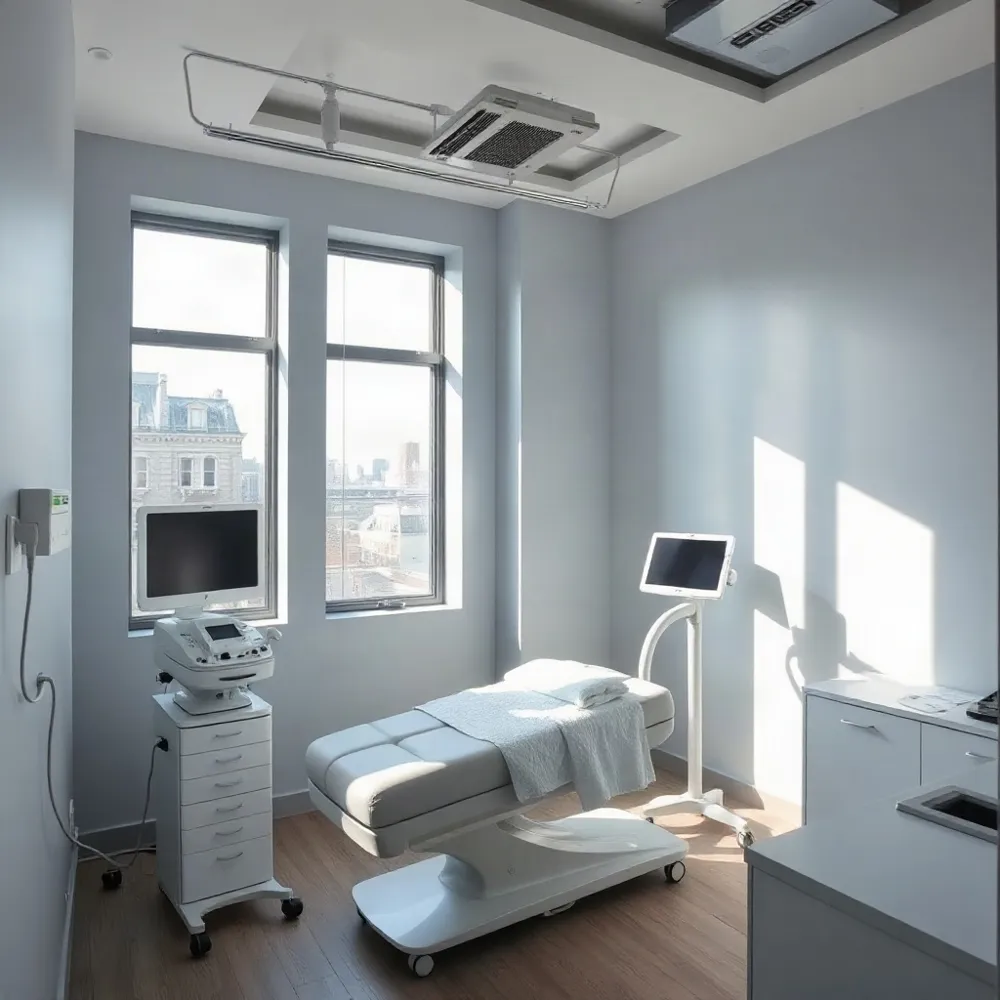 Laser hair removal uses concentrated light absorbed by pigment in the hair. The resulting heat damages follicles and slows future growth, so treatment generally reduces hair rather than guaranteeing that every hair is gone for good. Regrowth may be finer or lighter, and some people need maintenance treatments over time.
Electrolysis works one follicle at a time. A trained practitioner inserts a fine probe into each follicle and applies an electric current that damages the cells responsible for hair growth. The Cleveland Clinic’s overview of electrolysis explains that the treated follicle stops producing hair; the FDA recognizes electrolysis as a permanent hair-removal method.
That designation applies to treated follicles, not a promise that no new hair will appear elsewhere or that every person will have the same outcome. Both methods require repeat appointments because hairs grow in cycles. Laser can treat a larger area at once, while electrolysis addresses individual hairs and can take longer, particularly over broad areas.
For someone seeking broad-area reduction, laser may be a practical starting point, with electrolysis considered later for remaining hairs that are light-colored or especially stubborn. A qualified provider can assess skin tone, hair characteristics, treatment area, and goals before recommending a sequence. At janahealthcare.com, care spans clinical and aesthetic services, allowing treatment discussions to take place within a multidisciplinary practice.
Matching Treatment to Hair and Skin
 Hair color, texture, and skin tone all affect which approach may be suitable. Laser targets melanin, the pigment in hair, so it tends to work best on coarse, dark hair. Blonde, red, white, gray, and very fine hairs may respond less well because they contain less target pigment. The Mayo Clinic’s guidance on laser hair removal explains how pigment and treatment settings affect candidacy.
Laser treatment may be possible across a wider range of skin tones, but skin pigment and tanning can affect the risk of burns or lasting color changes. An experienced clinician can assess your skin and hair, then select appropriate equipment and settings. At janahealthcare.com, consultations are part of its multidisciplinary medical and aesthetic care, allowing treatment planning to account for individual characteristics and goals.
Electrolysis does not depend on hair pigment. It treats follicles one at a time and can be used across skin tones and hair colors, including light or gray hairs. The Cleveland Clinic’s overview of electrolysis describes its use across a broad range of skin and hair types.
For a few defined facial hairs, especially isolated, light, gray, or mixed-color hairs, electrolysis may be a practical fit. Laser can cover broader areas more efficiently when the hair is dark and coarse. A clinician can help weigh those differences for facial treatment, including at janahealthcare.com, where cosmetic dermatology sits alongside clinical care.
With PCOS, hormonal changes may continue to stimulate new hair growth, so maintenance may be needed after either treatment. Hair removal addresses visible hair, not the underlying hormonal cause. If growth is changing or concerning, discuss both hair-removal options and PCOS symptoms with a healthcare professional.
Risks and Comfort Considerations
 Both treatments can cause temporary redness, mild swelling, tenderness, warmth, or stinging. These effects usually settle within hours to a few days. Electrolysis treats follicles individually, so small scabs may also form; Cleveland Clinic’s electrolysis guidance notes that irritation is generally temporary.
Less common complications differ in their causes. Electrolysis may lead to infection, pigment changes, blistering, or scarring, particularly if equipment is unsterile or technique is poor. Laser treatment can cause burns, blisters, lasting pigment changes, rare scarring, and eye injury if appropriate protection is not used. A qualified provider can explain how technique and protective measures reduce these risks.
Laser risk depends partly on skin tone, device settings, and sun exposure. Discuss your skin and hair characteristics, medical history, and aftercare with a qualified clinician before treatment. Mayo Clinic’s laser hair removal guidance emphasizes appropriate device selection and sun protection. At janahealthcare.com, consultations take place within a multidisciplinary medical and aesthetic practice, allowing treatment planning to consider individual health and skin needs.
Is there evidence that either treatment causes cancer?
The available information here does not identify evidence linking laser hair removal or electrolysis to cancer, but it does not establish that long-term risk has been definitively ruled out. Hair-removal lasers use non-ionizing light, unlike ionizing radiation. Electrolysis uses a probe and electrical current to treat follicles. Do not treat unusual or changing skin spots; ask a dermatologist to assess them before either procedure, especially if you have a personal or family history of skin cancer.
Which treatment is generally more painful?
Electrolysis is often felt as repeated, localized pricks or stings, while laser may feel like brief snaps or warmth. Many people find electrolysis more uncomfortable overall because each follicle is treated separately, but sensitivity varies by person and body area. Ask your provider about cooling or appropriate numbing options. Seek medical care for severe or worsening pain, spreading redness, or pus.
Planning Time and Treatment Costs
For a broad treatment area, laser may be more economical overall because each appointment can cover many hairs at once. A course usually involves several visits spaced weeks apart, and some people need maintenance treatments, so the final cost can extend beyond the initial series. Mayo Clinic’s laser treatment guidance outlines the need for multiple sessions and possible regrowth.
Electrolysis treats follicles individually. Appointments commonly last 15 minutes to an hour and are often scheduled weekly or every other week; treatment may continue for many months, depending on the area and hair type. That can raise the total cost for a large area, while electrolysis may be practical for a few hairs or a small area. Laser touch-ups can also add expense over time.
Neither method is generally covered by insurance when performed for cosmetic reasons. Costs vary with the provider, treatment area, session count, and individual needs. Ask for an estimate that includes the expected appointment schedule and any likely maintenance. At janahealthcare.com, care spans clinical and aesthetic services, allowing a personalized discussion of treatment goals and practical planning. For more on session timing and costs, see laser treatment planning.
Combining Methods and Between-Visit Care
Yes, the two methods may be combined when a treatment plan accounts for hair color, skin response, and treatment area. Laser can reduce darker hairs across a broader area, while electrolysis can target remaining or lighter hairs, including gray or white ones. If you are considering this approach, discuss the sequence and timing with a qualified provider. Avoid treating the same area with both methods in one session, and wait until the skin has healed before another treatment.
Switching methods may affect treatment results, and a waiting period may be needed. The Healthline comparison of laser and electrolysis advises discussing a change with a dermatologist rather than switching on your own. Your provider can set an interval based on your skin’s recovery and treatment history.
Why avoid plucking between electrolysis sessions?
Plucking removes the visible hair that helps an electrologist locate and treat its follicle. If the follicle is temporarily empty, that hair cannot be treated at the appointment, and plucking may also irritate the area. Ask whether shaving or trimming is suitable for your plan, and tell your electrologist if you have plucked. For related guidance on between-visit care, follow your treating professional’s instructions.
When Laser Needs Extra Caution
When Laser Needs Extra Caution
Laser hair removal candidacy and timing call for an individual review. Recent tanning or sunburn can raise the risk of burns or skin-color changes, so treatment may need to wait until the skin has recovered. Mayo Clinic guidance on laser hair removal advises sun protection around treatment.
Pregnancy, medicines that increase light sensitivity, open wounds, or an active infection in the treatment area may mean postponing treatment or taking extra care. Certain medical or skin conditions, a history of keloid scarring, and recent resurfacing procedures also deserve discussion with a qualified clinician. Do not stop prescribed medication without consulting the clinician who prescribed it.
Laser should not be used directly on tattoos or around the eyes, including the eyelids and eyebrows, because of the risk of serious eye injury. Hair color and skin tone affect likely results and treatment risks, but do not automatically rule someone out. A clinician can review medical history, skin and hair characteristics, and goals to decide whether treatment is appropriate and when it is safest to begin.
Choose With a Qualified Provider
Laser may be a practical option for reducing growth across larger areas with darker hair, while electrolysis can address individual hairs, smaller areas, and hair with little or no pigment. Electrolysis is recognized as the only method approved by the FDA for permanent hair removal, though it requires repeated visits (Cleveland Clinic).
At janahealthcare.com, a multidisciplinary medical and aesthetic practice in Brooklyn, treatment decisions can be considered alongside broader clinical and wellness needs. In a consultation, discuss your goals, skin and hair characteristics, medical history, comfort concerns, budget, and realistic expectations. Ask whether either method, or a carefully planned combination, fits your circumstances before starting.