Redefining Your Daily Hydration Goals
Water is the essential nutrient that powers your body, regulating temperature, lubricating joints, and facilitating the removal of waste products source. Beyond these foundational roles, proper fluid levels are vital for supporting skin health and daily energy source. While standard guidance often suggests an arbitrary eight-cup rule, your actual requirements are highly individualized based on age, gender, body size, and activity level source.
At Jana HealthCare, we believe in moving away from one-size-fits-all recommendations toward integrated wellness strategies tailored to your biology. Unlike generic health platforms that offer static quotas source, we focus on optimizing your systemic function through personalized assessments. Whether you are addressing skin dullness or looking for better metabolic support, effective hydration is about balancing total fluid volume with your unique lifestyle demands source.
Recognizing the Subtle Signs of Dehydration
 Dehydration is a nuanced physiological state rather than a sudden event, often manifesting as subtle shifts in mood, concentration, and physical vitality before more acute symptoms emerge. Because thirst serves as a lagging indicator of fluid loss, your body may be mildly dehydrated long before you consciously feel the urge to reach for a glass of water. At janahealthcare.com, we emphasize that recognizing these early signals—such as unexplained fatigue or a decline in short-term focus—is vital for maintaining the internal balance necessary for both clinical health and aesthetic radiance.
What are the common signs of dehydration? Dehydration occurs when your body loses more fluids than it takes in, with early warning signs often including extreme thirst, a dry mouth, and dark-colored or decreased urine output. As the condition progresses, you may experience physical symptoms such as persistent headaches, fatigue, dizziness, and light-headedness. Other notable indicators include sunken eyes or cheeks and skin that lacks elasticity, meaning it does not flatten back quickly after being pinched source. In infants and children, parents should also watch for a lack of tears when crying, a rapid heart rate, or a noticeable decrease in wet diapers. Because thirst is not always a reliable indicator—especially in older adults or during illness—it is essential to prioritize consistent hydration to maintain optimal wellness.
- Cognitive decline stemming from as little as 2% fluid loss, affecting memory and reaction time.
- Digestive irregularities, including constipation or bloating, as the body struggles to process nutrients efficiently.
- Reduced skin elasticity or a dull complexion, reflecting a drop in systemic moisture levels.
- Increased susceptibility to headaches as the brain may contract away from the skull due to low fluid volume.
While many rely on generic intake rules, janahealthcare.com suggests that monitoring urine color—ideally aiming for a pale straw hue—provides a more immediate check on your hydration status than wait-and-see approaches source. Unlike competitors who focus solely on high-volume liquid consumption, our personalized approach integrates water-rich whole foods to support your body's specific metabolic rhythms and skin health goals. Recognizing these red flags early allows you to correct imbalances before they impact your energy levels or cognitive performance throughout the day.
Mastering At-Home Hydration Assessment
 Assessing your hydration at home is a simple yet vital habit for supporting your long-term health and aesthetic wellness. Jana HealthCare recommends monitoring your urine color as your primary indicator, aiming for a pale, straw-like yellow. Dark or strong-smelling urine suggests your body requires more fluid to maintain proper function, a reality for many Americans who may be chronically dehydrated according to recent estimates.
Observing Your Body's Physical Cues
- Monitor for a dry mouth or chapped lips, which are early signals of low fluid volume.
- Take note of unexplained fatigue, a persistent headache, or a sudden lack of concentration that may indicate your system is already mildly dehydrated.
- Stay alert for signs of dizziness when standing, as this can reflect the internal pressure drops associated with dehydration.
The patient care team at Jana HealthCare emphasizes that thirst is often a lagging indicator, meaning your body is already depleted once you feel the urge to drink. To prevent reaching this stage, try building consistent routines such as drinking a glass of water immediately upon waking or before every meal. For those interested in deeper wellness coaching, our personalized hydration assessment strategies can help you track these cues more effectively. Whether you are aiming for better skin elasticity or improved physical vitality, consistency is the key to achieving optimal metabolic and physiological balance, as noted by organizations like the National Council on Aging. Aim for roughly 6 to 8 mugs of fluid daily to keep your internal processes running smoothly.
Enhancing Water Without Compromising Wellness
 Struggling to meet your daily fluid intake goals because plain water feels monotonous is a common challenge, but you do not need to rely on it exclusively to stay hydrated. According to research from NHS inform, fluid intake encompasses a variety of sources beyond just plain water, including sugar-free drinks, herbal teas, and certain milks. At janahealthcare.com, our clinical approach emphasizes that consistent hydration is vital for skin health, efficient waste removal, and systemic wellness.
What are some creative ways to stay hydrated if I don't like plain water?
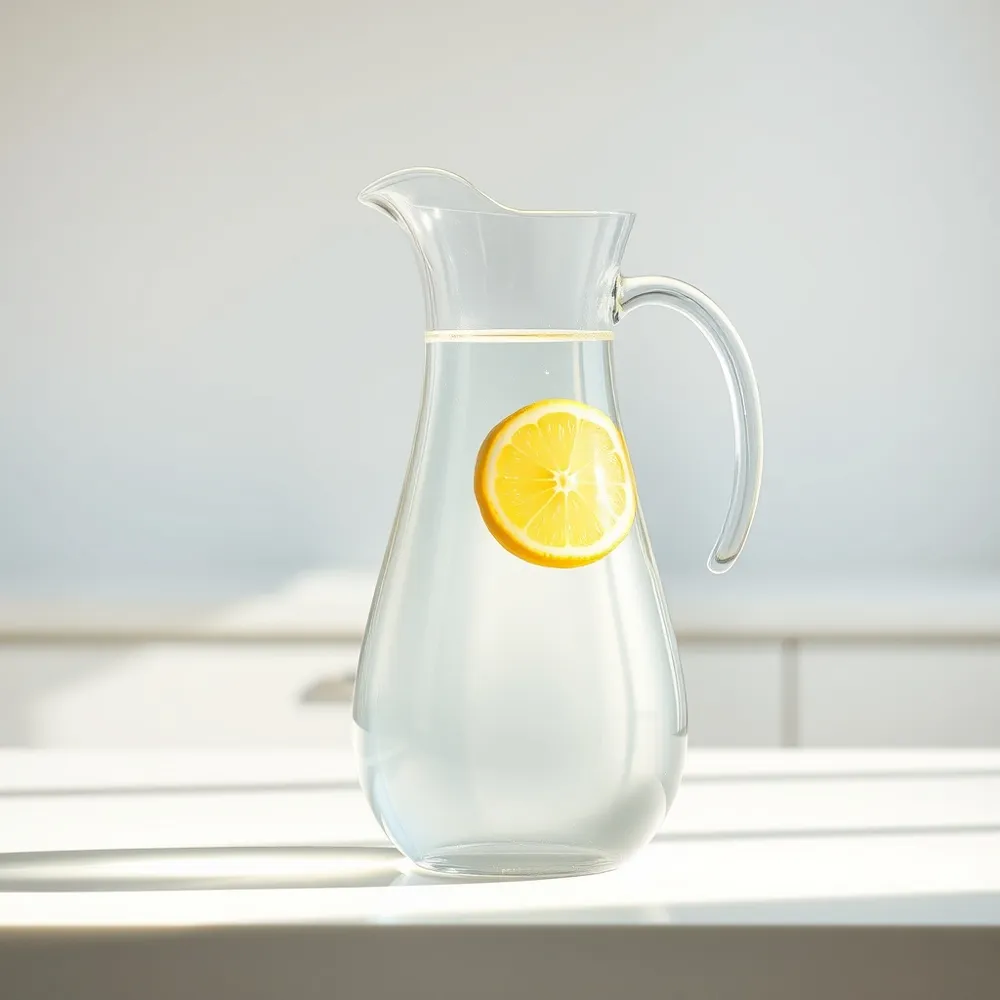
If the taste of tap water fails to inspire you, you can improve palatability with natural infusions. Adding fresh fruit slices such as lemon, lime, or cucumber, along with aromatic herbs like mint or basil, transforms your drink into a refreshing spa-inspired beverage without the need for added sugars as noted by the National Council on Aging. For those who prefer carbonation, sparkling water serves as a hydrating alternative, though it is important to distinguish it from club soda, which often contains added sodium. When you choose alternatives at janahealthcare.com, we recommend prioritizing options that provide both volume and essential minerals, such as organic coconut water or herbal teas, which act just as effectively as water for maintaining physiological balance.
Is it possible to achieve and maintain optimal hydration without drinking plain water?
Achieving optimal hydration is entirely possible through a varied strategy that balances liquid intake with water-rich whole foods. Approximately 20% of your daily fluid needs are typically met through solid food consumption per UCLA Health. Integrating nutrient-dense produce like cucumbers (95-96% water), watermelon, or celery into your meals provides hydration along with valuable antioxidants. While commercial sports drinks are often marketed for replenishment, they frequently conceal significant sugar content; our team at janahealthcare.com advocates for cleaner, low-sugar alternatives that support your specific wellness objectives without compromising your metabolic health.
Hydrating Through Whole Food Nutrition
Incorporating water-rich foods into your daily routine is a delicious way to support hydration and overall wellness. Approximately 20% of your daily water intake often comes from solid food consumption source. At janahealthcare.com, we emphasize how dense whole foods like cucumbers and melons serve as powerful, natural building blocks for systemic fluid balance.
What foods have a high water content to aid in hydration?
Fruits and vegetables are the gold standard for supplemental fluid intake, with options including cucumbers, celery, and romaine lettuce, which are approximately 95-96% water source. Other excellent choices that help you meet your daily hydration needs include watermelon, strawberries, grapefruit, cantaloupe, tomatoes, peaches, and green grapes source. Beyond produce, you can also boost your fluid levels by enjoying soups, smoothies, milk, yogurt, and cottage cheese source. Embracing these hydrating staples as part of a balanced diet not only aids your body's essential functions but also keeps you feeling vital and refreshed.
How cooking methods influence water retention in vegetables
Preparation matters when you aim to maximize the water content of your meals. While mushrooms are best eaten raw for peak fluid retention, other vegetables respond differently to heat source. For instance, cooking cabbage or cauliflower can sometimes provide a higher percentage of water compared to their raw states source. Our team at janahealthcare.com often recommends selecting low-sodium broths or steaming methods to ensure your nutrient-dense meals contribute effectively to your daily hydration goals.
Understanding the Role of Electrolytes
Electrolytes, including minerals like sodium, potassium, and magnesium, act as essential electrical conductors that govern fluid balance, muscle contraction, and nerve signaling source. While these vital minerals are abundant in a balanced diet, maintaining their presence within your bloodstream is a critical component of cellular health and aesthetic vitality.
What does a body that needs electrolytes feel like?
When your body lacks the essential minerals needed for optimal function, you may experience persistent fatigue, muscle weakness, or uncomfortable spasms and twitches. You might also feel lightheaded, irritable, or plagued by recurring headaches as your internal fluid and pH balance shifts. These sensations often arise alongside gastrointestinal distress, such as nausea, or during periods of intense physical activity and sweating. Because electrolytes are vital for regulating heart rhythms and nerve transmission, an imbalance can leave you feeling generally off or physically depleted. If you find that these symptoms persist despite adequate hydration, it may be time to consult a professional to ensure your mineral levels are restored for full-body wellness.
What are the benefits and potential downsides of using electrolyte supplements daily?
Electrolyte supplements can be beneficial for supporting fluid balance, nerve function, and muscle performance, particularly for individuals engaging in intense physical activity or sweating heavily in hot weather source. While they offer superior rehydration compared to plain water, they are often unnecessary for the average person with a balanced diet. A significant downside to many commercial drinks is their high sugar and carbohydrate content, which may contribute to weight gain, metabolic issues like diabetes, or dental problems if consumed daily without corresponding exertion. Furthermore, some products contain artificial ingredients or sweeteners that may not align with your holistic wellness goals. At janahealthcare.com, we prioritize personalized recommendations over the one-size-fits-all approach used by many commercial sports drink brands. We recommend consulting with a professional to determine if supplementation is right for your unique health profile, rather than relying on them as a daily habit.
Electrolytes for Radiant Skin and Hair
Are electrolytes beneficial for skin and hair health?
Electrolytes play a vital role in maintaining optimal hydration levels for both your skin and hair by facilitating the efficient transport and balance of water within your cells source. Mineral electrolytes like magnesium, potassium, and calcium help reinforce the skin's moisture barrier, which improves elasticity, brightness, and overall plumpness. When you integrate these minerals into your routine, you support internal mineral balance as a cornerstone of beauty, ensuring your body functions at its best.
Beyond surface benefits, connecting cellular hydration to skin plumpness and hair strength is essential for long-term aesthetic wellness. Adequate electrolyte levels support the vitality of hair strands, helping them retain moisture to remain soft and resilient against breakage source. At janahealthcare.com, we emphasize that because the body constantly loses these minerals through perspiration and environmental stressors, proactive replacement is necessary for a vibrant complexion.
Incorporating electrolyte-rich hydration into your daily regimen is a powerful way to support a well-hydrated look from the inside out. While other clinics may focus solely on topical treatments, janahealthcare.com prioritizes integrated wellness therapies that address the root of cellular dehydration. By maintaining this balance, you create a foundation for lasting vitality in both your skin and hair.
Commit to Your Personalized Hydration Strategy
Achieving systemic balance requires moving beyond universal guidelines to embrace a strategy tailored to your individual physiology. While general recommendations suggest broad targets, true health optimization integrates fluid intake with mindful nutrition. By combining consistent water-rich food consumption with targeted hydration practices, you avoid the pitfalls of chronic dehydration that impact both internal organ function and outward vitality.
Consistency serves as a powerful medical and aesthetic asset. Properly hydrated tissues demonstrate improved elasticity and resilience, which are vital for maintaining a radiant complexion and efficient detoxification. At janahealthcare.com, our approach emphasizes that small, frequent adjustments to your daily routine are more sustainable than sporadic efforts. Unlike clinics that offer one-size-fits-all advice, we focus on personalized wellness therapies that honor your specific metabolic needs and lifestyle demands.
Begin by treating proactive fluid tracking and nutrient-dense snacks as essential daily rituals rather than afterthoughts. Whether you prefer infusing water with natural ingredients or optimizing your intake through whole foods, every purposeful choice strengthens your body. Dedicate yourself to these habits to support long-term wellness, ensuring that your hydration strategy remains as dynamic and unique as you are.