From Vampire Facial to Glowing Skin
PRP microneedling is a specific medical aesthetic procedure that combines two established techniques: microneedling and platelet-rich plasma (PRP) therapy. During the treatment, a provider uses a device with fine needles to create controlled micro-injuries in the skin, then applies PRP, which is derived from the patient's own blood, to the treated area. This approach is designed to stimulate collagen production and accelerate the skin's natural healing response.
The procedure typically begins with a blood draw, similar to a routine lab test. The blood is then placed in a centrifuge to separate the platelet-rich plasma from other components. Once prepared, the PRP is either applied topically during microneedling or injected into specific areas. Because PRP comes from the patient's own blood, the risk of allergic reaction or transmission of disease is minimal, which is a key reason many people consider it a safe option.
Compared to standalone microneedling, which primarily relies on the body's natural healing response, PRP microneedling adds a concentrated dose of growth factors directly to the treatment zone. This can lead to more noticeable improvements in skin texture, tone, and firmness. For patients considering the procedure, understanding the distinction between microneedling with and without PRP is important, as it affects both the expected results and the recovery process.
How PRP Microneedling Differs From Plain Microneedling
The main difference lies in the addition of platelet-rich plasma. Plain microneedling creates microscopic channels in the skin, prompting the body to produce collagen and elastin. PRP microneedling amplifies this effect by delivering growth factors that are naturally present in the blood, which can enhance healing and potentially improve results. Many clinical discussions, including those found in peer-reviewed literature, highlight the benefits of combining PRP with microneedling for conditions like acne scarring and uneven skin texture.
In practice, PRP microneedling is often recommended for patients seeking more dramatic results from their treatment. The procedure is widely recognized for addressing concerns such as acne scarring, fine lines, and overall skin rejuvenation, as the autologous proteins stimulate the natural healing process. For individuals who are new to the treatment, a thorough consultation with a qualified provider is essential to determine candidacy and set realistic expectations.
Recovery. Most patients experience redness and mild swelling immediately after the procedure, which typically subsides within 24 to 72 hours. Some dryness or flaking may occur as the skin renews itself, but this is generally temporary.
Results. Visible improvements often emerge within a few weeks as collagen production ramps up. Optimal results may take several sessions, and maintenance treatments are sometimes recommended to sustain the effect.
Safety. Because PRP is derived from the patient's own blood, the risk of adverse reactions is low. However, proper aftercare is essential to minimize complications and ensure the best outcome.
For those weighing the options, PRP microneedling offers a more robust approach than plain microneedling but requires a similar commitment to aftercare. Patients interested in learning more about the recovery timeline and what to expect can consult resources that outline the typical experience, such as the recovery guide provided by Jana HealthCare, which details the gradual improvement in skin condition over the first week and beyond.
What Is PRP Microneedling?
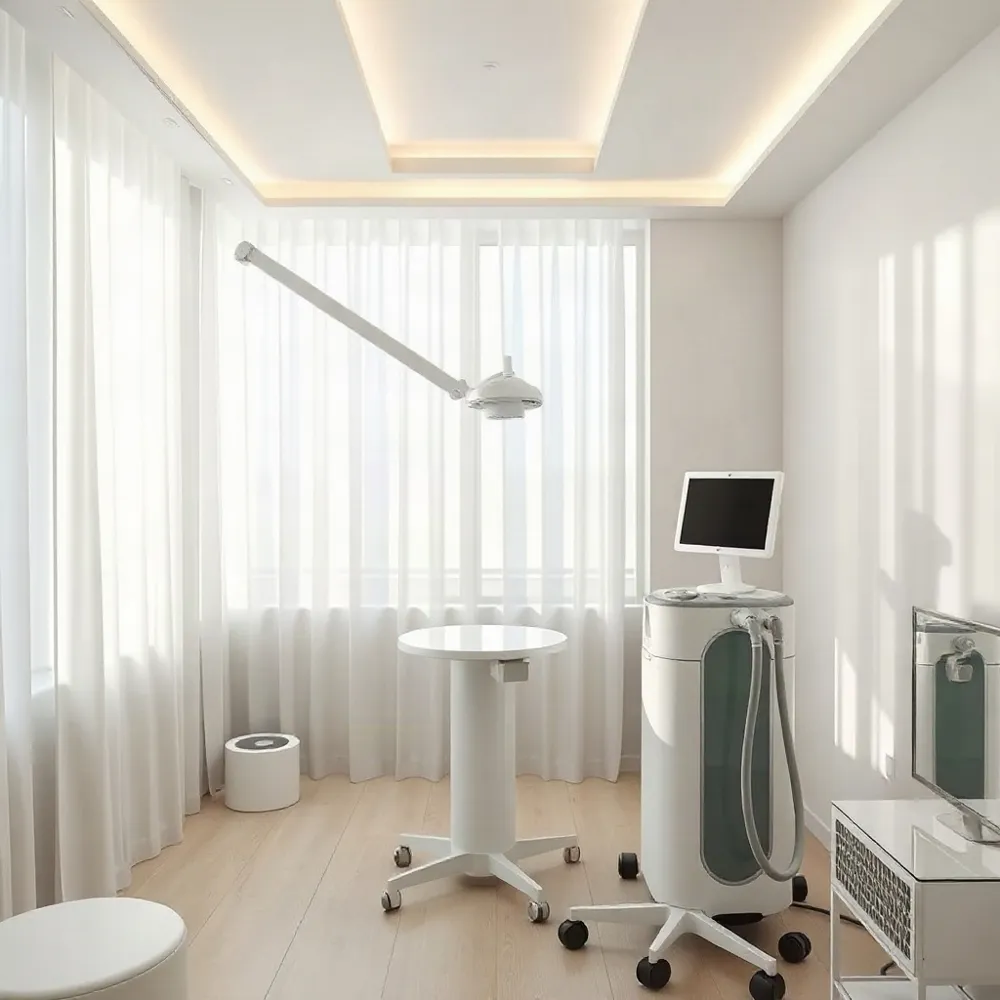 PRP microneedling combines two established treatments: microneedling, which creates controlled micro-injuries to stimulate collagen and elastin production, and platelet-rich plasma (PRP), a concentration of growth factors derived from the patient's own blood. Together, they aim to accelerate skin repair and amplify the results of each procedure alone. This two-step approach is often called collagen induction therapy with a regenerative boost. For a refresher on how the procedure works, see what PRP microneedling involves and how it restores skin.
A 2019 study in the journal Cureus found that adding PRP to microneedling produced significantly greater improvements in skin texture, tone, and acne scarring compared with microneedling alone, with patient satisfaction scores consistently higher in the PRP group. The treatment is valued for its ability to address acne scars, uneven texture, fine lines, and enlarged pores while using only the patient's own biological material. Because PRP is autologous, the risk of allergic reaction or disease transmission is minimal. For a deeper look at the supporting evidence, see the evaluation of platelet-rich plasma and microneedling.
Most people notice initial redness and mild swelling immediately after the session, which typically fades within 24 to 72 hours. By days 3 to 5, the skin may feel dry and begin to flake as it renews. A healthy glow often emerges within 7 to 10 days. For a detailed timeline, see PRP microneedling results and recovery insights and the recovery timeline for the first week.
Skin texture and tone. PRP microneedling visibly smooths rough texture and evens out skin tone, making it a common choice for photo-damaged skin and post-inflammatory hyperpigmentation.
Acne scarring. The combination helps soften rolling and boxcar scars by stimulating collagen remodeling beneath the scar tissue, with noticeable improvements after a few sessions.
Fine lines and elasticity. Increased collagen and elastin production helps plump the skin, reducing the appearance of fine lines and improving firmness over time.
How many sessions you need depends on your skin goals. Most dermatologists recommend a series of 3 to 6 treatments spaced about 4 weeks apart for optimal results, though improvement is often visible after just one session. Maintenance treatments every few months can help sustain the benefits.
Why PRP Microneedling Is Gaining Popularity
PRP microneedling has moved from a niche treatment to a mainstream choice for skin rejuvenation. The appeal is straightforward: it combines two proven methods into one session that addresses texture, tone, and fine lines without surgery. For many patients, the idea of using their own blood to stimulate healing feels more natural than introducing synthetic fillers or harsh chemical peels.
Results. Clinical evidence supports the approach. A 2024 review in PMC found that combining platelet-rich plasma with microneedling improved acne scarring and overall skin appearance more effectively than microneedling alone. Patients often see smoother texture and reduced pigmentation after a series of three to four sessions.
Recovery. Downtime is minimal. Most people experience redness and mild swelling for 24 to 72 hours, which fades quickly. By day three to five, the skin may feel dry and flaky as it exfoliates, but this is a sign of renewal, not damage. Within seven to ten days, a vibrant glow typically emerges.
Longevity. Maintenance is key to sustaining effects. While improvements can last several months, the natural aging process continues. Periodic touch-up sessions every six to twelve months help maintain collagen production and skin quality over time.
For patients weighing whether the investment is worth it, the balance of visible improvement and short recovery is a strong draw. If you are comparing options, PRP microneedling offers a specific advantage: it uses your own growth factors, so there is no risk of allergic reaction or product rejection, unlike synthetic dermal fillers.
Results are not instant, but they are progressive. Each session builds on the last, with collagen production peaking weeks after treatment. This makes PRP microneedling a fitting choice for addressing acne scars, hyperpigmentation, and sun damage while avoiding the downtime of more invasive procedures. Understanding the recovery timeline helps set realistic expectations before your first appointment.
Immediately After: What to Expect
Right after treatment, your skin will feel sensitive, warm, and tight, similar to a mild sunburn. Redness, pinpoint bleeding, and slight swelling are normal and expected. This immediate response is part of the skin's natural healing cascade triggered by the micro-injuries.
During the first 24 hours, the redness and swelling peak before beginning to subside. You may also notice small red dots or bruising in treated areas, which typically fade within a few days. For a detailed day-by-day breakdown of what happens next, see our guide on the PRP microneedling recovery timeline.
Days 2 to 4: The Peeling Phase
From days 2 to 4, the skin may feel dry, tight, and begin to flake as it undergoes natural exfoliation and renewal. This is a sign that new collagen production has been stimulated. Avoid picking or pulling at flaking skin to prevent irritation or scarring. Keep the area moisturized with gentle, fragrance-free products to support the healing process.
Days 5 to 7: The Glow Emerges
By days 5 to 7, most visible redness and swelling have resolved. You may notice a healthy glow as the skin rebuilds and renews itself. According to clinical research, the combination of microneedling with PRP enhances skin rejuvenation and collagen remodeling, leading to improved texture and tone over the following weeks. While some minor dryness may persist, the initial recovery phase is largely complete by the end of the first week.
| Timeline | What to Expect | Care Tips |
|---|---|---|
| Day 0 | Redness, swelling, pinpoint bleeding | Keep skin clean, use cool compresses |
| Days 1-2 | Redness peaks, skin feels tight | Apply gentle moisturizer, avoid makeup |
| Days 3-4 | Dryness and peeling | Use fragrance-free products, no picking |
| Days 5-7 | Redness fades, glow appears | Sun protection, gentle skincare |
For more details on managing discomfort and speeding up recovery, check out our guide on what to expect during recovery.
The First 72 Hours: Redness and Swelling
The first 72 hours after a PRP microneedling session set the tone for your entire recovery. Almost everyone walks out with some redness and swelling, and that is normal. According to The Transformative Benefits of Microneedling with PRP, these effects are a direct sign that your skin's repair process has kicked in, not a cause for alarm.
In the first 24 hours, expect redness, flushing in more sensitive areas, noticeable swelling or puffiness, and a dry, sandpaper-like texture. You might also feel tingling or tightness. For tips on managing these symptoms, check out PRP Microneedling: What to Expect and How to Recover Like a Pro.
By day 2, the swelling usually peaks and then begins to subside. Days 3 to 5 bring a different phase: as your skin regenerates, it can feel dry and start to flake. This is a natural part of exfoliation and renewal, as described in the PRP microneedling recovery timeline.
While most people feel comfortable returning to normal activities within a day or two, a full glow typically appears around 7 to 10 days after treatment. That delayed payoff is why the PRP downtime timeline matters: the visible results take a little patience. Stick to your provider's aftercare instructions during these first days to let your skin heal properly and set the stage for lasting benefits.
Golden Rules of Aftercare
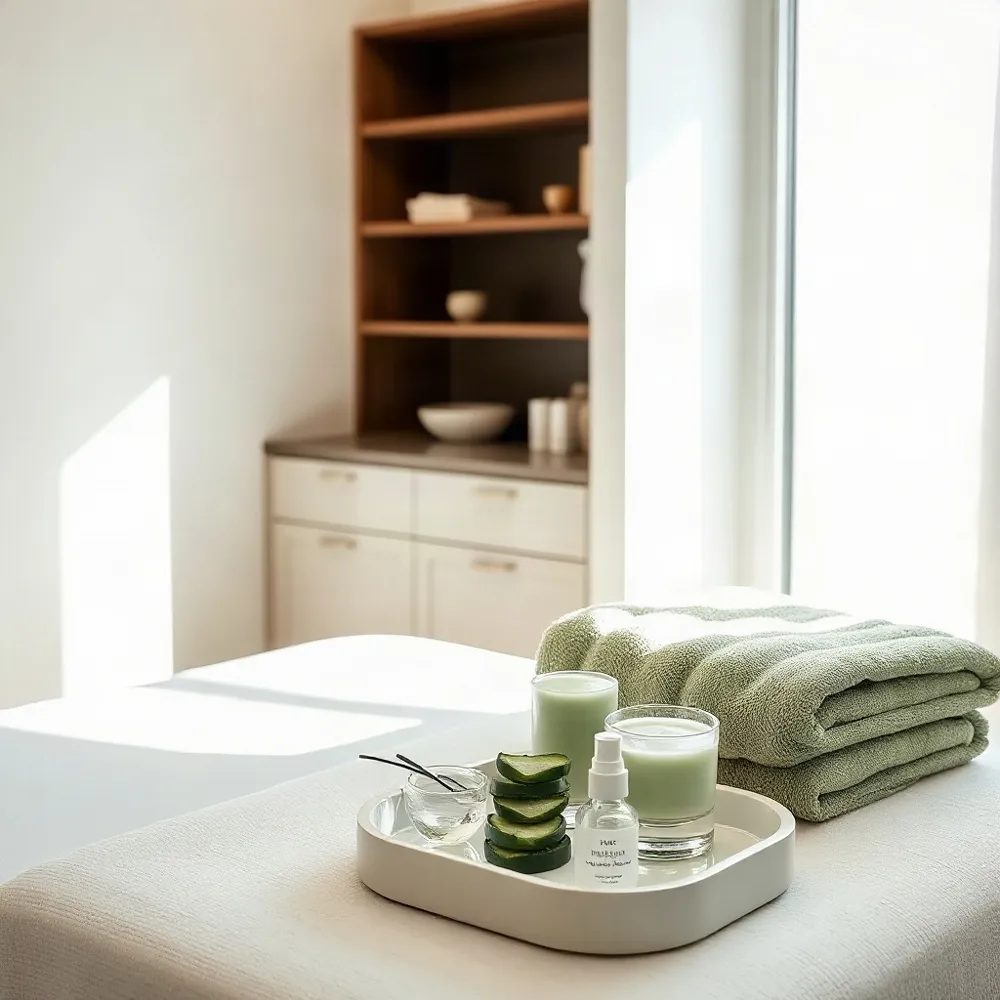 Right after a PRP microneedling session, the treated skin is essentially an open wound with tiny channels that are actively absorbing the platelet-rich plasma. Keeping that area clean and undisturbed is the single most important factor in how well your results develop. Most providers, including the team at Jana HealthCare, will tell you to follow the same basic do's and don'ts for the first 24 to 48 hours.
The golden rule is straightforward: do not wash your face or get the treated area wet for at least 4 to 6 hours after treatment, and some providers recommend waiting 12 to 24 hours. This window lets the PRP fully penetrate the micro-channels and the skin begin its natural repair process without interference. After that, you can gently rinse with lukewarm water and a mild, fragrance-free cleanser, patting the skin dry rather than rubbing it.
The Immediate Aftercare Do's and Don'ts
- Do keep your hands away from your face to avoid introducing bacteria into the open channels.
- Do use only the gentle, non-comedogenic skincare products your provider recommends for the first few days.
- Do apply a broad-spectrum sunscreen (SPF 30 or higher) once the initial redness subsides, because the skin is extra sensitive to UV damage.
- Don't apply makeup for at least 24 hours, and ideally 48 hours, to let the micro-channels close.
- Don't exercise, sweat heavily, or use saunas, steam rooms, and hot showers for 24 to 48 hours, as increased blood flow and sweat can irritate the area and interfere with PRP absorption.
- Don't pick, scratch, or peel any flaking or crusted skin, since that can lead to scarring and uneven results.
These guidelines align with what many patients read in recovery guides, such as the PRP microneedling recovery timeline that describes how the skin progresses through redness, peeling, and a gradual glow over the first week. Following the aftercare steps consistently is what separates a smooth recovery from one that derails your results.
What Can Go Wrong? Side Effects to Watch
Knowing what to expect after PRP microneedling helps you plan your schedule and care for your skin. The treatment combines platelet-rich plasma with fine needles to stimulate collagen, and the recovery is generally mild compared with more invasive procedures.
Immediately after the session, most people experience redness and swelling, which typically subside within 24 to 72 hours. You may also notice pinpoint bleeding and a feeling of tightness or dryness. These effects are temporary and usually resolve within a few days, as explained in our guide to PRP microneedling recovery.
The First Week
From days 3 to 5, your skin may become dry and start to flake as it undergoes natural exfoliation and renewal. This is a normal part of the healing process, not a cause for concern. By days 7 to 10, you can expect to see a vibrant, healthy glow emerge, though the timeline can vary based on your skin type and the intensity of the treatment.
To support healing, keep your skin clean and moisturized, avoid direct sun exposure, and skip makeup for at least 24 hours. Your provider may recommend a gentle cleanser and a rich moisturizer. Avoid harsh exfoliants, retinoids, and active acids for several days, as these can irritate the newly treated skin.
Potential Side Effects and When to Seek Help
Most side effects are temporary: redness, swelling, tenderness, mild bruising, pinpoint bleeding, and a feeling of tightness or dryness that resolves within a few days. These are part of the skin's natural healing response and typically do not require medical attention.
However, you should contact your provider if you notice signs of infection, such as increasing pain, pus, or fever, or if redness and swelling worsen instead of improving. These complications are rare but possible, so it is important to follow your aftercare instructions and reach out to a professional if you have concerns.
| Recovery Stage | Timeline | What to Expect |
|---|---|---|
| Immediate | 0-24 hours | Redness, swelling, pinpoint bleeding |
| Early healing | Days 2-3 | Dryness, tightness, mild flaking |
| Peak exfoliation | Days 3-5 | Visible flaking, skin renewal |
| Glow phase | Days 7-10 | Healthy glow, reduced redness |
When Will You See Results?
PRP microneedling combines collagen induction with platelet-rich plasma to speed skin repair. While many patients notice some improvements early, the full benefits unfold gradually over several weeks as new collagen forms and remodels. Here's a realistic week-by-week look at what you can anticipate after your treatment at janahealthcare.com.
Days 0 to 2: Immediate Aftercare and the First Flush
Immediately following the procedure, your skin will appear red and may feel warm, similar to a sunburn. This is normal and indicates that the micro-injuries are triggering the healing cascade. Most patients experience redness and mild swelling, which typically subsides within 24 to 72 hours. You should avoid makeup, sun exposure, and heavy exercise for at least the first day. Keep the area clean and apply the gentle moisturizer recommended by your clinician to support barrier recovery.
During this early phase, it's common to see pinpoint bleeding or small petechiae where the needles pierced the skin. This is a sign that the treatment depth was adequate. Do not pick or scratch; let any tiny crusts fall off naturally.
Days 3 to 5: Dryness and Peeling
By days 3 to 5, the initial redness begins to fade, and your skin may feel dry and start to flake as it undergoes natural exfoliation and renewal. This desquamation is temporary and should not be confused with a poor outcome. Continue to moisturize and avoid abrasive scrubs. You can gently cleanse with a mild cleanser and apply a non-comedogenic SPF if you need to go outdoors.
Many patients wonder when they will see visible results. An initial glow and improved skin tone may be noticeable within a few days after treatment as redness subsides, but this is just the beginning. The deeper benefits, such as reduced fine lines and improved texture, require more time as collagen production kicks in. For a detailed timeline of what to expect after your session, refer to our PRP Microneedling Recovery Timeline.
Days 6 to 10: The Glow Emerges
Between days 6 and 10, peeling usually subsides, and you'll notice a gradual reduction in redness. Your skin may feel smoother and look more luminous as fresh, new skin cells surface. While minor dryness may linger for a few days, you can expect to see a vibrant, healthy glow emerge within 7 to 10 days. This is an excellent time to reintroduce your regular skincare routine, but avoid harsh retinoids or acids until your clinician gives the green light.
You may also observe that fine lines appear softened and skin tone looks more even. These early improvements are encouraging, but they are only the foundation. The most significant transformation occurs over the following weeks as collagen continues to build.
Weeks 2 to 4: Collagen Remodeling Begins
From week 2 through week 4, your skin enters the collagen remodeling phase. While you may not see dramatic changes on a daily basis, underlying structural improvements are taking place. The new collagen fibers are reorganizing to strengthen skin and improve elasticity. By the end of this period, many patients notice a visible reduction in acne scars, enlarged pores, and fine lines.
Clinical research supports this timeline. A 2024 evaluation of platelet-rich plasma combined with microneedling showed significant improvements in skin texture and scar depth after a series of treatments, with progressive results over several weeks. This peer-reviewed study highlights how the combination amplifies collagen production and accelerates healing compared to microneedling alone.
Weeks 6 to 8: Peak Results and Maintenance
Peak results typically appear between week 6 and week 8, when collagen production is at its highest. You'll likely notice a more substantial improvement in skin firmness, elasticity, and overall radiance. For optimal outcomes, a series of treatments is often recommended, spaced 4 to 6 weeks apart. Maintenance sessions every 6 to 12 months can help sustain the results.
The longevity of your results depends on your skincare routine, sun protection, and lifestyle factors. Consistent use of sunscreen is crucial to protect the newly formed collagen. Additionally, pairing PRP microneedling with a healthy diet and adequate hydration can enhance your skin's natural repair mechanisms. For more on maintaining results, see our guide on is PRP microneedling worth it.
Keep in mind that individual responses vary. Factors such as age, skin type, and the severity of your concerns influence how quickly you see results. During your consultation at janahealthcare.com, your provider will tailor a treatment plan to your specific goals and skin needs.
| Timeframe | What You See | What to Do |
|---|---|---|
| Days 0-2 | Redness, mild swelling | Avoid makeup, sun, exercise |
| Days 3-5 | Dryness, flaking | Moisturize, gentle cleanse |
| Days 6-10 | Glow, less redness | Reintroduce skincare gradually |
| Weeks 2-4 | Texture improves, scars fade | Continue SPF, avoid retinoids |
| Weeks 6-8 | Peak results: firmness, elasticity | Schedule maintenance sessions |
Personalized Treatment Plans
 For most people, a meaningful change in skin texture, tone, and scarring takes more than a single appointment. While one PRP microneedling session can leave your skin looking refreshed, the collagen-building process is cumulative, which means results build gradually with each treatment.
A typical treatment plan calls for three sessions spaced about four weeks apart, which matches the natural cycle of skin healing and collagen production. That said, the exact number varies by person. Your provider will adjust the count based on your skin concerns, age, and how your skin responds to each session. For deeper acne scars or more pronounced signs of aging, some patients choose a fourth or fifth session to reach their goals.
Why Multiple Sessions Work Better Than One
Each microneedling pass creates controlled micro-injuries in the skin, which trigger a wound-healing response. Platelet-rich plasma (PRP), applied during the treatment, delivers concentrated growth factors to the area. This combination stimulates collagen and elastin production, but the effect is gradual. One session might give you a glow, yet it typically isn't enough to remodel scar tissue or noticeably firm the skin.
As the treatment series progresses, collagen fibers thicken and reorganize, which is why outcomes become more visible after the second and third sessions. A personalized plan means your provider tailors the number of sessions, needle depth, and PRP concentration to your specific concerns and goals, as detailed in PRP microneedling recovery guidance.
What a Typical Treatment Schedule Looks Like
- Session 1: Skin assessment, initial micro-injuries, and PRP application to kick-start collagen production.
- Session 2: Building on the first response, with adjustments to needle depth and PRP concentration.
- Session 3: Final session of a standard series, often delivering the most noticeable improvement.
Sessions are typically spaced 4 to 6 weeks apart. This gap gives your skin time to heal and rebuild collagen between visits. If your skin is still red or sensitive at the next appointment, your provider may push the spacing out a bit longer.
What Results You Can Expect After the Series
After each session, you'll notice some redness and mild swelling, which usually subsides within 24 to 72 hours. Some people see a radiant glow as early as 7 to 10 days after the first treatment, according to PRP microneedling recovery insights. However, the full effect on scars and fine lines becomes clearer in the weeks after your final session, as collagen continues to remodel.
Factors That Affect Your Session Count
Skin concern. Superficial texture issues and mild dullness often respond to three sessions. Deeper acne scars, stretch marks, or pronounced wrinkles may require additional treatments.
Age and skin elasticity. Younger skin produces collagen more readily, so fewer sessions may be needed. As skin ages, a longer maintenance series helps sustain the results.
PRP responsiveness. Some people see a strong response after two sessions, while others need the full series before significant improvement appears. Your provider will judge by looking at your skin after each visit.
Maintenance Sessions to Keep the Results
After completing your initial series, you may want a maintenance session every 6 to 12 months to preserve collagen levels and keep your skin looking fresh. The exact interval depends on your skin, lifestyle, and aesthetic goals. Your provider will recommend a schedule based on how your skin responds.
| Treatment stage | Typical timeline | What to expect |
|---|---|---|
| Initial series | 3 sessions, 4-6 weeks apart | Visible texture improvement |
| Additional sessions | 4-5 sessions total | Better scar and wrinkle response |
| Maintenance | Every 6-12 months | Sustained collagen boost |
Because everyone's skin is different, your provider will tailor the number of sessions, needle depth, and PRP concentration to your specific concerns and goals — see how PRP fits into comprehensive treatment plans.
The Bottom Line on PRP Microneedling
The terms “vampire facial” and “PRP microneedling” are often used interchangeably, but they are not quite the same procedure. Understanding the distinction starts with the basics: microneedling alone uses fine needles to create controlled micro-injuries in the skin, stimulating collagen production. When platelet-rich plasma (PRP) is applied to the treated area, the procedure becomes PRP microneedling, often marketed as the vampire facial. The PRP is derived from your own blood, which is spun in a centrifuge to concentrate growth factors that support healing and rejuvenation.
For most people, the difference boils down to results and recovery. Plain microneedling can improve texture, minimize pores, and fade scars, but the addition of PRP amplifies those outcomes by delivering your body’s own growth factors directly to the deeper layers of the skin. As a result, PRP microneedling tends to produce more noticeable improvements in skin tone and elasticity, with many patients seeing a healthy glow within a week or two. Clinical research supports this benefit: a study in the journal Curēus found that combining PRP with microneedling led to greater improvement in acne scars compared to microneedling alone.
Recovery and Results: What to Expect
One of the most common concerns is downtime. Both treatments cause redness and mild swelling for the first 24 to 72 hours, but PRP microneedling recovery timelines are often slightly shorter because the growth factors accelerate the skin’s natural repair process. By day three to five, the skin may appear dry and flaky as it exfoliates, and most patients see a noticeable improvement by day seven to ten. Practitioners at janahealthcare.com recommend planning your session a few days before a special event so the initial redness has time to subside.
The choice between microneedling and PRP microneedling ultimately comes down to your goals and tolerance for downtime. If you want a simple textural refresh with minimal fuss, plain microneedling may suffice. If you’re targeting acne scarring, pigmentation, or loss of firmness, PRP microneedling offers a more powerful option with results that tend to last longer, as the growth factors continue to work over several weeks.
| Feature | Microneedling Alone | PRP Microneedling (Vampire Facial) |
|---|---|---|
| Main purpose | Collagen induction for texture and pores | Adds growth factors for deeper repair and glow |
| Results timeframe | 4 to 6 weeks | 7 to 10 days for initial glow; longer-term improvements over months |
| Downtime | Redness 24-72 hours | Redness and slight swelling, often less due to faster healing |
| Suitable for | Mild texture issues, fine lines | Acne scars, pigmentation, firmness, overall rejuvenation |
| Cost consideration | Lower upfront cost | Higher cost due to PRP processing, but more comprehensive results |
When deciding between the two, it’s wise to consult a qualified provider who can assess your skin type and medical history. With the expertise of professionals at janahealthcare.com, you can create a personalized treatment plan that aligns with your aesthetic goals, whether that means a single microneedling session or a series of PRP-enhanced treatments for more dramatic, long-lasting results.