
Understanding the Popularity of Vitamin IV Therapy
Vitamin IV therapy has moved out of hospitals and into everyday wellness culture, promoted by celebrities and social media influencers as a quick fix for fatigue, hangovers, and immune weakness. The treatment involves delivering a mixture of vitamins, minerals, and fluids directly into the bloodstream through an intravenous needle, bypassing the digestive system entirely.
Proponents claim that this direct route allows for nearly 100% absorption of nutrients, a significant advantage over oral supplements where absorption rates can be variable. At Jana HealthCare, a multidisciplinary practice in Brooklyn, every IV treatment is administered by licensed professionals who tailor the nutrient blend to individual health needs, blending medical oversight with holistic wellness goals.
This article explores what goes into popular IV drips, how they work in the body, and what scientific evidence supports the claims. The goal is to provide a balanced view so readers can make an informed decision about whether this trend fits their health routine.
What Is IV Vitamin Therapy and How Does It Work
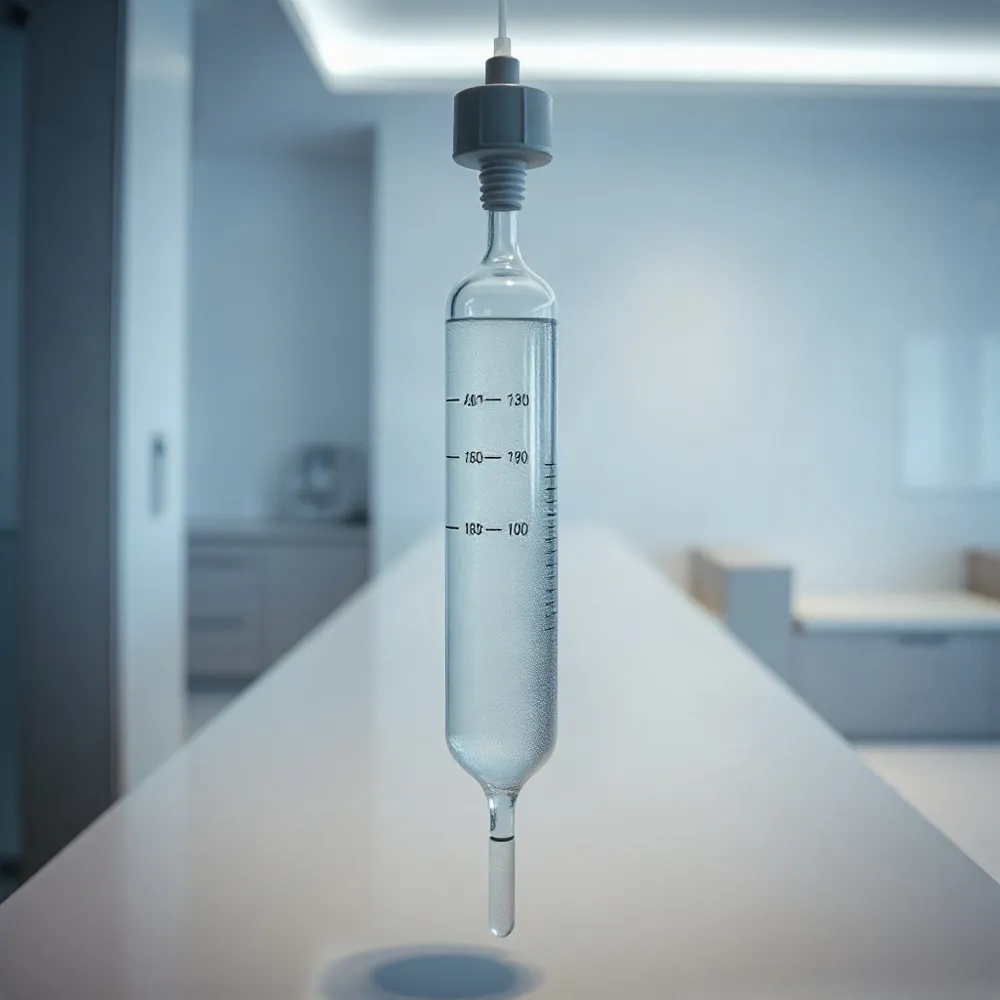 Intravenous (IV) vitamin therapy is a treatment that delivers a concentrated liquid mixture of vitamins, minerals, and other nutrients directly into the bloodstream through a vein. As explained by the Mayo Clinic, this method uses an intravenous needle to bypass the digestive system entirely, a key distinction from oral supplements.
The process itself is straightforward. A healthcare professional inserts a small tube, called a catheter, into a vein, typically in the arm. This catheter is connected to a drip bag containing a sterile saline solution mixed with vitamins and minerals. The bag is hung above the patient, using gravity to deliver the fluid directly into the bloodstream over a period of 30 to 60 minutes.
Bypassing the gastrointestinal tract allows for what is described as virtually 100% bioavailability. In contrast, oral supplements must pass through the stomach and liver, a process called hepatic first-pass metabolism. This process can significantly reduce the amount of a nutrient that actually reaches your body's cells. For instance, some research notes that IV administration of vitamin C can achieve plasma levels up to 100 times higher than an oral dose.
These treatments are offered in a variety of settings. While some people receive them in medical spas or wellness clinics, the rise of mobile services allows a registered nurse to administer the drip in the comfort of a patient's home, office, or even at music festivals. At janahealthcare.com, all IV therapies are administered in a controlled, clinical setting by licensed professionals, ensuring a focus on both personalized care and safety.
Key Ingredients Found in Popular IV Drips
 Key Ingredients Found in Popular IV Drips
The ingredients in an IV drip vary by treatment goal, but the classic formula is the Myers' Cocktail. It was developed in the 1970s by Dr. John Myers and typically contains high doses of B vitamins (including B12 and B-complex), vitamin C, magnesium, and calcium mixed with sterile water.
B vitamins are included to support cellular energy production and combat fatigue. Vitamin C and zinc are added in immune-support drips to enhance white blood cell function and antioxidant defenses. Magnesium contributes to muscle function, nerve transmission, and energy metabolism.
Many providers allow customization with add-ons like extra B12, additional vitamin C, glutathione for detoxification, amino acid blends for muscle recovery, or NAD⁺ for cellular repair. The same base formula can be adapted for hydration, energy, recovery, or immune support.
At Jana HealthCare in Brooklyn, each treatment is personalized based on health history and goals, ensuring the right nutrient blend for each patient's needs.
Do Vitamin IV Drips Actually Work?
 The answer depends on what you are asking the drip to do. For specific medical needs, such as rapidly correcting a diagnosed nutrient deficiency in someone with a condition like Crohn's disease or IBS, IV therapy is an effective clinical tool. The nearly 100% bioavailability of nutrients delivered intravenously is a genuine physiological advantage over oral supplements.
For general wellness claims, the scientific picture is far less clear. Dr. Sam Torbati, co-chair of Emergency Medicine at Cedars-Sinai, notes the primary benefit is rapid hydration, adding that for most people, these treatments simply result in "expensive urine." Similarly, the Mayo Clinic reports that claims of enhanced energy, mental clarity, and immunity are largely unsupported by robust evidence.
What the Small Studies Show
Well-designed, large-scale randomized controlled trials are scarce. A 2009 study on a Myers' Cocktail for fibromyalgia found that while the treatment group reported improvements, the placebo group saw significant improvements as well, casting doubt on the IV therapy's specific effectiveness. This highlights how the perceived benefits of a wellness drip can be influenced by a strong placebo effect.
This is not to say IV therapy has no role. The PMC article on the science of IV vitamin therapy confirms it is ideal for achieving therapeutic nutrient levels unattainable through oral intake—such as high-dose vitamin C for immune enhancement in specific medical contexts. However, experts at the Cleveland Clinic emphasize that using it as a general wellness tool for a healthy person is unsupported by science.
At janahealthcare.com, we distinguish between medically indicated treatment and elective self-care. For our Brooklyn patients, IV therapy can be a powerful part of a comprehensive health plan when administered for a clear clinical reason, such as post-workout recovery or a diagnosed deficiency, by qualified professionals in a sterile setting.
Benefits for Skin, Energy, and Immune Health
IV vitamin therapy is promoted for a range of wellness goals, and three areas receive the most attention: skin health, energy levels, and immune function. While individual experiences vary, each benefit is tied to specific nutrients delivered at high concentrations directly into the bloodstream.
How IV Therapy Supports Skin Health
The deep hydration provided by IV fluids restores moisture to skin cells from the inside out, which can create a plumper, more radiant appearance. Vitamin C is a key ingredient in many drips; it stimulates collagen production, which helps reduce fine lines and improves skin firmness. Antioxidants such as glutathione combat free radicals that contribute to premature aging, supporting a brighter and more even complexion. The detoxification effects of certain formulations may also help clear blemishes, promoting smoother skin.
Energy Benefits from B-Complex and Magnesium
Energy-focused drips typically rely on B-complex vitamins, particularly B12, which play a central role in converting food into cellular energy. Magnesium is another common addition, as it is involved in the production of adenosine triphosphate (ATP), the body's primary energy currency. People who report reduced fatigue after a session may be benefiting from a rapid correction of subclinical deficiencies, though the effect is often temporary.
Immune Support Through High-Dose Nutrients
For immune support, high-dose vitamin C is the star ingredient. Intravenous administration can achieve plasma levels up to 100 times higher than oral doses, which enhances the function of leukocytes (white blood cells) that fight infection. Zinc supports immune cell development and communication, while glutathione acts as a powerful antioxidant that helps neutralize toxins and reduce oxidative stress.
Many people feel better after an IV drip primarily because of rapid rehydration, an effect that can be reproduced by drinking fluids. However, the vitamin and mineral component offers additional support that hydration alone cannot provide. At janahealthcare.com, personalized consultations help match each client's nutrient blend to their specific skin, energy, or immune goals, ensuring that the formulation addresses real needs rather than offering a one-size-fits-all solution.
| Benefit Area | Primary Nutrients | Mechanism of Action |
|---|---|---|
| Skin Health | Vitamin C, Glutathione, B-Complex | Collagen synthesis, antioxidant protection, hydration |
| Energy Boost | B12, B-Complex, Magnesium | Cellular energy production (ATP), reduced fatigue |
| Immune Support | High-dose Vitamin C, Zinc, Glutathione | Leukocyte function, immune cell development, oxidative stress reduction |
| Hydration | Saline fluids, Electrolytes | Rapid fluid delivery, electrolyte balance |
Pros and Cons of Vitamin IV Therapy
Vitamin IV therapy offers distinct advantages over oral supplements, but it also carries significant drawbacks. Understanding both sides helps determine whether it is a worthwhile option for your specific needs.
Enhanced Bioavailability. Nutrients delivered intravenously achieve virtually 100% bioavailability, bypassing the digestive tract and hepatic first-pass metabolism. This allows for rapid absorption and immediate cellular availability, which is especially valuable for people with malabsorption issues like Crohn's disease, celiac disease, or post-bariatric surgery complications.
Higher Therapeutic Doses. IV administration can achieve plasma levels of certain nutrients far beyond what oral supplementation can provide. For example, intravenous vitamin C can reach concentrations up to 100 times higher than oral doses. This enables therapeutic applications such as immune enhancement, accelerated wound healing, and adjunctive cancer support.
Quick Hydration. The IV fluids themselves—sterile saline solutions—provide rapid rehydration. For many people, the feeling of improved energy or well-being after a drip is largely due to correcting mild dehydration, much like a sports drink but delivered directly into the bloodstream.
Customizable Formulations. Providers can tailor the nutrient blend to individual needs. The Myers' Cocktail, for instance, combines magnesium, calcium, B vitamins, and vitamin C to target chronic fatigue, migraines, or stress. At janahealthcare.com, treatments are personalized based on a health history review and specific wellness goals.
The Downsides: Cost, Transience, and Lack of Proof for Healthy People
The most obvious drawback is cost. A single session typically ranges from $100 to over $300, and insurance rarely covers it for general wellness. Even the most positive effects are transient—hydration benefits fade within hours, and vitamin levels return to baseline in days to weeks. While some clinics offer monthly memberships, the long-term expense can quickly add up without sustained benefit.
For healthy individuals with normal nutritional status, the scientific support for IV therapy remains thin. According to the Merck Manual, no health benefits have been confirmed for people without a diagnosed deficiency. A Mayo Clinic analysis echoes this, stating that a multivitamin and a healthy lifestyle are likely just as effective, at a fraction of the cost. Federal regulators have even charged some clinics with making false claims about IV therapy's ability to treat serious diseases.
Safety also demands attention. Bypassing the digestive system removes the body's natural safeguards. Risks include infection from non-sterile equipment, vein damage, fluid overload, electrolyte imbalances, and toxicity from excessive fat-soluble vitamins. High-dose thiamine can trigger anaphylaxis, and vitamin B6 overload may cause nerve damage. These complications are more likely in unregulated settings where provider oversight is lacking.
IV Therapy vs. Oral Supplements: A Practical Comparison
Oral supplements are convenient, inexpensive, and safe for daily use, but their bioavailability can be poor due to digestive efficiency, GI disorders, age-related changes, or medication interactions. IV therapy solves the absorption problem but introduces cost, inconvenience (a 30–60 minute session with a needle stick), and the need for medical supervision. For most people without a diagnosed malabsorption condition, a balanced diet and targeted oral supplements remain the most practical and cost-effective route.
Where IV Therapy Makes Sense—and Where It Does Not
IV vitamin therapy shines in specific medical contexts: correcting deficiencies after bariatric surgery, managing chronic illnesses like IBD or pernicious anemia, or providing rapid rehydration in cases of severe illness. For general wellness in a healthy person, the anecdotal benefits do not yet justify the expense and risk. Anyone considering IV therapy should undergo a thorough medical evaluation beforehand. janahealthcare.com incorporates this step into every consultation, ensuring the drips are matched to actual nutritional needs under professional guidance.
Safety, Risks, and Who Should Be Cautious
IV vitamin therapy is generally considered safe when administered in a clean, clinical setting by a trained medical professional using sterile equipment. However, because it bypasses the body's natural digestive safeguards and delivers nutrients directly into the bloodstream, the procedure carries inherent risks that every patient should understand before proceeding.
Potential Risks of IV Vitamin Therapy
Infection. Non-sterile techniques can introduce bacteria, potentially leading to sepsis, phlebitis, thrombophlebitis, or localized bruising and vein damage.
Nutrient toxicity. High doses of fat-soluble vitamins (A, D, E, K) can accumulate in tissues and cause harm. High-dose vitamin C may raise the risk of oxalate kidney stones, and excessive thiamine can trigger anaphylaxis.
Electrolyte imbalance. Fluid overload or improper mineral ratios can strain the heart and kidneys, leading to arrhythmias or blood pressure changes.
Air embolism. If the IV line is not properly primed, air entering the bloodstream can cause a life-threatening blockage.
Who Should Be Cautious
People with heart disease, high blood pressure, kidney disease, or those who are pregnant should avoid IV vitamin therapy unless directed by a physician. The Merck Manual specifically recommends against IV vitamin therapy for healthy individuals, noting that no health benefits have been scientifically confirmed for this group.
Regulatory Concerns
The FDA has warned about the safety of IV mixtures flowing out of hydration clinics and spas. Many of these facilities operate with limited oversight, and formulations can vary widely in quality and concentration. When choosing a provider, it is essential to confirm that a licensed healthcare professional oversees the treatment and that strict sterility protocols are followed. At Jana HealthCare, all IV therapies are administered by qualified medical staff in a controlled clinical environment, with full medical screening before each session.
Ultimately, IV vitamin therapy is a medical procedure, not a casual wellness accessory. While it can be beneficial for individuals with diagnosed absorption issues or specific medical needs, the evidence for general wellness use remains limited. A thorough consultation with your healthcare provider is the safest way to determine whether the potential benefits outweigh the risks in your specific case.
Cost, Insurance, and What to Expect
Vitamin IV therapy costs vary based on the type of drip and location. Basic hydration drips start around $85 to $150, while specialized blends like the Myers' Cocktail or immune-support infusions run from $160 to $200. Advanced treatments such as high-dose Vitamin C or NAD+ therapy can cost $200 to $435 or more.
For most people seeking general wellness, these treatments are considered elective and are not covered by insurance. However, if you have a diagnosed condition like chronic fatigue syndrome, an autoimmune disorder, or a documented nutrient malabsorption issue, some insurance plans may provide partial or full coverage with proper documentation. It's best to verify your specific benefits with your provider.
How Long Do the Effects Last?
The duration of benefits depends on the nutrients used and your individual health. Hydration and electrolyte relief typically last 24 to 48 hours, while immune-supporting blends with vitamin C and zinc can support your system for up to a week. Energy-boosting infusions with B-complex vitamins often enhance energy and mental clarity for 4 to 7 days. Baseline nutritional status, stress levels, and lifestyle habits all play a role in how long you feel the positive effects.
For general wellness, a monthly session is often sufficient to maintain stable energy and immune support. Bi-weekly infusions may benefit those with high physical activity, stress, or frequent travel. Athletes and those recovering from intense training or illness often benefit from weekly treatments to aid muscle repair.
What to Do After an IV Drip
- Keep the bandage on for 30 to 60 minutes to prevent bleeding or infection.
- Avoid strenuous exercise and heavy lifting for a few hours.
- Refrain from alcohol or excessive caffeine, as both can counteract hydration benefits.
- Monitor for unusual symptoms like persistent pain, redness, or dizziness.
At janahealthcare.com, we offer personalized consultations to discuss your wellness goals and provide transparent pricing for our customized IV therapies. Our team can help tailor a plan based on your specific health needs and ongoing requirements.
Who Benefits Most from IV Vitamin Therapy
IV vitamin therapy is not a one-size-fits-all solution. For certain groups, however, it can be a genuinely valuable tool. The people who stand to gain the most are those whose bodies cannot absorb nutrients properly through food or oral supplements.
Individuals with Malabsorption Issues
People with conditions like Crohn's disease, celiac disease, IBS, and IBD often struggle to absorb vitamins and minerals from their diet. Oral supplementation, too, can be unreliable when the digestive tract is inflamed or damaged. IV therapy bypasses the gut, delivering nutrients with virtually 100% bioavailability directly to the bloodstream, making it a practical tool for managing deficiency in these cases.
Post-Surgical and Chronic Illness Patients
Patients recovering from bariatric surgery or other gastrointestinal procedures may also have impaired absorption. Similarly, those with chronic fatigue syndrome, fibromyalgia, or lupus can experience persistent nutrient depletion. IV therapy can provide a concentrated dose of energy-supporting nutrients like B-complex vitamins and magnesium, helping to reduce fatigue. At janahealthcare.com, personalized care plans are designed to address these specific health needs.
Athletes and the Severely Dehydrated
For athletes, a recovery IV drip can rapidly replenish fluids, electrolytes, and amino acids lost during intense exercise, promoting faster muscle repair. The hydration benefits of IV therapy also help in cases of severe dehydration from illness or alcohol, which is often why people report feeling better after treatment.
The Bottom Line for Healthy Individuals
For most healthy people, however, the evidence does not support IV therapy as a general wellness tool. The Mayo Clinic notes that it is likely no better than taking a standard multivitamin. A balanced diet, regular exercise, and adequate sleep remain more effective and sustainable investments in long-term health. Anyone considering IV therapy should consult a healthcare provider first to determine if it is medically appropriate for their specific situation.
The Future of IV Therapy: Evidence and Regulation
The current excitement around IV vitamin therapy has run ahead of the science. While many patients report feeling better after a drip, the medical community is calling for a much stronger evidence base before the practice can be recommended for general wellness.
What Research Still Needs to Answer
Researchers have outlined several critical gaps. The most pressing is the need for robust long-term clinical trials to evaluate both safety and efficacy in non-hospital settings. Most existing studies are small, short-term, or lack control groups.
Clear, evidence-based dosing strategies are also missing. Clinics choose ingredient amounts based more on tradition than on data. Comparative effectiveness studies that directly measure IV therapy against standard oral supplementation would help determine whether the higher cost and invasive delivery are justified.
A particularly important need is for double-blind placebo-controlled studies that can separate real physiological effects from the placebo effect. The psychological boost of receiving a treatment in a relaxing setting may account for some of the reported benefits.
Regulatory Gaps in a Growing Industry
The rise of mobile IV services and walk-in drip bars has raised questions about oversight. Unlike hospital-based IV therapy, which follows strict protocols, wellness settings may operate with minimal regulation. The FDA has issued warnings about safety standards at some hydration clinics.
These concerns extend to provider training. Ensuring that every IV drip is administered by a qualified, licensed professional in a sterile environment is essential for patient safety.
Economic and Ethical Considerations
At $100 to $300 or more per session, IV therapy is an expensive investment with uncertain returns for healthy individuals. Insurance rarely covers it for wellness purposes. Critics argue that this spending could be better directed toward proven health habits like a balanced diet, regular exercise, and adequate sleep.
The Mayo Clinic advises that there is no quick fix for health, and that building a strong foundation through nutrition and lifestyle is more effective than relying on periodic infusions.
| Research Need | Current Status | Why It Matters |
|---|---|---|
| Long-term safety and efficacy trials | Largely absent for wellness use | Determines whether IV therapy is safe for repeated use |
| Optimal dosing strategies | Based on tradition, not data | Prevents nutrient toxicity and waste |
| Placebo-controlled studies | Rare in this field | Separates real benefits from perceived ones |
| Regulatory standards for clinics | Inconsistent and underdeveloped | Protects patients from unsafe practices |
Making an Informed Decision About IV Therapy
IV vitamin therapy delivers nutrients with enhanced bioavailability and rapid absorption, making it a valuable tool for specific medical needs such as malabsorption disorders or post-surgical recovery. The Mayo Clinic Press notes that the therapy is effective for people who cannot absorb nutrients through their digestive tract. For those without such conditions, however, the evidence for general wellness benefits remains limited and largely anecdotal.
A balanced diet rich in whole foods, regular physical activity, and adequate sleep form the foundation of sustained health. Scientific literature consistently shows that no IV drip can replace these pillars for the average person. As one expert at Cedars-Sinai put it, the main element in most IV drips is water and salt — similar to a sports drink but at a much higher price.
Before booking a session, speak with your healthcare provider. They can review your current health status, lab values, and medications to determine whether IV therapy is appropriate for your goals. This step helps avoid unnecessary risks and ensures that any treatment you receive is medically indicated.
For those in Brooklyn exploring IV therapy as part of a broader wellness plan, janahealthcare.com provides personalized consultations and customized IV formulations administered by qualified medical professionals in a clean, clinical setting. Their team reviews each patient's health history and tailors the nutrient blend to individual needs, offering a safe and informed approach to IV therapy.