
Beyond the Daily Razor
Shaving and waxing manage visible hair temporarily. Laser hair removal is a medical procedure that uses focused light to heat and damage hair follicles, reducing future growth. For many people, it offers a longer-lasting option than routine shaving or waxing, though the best approach depends on individual skin, hair, and goals.
Treatment works in stages because follicles do not all grow at the same time. Most people need a series of appointments spaced several weeks apart, and hair typically sheds gradually after each session. Results vary, and laser treatment should be understood as long-term hair reduction, not a promise that hair will never return. Regrowth may be finer or lighter, and some people need maintenance sessions. A consultation at janahealthcare.com can help set expectations as part of its integrated clinical and aesthetic care. Mayo Clinic’s laser hair removal guidance
How Laser Light Targets Hair
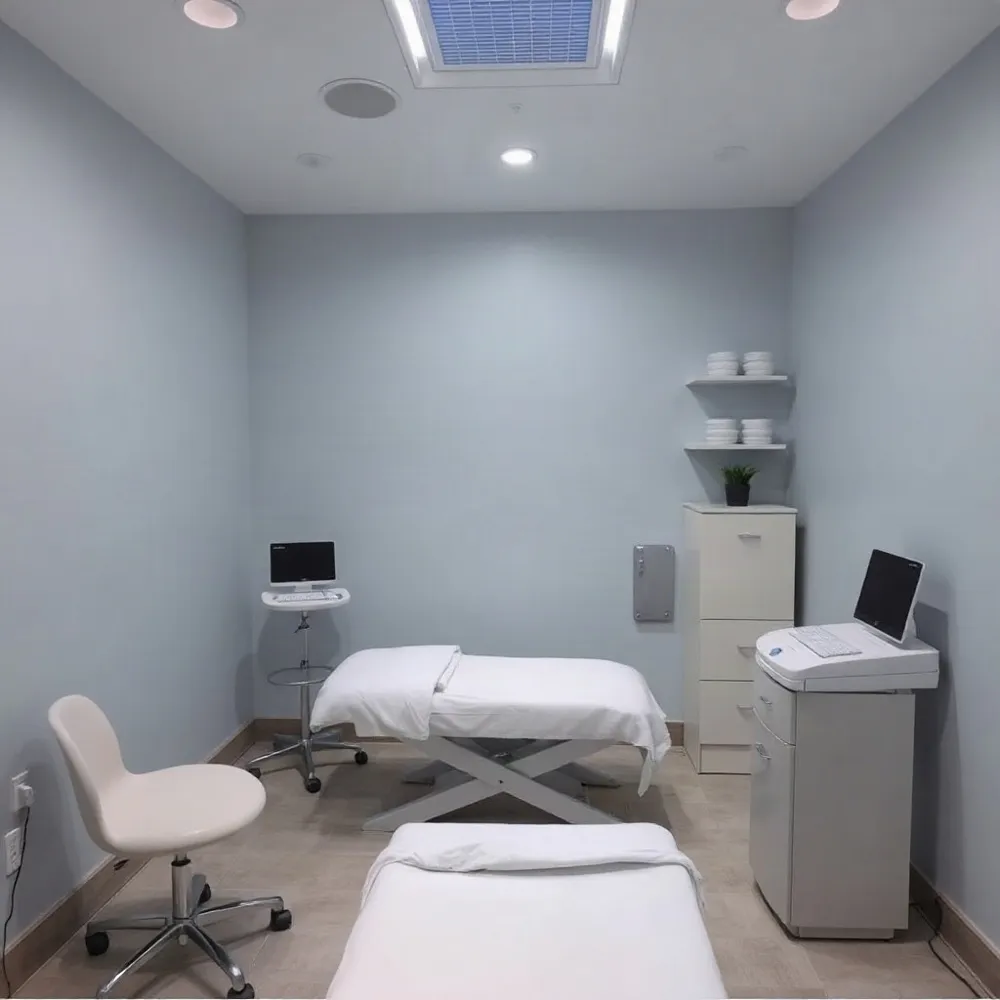 Laser hair removal directs focused light toward melanin, the pigment in hair. The pigment absorbs the light and turns it into heat, which damages the follicle and slows future growth. This process can reduce hair over time, but it does not guarantee that hair will never return. Mayo Clinic’s overview of laser hair removal explains how the procedure works and what results to expect.
Treatment works best when a hair is in its active growth phase. Since follicles in one area are not all in that phase at the same time, a single visit cannot effectively target every hair. A clinician can assess your hair and skin and plan treatment around your individual needs. At janahealthcare.com, laser hair removal is offered within a multidisciplinary medical and aesthetic practice, where care can be considered alongside broader health factors.
Many people need about four to eight sessions, usually spaced several weeks apart, though the number and timing vary by person and treatment area. Results develop across the course rather than all at once. Hair may remain visible immediately after a session, then shed over several days to weeks. Regrowth, when it occurs, is often finer and lighter, and some people choose maintenance treatments.
Benefits With Realistic Limits
Compared with shaving or waxing, laser treatment can reduce hair growth for longer, so routine grooming may become less frequent. Results are not guaranteed to be permanent: hair can return, often finer and lighter, and some people choose maintenance treatments. Mayo Clinic’s overview of laser hair removal explains what to expect.
Response depends partly on hair pigment and skin characteristics. Dark brown or black hair often responds best, while blonde, white, gray, and red hair may respond less well. Laser treatment can also be used on Black and brown skin, but an experienced professional should select suitable equipment and settings to reduce the risk of burns or lasting color changes.
Laser reduces existing hair growth but does not treat its underlying cause. For example, hormone-related conditions such as polycystic ovary syndrome can lead to new hair growth, which may call for ongoing care. At janahealthcare.com, a multidisciplinary medical and aesthetic practice in Brooklyn, NY, patients can discuss hair concerns alongside broader health factors during personalized clinical care.
Safety Starts With Assessment
 A careful assessment helps set expectations and reduce avoidable risks. At janahealthcare.com, care spans clinical, cosmetic dermatology, and wellness services, providing a multidisciplinary setting for discussing how personal health factors may shape an aesthetic treatment plan.
Redness, swelling, discomfort, and temporary darkening or lightening of the skin are common after laser hair removal. These effects often settle within hours, though some irritation or color changes can last longer. Less common risks include blistering, burns, infection, scarring, or changes in skin texture; rarely, hair may grow thicker near the treated area. Mayo Clinic’s overview of risks and results notes that pigment changes can rarely persist.
Before treatment, ask a qualified healthcare professional to review your medical history, medications, skin concerns, and expected results. Suitability can depend on skin tone, hair color and texture, and the treatment plan should be tailored to your individual needs and goals.
Comfort During Treatment
Laser pulses are often described as brief stings or a quick snap, much like a rubber band against the skin. Sensation differs from person to person and may vary with the treatment area and settings. If you are concerned about discomfort, ask your provider what to expect for your planned treatment.
Cooling features built into the device, a cooling spray or gel, and sometimes numbing cream may make the procedure more comfortable. Your clinician can advise which measures are appropriate for your skin and treatment plan. Mayo Clinic’s guide to the procedure describes these comfort options and the use of protective eyewear.
Session length depends on the area: treating a small spot may take only a few minutes, while a large area can take an hour or longer. Protective eyewear is worn during treatment to guard against laser exposure. At janahealthcare.com, laser hair removal sits within a broader approach to care that pairs aesthetic treatments with overall health and wellness goals.
Preparing Skin Between Sessions
 Preparation instructions vary by clinician and treatment plan, so confirm what to do before each appointment. Mayo Clinic describes shaving the treatment area the day before, while Cleveland Clinic advises shaving two to three days beforehand. Follow your provider’s specific timing and arrive with the area prepared as directed.
Limit sun exposure and avoid tanning before treatment, since tanned skin can affect treatment and raise the risk of side effects. Use broad-spectrum SPF 30 or higher sunscreen as your clinician directs. Waxing, plucking, and electrolysis are generally stopped at least four weeks before treatment because they remove the follicle targeted by the laser. Share relevant medications or skin concerns with your clinician beforehand. See Mayo Clinic’s preparation guidance.
Shaving between sessions is generally compatible with laser treatment because it does not remove the follicle. Once treatment begins, avoid waxing, tweezing, and plucking, which pull hair from the root. For more on preparation and the treatment timeline, see what to expect between laser hair removal sessions.
There is no single post-treatment waiting period for shaving established by the guidance cited here. Follow your provider’s instructions and wait until the skin feels comfortable and irritation has settled. If redness, tenderness, or irritation persists, check with the clinic before shaving.
Cost And Treatment Choices
The total cost depends on the treatment area, provider, location, number of sessions, and the plan recommended for your hair and skin. Ask for a personalized estimate and confirm what it covers, including whether follow-up or maintenance sessions would be billed separately. This kind of individualized planning fits the approach at janahealthcare.com, a Brooklyn practice combining clinical care with cosmetic dermatology.
Cosmetic laser hair removal is usually not covered by insurance. Coverage may be possible when unwanted hair is related to a medical condition or its treatment, so check with your insurer and clinician before booking. Mayo Clinic’s guidance on laser hair removal outlines this distinction.
Before starting, weigh the time commitment of a course of treatments and the possibility of maintenance against the reduction you hope to achieve. Laser treatment does not guarantee permanent removal, and response varies with hair pigment and skin characteristics. An experienced healthcare professional can review your medical history and medications, discuss likely results and risks, and choose suitable settings.
You can pause or stop future appointments if your priorities change. Discuss irritation or skin-color changes with a clinician, and remember that shaving or trimming remain options. For hairs that respond poorly to laser, electrolysis may be worth discussing; it treats individual follicles and may offer longer-term removal, though it requires a different treatment approach. janahealthcare.com’s multidisciplinary setting can help keep aesthetic choices in view alongside broader health considerations.
A Personalized Plan Matters
Long-term smoothness usually means less hair growth, not a guarantee that hair will never return. Regrowth may be finer, and some people choose maintenance treatments as their needs change.
Before deciding, discuss your goals, skin and hair characteristics, medical history, preparation, comfort, and possible maintenance with a qualified healthcare professional. These details help shape realistic expectations and an appropriate treatment plan. At janahealthcare.com, cosmetic dermatology is part of a Brooklyn practice that also offers clinical care and wellness services, allowing conversations about hair removal to sit within a broader view of individual health.