Protecting Brows While They Heal
Microblading leaves the brow skin healing from tiny, deliberate injuries. Thoughtful aftercare helps protect that skin while pigment settles, but there is no single routine that fits every procedure or person.
Follow the written instructions from the professional who performed your treatment. Providers may differ on cleansing, water exposure, and whether to use ointment, so combining advice from several guides can work against your care plan. At janahealthcare.com, care is part of a multidisciplinary medical and aesthetic practice, where guidance can be tailored to individual needs.
In the days ahead, handle the brows gently and avoid picking at flakes. Expect temporary changes in color and texture, and follow your provider’s directions about exercise, moisture, and sun exposure. Contact that provider if healing concerns you; seek medical advice for symptoms such as fever, worsening redness, swelling, or unusual discharge.
A Gentle Routine for Fresh Brows
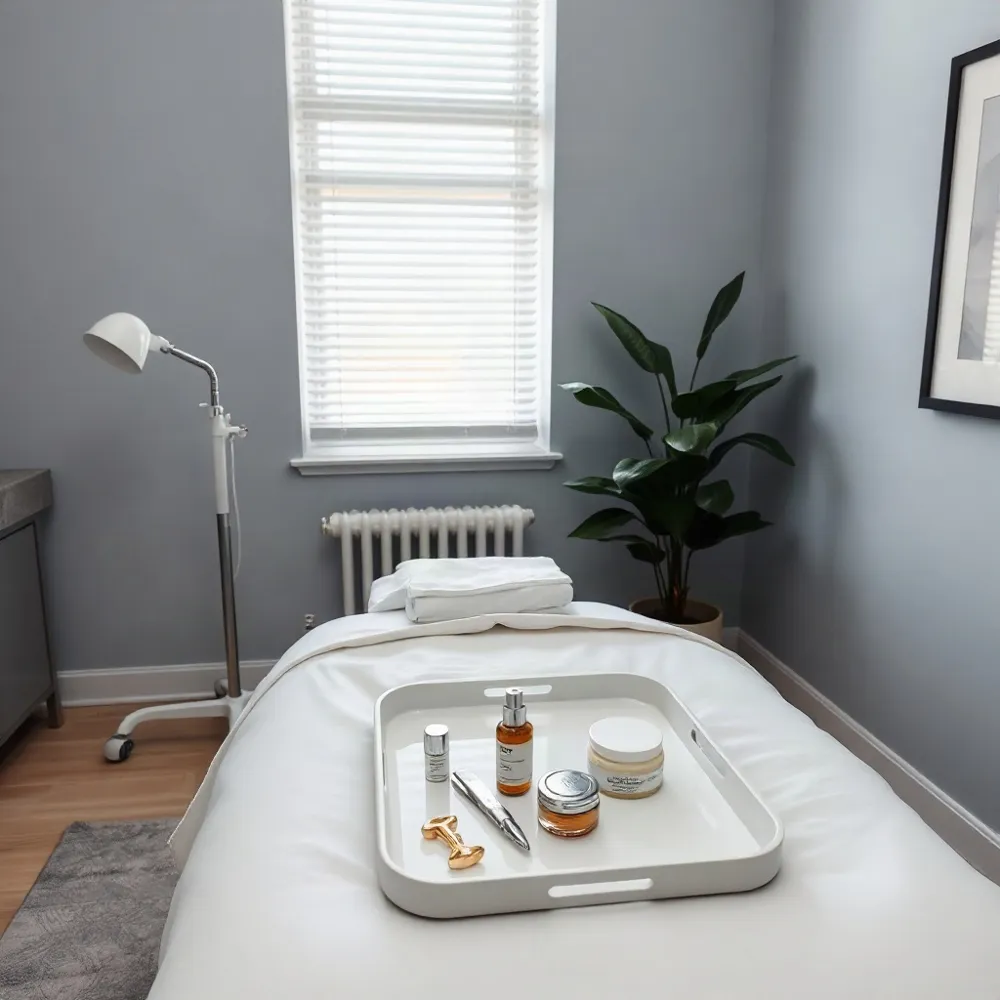 A simple routine starts with clean hands and minimal contact. Avoid rubbing, picking, peeling, or scratching the treated skin, even when flakes or scabs feel itchy. Disturbing them can pull pigment away before the skin has healed and may leave the color uneven.
Cleansing instructions vary among providers. Some advise keeping brows dry and free of cleanser for the first seven days; others recommend gentle washing. Follow the written directions from your treating provider rather than combining different routines. At Jana HealthCare, care is part of a Brooklyn practice that brings together clinical and aesthetic services, so guidance can be tailored to the person and procedure.
You can wash the rest of your face carefully while protecting the brows as directed. Use a damp cloth or cotton pad on areas such as the cheeks and chin, and keep your face away from the shower stream. If water accidentally touches the brows, blot the area gently with a clean tissue. Do not wipe or rub.
If your provider recommends ointment, use only the approved product and apply a very thin layer to clean, fully dry brows. Follow the provider's directions for when to start and how often to apply it. Some aftercare plans call for dry healing instead, so ointment is not a universal requirement.
Ask before applying petroleum jelly, including Vaseline. Its occlusive texture may be too heavy for some routines, and a thick or greasy layer can interfere with the approach your provider has chosen. Keep brow makeup and other skincare products off the treated area until your provider says they can be resumed.
Healing can include mild itching and flaking, but worsening redness, swelling, pain, fever, or foul-smelling discharge warrants prompt medical advice. For more on protecting healing skin from picking or rubbing, see this microblading aftercare guide.
What to Avoid During Early Healing
Healing instructions differ, so use the timeline from the professional who treated your brows rather than combining advice from different sources. Many protocols restrict makeup and skincare products directly on the brows for roughly 7–14 days. Ask when it is safe to resume your usual routine, and avoid picking or scratching any flakes.
Common restrictions include swimming, saunas, steam rooms, hot baths, and strenuous exercise that causes heavy sweating. Some providers advise avoiding these exposures for 14 days. Direct sun and tanning are also commonly restricted during early healing; a hat can offer shade outdoors.
Keep retinoids, glycolic acid, exfoliants, and chemical peels away from the treated area while it heals. Laser treatments may also need to wait. Since protocols vary, ask your provider when to restart products or schedule treatments instead of assuming one timeline applies to everyone. For more on products to avoid, see guidance on makeup and skincare during early healing.
Wait until the skin is fully healed, and your provider says it is appropriate, before applying sunscreen to the brows. After healing, sun protection can help limit premature pigment fading. Dusty cleaning and open-air travel may expose healing brows to debris or wind, so some provider protocols recommend avoiding these during the initial recovery period.
The Changing Look of Healing Brows
 The first impression can be stronger than the healed result. Brows may look bold or darker than intended, with mild redness, tenderness, or slight swelling. These early changes can be unsettling, but they do not by themselves show what the final color will be.
As healing continues, itching and light scabbing or flaking may appear. The color can look uneven or lighter as flakes shed. Let them come away on their own: picking, scratching, or rubbing can disturb healing skin. For a closer look at the usual stages, see this day-by-day recovery timeline.
During the next stage, brows may seem unusually faint as new skin forms over the pigment. Color can gradually become more visible again over the following weeks. This temporary lightness, like early darkness or patchiness, is not necessarily the final result.
Surface healing often takes about 7 to 14 days, while deeper healing and pigment settling commonly take about 4 to 6 weeks. A provider may wait roughly 6 to 8 weeks to assess the result, sometimes after a touch-up. The timing and appearance vary from person to person, so follow the instructions from the professional who treated you rather than judging the result too early.
At Jana HealthCare, care spans clinical services, cosmetic dermatology, and wellness therapies in Brooklyn, NY. If you have questions about how your brows are changing, or notice worsening redness, pain, swelling, or drainage, contact your treating provider for guidance.
When Results Need a Closer Look
Uneven color or fading can be unsettling, but brows may look patchy as flakes shed and temporarily lighter as new skin forms. Avoid picking, scratching, or trying to adjust the pigment yourself. Changes during healing do not necessarily show the final result.
Give the skin time to heal before judging the outcome. Healing and color settling often take about four to six weeks, though the timeline varies. Follow the aftercare directions from the professional who treated you, and keep strong skincare products away from the area while it heals.
A follow-up assessment lets a qualified provider evaluate how the pigment has settled and discuss whether a touch-up or another option is appropriate. Assessments are commonly scheduled around six to eight weeks, but timing depends on healing and the provider’s approach. If brows still look damaged, unusually discolored, or persistently uneven after healing, contact your treating professional, another qualified permanent makeup professional, or a dermatologist. Color correction or removal may not be suitable in every case.
Seek prompt clinical advice for worsening redness, warmth, swelling, significant or increasing pain, fever, red streaks, or foul-smelling green or yellow discharge. Contact a healthcare professional rather than trying to treat these symptoms or alter the pigment yourself. For more guidance on unevenness during healing, see what to do when microblading results look too dark or uneven.
Aftercare Following a Touch-Up
A touch-up treats the brow skin again, so healing care matters just as much as it did after the first appointment. Follow your technician’s directions for cleansing and moisture, and use only products they approve.
Keep hands gentle: do not rub, pick, scratch, or peel flakes. Limit makeup, heavy sweating, swimming, and direct sun exposure for the period your provider recommends. These instructions may differ by technique and individual needs, so avoid mixing advice from other sources.
Temporary darkening, mild redness, and flaking may happen again as the skin heals. Contact your provider if redness or swelling worsens, pain increases, or you notice possible infection signs such as unusual discharge or fever. For cleansing, moisture, and approved products during recovery, see this microblading aftercare guide.
Choosing an Ointment With Your Provider
 Aftercare plans differ: some providers recommend dry healing, while others include a small amount of approved ointment. Follow the instructions from the professional who treated your brows rather than combining protocols or choosing a product from a general example.
If ointment is part of your plan, ask which product to use and when. Apply it only as directed, with clean hands, to clean, completely dry skin, using a very thin layer. Too much can leave brows greasy and interfere with the recommended routine.
Before substituting petroleum jelly, such as Vaseline, or another product, check with your provider. Petroleum jelly forms an occlusive barrier, and it may not suit every aftercare plan. Avoid picking or scratching the healing skin; seek professional advice about worsening redness, swelling, warmth, pain, or drainage.
At janahealthcare.com, microblading care sits within a multidisciplinary medical and aesthetic practice, so questions about a product can be discussed in the context of your individual care.
Patience and Personalized Guidance
Give brows time to heal; appearance can shift, but worsening redness, swelling, heat, discharge, or fever warrants assessment. Jana HealthCare provides integrated aesthetic care.