Why a Pill‑Free Path Matters
Over two‑thirds of Americans older than 65 experience chronic pain, and about one‑third of the adult population lives with pain lasting more than three months. While prescription analgesics can provide short‑term relief, long‑term use carries risks such as gastrointestinal bleeding, kidney damage, dependence, and increased fall risk. Non‑pharmacologic strategies—regular low‑impact exercise, balanced anti‑inflammatory nutrition, adequate sleep, mindfulness meditation, acupuncture, massage, and physical therapy—address pain at its source, improve function, and reduce reliance on drugs. By personalizing a plan that blends movement, mind‑body practice, and lifestyle tweaks, patients often achieve comparable or better pain control with fewer side effects, supporting overall health and aesthetic wellness. These approaches also enhance mood, circulation, and skin vitality, contributing to a pain‑free lifestyle.
Mind‑Body Strategies for Immediate Pain Control
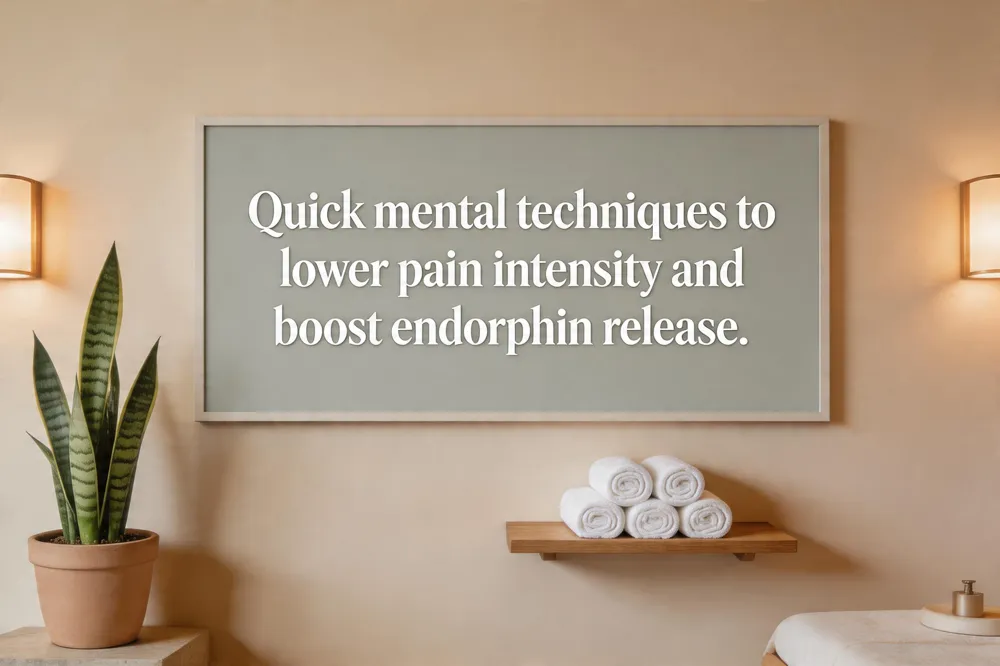 Mental techniques to lower pain intensity – Deep diaphragmatic breathing, progressive muscle relaxation, and guided imagery calm the sympathetic nervous system, lowering heart rate, muscle tension and the release of stress hormones that heighten pain. Cognitive‑behavioral therapy (CBT) helps you identify and challenge catastrophizing thoughts, reducing the emotional boost that makes pain feel worse.
Evidence for mindfulness, breathing, and CBT – Systematic reviews show that mindfulness meditation, mindfulness meditation and guided imagery lower pain perception. The American College of Physicians recommends progressive muscle relaxation as a first‑line step for chronic low‑back pain.
Practical daily routines – Start each morning with 5 minutes of diaphragmatic breathing (inhale for 4 seconds, hold 2, exhale 6). Follow with a 10‑minute body‑scan or guided imagery session, then practice progressive muscle relaxation before bed. Integrate a brief yoga or tai‑chi flow 3–4 times a week to reinforce the mind‑body connection and trigger endorphin release.
Quick answers to common questions
- How to control pain mentally? Use the breathing, relaxation, and CBT steps above; Jana HealthCare offers personalized counseling and workshops to support these habits.
- What is the strongest natural pain reliever? Curcumin from turmeric, especially when combined with piperine, shows the most robust evidence for reducing inflammation‑related pain, comparable to OTC NSAIDs.
- Natural pain‑relief hormone? Endorphins, released during exercise, laughter, acupuncture, or enjoyable social activity, bind opioid receptors and blunt pain signals.
- What are the 4 P’s of pain? 4 P’s of pain – Prevention, Precision, Personalization, and Participation — four pillars that guide a holistic, patient‑centered pain‑management plan.
Evidence‑Based Physical Modalities
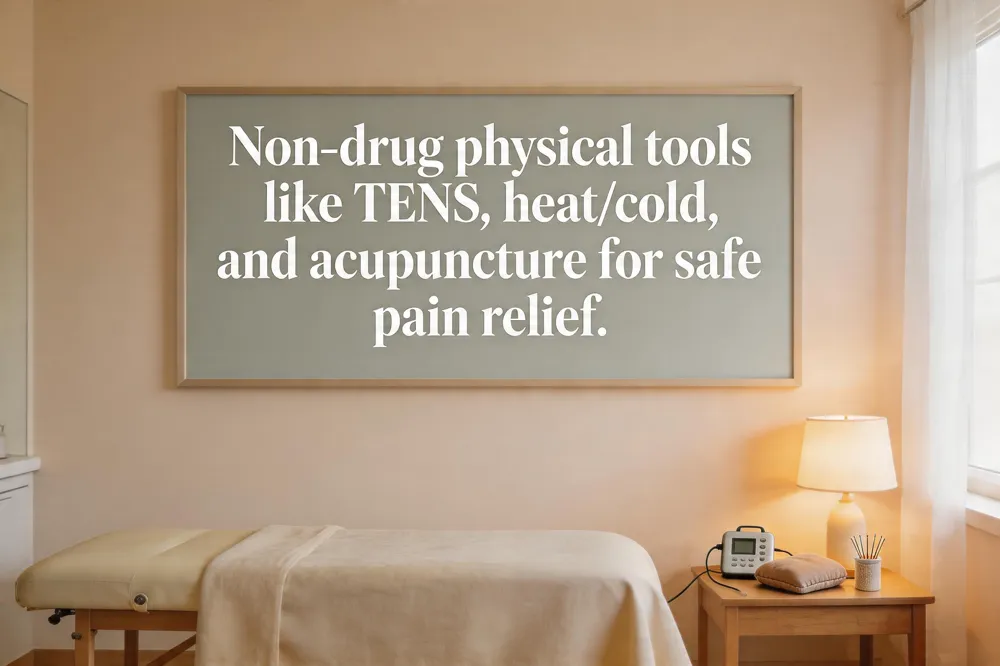 Non‑pharmacological pain relief begins with nurse‑led strategies that combine physical, cognitive and educational tools. Warm or cold packs, optimal positioning and gentle massage lower muscle tension and inflammation, while nurses teach deep‑breathing, guided imagery and mindfulness to shift attention away from discomfort. Devices such as TENS, acupuncture or acupressure, and distraction activities (music, TV, puzzles) add further drug‑free support.
After surgery, early use of ice within the first 24 hours reduces swelling, followed by heat to promote circulation and muscle relaxation. Guided breathing, mindfulness, and music distraction lower anxiety, and early mobilization with structured physical therapy restores function and prevents stiffness. TENS and acupuncture can modulate pain pathways, offering safe post‑operative relief.
For osteoarthritis, education empowers patients to set realistic goals. Weight loss and low‑impact aerobic activity (walking, swimming, cycling) decrease joint loading. Tailored physical‑therapy exercises, strength training, and assistive devices provide stability and pain reduction. Complementary options—acupuncture, topical NSAID/capsaicin creams, mindfulness groups, and psychosocial counseling—address both pain perception and emotional well‑being, creating a comprehensive, drug‑free plan that fits personalized, multidisciplinary care.
Nutrition, Supplements, and Home Remedies
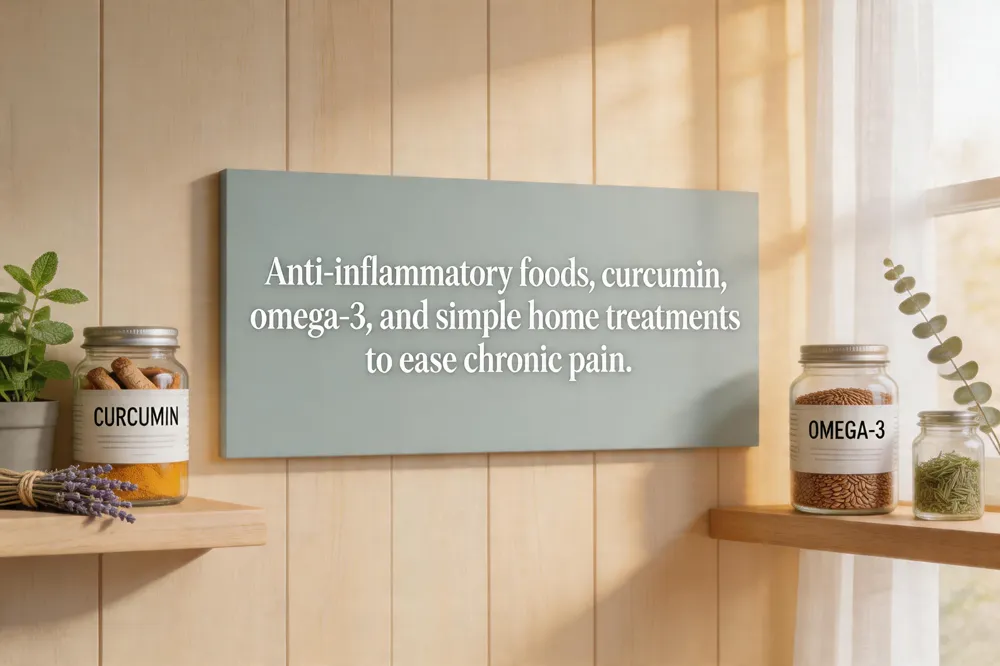 A balanced anti‑inflammatory diet—rich in leafy greens, berries, fatty fish, nuts, and whole grains—helps lower systemic cytokines that fuel chronic pain. Swap refined carbs and sugary snacks for omega‑3‑packed foods (salmon, flaxseed) and antioxidant‑dense produce to support joint health.
Top natural supplements with solid evidence include curcumin (turmeric) for its COX‑2‑blocking action, white willow bark (salicin) which rivals NSAIDs for musculoskeletal aches, and omega‑3 fish oil to reduce joint swelling. For nerve‑related discomfort, alpha‑lipoic acid, methylcobalamin (B12), and magnesium can calm hyper‑excitable nerves.
Home remedies and recipes: 1) Warm Epsom‑salt bath plus gentle stretching relaxes muscles; 2) Alternate heat and cold packs for acute inflammation; 3) Golden‑milk latte (turmeric, ginger, honey) for internal anti‑inflammation; 4) Peppermint‑oil massage (diluted carrier) eases tension headaches; 5) Fresh ginger‑lemon iced tea with a pinch of cinnamon; 6) Turmeric‑honey paste applied to sore spots; 7) Arnicac‑infused herbal compress; 8) Grilled pineapple (bromelain) with sour‑cherry relish; 9) Regular low‑impact walking or tai‑chi to improve circulation; 10) Adequate hydration to maintain joint lubrication.
These diet, supplement, and home‑based strategies can be personalized with your physician to create a safe, drug‑free pain‑relief plan.
Practical Guides, Tools, and Patient Empowerment
 Jana HealthCare provides a downloadable PDF that consolidates evidence‑based, non‑pharmacologic pain‑management techniques. The guide details tailored physical‑therapy exercises, mindfulness meditation and cognitive‑behavioral strategies, acupuncture, massage, and gentle yoga, each with step‑by‑step instructions, safety tips, and suggestions for daily integration under professional supervision.
The PDF also offers practical self‑management worksheets—activity‑pacing charts, hydration logs, balanced‑nutrition checklists, and a simple rating wheel for tracking pain intensity and functional progress.
Patient education and support are emphasized through clear explanations of pain physiology, coping skills, and the role of lifestyle factors such as sleep hygiene, stress reduction, and anti‑inflammatory nutrition.
Pain management techniques PDF – Jana HealthCare’s free guide outlines the full suite of drug‑free strategies and can be accessed on the clinic’s website or requested in‑person.
Non‑pharmacological pain management PDF – The same document provides comprehensive nutrition, sleep, and complementary‑therapy recommendations, plus worksheets clinicians can embed in treatment plans.
These resources empower individuals to actively participate in their care, reduce reliance on medication, and improve overall well‑being.
Addressing Systemic Issues and Broader Perspectives
 Research consistently points to systemic and interpersonal factors that drive inadequate pain management. The most cited cause is under‑assessment of pain intensity—clinicians often underestimate how severe a patient’s pain truly is. Provider bias, such as assumptions about substance‑use risk or socioeconomic status, also leads to undertreatment. Fear of regulatory scrutiny makes many physicians reluctant to prescribe opioids even when indicated, and limited patient education plus poor access to pain specialists compounds the problem.
Trigeminial neuralgia (tic douloureux) is regarded as the #1 worst pain in the world. Electric‑shock‑like stabbing sensations triggered by light touches make everyday activities unbearable, earning it the nickname “suicide disease.”
When pills are needed, the 2022 CDC guideline advises starting with non‑opioid agents—acetaminophen for mild pain and NSAIDs when inflammation is present. For moderate chronic pain, short‑term low‑dose opioids may be added, but adjuncts such as gabapentinoids, SNRIs, or low‑dose tricyclic antidepressants target neuropathic mechanisms. Non‑pharmacologic alternatives—heat or ice, low‑impact exercise, Physical therapy, Yoga, tai chi, mindfulness meditation, Acupuncture, massage, and spinal manipulation—can reduce medication reliance and improve function. Discuss options with your provider to build a safe, holistic plan.
Your Roadmap to Pain Relief Without Pills
Managing chronic pain without medication begins with lifestyle tweaks. Adopt an anti‑inflammatory diet rich in vegetables, fruits, omega‑3 fatty acids, and whole grains while staying hydrated and maintaining a healthy weight. Add aerobic activity—walking, swimming, yoga, or tai chi—to boost endorphins, improve joint mobility, and reduce stress. Practice relaxation techniques such as deep diaphragmatic breathing, progressive muscle relaxation, or mindfulness meditation to lower nervous system’s pain response.
Jana HealthCare provides tools to support these changes: therapy sessions, meditation apps, nutrition counseling, and access to certified acupuncture or massage therapists. Their multidisciplinary team tailors each plan to your functional needs, ensuring drug‑free progress.
Commit to self‑care by tracking pain levels, adjusting routines, and staying connected with support groups or follow‑up appointments, turning pain management into a sustainable, empowering lifestyle.