Why Your Ingredient List Matters More Than Ever After Laser
The Deceptive Calm of Healing Skin
After a laser treatment, your skin might look relatively calm on the surface, but beneath it, the protective barrier is temporarily compromised. This makes it hyper-absorbent and highly reactive. An ingredient that was harmless last week—like a fragrance or a low dose of salicylic acid—can now cause stinging, redness, burning, or even delayed healing and pigmentation issues.
Why Marketing Claims Fail You
The ingredient list is your only reliable source of truth. Marketing terms like "gentle," "natural," or "dermatologist-tested" are unregulated and meaningless to healing skin. A product can claim to be "hypoallergenic" yet contain essential oils or alcohol that will irritate your compromised barrier. You must look past the front of the bottle and read the fine print.
Decoding the INCI Order
All products follow the INCI (International Nomenclature of Cosmetic Ingredients) system: ingredients are listed in descending order of concentration. The first five to seven items make up the bulk of the formula and have the most impact. If a "hero" ingredient like hyaluronic acid or niacinamide is buried near the end of the list, it is present at a negligible level and will not provide a therapeutic benefit. For post-laser skin, you want barrier-supporting ingredients (like ceramides) to appear early, not as a token at the bottom.
The Absolute Red Flags: Ingredients to Ban for 2+ Weeks
Retinoids (Retinol, Tretinoin, Adapalene)
Retinoids accelerate cell turnover and can severely sensitize skin. You must stop using them 1–2 weeks before laser and avoid them for at least 10–14 days after. These ingredients thin the skin’s protective barrier, increasing the risk of burns, redness, and post-inflammatory hyperpigmentation after treatment.
Chemical Exfoliants (AHAs & BHAs)
Alpha-hydroxy acids (glycolic, lactic) and beta-hydroxy acids (salicylic) over-penetrate compromised skin after laser. Their application can cause stinging, prolonged redness, and hyperpigmentation. Even low concentrations marketed as "gentle" should be avoided until the skin barrier is fully restored.
Benzoyl Peroxide & Sulfur
Benzoyl peroxide and sulfur-based treatments are extremely drying and inflammatory for healing skin. Using them too soon can lead to peeling, compromised healing, and even scarring in sensitive areas. Pause all such aggressive acne treatments for the initial recovery period.
Alcohol Denat.
Denatured alcohol (Alcohol Denat.) strips the skin's lipid barrier and exacerbates dryness and irritation. It is a major red flag post-laser, as it can worsen flaking, delay healing, and increase pigmentation irregularities.
Fragrance & Essential Oils
Synthetic fragrances (Parfum) and essential oils (tea tree, lavender, peppermint, citrus extracts) are common sensitizers. They provoke itching, burning, and delayed healing on hypersensitive skin. Products must be explicitly fragrance-free; "unscented" may still contain masking irritants.
| Red Flag Ingredient | Why to Avoid | Safe Alternatives |
|---|---|---|
| Retinoids (retinol, tretinoin) | Accelerate cell turnover, increase sensitivity | None during healing phase |
| Chemical exfoliants (AHAs, BHAs) | Over-penetrate, cause stinging & hyperpigmentation | Gentle cleansers only |
| Benzoyl peroxide & sulfur | Drying, can cause peeling & scarring | Non-inflammatory acne treatments (if cleared) |
| Alcohol Denat. | Strips barrier, delays healing | Alcohol-free toners or mists |
| Fragrance & essential oils | Irritating, cause itching & burning | Fragrance-free, hypoallergenic products |
What to Avoid After Facial Laser & How to Manage Milia
Proper aftercare is essential for optimal healing after a facial laser treatment. Knowing what to avoid and how to manage common concerns like milia ensures the best results and a comfortable recovery.
What to Avoid on Healing Skin
After your laser session, your skin's barrier is temporarily compromised, making it more sensitive and absorbent. Following a strict skincare protocol is vital to prevent irritation and complications.
- Avoid Active Ingredients: For 1–10 days (depending on your laser's intensity), refrain from using all active ingredients. This includes vitamin A (retinoids), vitamin C (L-ascorbic acid), and exfoliating acids like AHAs (glycolic acid) and BHAs (salicylic acid). These can cause severe redness, stinging, and delayed healing.
- Avoid Sun Exposure & Harsh Scrubs: Your skin is highly vulnerable to UV damage. Always wear a mineral SPF sunscreen with zinc oxide or titanium dioxide. Do not use harsh physical scrubs or exfoliating tools, and resist the urge to pick at or scratch the skin.
- Avoid Heat & Irritants: Hot environments like saunas, steam rooms, and hot tubs can worsen inflammation. Also, steer clear of any products with fragrance, alcohol denat., or essential oils, as these will irritate the healing epidermis.
Managing Milia After Laser
Milia are tiny, hard white bumps that can sometimes appear as the skin heals and regenerates. It's important to manage them correctly.
- Gentle Cleansing: During your routine, gently cleanse the face with a soft washcloth. This light exfoliation can help encourage the milia to naturally release over time.
- Do Not Extract: Never pick at or try to extract milia yourself. This action can traumatize the healing tissue, leading to infection, scarring, or prolonged redness.
- Consult Your Practitioner: If milia persist or are bothersome, consult your practitioner. They can perform a safe, in-office extraction using a sterile lancet.
The table below summarizes the key ingredients and actions to prioritize and avoid during your recovery.
| Category | What to Avoid (Red Flags) | What to Prioritize (Safe & Beneficial) |
|---|---|---|
| Actives | Retinol, Vitamin C, AHA/BHA acids | Hyaluronic acid, Ceramides, Panthenol |
| Cleansers | Harsh scrubs, alcohol-based toners | Gentle, fragrance-free, non-foaming cleansers |
| Protection | Chemical sunscreens, direct sun | Mineral SPF 30+ (zinc oxide, titanium dioxide) |
| Environment | Saunas, steam rooms, hot exercise | Cool, clean environments; gentle cleansing |
Beyond the 'No' List: Beneficial Ingredients to Seek Out
 After your laser treatment, focusing on what to avoid is only half the battle. Equally important is knowing which ingredients will actively support your skin's recovery and enhance your results. Here are the key beneficial ingredients to seek out on your product labels.
Hyaluronic Acid for Deep Hydration
Hyaluronic acid is a powerful humectant that draws moisture into the skin without causing irritation. It can hold up to 1,000 times its weight in water, providing deep hydration that is ideal for post-laser recovery.
Ceramides and Panthenol for Barrier Repair
Ceramides are lipids that naturally occur in the skin and are essential for restoring and strengthening the protective barrier. Pairing them with panthenol (provitamin B5), which promotes wound healing and soothes inflammation, creates a powerful recovery combo.
Gentle Soothers: Niacinamide, Aloe Vera, and Centella Asiatica
Niacinamide is a versatile anti-inflammatory ingredient that supports barrier repair and can be introduced after the first few days of healing. For immediate relief, look for aloe vera, which provides a cooling effect and helps calm redness. Centella asiatica (often listed as madecassoside) and colloidal oatmeal are additional soothing agents that aid recovery and reduce discomfort.
| Ingredient | Primary Benefit | Post-Laser Role |
|---|---|---|
| Hyaluronic Acid | Humectant, hydration | Draws moisture in; non-irritating |
| Ceramides | Skin barrier repair | Restores protective lipid layer |
| Panthenol | Wound healing, soothing | Reduces inflammation |
| Niacinamide | Anti-inflammatory | Supports barrier repair (after day 2) |
| Aloe Vera | Cooling, anti-inflammatory | Calms redness and soothes |
| Centella Asiatica | Soothing, anti-irritant | Aids overall recovery |
When (and How) to Reintroduce Niacinamide, HA & Vanicream
When to Reintroduce Niacinamide After Laser Treatment?
Niacinamide is generally safe and beneficial for post-laser skin. It has anti-inflammatory and antioxidant properties that help reduce redness and support barrier repair. Most clinicians allow its use within a few days after treatment, once acute inflammation begins to subside. Always follow your provider's specific timeline.
When to Reintroduce Hyaluronic Acid After Laser Treatment?
Hyaluronic acid (HA) is a gentle humectant that draws moisture into the skin without causing irritation. It is safe to use immediately after laser treatment to support hydration and comfort. Look for HA listed near the top of the ingredient list for optimal concentration.
When to Reintroduce Vanicream After Laser Treatment?
Vanicream products are ideal for post‑laser care. Their gentle, fragrance‑free formulas are designed for sensitive skin. Use a Vanicream cleanser and moisturizer immediately after treatment, and their mineral sunscreen once healing begins. These support barrier repair without added irritants.
General Rule for Reintroducing Actives
Wait at least 10–14 days before reintroducing actives like retinol or acids. Introduce one active at a time, patch test on a small area, and monitor for redness, sensitivity, or breakouts. Slow, gradual reintroduction ensures the skin builds its barrier evenly.
| Ingredient | Safe to Use After Laser? | Timing | Key Benefits |
|---|---|---|---|
| Niacinamide | Generally yes | Within a few days, per clinician | Reduces redness, supports barrier repair |
| Hyaluronic Acid | Yes | Immediately after treatment | Gentle hydration, no irritation |
| Vanicream | Yes | Immediately after treatment | Fragrance‑free, gentle cleansing & moisturizing |
| Retinoids & Acids | No | Wait 10–14 days minimum | Avoid until barrier is fully healed |
How to Read a Label Like a Detective: The INCI Order
Every ingredient is listed by descending concentration (highest first); the first 5–7 ingredients are the formula’s backbone.
After a laser treatment, your skin’s barrier is temporarily compromised. The International Nomenclature of Cosmetic Ingredients (INCI) list is your guide. Ingredients appear in descending order by weight, meaning the first few items make up the largest percentage of the formula and have the most impact on your skin. The first five to seven ingredients form the product's backbone.
Ingredients under 1% can be listed in any order – so a 'star' active near the end is likely present in a negligible dose.
Manufacturers can list ingredients present at less than 1% in any order. A trendy or expensive ingredient, like hyaluronic acid or vitamin C, placed near the bottom of the list is likely in such a low concentration that it offers no therapeutic benefit for healing skin.
Scan the top half for your key supportive ingredients (ceramides, hyaluronic acid, panthenol) and confirm they appear early.
To support barrier repair, look for beneficial ingredients high up the list. Prioritize products where ceramides, hyaluronic acid, glycerin, or panthenol appear within the first five to seven ingredients. This confirms they are present at meaningful levels to hydrate and soothe.
Use the 1% rule: if a red-flag ingredient (fragrance, alcohol, essential oil) appears in the first few spots, it’s at a level that may irritate healing skin.
The 1% rule is a powerful tool for safety. If a common irritant—fragrance (parfum), denatured alcohol (Alcohol Denat.), or essential oils—appears high on the ingredient list, its concentration is high enough to potentially cause stinging, redness, or inflammation on your sensitive, post-laser skin. If you see these near the top, avoid the product. If they appear near the very end, they are less likely to be a problem but should still be avoided when possible. For acne-prone patients, also watch for sulfates (SLS) and some oils high on the list. This simple scanning step helps you confidently select only the most soothing, protective products.
Steer Clear of Self-Tanners, Chemical Sunscreens & Scrubs
After laser treatment, your skin is in a delicate state of repair. Certain products and activities that are normally harmless can now cause significant setbacks.
Why should you avoid self-tanners and chemical sunscreens after laser therapy?
Self-tanners and bronzing products can absorb unevenly on compromised skin, leading to patchy or darker areas. Many also contain fragrances or exfoliating agents that further irritate healing skin. Similarly, chemical sunscreens with filters like oxybenzone or avobenzone can cause stinging and inflammation. Mineral sunscreens with zinc oxide or titanium dioxide are much better tolerated. These physical blockers sit on the skin's surface and provide broad-spectrum protection without heat activation, and zinc oxide even offers anti-inflammatory benefits.
What about exfoliation and heat exposure?
Physical exfoliants such as scrubs, cleansing brushes, and loofahs create friction that can cause micro-tears, prolonged redness, and delayed healing. Laser-treated skin needs time to regenerate naturally; forcing exfoliation disrupts this process. Also avoid hot environments like saunas, steam rooms, and intense exercise for at least 48-72 hours. Heat can exacerbate swelling and inflammation, prolonging recovery and potentially compromising your results.
| Ingredient/Activity to Avoid | Why It's Problematic | Safer Alternative |
|---|---|---|
| Self-tanners & bronzers | Uneven absorption, patchy color, hidden irritants | skip until fully healed |
| Chemical sunscreens (oxybenzone, avobenzone) | Can irritate sensitive, healing skin | Mineral sunscreen (zinc oxide or titanium dioxide) |
| Physical exfoliants (scrubs, brushes, loofahs) | Friction causes micro-tears and prolonged redness | Gentle, non-abrasive cleansing |
| Hot environments (saunas, steam, intense exercise) | Heat increases inflammation & swelling | Cool or moderate activity for 48-72 hours |
The First 48 Hours: Your Core Post-Protocol
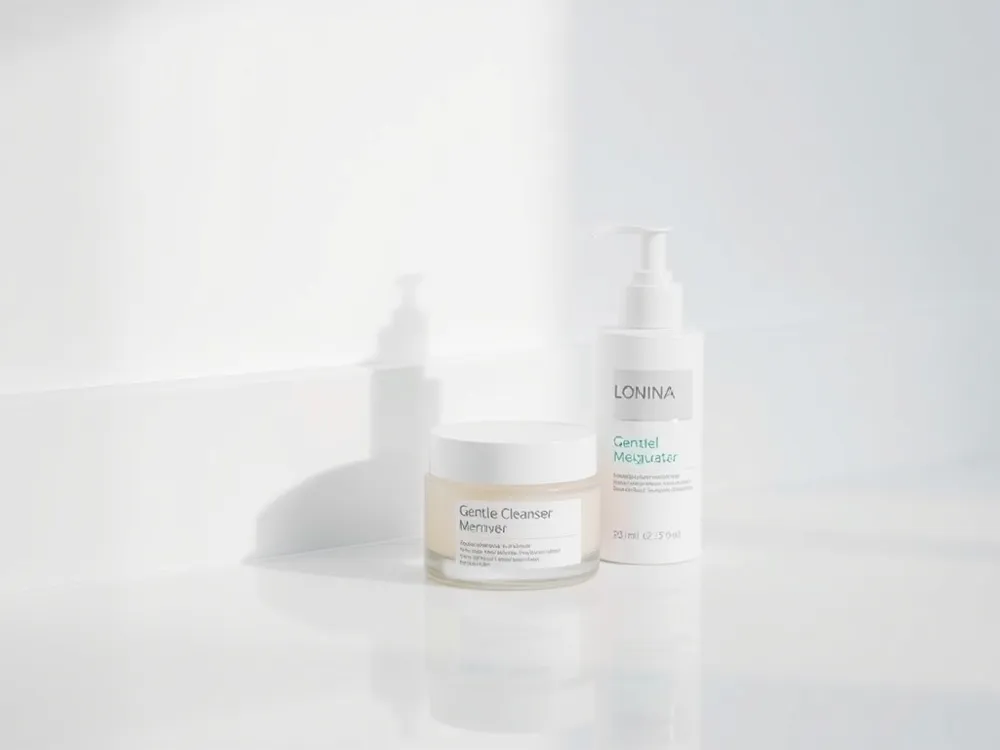
Choose a gentle, fragrance-free, and sulfate-free cleanser.
Cleansing should be a gentle, non-stripping experience. Your goal is to remove impurities without disrupting the fragile new skin. Reach for a non-foaming, soap-free formula that lists mild surfactants like coco glucoside or lauryl glucoside instead of sulfates. Avoid any product that creates a rich lather, as those can be too drying.
Moisturize with a barrier-repair formula, such as a plain occlusive.
Your skin's barrier is temporarily open and vulnerable. The best approach is to use a simple occlusive like petroleum jelly (a gold standard for post-procedure healing) or a gentle ceramide cream such as Vanicream or Aquaphor. These products lock in moisture and provide a protective seal without adding potentially irritating active ingredients.
Do not apply makeup for at least 24-48 hours.
During the first one to two days, your skin needs to breathe and heal without interference. Makeup can trap bacteria against the healing surface, impede the skin's natural repair processes, and increase the risk of infection or irritation. For more intensive laser types, your provider may advise extending this waiting period further.
Apply a mineral sunscreen (SPF 30+) every morning as your final step.
Sun protection is non-negotiable, even if you plan to stay indoors. UV rays can penetrate windows and trigger post‑inflammatory hyperpigmentation after laser treatment, undoing your laser results. Use a broad-spectrum mineral sunscreen containing zinc oxide or titanium dioxide, as these physical blockers sit on the skin's surface and are less likely to irritate freshly treated skin than chemical filters. Apply it as the very last step of your morning routine.
| Ingredient Category | Red Flags to Avoid | Safe/Beneficial Ingredients to Look For |
|---|---|---|
| Cleansers | Sulfates (SLS, SLES), fragrance, alcohol denat., exfoliating acids (AHA/BHA) | Coco-glucoside, lauryl glucoside, sodium cocoyl isethionate, glycerin, panthenol |
| Moisturizers | Retinoids, vitamin C, AHAs/BHAs, benzoyl peroxide, essential oils, fragrance | Petrolatum, dimethicone, ceramides, hyaluronic acid, squalane, shea butter |
| Sun Protection | Chemical UV filters (oxybenzone, avobenzone), fragrance, alcohol denat. | Zinc oxide, titanium dioxide (non‑nano) |
Lifestyle Considerations to Protect Your Investment
The success of your laser treatment depends as much on what you do between appointments as on the procedure itself. Your skin is in a vulnerable, highly active healing state, and your daily habits directly influence the speed and quality of recovery.
Avoid alcohol and smoking for the first week – they dehydrate the skin and slow repair.
Alcohol is a diuretic, meaning it pulls water from your body and dehydrates your skin cells, which slows down the healing process. Smoking restricts blood flow to the skin's surface, depriving the healing tissue of the oxygen and nutrients it needs. For the first week after your session, eliminating both will give your skin the best chance to recover without added stress.
Maintain a diet rich in antioxidants (berries, green tea, leafy greens) to support healing from the inside out.
Food is a powerful tool. Antioxidants found in berries, leafy greens, and green tea help combat inflammation and protect new skin cells from environmental damage. Hydrating fruits and vegetables also contribute to your overall fluid intake, supporting your skin's natural repair mechanisms.
Prioritize sleep and hydration – well-rested, hydrated skin recovers faster.
Your skin does most of its repair work while you sleep. Aim for 7-9 hours of quality rest each night. Along with sleep, drinking plenty of water throughout the day ensures your cells have the hydration they need to function optimally and maintain a healthy barrier.
Do not pick, rub, or scratch the treated area; this can lead to scarring or infection.
It is natural to feel itching or tightness as your skin heals, but touching the area is one of the biggest risks to your results. Picking at flaking skin, rubbing the area, or scratching an itch can introduce bacteria and cause micro-tears in the fragile new tissue. This can lead to infection, scarring, or uneven pigmentation. Let your skin shed naturally.
| Lifestyle Factor | Why It Matters | Recommended Action |
|---|---|---|
| Alcohol | Diuretic; dehydrates cells, slows repair | Avoid completely for the first week |
| Smoking | Restricts blood flow; deprives skin of oxygen and nutrients | Avoid completely for the first week |
| Diet | Antioxidants fight inflammation; hydration supports cells | Eat berries, leafy greens; drink green tea |
| Sleep | Primary time for skin cell repair and regeneration | Aim for 7-9 hours nightly |
| Hydration | Keeps cells functioning and barrier healthy | Drink plenty of water throughout the day |
| Picking / Rubbing | Causes micro-tears, introduces bacteria, leads to scarring | Never touch, pick, or scratch the treated area |
When All Else Fails, Consult Your Provider
When All Else Fails, Consult Your Provider
Post-laser care requires a personalized strategy based on your skin type and technology used. Ablative lasers typically demand 7 to 10 days of initial healing with weeks of residual redness, while non-ablative treatments may resolve in 1 to 2 days. Patients with darker skin tones face a heightened risk of post-inflammatory hyperpigmentation, needing stricter ingredient avoidance. Your provider knows your exact treatment parameters, so following their customized aftercare instructions is essential.
Contact your practitioner immediately if you experience:
- Intensifying pain or severe swelling.
- Purulent discharge or pus.
- Redness persisting beyond the expected timeline.
- Sudden, uneven pigmentation or blistering.
Reintroducing actives requires clinician confirmation of epidermal closure, usually 10 to 14 days. Regular check-ins allow your provider to adjust recommendations for unexpected reactions, ensuring your routine evolves safely alongside your healing.
The Bottom Line
The bottom line for post-laser skincare is simple: trust the ingredient list, not the marketing. The INCI order tells you exactly what is in the product and how much, making it your most reliable guide. Ignore buzzwords like "natural" or "dermatologist-tested" and scan for proven irritants like fragrance, alcohol, and exfoliating acids.
For the first two weeks, a three-step framework is all you need: gentle cleansing, barrier-repair moisturizing, and mineral sunscreen. Use products with ceramides, hyaluronic acid, and panthenol, and avoid any active ingredients that stimulate or exfoliate the skin. Nothing more is required.
Patience is the most important active ingredient. Giving your skin the time it needs to heal without unnecessary products yields the best long-term results. A slow, simple recovery protects your investment in the laser treatment and ensures healthier, more radiant skin.
| Phase | Primary Goal | Key Actions |
|---|---|---|
| Days 1-2 | Protect & Hydrate | Gentle cleanser, barrier ointment (e.g., petrolatum), no actives. |
| Days 3-7 | Repair & Soothe | Fragrance-free moisturizer with ceramides, mineral sunscreen. |
| Week 2 | Support & Protect | Continue barrier support, hydrate, avoid all irritants. |