

Why Smart Diets Work Without Feeling Deprived
Smart diets succeed because they match the calories you eat to the energy you expend, so you aren’t forced into drastic cuts that trigger hunger. By filling half of each plate with low‑energy‑dense vegetables and fruits, and adding whole‑grain carbs and lean proteins, you get plenty of fiber, protein, and water that keep you full while delivering essential nutrients. This approach shifts the focus from short‑term “crash” diets to lasting lifestyle habits—planning meals, choosing nutrient‑dense foods, and adding regular movement. When you enjoy balanced, satisfying meals and modest activity, the body adapts, cravings fade, and you maintain weight loss without the sense of deprivation.
Foundations of a Smart Diet
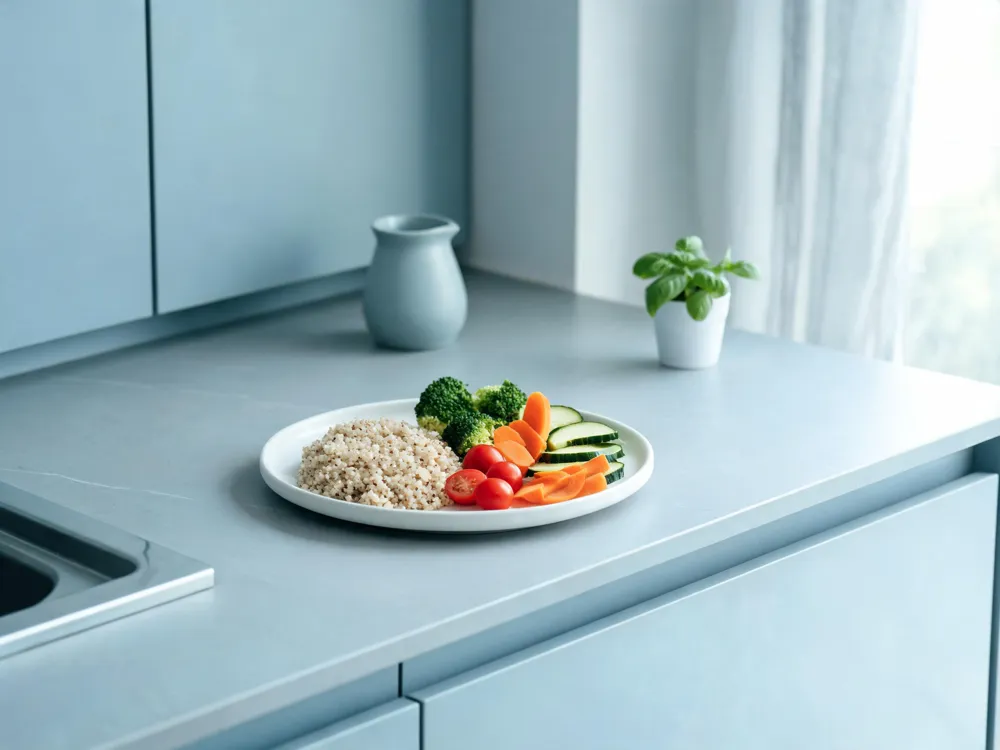 10 tips for healthy eating
Start with a balanced plate: fill half with colorful vegetables and fruits, a quarter with whole‑grain carbs, and a quarter with lean protein such as poultry, fish, beans, or nuts. Choose healthy fats like olive oil, avocado, or a handful of nuts, but keep portions modest because fats are calorie‑dense. Limit added sugars, saturated fat, and sodium by swapping sugary drinks for water, picking low‑fat dairy, and seasoning with herbs instead of salt.
10 tips for healthy eating
Start with a balanced plate: fill half with colorful vegetables and fruits, a quarter with whole‑grain carbs, and a quarter with lean protein such as poultry, fish, beans, or nuts. Choose healthy fats like olive oil, avocado, or a handful of nuts, but keep portions modest because fats are calorie‑dense. Limit added sugars, saturated fat, and sodium by swapping sugary drinks for water, picking low‑fat dairy, and seasoning with herbs instead of salt.
7 healthy eating habits
- Base meals on high‑fiber whole grains and starchy vegetables with skins. 2. Stay hydrated with water or unsweetened tea. 3. Eat fish twice weekly, especially oily varieties for omega‑3s. 4. Choose lean proteins and low‑fat dairy to curb saturated fat. 5. Prioritize whole foods over processed snacks. 6. Include modest amounts of healthy fats for satiety. 7. Enjoy all foods in moderation—avoid ultra‑restrictive diets.
Smart diet strategies Focus on nutrient‑dense foods while matching calories to activity. Fill half the plate with vegetables and fruits, use whole grains for sustained energy, and add lean protein each meal. Replace solid fats with liquid oils, cut added sugars, and practice mindful eating—slow down, savor flavors, and listen to fullness cues. These habits support sustainable weight loss, cardiovascular health, and a radiant aesthetic appearance.
Healthy diet chart
- Vegetables & fruits: ½ plate (≈2½ cups veg, 2 cups fruit) n- Whole grains: ¼ plate (≈6 oz) n- Lean protein: ¼ plate (≈5½ oz)
- Healthy oils & water: use sparingly; drink water, unsweetened tea, or coffee.
Aim for 150 min of moderate activity weekly and keep sodium < 6 g/day, added sugars < 10 % of calories, and saturated fat ≤ 30 g (men) / 20 g (women).
Portion Control and Mindful Eating
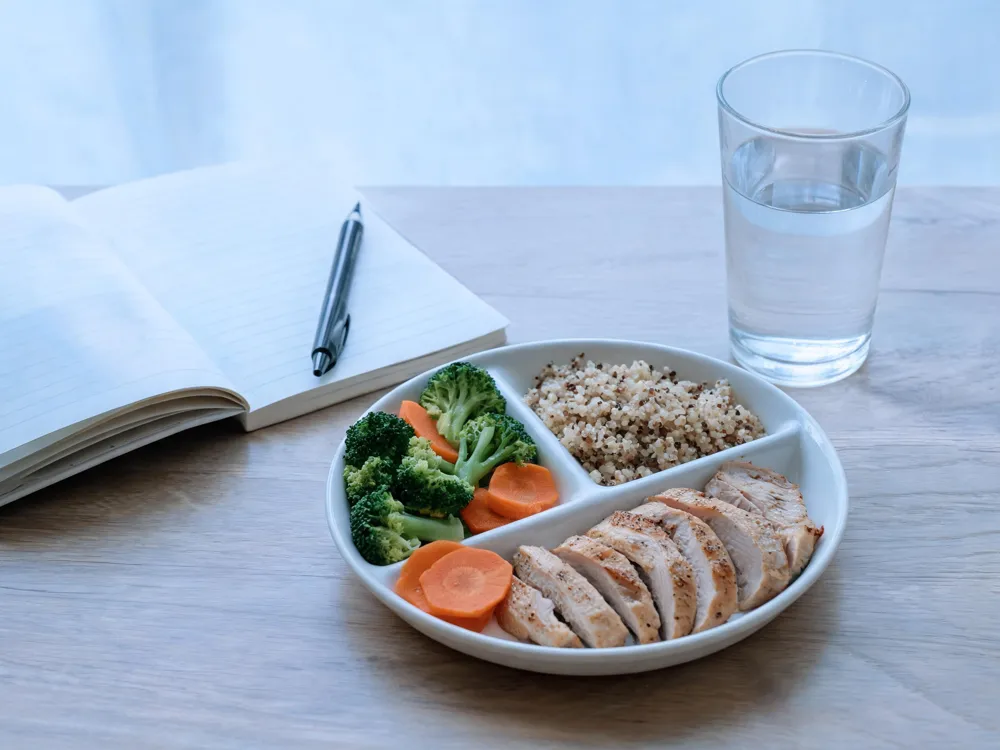 Effective weight management hinges on simple, sustainable habits that keep hunger at bay without feeling deprived. The 3‑3‑3 rule—three balanced meals, three bottles of water (≈1.5‑2 L) by mid‑afternoon, and three hours of activity each week—creates a rhythm that stabilizes blood sugar, supports metabolism, and reduces cravings. Pair this with mindful‑eating techniques: eat slowly, eliminate distractions (TV, phone), and pause halfway through the plate to assess fullness. Using smaller plates or bowls naturally limits portion size, and tracking meals in a journal or app reinforces awareness of calories and nutrients. At home, swap sugary drinks for water, prioritize fiber‑rich fruits, vegetables, whole grains, and lean proteins, and incorporate regular movement (≥150 minutes of moderate activity weekly). These strategies—portion control, mindful eating, and the 3‑3‑3 framework—deliver steady 1‑2 lb weekly loss while preserving energy, muscle mass, and overall well‑being.
Hydration and Metabolism Boosters
 Weight‑loss drink
A great weight‑loss drink is plain water—it has zero calories and can help you feel full before meals. Green tea is another excellent choice, as it’s calorie‑free and contains caffeine and catechins that may slightly boost metabolism. Black coffee is also beneficial because it’s rich in antioxidants and calorie‑free when served plain, though you should avoid adding sugar or cream. For a nutritious option, low‑sodium vegetable juice provides vitamins and fiber with far fewer calories than fruit juice. Adding these hydrating, low‑calorie beverages to your day supports the energy‑balance approach emphasized by Mayo Clinic, NHS, and CDC guidelines.
Weight‑loss drink
A great weight‑loss drink is plain water—it has zero calories and can help you feel full before meals. Green tea is another excellent choice, as it’s calorie‑free and contains caffeine and catechins that may slightly boost metabolism. Black coffee is also beneficial because it’s rich in antioxidants and calorie‑free when served plain, though you should avoid adding sugar or cream. For a nutritious option, low‑sodium vegetable juice provides vitamins and fiber with far fewer calories than fruit juice. Adding these hydrating, low‑calorie beverages to your day supports the energy‑balance approach emphasized by Mayo Clinic, NHS, and CDC guidelines.
Smart diet strategies Smart diet strategies focus on balancing calories with activity while prioritizing nutrient‑dense foods. Build meals around high‑fiber starchy carbs like whole grains or potatoes with skins, include at least five servings of fruits and vegetables, and enjoy fish twice a week—especially oily varieties for omega‑3s. Swap solid fats for modest plant oils, limit saturated fat and added sugars, and practice mindful eating such as tasting food before seasoning. Simple swaps, like using nuts or seeds for healthy fats, help create sustainable, enjoyable eating patterns that enhance weight loss without feeling deprived.
Structured Plans for Rapid Results
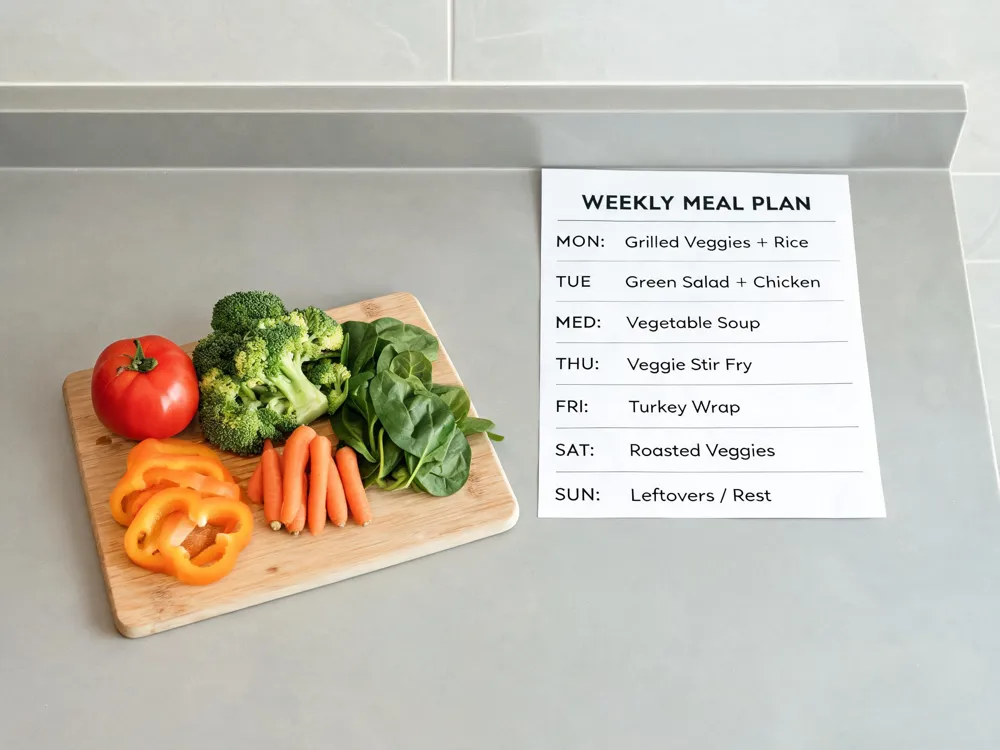 7‑day diet plan for weight loss
A short‑term plan should prioritize nutrient‑dense, balanced meals: start the day with oatmeal or Greek yogurt topped with berries, add a lunch of mixed greens, lean turkey or canned salmon, and a dinner of grilled chicken or fish with steamed vegetables and a modest portion of brown rice. Snacks such as a hard‑boiled egg, a piece of fruit, or a handful of nuts keep hunger at bay. Hydration, with water or unsweetened tea, is essential, and portion sizes should be adjusted to individual activity levels. Consulting a registered dietitian ensures the plan fits any medical needs.
7‑day diet plan for weight loss
A short‑term plan should prioritize nutrient‑dense, balanced meals: start the day with oatmeal or Greek yogurt topped with berries, add a lunch of mixed greens, lean turkey or canned salmon, and a dinner of grilled chicken or fish with steamed vegetables and a modest portion of brown rice. Snacks such as a hard‑boiled egg, a piece of fruit, or a handful of nuts keep hunger at bay. Hydration, with water or unsweetened tea, is essential, and portion sizes should be adjusted to individual activity levels. Consulting a registered dietitian ensures the plan fits any medical needs.
How can a person lose weight in 2 weeks The Mayo Clinic’s “Lose It!” phase targets a safe 1–2 lb (0.5–1 kg) loss per week by adopting five healthy habits and breaking five unhealthy ones. Low‑calorie diets of 1,200–1,800 kcal/day, time‑restricted eating (e.g., 16:8), or the 5:2 intermittent‑fasting pattern can accelerate results, but very low‑calorie diets (<800 kcal) require medical supervision. Pair calorie reduction with 30 minutes of daily aerobic activity and strength work to preserve muscle mass.
10 kg weight loss in 1 month diet chart Losing 10 kg in a month is aggressive and should only be pursued under professional guidance. A structured chart typically begins with a 1,000–1,200 kcal deficit, emphasizing lean proteins, complex carbs, abundant vegetables, and healthy fats while ensuring micronutrient adequacy. Daily movement—30 minutes of brisk walking or yoga—supports the deficit. Regular monitoring by a healthcare provider is vital to prevent nutrient deficiencies or metabolic slowdown.
10 kg weight loss in 7 days diet plan A 10 kg loss in one week is unsafe; most rapid loss comes from water, not fat. The CDC recommends a gradual 0.5–1 kg per week to avoid hormonal imbalance, muscle loss, and rebound weight gain. Extreme diets may cause dizziness, headaches, and nutrient shortfalls. Sustainable approaches focus on balanced nutrition, portion control, and modest calorie deficits.
How to lose weight fast in 2 weeks Create a 500–700 kcal daily deficit, prioritize protein (≈1.6–2.2 g/kg body weight), and combine cardio with resistance training. The Mayo Clinic “Lose It!” phase can safely shed 2.7–4.5 kg in two weeks by increasing vegetables, limiting added sugars, and moving 30 minutes daily. Very low‑calorie diets or intermittent fasting may produce faster results but must be supervised by a clinician to protect muscle, hydration, and overall health.
Exercise, Activity, and Metabolic Support
 Aerobic activity—brisk walking, jogging, cycling—for 150 minutes weekly improves calorie burn and heart health. Add strength‑training twice a week to preserve muscle, sustaining metabolism during a deficit. Movements—stairs, farther parking, standing while on calls—add calories.
Weight loss tips for women – Confirm readiness, set realistic 1–2 lb weekly goals, aim for a 5 % body‑weight loss. Track meals, prioritize fruit, vegetables, whole grains, allow treats, and seek support from friends or a clinician. Sleep and stress management are essential.
Weight loss tips for men – Aim for ~1 500–1 800 kcal, emphasizing protein, vegetables and whole grains. Combine aerobic work with resistance training for ≥150 minutes weekly, limit alcohol and sugary drinks, and monitor sleep and stress to lose 1–2 lb per week.
Smart diet strategies – Fill half the plate with vegetables and fruit, a quarter whole grains, a quarter protein, and drizzle of olive oil. Swap sugary drinks for water, practice mindful eating, and use swaps like nuts for butter.
Weight loss without diet, just exercise – Exercise alone rarely creates enough calorie deficit; pairing movement with portion control, fiber and hydration yields better results. Consult a dietitian for a plan that blends activity with nutrition for health.
Personalization, Support, and Professional Guidance
 Setting realistic, measurable goals—such as losing 1–2 lb (0.5–1 kg) per week—provides a clear roadmap and helps keep motivation high. Tracking progress with a journal, app, or simple spreadsheet makes patterns visible and allows timely adjustments.
Support networks are a cornerstone of success. Friends, family, or online groups can offer encouragement, share recipes, and hold you accountable. A supportive environment reduces stress, which in turn curbs emotional eating.
Professional guidance ensures safety and personalization. A registered dietitian can tailor calorie targets, suggest nutrient‑dense foods (fruits, vegetables, whole grains, lean protein, healthy fats), and address medical factors such as thyroid function.
Answering common concerns:
- Will losing weight lower TSH levels? Yes; modest weight loss often reduces TSH, especially when achieved through dietary calorie restriction.
- What is the Japanese trick to lose weight? Hara Hachi Bu (stop at 80 % fullness) combined with interval walking (3 min fast, 3 min easy) promotes satiety and calorie burn without deprivation.
- How to lose weight without feeling deprived at home? Fill half the plate with fiber‑rich vegetables, sip water before meals, and incorporate short, enjoyable activity bursts.
- What diet is best for weight loss? The “best” diet is the one that fits your lifestyle, preferences, and health needs—focus on a balanced, sustainable eating pattern rather than a fad.
By integrating SMART goals, a strong support system, and expert input, you can achieve lasting weight loss while feeling empowered and nourished.
Putting It All Together – A Deprivation‑Free Path Forward
Smart‑diet foundations—balanced plates of half vegetables/fruits, a quarter whole grains, a quarter lean protein, modest healthy fats—provide low‑energy‑dense, high‑fiber foods that keep you full while cutting calories. Pairing these foods with regular aerobic activity, strength training, and mindful eating (slow bites, no screens) creates a sustainable calorie deficit of 500‑750 kcal, supporting a safe loss of 1‑2 lb per week and a 5 % weight drop that improves heart and diabetes risk. Professional support—registered dietitians, physicians, and aesthetic‑care specialists—offers accountability, personalized meal‑prep strategies, and guidance on hormone balance, sleep, and stress management. At Jana HealthCare you will receive a multidisciplinary plan that integrates nutrition counseling, exercise, and aesthetic treatments, ensuring your weight‑loss journey feels empowering and free of deprivation. Start today by scheduling a consultation, and let our team guide you toward wellbeing.