Introduction
Hormones are the body’s chemical messengers that directly influence metabolism, sleep, mood, and daily stamina, making the hormone‑energy relationship a cornerstone of female health. Empowering patients to ask specific questions, bring research, and request targeted labs turns a brief office visit into a collaborative diagnostic session. This guide walks you through the most common hormonal culprits of fatigue—thyroid, cortisol, estrogen, progesterone, and testosterone—offers practical preparation tips for appointments, and outlines how conventional medicine can be integrated with nutrition, stress‑reduction, and personalized hormone therapy to restore vitality and support overall wellness.
Hormone‑Related Fatigue – What to Look For
| Hormone | Phase/Effect | Energy Impact | Typical Symptoms |
|---|---|---|---|
| Progesterone | Peaks lutealalational after | owsamineca sleep Associatedavier, daytime grogginess | |
| Estrogen | Rising follicular, falling luteal/perimenopause | Boosts cortisol & testosterone → energy lift; drop → fatigue | Fatigue, mood swings, hot flashes |
| Thyroid (T3/T4) | Basal metabolic rate regulator | Low → slowed metabolism, fatigue; High → restlessness | Weight gain/ loss, jitteriness |
| Cortisol | Diurnal rhythm (high morning, low night) | Chronic stress flattens curve → morning sluggishness or evening burnout | Sleep disruption, irritability |
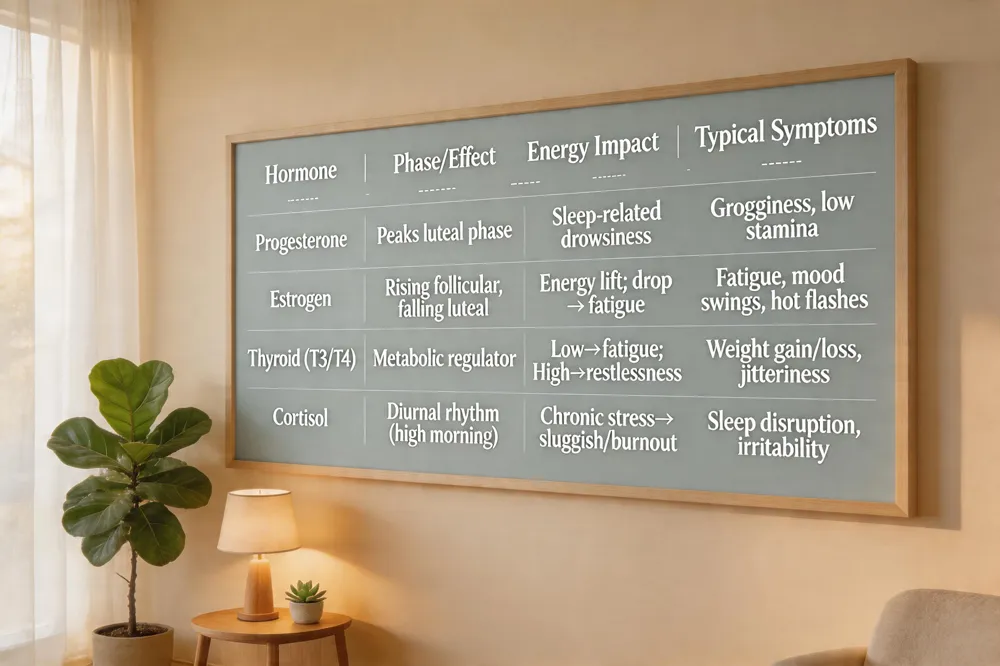 When energy wanes, the first place to look is the hormonal orchestra that drives metabolism, mood, and sleep. Progesterone and sleep – Progesterone peaks in the luteal phase and after ovulation, activating the calming neurotransmitter GABA. This promotes deeper sleep but can leave you feeling groggy during the day, especially if estrogen has dropped. Estrogen fluctuations – Rising estrogen in the follicular phase boosts cortisol and testosterone, giving a natural energy lift. A fall in estrogen during the luteal phase, perimenopause, or early menopause can blunt stamina and disrupt sleep quality. Thyroid and cortisol impact – Thyroid hormones (T3/T4) set the basal metabolic rate; hypothyroidism slows metabolism and causes fatigue, while hyperthyroidism creates restlessness. Cortisol follows a diurnal rhythm; chronic stress flattens this curve, leading to morning sluggishness or evening burnout. Common fatigue red flags – Persistent tiredness despite adequate sleep, unexplained weight changes, brain fog, irregular periods, hot flashes, low libido, hair loss, digestive upset, and mood swings all signal a possible hormonal imbalance.
What female hormone makes you tired? Progesterone is the primary hormone linked to sleepiness, especially when its levels peak in the luteal phase.
What are the 11 signs that your hormones are out of balance? Fatigue, weight gain, mood swings, brain fog, irregular periods, low libido, insomnia, hair loss, digestive issues, hot flashes, and skin changes.
How do I know if my fatigue is hormone‑related? If tiredness coincides with any of the above signs—particularly around menstrual changes, menopause, or chronic stress—order a comprehensive hormone panel (thyroid, cortisol, estrogen, progesterone, testosterone) and consult a clinician for personalized treatment, which may include lifestyle tweaks, nutrition, stress‑reduction, or bioidentical hormone therapy.
Weight, Metabolism and Energy: Hormonal Drivers
| Hormone / Factor | Effect on Weight & Energy | Management Approach |
|---|---|---|
| Thyroid (T3/T4) | Low → slower metabolism, weight gain; High → jitteriness, weight loss | Thyroid panel, levothyroxine if needed, iodine‑rich foods |
| Insulin resistance | Promotes abdominal fat storage | Low‑glycemic diet, fiber, lean protein, regular exercise |
| Cortisol (chronic stress) | Increases visceral fat, cravings | Stress‑reduction, adequate sleep, adaptogens (ashwagandha) |
| Estrogen / Progesterone | Fluctuations shift fat to hips/belly | Bioidentical HRT if appropriate, strength training |
| Adrenaline (epinephrine) | Immediate energy boost | Balanced cardio, avoid excessive stimulants |
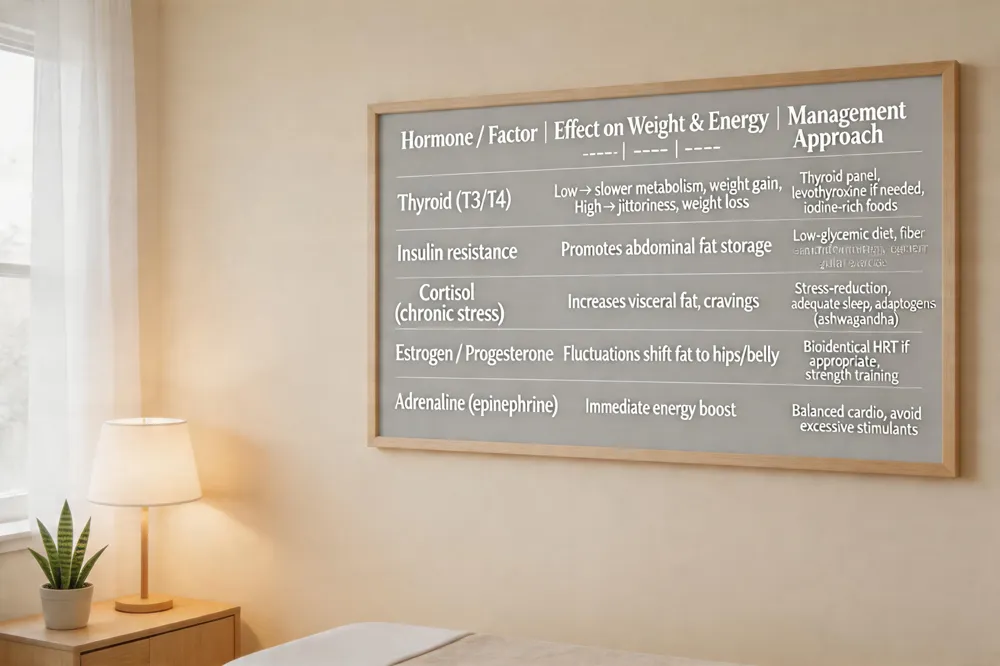 Thyroid metabolism – Thyroid hormones (T₃, T₄) set the basal metabolic rate. Low thyroid slows calorie burn, encouraging fat storage, while excess thyroid can cause weight loss and jitteriness. Regular testing and, if needed, low‑dose levothyroxine can restore balance.
Insulin resistance – When cells resist insulin, glucose is shunted to fat, especially around the waist. A diet rich in fiber, lean protein, and healthy fats, combined with moderate aerobic activity, helps improve insulin sensitivity and curb abdominal weight.
Cortisol and visceral fat – Chronic stress drives cortisol spikes that promote visceral fat accumulation and appetite for high‑calorie foods. Mind‑body practices (yoga, meditation) and adequate sleep lower cortisol, supporting a slimmer torso.
Estrogen & progesterone – Fluctuations during menstrual cycles, perimenopause, or menopause shift fat distribution toward the hips and belly. Bioidentical hormone therapy or lifestyle tweaks (balanced nutrition, strength training) can mitigate these changes.
Can a hormone imbalance cause weight gain? Yes, hormonal imbalances are a common cause of unexplained weight gain. When thyroid hormones are low, metabolism slows, making it easier to store fat. Elevated insulin or insulin resistance promotes excess glucose being converted into abdominal fat, while high cortisol from chronic stress encourages the body to retain calories and build visceral fat. Fluctuations in estrogen and progesterone—particularly during menopause or menstrual cycle changes—can also shift fat distribution to the belly and hips. Addressing these underlying endocrine issues through testing, lifestyle changes, and appropriate medical treatment can help restore a healthier weight.
What hormone gives the body extra energy? Adrenaline (also called epinephrine) is the primary hormone that instantly gives the body extra energy. Released from the adrenal medulla during stress or excitement, it quickly mobilizes glucose and fatty acids, widens airways, and redirects blood flow to muscles, producing a rapid boost in strength, alertness, and stamina. Cortisol, another adrenal hormone, also contributes by increasing blood‑sugar levels and breaking down fats and proteins during prolonged stress, providing a more sustained energy supply. Thyroid hormones (T₃ and T₄) regulate the overall metabolic rate, influencing how efficiently the body converts food into energy over time. Together, these hormones ensure both immediate and long‑term energy availability when the body needs it.
Which hormone helps regulate energy levels? Thyroid hormones are the primary regulators of metabolism and therefore play a central role in controlling energy levels. Cortisol, the stress hormone, also influences energy by helping the body mobilize fuel during physical or emotional stress. Insulin contributes by converting glucose from food into usable cellular energy. In both men and women, testosterone and estrogen can affect stamina and overall vitality. When any of these hormones are out of balance, fatigue and low energy often result.
Genetics, Methylation and Hormone Health
| Gene / Factor | Role in Hormone Health | Supporting Nutrients |
|---|---|---|
| MTHFR (C677T/A1298C) | Converts folate → 5‑MTHF; impacts estrogen metabolism, neurotransmitters | Folate (leafy greens, legumes), methyl‑folate, B12, riboflavin, betaine |
| Homocysteine (elevated) | Marker of poor methylation → cardiovascular risk, fatigue | B‑vitamins (B6, B12, folate), choline |
| Estrogen metabolism | Influenced by methylation capacity | Phyto‑estrogens (soy, flax), cruciferous veg |
| Neurotransmitter synthesis | Requires methyl groups (serotonin, dopamine) | SAMe, magnesium, zinc |
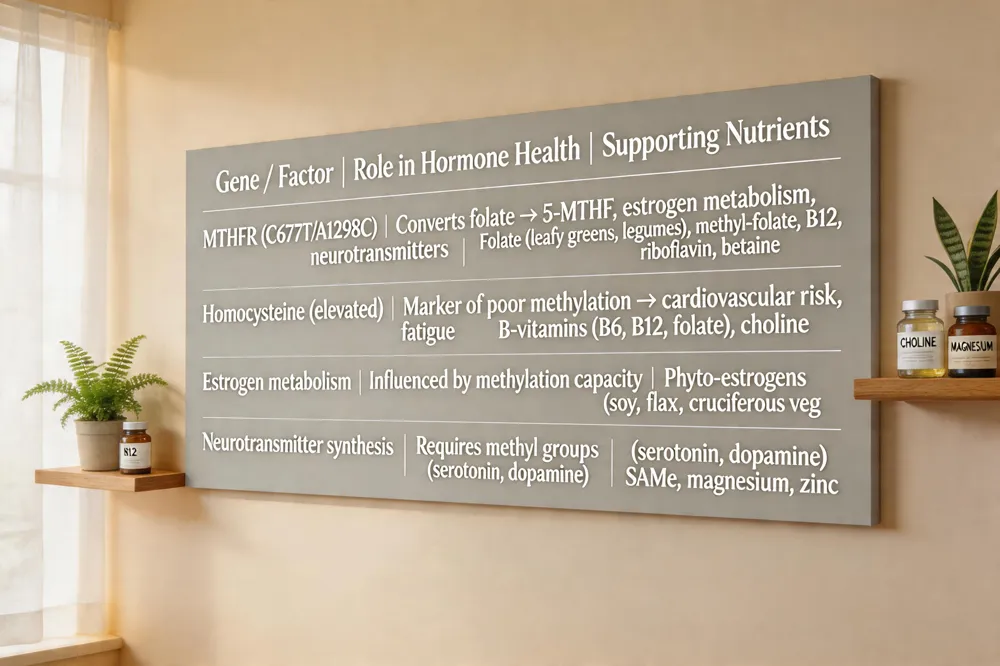 MTHFR (methylenetetrahydrofolate reductase) is a key enzyme that converts dietary folate into 5‑MTHF, the active form used in the body’s methylation cycle. When common variants such as C677T or A1298C reduce enzyme activity, methylation slows, affecting estrogen metabolism, neurotransmitter synthesis, and hormone balance. This can lead to estrogen‑dominant profiles, irregular periods, mood swings and low energy. Supporting methylation with nutrients—folate‑rich foods like leafy greens and legumes, vitamin B12, riboflavin, and betaine—helps restore the pathway. Clinicians can order a targeted MTHFR genetic panel and blood tests for homocysteine, then tailor supplementation (e.g., methyl‑folate, B‑complex) to each patient’s needs, improving hormonal health and overall vitality and personalized care further enhance results for each individual's unique hormone profile today. In addition, exercise, stress‑reduction practices such as yoga, and adequate sleep reinforce methylation efficiency, making a wellness plan essential for energy and mood stability.
Hormone Therapy: Questions, Checklist and Supplements
| Question / Topic | Key Points / Recommendations |
|---|---|
| Is HT appropriate for me? | Review symptom severity, risk factors, contraindications |
| Benefits vs. Risks | Improves vasomotor symptoms, bone density; monitor breast, clot, cardiovascular risk |
| Duration & Dose | Use lowest effective dose, reassess annually |
| Monitoring Plan | Labs (FSH, estradiol, thyroid, lipids) every 3‑6 months, symptom tracking |
| Non‑hormonal alternatives | Lifestyle changes, acupuncture, SSRIs for hot flashes |
| Top Supplements | Black cohosh, soy isoflavones, vitamin D, calcium, omega‑3s, L‑theanine |
| Joint‑pain focus | Omega‑3s + glucosamine + vitamin D; consider Zyflamend™ |
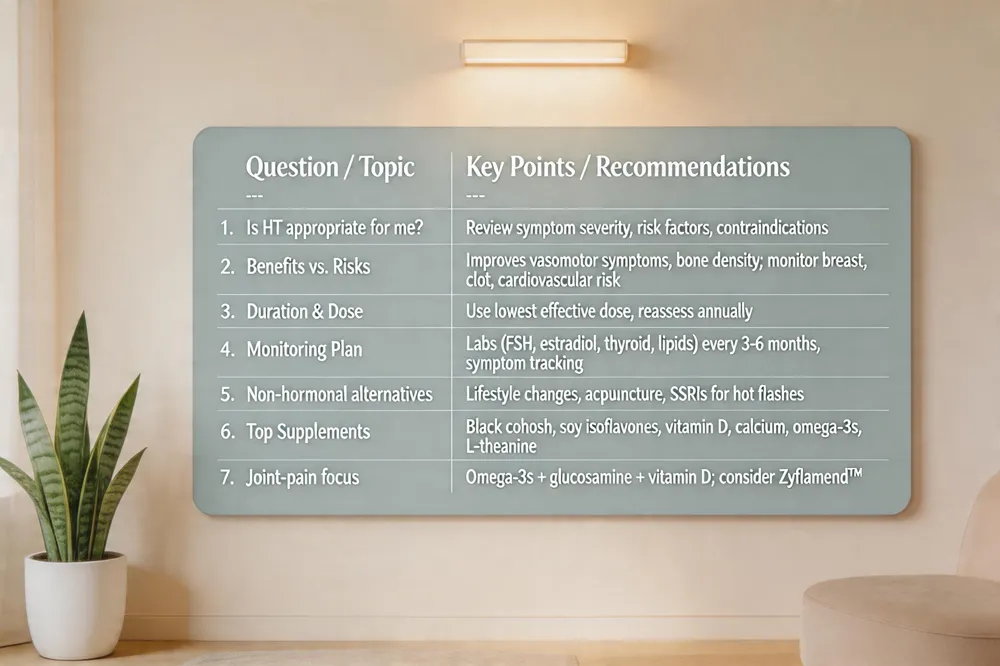 When you’re navigating hormone therapy during menopause, the right questions, a thorough doctor checklist, and evidence‑based supplements can make all the difference.
What questions should I ask my doctor about hormone therapy? Ask whether hormone therapy is appropriate for you and why it’s recommended. Inquire about the expected benefits, serious risks, and common side effects. Clarify the shortest duration needed and the lowest effective dose. Discuss non‑hormonal alternatives or lifestyle changes that could help. Finally, request a monitoring plan: how often labs will be drawn, warning signs to watch for, and how adjustments will be made.
What should be included in a menopause doctor checklist? A comprehensive checklist starts with a detailed symptom review (hot flashes, night sweats, sleep, mood swings, vaginal dryness, skin/hair changes, memory issues). Capture medical history, diet, exercise, smoking, alcohol, and stress levels. Objective assessments should include bone‑density testing, cardiovascular risk labs (lipids, BP), hormone panels (FSH, estradiol, thyroid), glucose, vitamin D, and lipid profile. Screen for mental‑health and sexual‑health concerns, discuss pharmacologic and non‑pharmacologic options, and document personal goals for a personalized, multidisciplinary plan.
What are top‑rated supplements for menopause? Clinicians often recommend black cohosh, soy isoflavones, vitamin D, calcium, and omega‑3 fatty acids for bone health and hot‑flash reduction. Asian ginseng and L‑theanine may improve libido, reduce stress, and enhance sleep. St. John’s wort, pollen extract, and adaptogenic blends can help mood and energy, though evidence varies. Wild yam, evening‑primrose oil, and dong quai lack strong support and are generally not advised. Always discuss supplements with your provider.
What supplement is best for menopause and joint pain? Omega‑3 fatty acids are a top choice for their anti‑inflammatory effects, joint lubrication, mood, and cardiovascular benefits. Pair them with glucosamine (often with chondroitin) to protect cartilage and relieve stiffness. Vitamin D is essential for bone density and muscle function, reducing pain and osteoporosis risk. For targeted relief, the herbal blend Zyflamend™ has shown promise in easing joint discomfort during hormonal transitions. Combining these supplements offers a comprehensive approach to menopausal symptoms and joint health.
Menopause, Energy and Lifestyle Strategies
| Strategy | Benefit | Practical Tip |
|---|---|---|
| Low‑dose HRT | Restores estrogen → better brain chemistry, sleep, mitochondria | Discuss personalized dosing with clinician |
| Exercise (aerobic + strength) | Improves mood, bone density, insulin sensitivity | 150 min moderate cardio + 2 strength sessions/week |
| Stress‑reduction (yoga, meditation) | Lowers cortisol, reduces visceral fat | 10‑15 min daily mindfulness practice |
| Omega‑3 intake | Anti‑inflammatory, supports joint health, mood | 2 g EPA/DHA from fish or supplement |
| Sleep hygiene | Balances cortisol, supports hormone regulation | Consistent bedtime, dark room, limit screens |
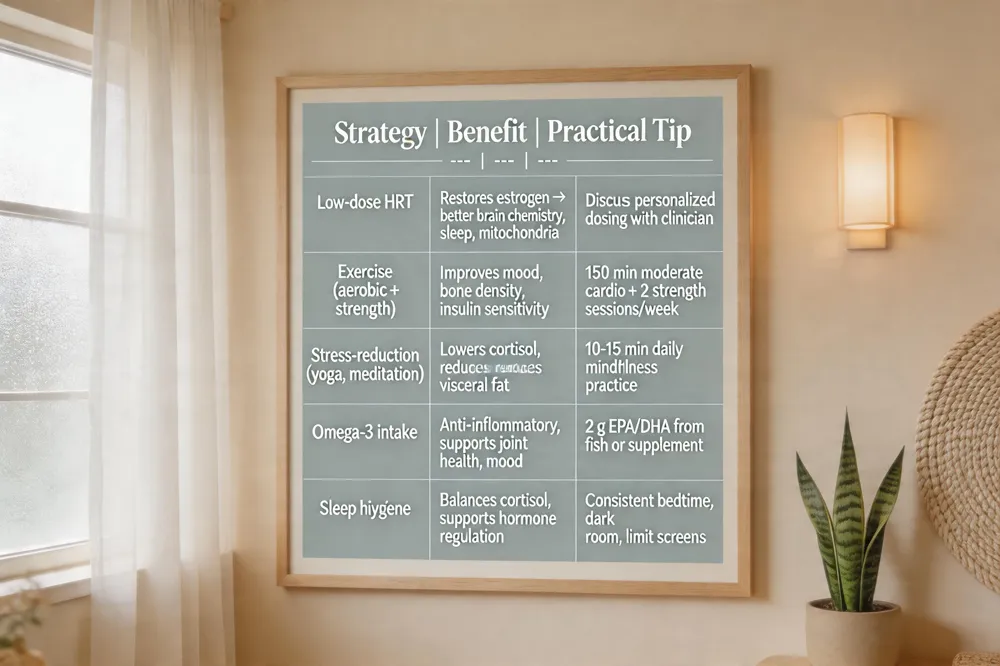 When estrogen drops in perimenopause and menopause, many women notice a dip in stamina, mood and and overall vitality. Estrogen supports brain chemistry, sleep quality and mitochondrial efficiency, so restoring it—often with low‑dose, personalized HRT—can lift energy, though risks must be weighed with a clinician.
Pain relief is partly mediated by endogenous opioids such as beta‑endorphin and enkephalins, and by oxytocin, which dampen pain signals and are released during exercise, laughter or massage.
‘Adrenal fatigue’ is not a medically recognized diagnosis; the vague symptoms it describes (tiredness, cravings, sleep trouble) usually stem from thyroid imbalance, anemia, depression or true adrenal insufficiency, all of which require proper testing and may‑based management.
Adrenaline (epinephrine) fuels the fight‑or‑flight response, raising heart rate, blood pressure and glucose availability for rapid action and is used clinically in emergencies.
Bone health after menopause hinges on adequate vitamin D, calcium and weight‑bearing activity. Aim for 150 minutes of moderate aerobic exercise (walking, swimming) plus two strength sessions weekly; yoga and low‑impact cardio are gentle on joints.
Joint‑support supplements such as omega‑3s, turmeric curcumin, and magnesium‑rich foods can ease inflammation and improve mobility, complementing a balanced diet and active lifestyle.
Practical Hormonal Health Checklist
| Checklist Item | Details / Examples |
|---|---|
| Symptom Diary | Record fatigue, mood, menstrual changes, hot flashes, sleep quality |
| Medical History | Thyroid issues, family hormone disorders, medication list |
| Labs | Thyroid panel, cortisol, estradiol, progesterone, testosterone, vitamin D, lipids |
| Lifestyle Review | Diet quality, exercise routine, sleep hygiene, stressors |
| Bone Health | DEXA scan, calcium & vitamin D intake, weight‑bearing activity |
| Follow‑up | Repeat labs every 3‑6 months, track symptom changes, adjust therapy as needed |
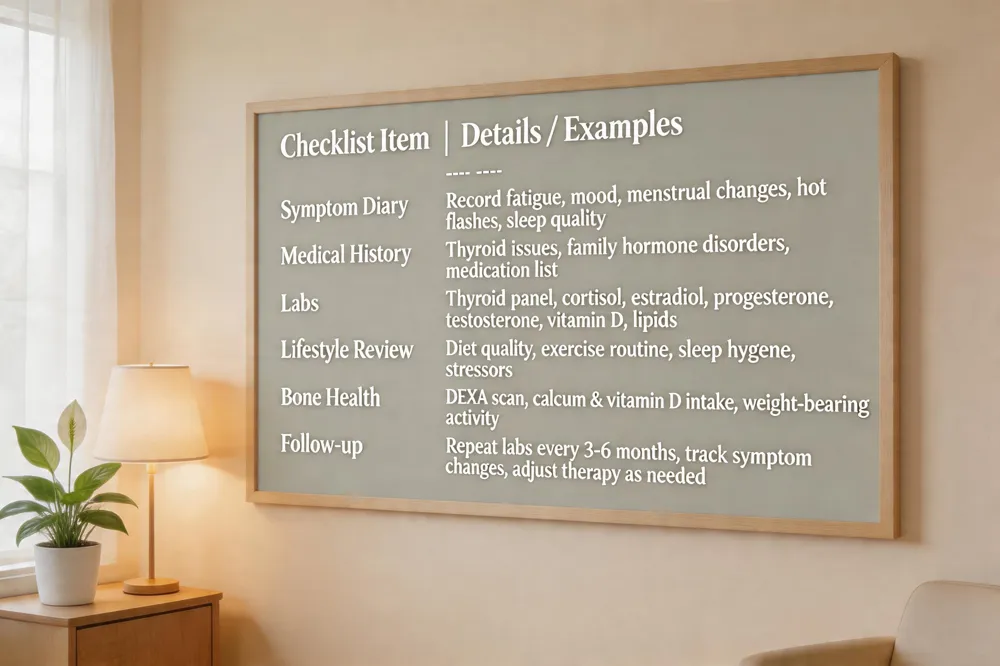 • Patient advocacy & preparation: Bring a hormone quiz, home‑test results, and a symptom diary to your visit; ask specific questions about menstrual changes, family thyroid history, and desired labs. • Integrative care & referrals: If your PCP isn’t comfortable, request a referral to an endocrinologist or a clinician experienced in hormone‑balancing nutrition, herbal medicine, or health coaching. • Lifestyle tweaks for energy: Eat balanced meals with protein, whole‑grain carbs, and omega‑3s; prioritize 150 min of moderate exercise weekly; practice stress‑reduction (yoga, meditation) to keep cortisol steady. • Monitoring & follow‑up: Schedule repeat blood panels (thyroid, estrogen, progesterone, testosterone, cortisol) and track symptom changes; adjust therapy as needed.
Common symptoms: irregular periods, fatigue, mood swings, weight shifts, skin changes, low libido, sleep issues, hot flashes.
Motivation hormone: dopamine drives reward‑seeking behavior.
Pre‑period fatigue: rising progesterone (and falling estrogen) induces sleepiness.
Post‑menopause strength training: 2‑3 weekly sessions, 6‑12 reps of major lifts, progressive overload, plus weight‑bearing cardio for bone health.
Adrenal fatigue: a non‑medical term; focus on sleep, nutrition, and stress management rather than unproven supplements.
Curing imbalance: comprehensive evaluation, whole‑food diet, regular activity, stress control, and, when needed, personalized hormone therapy under qualified supervision.
Conclusion
Key takeaways: Hormonal imbalances—thyroid, estrogen, progesterone, cortisol, testosterone—directly affect energy, mood, and metabolism. Accurate testing and clear communication with a knowledgeable provider are essential. Next steps: Track symptoms, complete a hormone‑assessment quiz, bring test results and research to appointments, and discuss targeted labs or referrals (e.g., endocrinology, BHRT specialists). Resources and support: reputable online hormone quizzes, at‑home testing kits, certified menopause clinics, patient‑review sites, and integrative wellness programs that combine nutrition, exercise, and mind‑body practices for lasting vitality.