The Growing Gap Between Clinical Care and DIY Apps
Evidence‑based medical weight‑management programs matter because they begin with a comprehensive health assessment—laboratory labs, medication review, and screening for hormonal or metabolic disorders—that generic apps simply cannot provide. This personalized foundation allows clinicians to set realistic 5‑10 % weight‑loss goals, monitor blood pressure, glucose, and lipid changes, and adjust therapy (including FDA‑approved GLP‑1 agonists) in real time, reducing safety risks that often accompany rapid, restrictive fad diets.
Self‑guided diet apps suffer key limitations: they rely on self‑reported weight and food entries, lack professional oversight, and often omit crucial behavior‑change counseling, stress‑management, and comorbidity monitoring. Engagement drops sharply after a few weeks, leading to modest, short‑term loss and high regain rates.
A multidisciplinary approach—physician, dietitian, exercise physiologist, and mental‑health counselor—offers balanced nutrition, tailored activity plans, habit‑formation coaching, and ongoing accountability. This team‑based model integrates prescription medications when needed and provides insurance‑covered, sustainable pathways that outperform isolated app use.
Brooklyn’s Medical Weight‑Loss Hub
 Weight loss clinic in Brooklyn
Jana HealthCare’s Brooklyn site offers a full‑service weight‑loss clinic that blends medical, nutritional, and aesthetic care. Board‑certified physicians conduct a comprehensive health assessment, then design a personalized plan that may include FDA‑approved GLP‑1 medications, tailored diet counseling, stress‑management coaching, and optional non‑invasive body‑contouring procedures. The clinic works closely with local bariatric surgeons for patients who eventually need surgical options, ensuring a seamless continuum of care.
Weight loss clinic in Brooklyn
Jana HealthCare’s Brooklyn site offers a full‑service weight‑loss clinic that blends medical, nutritional, and aesthetic care. Board‑certified physicians conduct a comprehensive health assessment, then design a personalized plan that may include FDA‑approved GLP‑1 medications, tailored diet counseling, stress‑management coaching, and optional non‑invasive body‑contouring procedures. The clinic works closely with local bariatric surgeons for patients who eventually need surgical options, ensuring a seamless continuum of care.
Weight loss clinic in NYC offering semaglutide At Jana HealthCare, semaglutide (Wegovy®/Ozempic®) is administered weekly under physician supervision. After an initial evaluation of BMI, labs, and medical history, patients receive a dosage that targets appetite suppression and better glucose control while monitoring side effects. Nutritionists provide meal‑planning support, and the wellness team adds exercise guidance and IV vitamin infusions for holistic optimization. Insurance coverage is often available, reducing out‑of‑pocket costs.
Medical weight loss in NYC NYC’s medically supervised programs combine evidence‑based nutrition, metabolic testing, and GLP‑1 agonists (semaglutide, tirzepatide) with behavioral therapy and, when needed, bariatric surgery. Multidisciplinary teams—physicians, dietitians, psychologists, and exercise physiologists—address hormonal, metabolic, and lifestyle barriers. Jana HealthCare extends this model by integrating cosmetic dermatology and wellness services, delivering a comprehensive approach that promotes sustainable weight loss and overall well‑being.
App‑Based Tools: What Works and What Doesn’t
 When patients ask which digital tools can truly support a medically supervised weight‑loss plan, the evidence points to a few stand‑outs. Best overall weight‑loss app – Noom combines cognitive‑behavioral therapy, personalized meal‑planning, and daily education, making it the most science‑backed choice for habit change. Its community and professional‑like support echo the multidisciplinary approach of programs at VitalCare Family Practice.
Simple app review – Simple AI Weight Loss & Health scores 4.5‑5 on Google Play and 4.7‑star on the App Store. The AI coach Avo, photo‑based nutrition feedback, and beginner‑friendly workouts keep users engaged, though recent UI tweaks have drawn mixed reactions.
Free weight‑loss apps – MyFitnessPal offers a robust free tier with a 20‑million‑item food database, barcode scanning, and basic workout tracking. Lose It! also provides free calorie budgeting and voice/photo logging. Both sync with wearables, allowing clinicians to monitor intake without a subscription.
Free intermittent‑fasting apps – Zero (iOS) and Fasting – Intermittent Fasting (Android) give a timer, streaks, water logging, and basic meal tracking at no cost, with optional premium upgrades for deeper analytics.
MyFitnessPal overview – Beyond its free features, Premium adds ad‑free use, detailed macro reports, and personalized goals, helping patients align daily logging with the nutrition counseling they receive from a medical team.
Clinical Trials, Medications, and Insurance
 Weight‑loss research offers both paid and free clinical trials across the United States. Paid studies, often sponsored by pharmaceutical companies such as Eli Lilly and Novo Nordisk, compensate participants for time and travel while testing GLP‑1 therapies, combo agents like cagrilintide + semaglutide, and adolescent‑focused treatments. Free trials, listed on ClinicalTrials.gov or the NIDDK site, cover all study costs and may provide modest stipends; major New York institutions (NYU Langone, Columbia, Mount Sinai) regularly run obesity trials with no charge to participants. When you locate a trial—especially one near you—review eligibility (BMI, comorbidities) and discuss it with your primary‑care clinician to ensure safety and alignment with your wellness goals.
Jana HealthCare’s board‑certified physicians can prescribe FDA‑approved weight‑loss medications, including GLP‑1 agonists (semaglutide/Wegovy, tirzepatide/Zepbound), Saxenda, Contrave, and Orlistat, integrated with nutrition counseling, behavior coaching, and lifestyle guidance. Insurance plans such as HealthPartners often cover these drugs for patients with a BMI ≥ 30 (or ≥ 27 with risk factors) who have completed a documented weight‑loss program; coverage includes regular follow‑ups and may extend to bariatric surgery when medically necessary.
Among medications, semaglutide (Wegovy) consistently delivers the highest average weight loss—about 14‑17 % of baseline weight after a year—making it the most successful option in current trials. Zepbound (tirzepatide) shows comparable results, while oral GLP‑1 agents like forayo (forglipron) are emerging as effective alternatives. Individual response varies, so a personalized, medically supervised plan is essential for optimal, sustainable outcomes.
Multidisciplinary Expertise: Doctors, Programs, and Surgery
 Choosing the right weight‑loss partner begins with understanding the spectrum of care available in New York City and beyond. Best weight‑loss doctor in NYC – Dr. Oksana Aron, MD, leads a Brooklyn clinic that blends FDA‑approved GLP‑1 medications, customized nutrition, and one‑on‑one coaching to tackle obesity’s root causes. She works alongside the NYU Langone Weight Management Program, where experts such as Dr. Holly Lofton and Dr. Christine Ren‑Fielding offer both medical and surgical pathways, including bariatric surgery performed by high‑volume surgeons. Non‑surgical weight‑loss doctors – Board‑certified physicians evaluate hormonal, metabolic, and lifestyle factors, then craft personalized plans with dietitians, exercise specialists, and psychologists. Jana HealthCare in Brooklyn exemplifies this model, providing prescription anti‑obesity drugs, meal‑replacement guidance, and regular follow‑ups to sustain results without surgery. Weight management and bariatric surgery – For patients needing a more definitive solution, Jana HealthCare offers minimally invasive procedures—sleeve gastrectomy, Roux‑en‑Y gastric bypass, and robotic‑assisted options—paired with pre‑ and post‑operative education, a, and aesthetic‑wellness support to preserve confidence and skin tone. NYU Langone Weight Management Program – Accredited by MBSAQIP, it delivers a full continuum from lifestyle counseling to bariatric surgery across Manhattan, Brooklyn, and Long Island, integrating medical, behavioral, and aesthetic care. Minneapolis and St. Paul options – Allina Health’s clinics and RescueMD’s virtual program provide evidence‑based medical supervision, GLP‑1 pharmacotherapy, and surgical routes, ensuring personalized, sustainable weight loss in the Twin Cities. offers multidisciplinary oversight—physicians, dietitians, surgeons, and wellness specialists—ensures safe, effective, and lasting transformation.
Lifestyle Foundations, Tools, and Real‑World Results
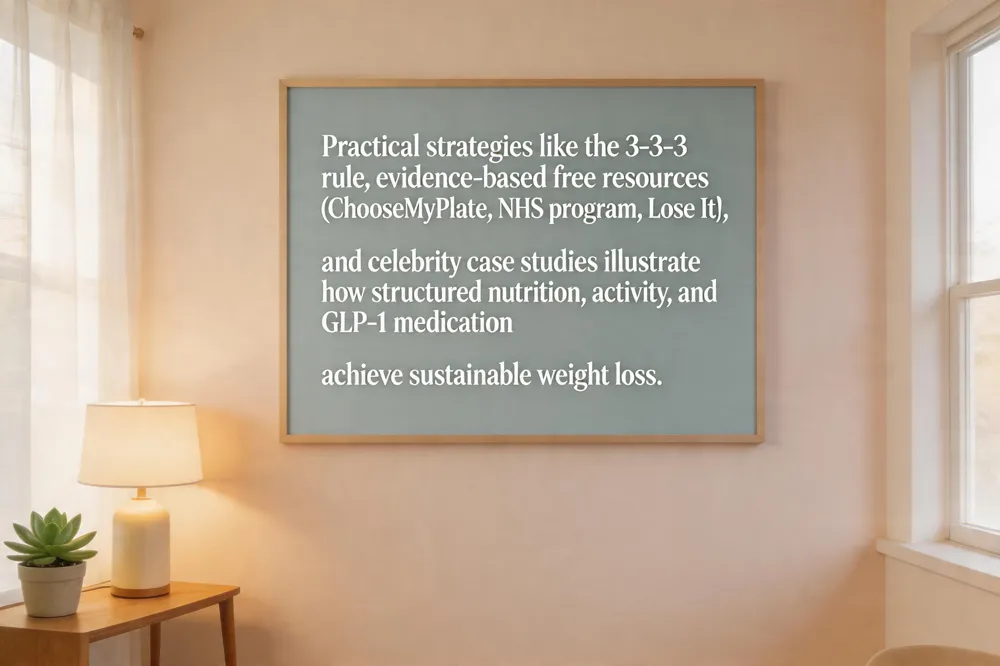 The 3‑3‑3 rule simplifies meals by pairing one protein (e.g., chicken, Greek yogurt, eggs), one healthy fat (avocado, olive oil, nuts) and one carbohydrate (quinoa, sweet potato, berries) at each eating occasion. Rotating these nine foods reduces decision fatigue, stabilizes blood sugar, and promotes satiety, making sustainable weight loss easier.
Medical weight‑loss programs are worth the investment. They combine personalized, evidence‑based nutrition, activity, and behavioral counseling with physician oversight. This model uncovers hidden issues such as hormonal imbalances, allows safe use of FDA‑approved GLP‑1 medications, and provides ongoing accountability—resulting in higher long‑term success and broader health benefits.
Free programs that truly work rely on solid science: USDA’s ChooseMyPlate, the NHS 12‑Week Weight‑Management Programme, and free tiers of reputable apps like Lose It! or the Mayo Clinic Diet. When paired with periodic check‑ins at a multidisciplinary clinic, these resources can sustain motivation and safety.
Kelly Clarkson’s recent transformation involved increased walking, higher protein intake, and a prescription GLP‑1 injectable (e.g., semaglutide), illustrating how medical guidance amplifies lifestyle changes.
Jana HealthCare’s Weight Clinics Clinic integrates board‑certified physicians, dietitians, behavioral health experts, and aesthetic specialists to deliver personalized, evidence‑based plans—whether via in‑person visits or telehealth. Call our Brooklyn office or schedule an online consultation to start your tailored journey today.
Future Directions: Digital Integration and Research
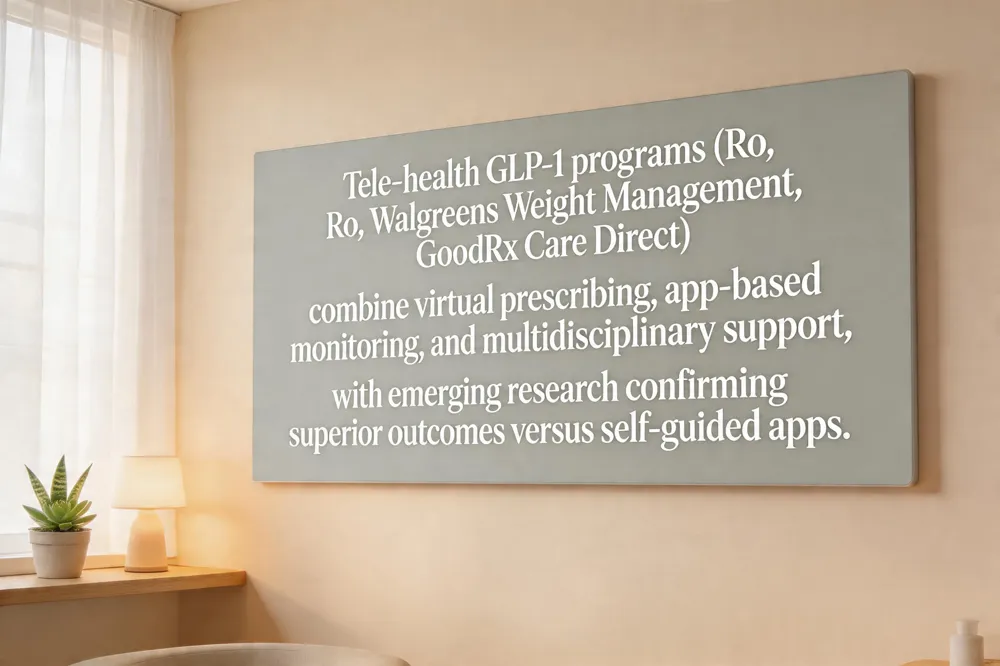 Tele‑health GLP‑1 programs are reshaping weight‑loss care by delivering FDA‑approved medications such as semaglutide and tirzepatide through virtual clinician visits, insurance‑navigation support, and monthly follow‑ups. Leading platforms—Ro, Walgreens Weight Management, and GoodRx Care Direct—pair prescription GLP‑1 agonists with structured nutrition counseling, activity‑tracker integration, and behavioral coaching, while local multidisciplinary teams like Jana HealthCare in Brooklyn add aesthetic and wellness services for a truly personalized experience.
Digital tools paired with clinical oversight amplify adherence: patients log meals, weight, and activity in an app, but a health‑care team reviews the data, adjusts medication doses, and provides real‑time feedback, preventing plateaus and ensuring safety.
Scientific basis for medical‑weight‑loss superiority is robust: randomized trials show physician‑guided programs achieve 7‑15 % body‑weight loss versus 2‑4 % with self‑guided apps, and the SIMPLE app study confirms a dose‑response between engagement and loss but also reveals rapid dropout. Ongoing clinical research—tracking BMI, blood pressure, labs, and medication effects—continues to validate the superior, sustainable outcomes of supervised, digitally‑enhanced weight‑management models.
Choosing a Path to Sustainable Health
Medical weight‑management programs offer clear clinical advantages: personalized assessments, physician‑guided nutrition, prescription‑based therapies (GLP‑1 agonists, tirzepatide), and ongoing monitoring of blood pressure, cholesterol, and glucose. This multidisciplinary approach—physicians, dietitians, psychologists, and exercise specialists—addresses hormonal, metabolic, and emotional barriers that trendy diet apps simply cannot. When technology is added thoughtfully, apps can boost engagement (self‑logging, activity tracking, smart scales) but must be paired with professional oversight to avoid the dropout and inaccurate data seen in many self‑guided studies.
Next steps: schedule a consultation with a local medical weight‑management team (such as VitalCare Family Practice in Virginia or a Brooklyn bariatric center), discuss any comorbidities, and explore whether prescription medication or a digital‑health tool could complement your personalized plan. Commit to regular follow‑ups, set realistic 5‑10% weight‑loss goals, and integrate habit‑forming coaching for lasting, aesthetic‑enhancing results.