Why Evidence Matters in the Supplement World
Navigating the world of hormone-balancing supplements can feel overwhelming, especially since they are not regulated by the FDA like prescription medications. This means manufacturers are not required to prove their products are safe or effective before selling them. The market is massive, with a global value of around $17 billion, and many products are marketed with bold claims that may outpace the science.
The Core of Hormone Health
Hormones are chemical messengers that influence everything from your mood and metabolism to your sleep and reproductive health. An imbalance can lead to symptoms like fatigue, mood swings, irregular cycles, and weight gain. While targeted lifestyle changes—such as a balanced diet, regular exercise, stress management, and quality sleep—are foundational for hormone health, many people turn to supplements for additional support. The most researched nutrients for this purpose include magnesium, vitamin D, zinc, and omega-3 fatty acids, each playing a specific role in hormone production and regulation.
Understanding Supplement Regulation
In the United States, the Dietary Supplement Health and Education Act (DSHEA) classifies supplements as food, not drugs. This means the FDA does not review them for safety or efficacy before they hit store shelves. Consequently, the quality, potency, and even the ingredients listed on a label may not be what you actually get. To ensure you are getting a quality product, look for third-party verification seals from organizations like NSF International, USP, or ConsumerLab. These certifications indicate that the product has been independently tested for purity and that it contains what the label claims.
The Weight of Clinical Evidence
When evaluating any supplement, it's crucial to distinguish between marketing hype and clinical evidence. A 2023 position statement from the Menopause Society declared that no dietary supplement or herbal remedy is considered effective for menopause relief. Many supplements, like black cohosh and red clover, have shown mixed results in studies, with any perceived benefits often being no better than a placebo. Conversely, some ingredients have stronger backing. For example, a combination of myo-inositol and D-chiro-inositol has robust evidence for improving insulin sensitivity and ovulation in women with PCOS, performing comparably to the prescription drug metformin.
An Integrated Care Approach
The most effective path to hormonal balance is an integrated one. Supplements should never be a substitute for medical advice, especially for underlying conditions. A personalized care plan, developed with a knowledgeable healthcare provider, will consider your unique symptoms, lab work, and health history. This approach combines evidence-based supplements with powerful lifestyle adjustments for sustainable, holistic wellness.
| Aspect | Key Points | Actionable Guidance |
|---|---|---|
| Regulation & Safety | Not FDA-approved; quality varies. | Choose products with USP, NSF, or ConsumerLab seals. |
| Core Nutrients | Magnesium, Vitamin D, Zinc, Omega-3s. | Prioritize these foundational supplements for hormone support. |
| Clinical Evidence | Mixed; placebo effect is strong. | Rely on ingredients like inositol for PCOS; be wary of broad claims. |
| Integrated Care | Supplements + lifestyle + medical guidance. | Consult a professional for a personalized, evidence-based plan. |
Recognizing Hormonal Imbalance: Key Signs
What are the key signs of hormonal imbalance?
Hormones are chemical messengers that influence nearly every bodily process. When they are out of balance, the symptoms can be wide-ranging and often surprising, affecting your daily life and well-being.
Irregular cycles and pelvic pain are classic signs. This can mean unpredictable periods, heavy bleeding, severe cramping, or a complete cessation of menstruation. Many women also experience trouble getting pregnant, which can be an early sign.
Persistent weight changes, especially unexplained weight gain or difficulty losing weight around the abdomen, often point to underlying hormonal issues like insulin resistance or cortisol imbalances. This can be coupled with persistent fatigue and sleep disturbances.
Hot flashes and night sweats are hallmark symptoms of perimenopause and menopause, but can also be triggered by other hormonal shifts. Mood swings, anxiety, irritability, and brain fog are common when estrogen and progesterone are fluctuating.
Changes in hair, skin, and libido are also key indicators. You may notice hair thinning on your scalp or, conversely, excessive hair growth on your face. Dry or dull skin and acne breakouts can also be linked to hormone levels, as can vaginal dryness and a low libido. Other signs include breast tenderness or changes. Recognizing these signs is the first step toward finding the root cause and pursuing effective relief. | Symptom Category | Key Indicators | Potential Underlying Causes | |---|---|---| | Menstrual & Pelvic | Irregular cycles, heavy bleeding, severe cramps, pelvic pain | PCOS, perimenopause, endometriosis, thyroid disorders | | Metabolic & Energy | Weight gain (especially belly fat), fatigue, sleep disturbances | Insulin resistance, cortisol imbalance, hypothyroidism | | Temperature & Mood | Hot flashes, night sweats, mood swings, anxiety, brain fog | Perimenopause, menopause, cortisol dysregulation | | Appearance & Sensation | Hair thinning, hair growth, acne, dry skin, low libido, vaginal dryness | Estrogen/progesterone imbalance, PCOS, androgen excess |
Hormone Replacement Therapy: What the Latest Research Shows

What is the latest research on hormone replacement therapy?
The decades-old perception of hormone replacement therapy (HRT) as broadly risky is being overturned. The FDA is initiating the removal of black box warnings from certain HRT products. This is a direct response to the 2024 JAMA study and a comprehensive scientific re-analysis of the flawed Women's Health Initiative (WHI) trial. The WHI study involved women with an average age of 63—well past typical menopause—and used a hormone formulation (Prempro) that is no longer the standard of care.
FDA label changes and cardiovascular safety
For women under 60, the latest research shows HRT carries a low risk of adverse events. The updated FDA guidance is removing warnings for cardiovascular disease, breast cancer, and probable dementia that were based on the original WHI findings. The type of progestin matters significantly. The synthetic progestin used in the original study was linked to higher breast-cancer rates; replacing it with bioidentical micronized progesterone eliminates that increased risk. Furthermore, transdermal estrogen (patches, gels, creams) bypasses liver metabolism, thereby reducing blood clot risk associated with oral pills.
Bone health and the window of opportunity
Experts now highlight a “window of opportunity” for initiating HRT between ages 50 and 60 to maximize benefits. A 2024 study in Menopause found that early menopause (before age 46) was associated with a 1.5‑fold higher likelihood of poor job skills and early disability pension, underscoring the health impact. Current evidence confirms that HRT can safely relieve hot flashes, night sweats, and support bone density. For women who can safely take estrogen, HRT offers strong, evidence‑based health benefits, in stark contrast to unproven over‑the‑counter supplements.
| Treatment Approach | Efficacy for Hot Flashes | Key Safety Considerations | Cardiovascular Profile |
|---|---|---|---|
| FDA‑Approved HRT (e.g., Bijuva) | Clinically meaningful reduction in frequency and severity | Low risk for women under 60; confirmed endometrial safety | Low risk with transdermal routes; no increased risk with micronized progesterone |
| Over‑the‑Counter Supplements (e.g., Black Cohosh) | No more effective than placebo (30% reduction) | Not FDA‑regulated; potential liver toxicity; no long‑term safety data | No proven benefits; unstudied for long‑term heart health |
| Compounded Bioidentical Hormones (cBHT) | Limited data; placebo effect is strong | Variable potency and purity; not FDA‑reviewed; no efficacy proof | No high‑quality RCTs on long‑term cardiovascular or cancer outcomes |
Hormone Pellets: Pros and Cons Overview
Hormone pellets are small, rice-sized implants inserted under the skin that release hormones steadily over three to six months. They are often compounded, meaning they are custom-mixed by a pharmacy, and are not FDA-approved for safety or efficacy. This section details the trade-offs of this treatment option.
What Are the Main Benefits of Hormone Pellets?
The main advantage of hormone pellets is their convenience. They provide a controlled, steady release of hormones, eliminating the need for daily pills, gels, or patches. This can lead to consistent symptom relief for menopause-related issues like hot flashes. Pellets are typically implanted just two to four times per year.
What Are the Key Downsides and Risks?
A significant downside is the minor surgical procedure required for insertion and removal. This carries risks of infection, scarring, and discomfort. More importantly, as a compounded formulation, there are significant gaps in clinical data. The FDA does not regulate these products, leading to potential variations in dose and quality, with some studies finding batches with hormone levels differing from the label by over 25%.
| Feature | Pros | Cons | Clinical Evidence |
|---|---|---|---|
| Convenience | Long-lasting (3-6 months); no daily dosing | Requires implant procedure 2–4 times a year | N/A |
| Regulation | Customizable by a compounding pharmacy | Not FDA-approved; batch quality can vary | Limited high-quality data |
| Safety | Steady hormone release | Risk of infection, scarring, over-treatment | Isolated adverse events reported |
Hormone Pellets in Women: Specific Side Effects
What are the negative side effects of hormone pellets in females?
Hormone pellets can be an effective option for some women, but they carry specific risks you should know about.
Insertion-site reactions are common. You may experience pain, swelling, bruising, or infection at the placement site. One serious risk is pellet extrusion, when the body pushes the pellet out, which occurred in over 2,300 reported cases with compounding preparations. This not only renders the treatment ineffective but can also lead to scarring.
Systemic risks are a major concern. Because the dose is fixed for several months, you can't adjust it if symptoms change. This can lead to hormonal imbalances—with levels that are too high (causing acne, mood swings, or hair loss) or too low (return of menopause symptoms). Pellet therapy also carries the same risks as other hormone therapies, including blood clots and a potential increased risk of breast cancer. The U.S. Food and Drug Administration does not review compounded pellets for safety or efficacy, and batch-to-batch potency can vary significantly.
How should hormone pellet therapy be monitored?
Close monitoring is essential. Professional guidelines recommend against routine lab testing for dosing adjustments, as saliva and blood levels don't reliably reflect symptom control. Instead, your doctor should track your symptoms and adjust therapy accordingly. If you experience side effects, the pellet cannot be removed, so medical supervision is crucial. Due to the lack of long-term safety data and the inability to reverse effects, the American College of Obstetricians and Gynecologists advises that pellet formulations should be used with caution and only after discussing all FDA-approved options.
| Side Effect Category | Common Examples | Notes on Management |
|---|---|---|
| Insertion-site | Pain, swelling, bruising, infection, extrusion | Requires medical attention; may cause scarring |
| Systemic risks | Blood clots, breast cancer risk, cardiovascular events | Risks are similar to other hormone therapy; cannot be reversed if dose is too high |
| Hormonal imbalance | Acne, mood swings, hair loss, return of menopause symptoms | Fixed dose for 3–6 months; individual absorption varies |
Key takeaway: Before considering pellets, review all FDA-approved options with your healthcare provider. If you do choose pellets, ensure close monitoring for symptom control and side effects.
MRI Compatibility of Hormone Pellets
Are Hormone Pellets Safe for MRI?
Yes, hormone pellets are generally considered safe for magnetic resonance imaging (MRI). These pellets are made of biocompatible, non‑ferromagnetic materials, such as silicone and crystalline hormones, which do not interact with the magnetic field. They are, therefore, not a risk for movement or heating during the scan.
What Safety Protocols Should You Follow?
Despite the safety of the pellets themselves, you must always inform your MRI technologist and radiologist about them prior to the scan. Standard radiology safety protocols and MRI screening forms explicitly ask about the use of any hormone treatments or implanted pellets. This ensures there is no interference with the imaging and confirms your complete safety.
Why Is Patient Disclosure Crucial?
Full disclosure of your medical history, including the type and location of your hormone pellets, is essential. While no specific studies on pellet safety were cited, hormone replacement therapy is a standard question on MRI screening forms. This indicates that imaging facilities are well-prepared to assess any device. Always follow your imaging center's guidelines to ensure a safe and effective procedure.
Top Natural Supplements for Female Hormone Balance
What are the best natural supplements for female hormone balance?
Natural supplements offer targeted support for hormonal fluctuations across various life stages.
Black cohosh is frequently used to alleviate menopausal symptoms like hot flashes, acting on serotonin pathways rather than directly altering hormone levels. Chasteberry supports healthy progesterone production, helps lower prolactin, and can regulate menstrual cycles while reducing premenstrual mood swings.
For stress-related imbalances, ashwagandha functions as an adaptogen, helping to modulate the HPA axis, lower cortisol, and support adrenal and thyroid health. Vitamin D plays a dual role as both a nutrient and a hormonal precursor, influencing estrogen synthesis, insulin sensitivity, and immune function.
Magnesium aids in cortisol regulation, supports the HPA axis, facilitates estrogen clearance in the liver, and is essential for converting inactive thyroid hormones. Finally, omega-3 fatty acids improve insulin sensitivity, enhance hormone receptor sensitivity, and reduce inflammation, which can benefit conditions like PCOS and support overall reproductive health.
Incorporating these nutrients works best alongside foundational lifestyle habits. Consistent use and quality verification ensure safe, effective hormonal support.
Natural Testosterone Boosters: What the Science Says
What Are the Best Natural Supplements to Increase Testosterone?
For men looking to support healthy testosterone levels, several nutrients and herbs are often discussed. Zinc is essential for testosterone synthesis, and research shows a deficiency can disrupt thyroid and reproductive hormone production. While supplementation can correct a deficiency, megadosing beyond the recommended dietary allowance (RDA of 11 mg for men) is not supported by evidence and may cause copper deficiency.
Ashwagandha, an adaptogenic herb, has shown promise. Some randomized trials found it can lower cortisol and increase testosterone and DHEA levels in men, especially those experiencing stress. Standardized doses of 300–600 mg per day are commonly used in studies. Fenugreek seed extract has also been studied for its potential to modulate free testosterone and support sexual desire, though results are mixed and more human evidence is needed.
D-aspartic acid is another supplement often promoted for boosting testosterone. While some animal studies suggest a role in hormone synthesis, clinical trials in humans have largely failed to demonstrate consistent increases in testosterone, with many showing no significant effect.
Research Quality Matters
It is important to critically evaluate the research. Many over-the-counter testosterone boosters combine these ingredients, but few have been tested rigorously in well-designed human trials. The quality of evidence for most supplements is low, with small sample sizes and short durations. Lifestyle factors—including resistance training, adequate sleep (7–9 hours), stress management, and a balanced diet rich in healthy fats and protein—remain the most reliable and evidence-based strategies for supporting healthy testosterone levels. Anyone considering supplements should first consult a healthcare provider to rule out underlying medical conditions and ensure safe, individualized use.
Evidence‑Based Supplements for Menopause Symptom Relief
What are the best hormone balancing supplements for menopause?
When considering supplements for menopause, black cohosh has been the most extensively studied botanical for reducing hot flashes and night sweats. Several clinical trials show it can reduce symptom frequency, with some results comparable to low‑dose estrogen. Its mechanism is non‑estrogenic, acting instead on serotonin receptors, which may also improve mood. Red clover, another herbal option, offers isoflavones that have a modest but inconsistent effect on hot flashes. However, red clover has a more established role in cardiovascular and bone health. Studies suggest it can modestly preserve bone mineral density and improve cholesterol profiles by increasing HDL. These lipid benefits may support overall metabolic health during menopause, even if vasomotor symptom relief is less reliable.
What vitamins support bone health and sleep?
Vitamin D is critical during menopause because it functions as a hormone itself, helping to regulate calcium absorption and maintain bone density. Adequate vitamin D levels also support estrogen and testosterone synthesis, creating a positive feedback loop for overall hormonal balance. Many women are deficient, which can worsen bone loss and mood symptoms. For sleep and relaxation, magnesium is a standout mineral. It helps calm the nervous system and the HPA axis, lowering cortisol levels that can interfere with rest. Magnesium also supports the liver in metabolizing hormones like estrogen, aiding in their clearance. Adequate magnesium intake has been linked to improved sleep quality and reduced anxiety, which are common concerns during the menopause transition.
What safety considerations should be kept in mind?
Safety is paramount when choosing menopause supplements. Black cohosh is generally safe for short‑term use (up to 6 months), though rare liver injury has been reported; it is contraindicated in pregnancy. Red clover has a favorable safety profile but can cause mild headache or nausea. Vitamin D can be toxic in excess; it is wise to check blood levels before supplementing. Magnesium can cause diarrhea at high doses. The most critical consideration is that dietary supplements are not regulated by the FDA for efficacy or purity. Look for products with third‑party verification (USP, NSF) and consult a healthcare provider, especially if you have a history of hormone‑sensitive cancers or are taking prescription medications. No supplement should replace proven therapies like hormone therapy for those who qualify.
Perimenopause Support: Supplements with Proven Benefits
Navigating the hormonal shifts of perimenopause often brings uncomfortable symptoms like mood swings, sleep disruption, and hot flashes. While lifestyle and medical therapies are foundational, certain supplements have clinical research backing their ability to promote hormonal balance and relieve specific complaints. Understanding which nutrients have the strongest evidence can help you make informed choices alongside your healthcare provider.
Chasteberry (Vitex): Progesterone Support for Cycle Regularity
Chasteberry, also known as Vitex agnus-castus, is a traditional herb with modern evidence for supporting progesterone production. It can help regularize irregular or painful menstrual cycles, lessen PMS symptoms like mood disturbances and irritability, and reduce prolactin levels. Some research also suggests it may support fertility, though benefits can take several months to appear. By influencing estrogen-progesterone balance, Vitex is particularly useful for women experiencing cycle irregularities during the perimenopausal transition.
Magnesium and Ashwagandha: Stress and Cortisol Regulation
Chronic stress can worsen hormonal imbalance by elevating cortisol. Magnesium is essential for calming the HPA axis and supporting estrogen clearance by the liver, helping to lower cortisol and improve sleep. Ashwagandha, an adaptogenic herb, has been shown in randomized trials to reduce perceived stress, lower cortisol levels, and support thyroid and adrenal function, which can indirectly improve estrogen balance.
B-Vitamins and Lifestyle Support
The B-vitamin complex plays a distinct role in hormone synthesis. B6 is needed for melatonin and estrogen metabolism, while folic acid may boost progesterone. These nutrients help stabilize mood and energy. Lifestyle factors—such as adequate sleep, regular exercise, and a Mediterranean diet—are also powerful, evidence-based strategies for perimenopause support, often more effective than supplements alone.
Clinical Guideline Notes
The North American Menopause Society and The Menopause Society state that no dietary supplement or herbal remedy is considered proven effective for menopause relief. However, these organizations note that certain ingredients, such as black cohosh for vasomotor symptoms and soy isoflavones for lipid profiles, have mixed or modest evidence. Supplements are not FDA-regulated, so quality varies. Always consult a professional to ensure safety and appropriateness for your individual health profile.
Tackling Perimenopausal Weight Gain with Targeted Nutrients
Weight gain during perimenopause is a common concern, often tied to hormonal shifts that affect metabolism and stress response. While no supplement is a standalone solution, specific nutrients can support your body's natural regulation when combined with a healthy lifestyle. Always consult a healthcare provider before starting any new regimen to address perimenopause weight gain safely and effectively.
What supplements are best for weight gain during perimenopause?
A targeted nutrient strategy can help manage perimenopausal weight gain by addressing its underlying drivers, such as metabolic slowdown and elevated stress hormones. The most effective approach is comprehensive, integrating supplements with a healthy diet, regular exercise, and medical guidance.
B‑Vitamins for Metabolism: The B‑vitamin complex is crucial for converting food into energy. B6, in particular, supports hormone metabolism and can help alleviate PMS-related symptoms, while B12 aids in energy production, counteracting fatigue that may reduce physical activity.
Magnesium for Stress‑Related Weight: Magnesium is essential for calming the nervous system and regulating the stress hormone cortisol. Since chronic stress and poor sleep can contribute to abdominal fat storage, supplementing with magnesium (e.g., 200–400 mg/day of glycinate or citrate) supports stress resilience and sleep quality, which are key for weight management.
Ashwagandha for Cortisol Control: As an adaptogenic herb, ashwagandha has been shown in clinical studies to lower cortisol levels and reduce perceived stress. By helping the body adapt to stress, it may curb stress-induced eating and improve metabolic balance, though results are best when paired with lifestyle changes.
Dietary Fiber for Satiety and Insulin Control: Increasing fiber intake to 25–35 grams per day from whole grains, vegetables, and legumes helps stabilize blood sugar by slowing glucose absorption. This improves insulin sensitivity, which is often impaired during perimenopause, and promotes feelings of fullness to reduce overeating.
Comprehensive Lifestyle Support: Supplements work in concert with foundational lifestyle habits. Prioritize 7–9 hours of quality sleep, incorporate strength training and aerobic exercise to enhance insulin sensitivity and lower cortisol, and follow a Mediterranean-style diet rich in healthy fats and protein to support hormone production and weight stability. | Supplement | Key Mechanism for Weight Management | Example Dosing | Additional Notes | |---|---|---|---| | B‑Vitamins | Energy metabolism, hormone synthesis | B‑complex including B6 (50 mg) and B12 (as directed) | B6 supports PMS symptoms and hormone balance. | | Magnesium | Cortisol regulation, sleep support, insulin signaling | 200–400 mg as glycinate or citrate | Glycinate form is well‑absorbed and gentle on the stomach. | | Ashwagandha | Cortisol lowering, stress adaptation | 300–600 mg/day of standardized root extract | Avoid in pregnancy, autoimmune thyroid disease, or with sedatives. | | Dietary Fiber | Blood sugar stabilization, satiety enhancement | 25–35 g/day from food or supplements (e.g., psyllium husk) | Helps eliminate excess estrogen through the gut. |
Supplements that Balance Hormones and Aid Weight Loss
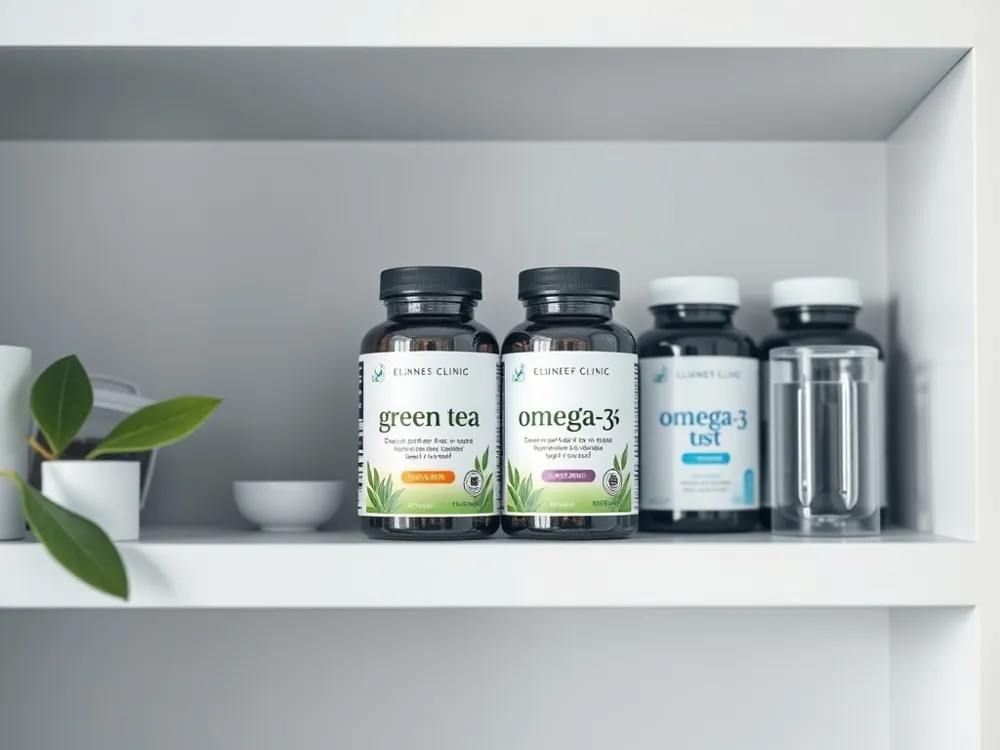
What supplements can help balance hormones and support weight loss?
Several supplements show promise for supporting both hormone balance and weight management when combined with a healthy diet and lifestyle. These include green tea extract, omega‑3 fatty acids, probiotics, vitamin D, and berberine.
Green Tea Extract Thermogenesis
Green tea extract is rich in catechins, particularly epigallocatechin gallate (EGCG), which can boost metabolism and promote fat oxidation. This thermogenic effect may increase calorie burning, aiding weight loss. Additionally, green tea may improve insulin sensitivity, supporting stable blood sugar and hormone balance.
Omega‑3 Insulin Sensitivity
Omega‑3 fatty acids (EPA and DHA) help reduce systemic inflammation, a key driver of insulin resistance. By improving insulin sensitivity, omega‑3s can help stabilize blood sugar levels and reduce cravings, supporting weight management. Omega‑3s also serve as precursors for sex hormone production and may improve metabolic markers in conditions like PCOS.
Probiotics and the Gut-Estrobolome
Probiotics support a healthy gut microbiome, which is crucial for hormone regulation. The gut microbiome houses the 'estrobolome'—a collection of bacteria that metabolize and regulate circulating estrogen. A balanced gut may improve estrogen detoxification, reduce inflammation, and enhance insulin sensitivity, aiding both hormonal balance and weight loss.
Vitamin D for Thyroid and Metabolic Support
Vitamin D functions as a hormone precursor and is essential for thyroid function, insulin sensitivity, and reproductive hormone regulation. Deficiency is common and linked to weight gain, insulin resistance, and hormone imbalances. Supplementing vitamin D can support metabolic health and may help with weight management.
Berberine for Blood Sugar Control
Berberine is a plant compound that activates AMPK, an enzyme that regulates metabolism. It improves insulin sensitivity, lowers blood sugar, and reduces insulin resistance—benefits similar to some diabetes medications. By stabilizing blood sugar and reducing fat storage, berberine supports both weight loss and hormone balance. Always consult a healthcare provider before starting berberine or any new supplement.
Menopause‑Focused Weight‑Management Supplements
What are the best menopause supplements for weight loss?
Many women seek supplements to manage weight changes during menopause. While no pill can guarantee weight loss, certain ingredients may support specific aspects of health during this transition, such as metabolism and appetite.
Asian Ginseng Energy
Asian ginseng has been studied for its potential to improve energy and reduce fatigue, which can, in turn, support an active lifestyle. The National Institutes of Health notes it is generally safe for short-term use, though it may cause insomnia. GoodRx highlights that while ginseng may boost libido and quality of life, it is not a proven weight-loss tool.
Fiber Satiety
Fiber, an indigestible carbohydrate, may aid weight management by promoting satiety. It slows carbohydrate absorption, which helps stabilize blood sugar and insulin levels. This is particularly relevant for insulin-resistant conditions like PCOS, which shares some metabolic features with menopause. A daily intake of 25–35 grams of fiber from whole foods or a psyllium-husk supplement can support blood-sugar control and fullness.
Calcium–Vitamin D Bone & Weight
The North American Menopause Society emphasizes that adequate calcium (1,200 mg/day) and vitamin D are crucial for bone health during menopause due to declining estrogen. While the link to direct weight loss is weak, some research suggests that adequate vitamin D may help maintain a healthy body weight by supporting metabolic function. Many women have low vitamin D levels, which can be checked with a simple blood test.
Clinical Evidence Gaps
It is essential to note the gaps in clinical evidence. The Menopause Society’s 2023 position statement declares that no dietary supplement is considered effective for menopause relief. GoodRx also advises that many supplements marketed for weight during menopause, such as those containing chromium, lack clinical proof for correcting hormonal imbalances.
| Supplement | Potential Benefit During Menopause | Evidence Level |
|---|---|---|
| Fiber | Promotes satiety, stabilizes blood sugar | Moderate for general health |
| Calcium & Vit D | Bone health, possible metabolic support | Strong for bone; weak for weight |
| Asian Ginseng | Energy, libido | Limited for weight loss |
In summary, the most effective strategy for managing weight during menopause involves lifestyle changes like a balanced diet and regular exercise. If you choose to try a supplement, consult a healthcare provider and select products tested by third-party organizations like NSF or USP.
Regulatory Reality: FDA‑Approved vs. Over‑The‑Counter Menopause Options
Are there FDA-approved menopause supplements?
The FDA does not approve dietary supplements for treating menopause symptoms. Supplements fall under the Dietary Supplement Health and Education Act (DSHEA), which classifies them as foods—not drugs. This means manufacturers are not required to prove safety, efficacy, or label accuracy before marketing their products. The result is a market where quality and potency can vary significantly between brands.
Approved hormone therapies and non‑hormonal prescription options
For women seeking proven relief, the FDA has approved several prescription hormone therapies. These include bioidentical estradiol, micronized progesterone, and combination products (e.g., Bijuva. These drugs have undergone rigorous clinical testing—such as the REPLENISH trial—to confirm they safely reduce hot flashes and night sweats.
For women who cannot or choose not to take hormones, the FDA has also approved non‑hormonal prescription options. One example is Brisdelle (paroxetine), a low-dose SSRI specifically indicated for vasomotor symptoms.
OTC supplement status
Over‑the‑counter supplements like L‑theanine, maca, or Asian ginseng are not FDA‑approved. Their effects can vary widely, and any perceived benefit may be due to a placebo effect. Before using any supplement during menopause, always consult a healthcare provider.
| Category | Examples | Approval Status | Key Point |
|---|---|---|---|
| Prescription hormone therapy | Estradiol, micronized progesterone, Bijuva | FDA‑approved; tested for safety & efficacy | Proven relief for hot flashes & night sweats |
| Non‑hormonal prescription | Brisdelle (paroxetine) | FDA‑approved for vasomotor symptoms | Alternative for women who cannot take hormones |
| Over‑the‑counter supplement | L‑theanine, maca, ginseng | Not FDA‑approved; no required proof of efficacy | Quality varies; may only provide placebo benefit |
| Compounded bioidentical hormone therapy | Custom‑mixed estradiol, progesterone, DHEA | Not FDA‑approved; lacks quality oversight | Batch variability; not recommended by ACOG |
The Three Vitamins Every Menopausal Woman Should Prioritize
Vitamin D: Bone & Mood Support
Vitamin D functions as a hormone and is essential for calcium absorption, helping to prevent the bone loss (osteoporosis) common after menopause. Low levels are also linked to depression and mood swings, making it crucial for emotional well-being.
Vitamin E: Antioxidant & Hot Flash Relief
Vitamin E is a fat-soluble antioxidant that may reduce the frequency and severity of hot flashes and night sweats. Its anti-inflammatory properties also support overall skin and heart health during the menopausal transition.
Vitamin B6: Neurotransmitter Support
Vitamin B6 is vital for producing neurotransmitters like serotonin and dopamine, which regulate mood and sleep. It can help alleviate mood swings, irritability, and fatigue often associated with hormonal changes.
Quick Reference Table
| Vitamin | Primary Benefit for Menopause | Key Mechanism |
|---|---|---|
| Vitamin D | Bone density & mood regulation | Enhances calcium absorption; influences serotonin synthesis |
| Vitamin E | Reduces hot flash severity | Acts as an antioxidant stabilizing cell membranes |
| Vitamin B6 | Mood & neurotransmitter support | Cofactor for serotonin and dopamine production |
Low Estrogen’s Hidden Effect on Blood Sugar Control
Can low estrogen raise A1c levels?
Yes, declining estrogen during menopause can directly impact your blood sugar control. As estrogen levels drop, your body’s ability to manage glucose diminishes, often contributing to insulin resistance. When cells become less responsive to insulin, glucose remains in the bloodstream, leading to higher average blood sugar readings over time—a change captured by an elevated A1c level.
A1c elevation mechanisms
This effect stems from estrogen’s protective role on the endocrine system. Low estrogen can impair insulin signaling pathways, making it harder for glucose to enter cells. Over time, this can result in a higher A1c, even in women without prior blood sugar concerns.
Weight gain link
The hormonal shift also often triggers weight gain, particularly around the abdomen. This central weight gain further worsens insulin resistance, creating a cycle that can accelerate metabolic changes.
Monitoring recommendations
If you are experiencing menopause, it is wise to routinely monitor glucose levels and A1c. Proactive checks help detect early changes, allowing you to work with a healthcare provider on strategies to maintain stable blood sugar and overall health.
MTHFR Mutations: A Hidden Driver of Hormonal Chaos

What Are MTHFR Mutations and How Do They Affect Hormones?
MTHFR (methylenetetrahydrofolate reductase) is an enzyme that plays a critical role in the methylation cycle, a biochemical process essential for DNA repair, detoxification, and hormone metabolism. Mutations in the MTHFR gene—most commonly C677T and A1298C—can impair this process. When methylation is compromised, the body struggles to break down and eliminate hormones like estrogen. This can lead to an accumulation of harmful estrogen metabolites, a condition known as estrogen dominance.
Can MTHFR Mutations Cause Hormonal Imbalance?
Yes. By hindering the methylation pathway, MTHFR mutations directly contribute to hormonal chaos. The reduced clearance of estrogen allows dominant, more potent forms to linger in the body. This imbalance is not limited to estrogen. Research links MTHFR polymorphisms to disruptions in progesterone and testosterone levels, as well as to conditions like polycystic ovary syndrome (PCOS). The dysfunction is often compounded by interactions with other genetic variations, such as COMT mutations, which further slow the breakdown of catechol estrogens.
What Is the Link Between MTHFR and PCOS?
There is a recognized connection between MTHFR mutations and PCOS. The same impaired methylation that disrupts estrogen metabolism can also affect insulin sensitivity and ovulatory function. This is why women with PCOS and hormonal symptoms, including irregular cycles or infertility, may benefit from evaluating their MTHFR status. The underlying methylation defect can contribute to the metabolic and reproductive features of PCOS.
How Can Nutrient Support Help?
Supporting the compromised methylation pathway is the primary strategy for managing hormonal imbalances linked to MTHFR mutations. The goal is to provide the body with the active forms of nutrients it needs, bypassing the genetic bottleneck. A diet rich in natural folate (from leafy greens, legumes, and beets) and supplementation with activated vitamin B12 (methylcobalamin) are foundational. Key nutrients for support include:
| Nutrient | Role in Methylation & Hormone Balance | Key Food Sources |
|---|---|---|
| Active Folate (L-methylfolate) | Directly fuels the methylation cycle, aiding estrogen metabolism. | Leafy greens, asparagus, beets, legumes. |
| Vitamin B12 (Methylcobalamin) | Works with folate to process homocysteine and clear hormones. | Meat, fish, eggs, dairy, fortified foods. |
| Vitamin B6 | Acts as a cofactor for COMT, helping to break down estrogen metabolites. | Poultry, fish, potatoes, bananas. |
| Magnesium | Supports over 300 enzymatic reactions, including DNA methylation and hormone production. | Almonds, spinach, black beans, pumpkin seeds. |
| Zinc | Essential for hormone synthesis and helps regulate the enzyme that processes estrogen. | Oysters, red meat, poultry, nuts, seeds. |
Working with a healthcare provider to identify specific MTHFR mutations and tailor a nutrient protocol is crucial for restoring balance, as individual needs can vary based on the specific genetic variant. Lifestyle factors like stress management and sleep further support these biochemical pathways. | Genetic Variant | Impact on Methylation | Common Hormonal Consequences | Typical Nutrient Support Strategies | |-----------------|-----------------------|------------------------------|--------------------------------------| | MTHFR C677T | Moderate to severe reduction in enzyme activity (up to 70%). | High homocysteine, estrogen dominance, recurrent pregnancy loss. | High-dose L-methylfolate, methylcobalamin, riboflavin (B2). | | MTHFR A1298C | Mild to moderate reduction in enzyme activity (up to 40%). | Reduced neurotransmitter production (dopamine/serotonin), fatigue, difficulty clearing estrogens. | L-methylfolate, B12, and supporting nutrients like magnesium and zinc. | | Compound Heterozygote | One copy of each mutation, leading to a combination of effects. | Broad hormonal disruption including PCOS, endometriosis symptoms, and mood disorders. | A comprehensive methylation support plan with active folate and B-vitamins. |
Putting Science First When Choosing Hormone‑Balancing Supplements
Critical Appraisal of Supplement Evidence
Despite a multi-billion dollar global market and marketing claims known as "menowashing," the scientific reality is sobering: no menopause supplement has demonstrated effectiveness beyond a placebo in rigorous trials. Placebo-controlled studies show a 30% reduction in hot flashes even with inactive pills. The 2023 Menopause Society position statement declares that no herbal remedy—including black cohosh, red clover, evening primrose, or maca—is considered effective for menopause relief. This does not mean all supplements are useless, but it demands a critical, evidence-based approach. For example, black cohosh has the strongest research support among botanicals for reducing vasomotor symptoms, with at least 12 clinical trials, mostly positive. However, its effects are modest and comparable to placebo in some studies. Similarly, inositol (myo-inositol plus D-chiro-inositol at a 40:1 ratio) shows robust evidence for improving insulin sensitivity and ovulation in women with PCOS. The key is to separate well-studied ingredients from unsubstantiated blends. Experts advise avoiding multi-ingredient "menopause support" formulas; if trying a single herb, select a product containing only that ingredient, though even single-herb supplements lack standardized dosing and safety data.
Integrated Care at Jana HealthCare
At Jana HealthCare, our multidisciplinary team—integrating clinical care, cosmetic dermatology, and wellness therapies—takes a personalized, science-first approach to hormone health. We do not endorse the indiscriminate use of supplements as quick fixes. Instead, we view them as potential adjuncts within a comprehensive treatment plan. For instance, our practitioners may recommend targeted nutrients like magnesium (200–400 mg/day of glycinate or citrate) to support sleep and stress resilience, or vitamin D (1,000–5,000 IU/day, guided by blood levels) to correct deficiency and support reproductive hormone function. For PCOS management, we might suggest inositol supplementation at 4 g/day, supported by strong clinical evidence. However, we emphasize that supplements cannot replace foundational medical care, including hormone therapy when appropriate. For patients who can safely take estrogen, FDA-approved hormone therapy offers strong evidence for symptom relief, especially when menopause occurs early (before age 50). Our goal is to harmonize evidence-based supplementation with medical supervision, avoiding the "predatory" marketing traps identified by experts like Dr. Jan Shifren and Dr. Pieter Cohen. All supplements we recommend are independently verified by third-party organizations such as NSF International, USP, or ConsumerLab to ensure quality and composition.
Personalized Testing for Targeted Support
A core tenet of our approach is using objective data rather than symptom-based guesswork. Before recommending any supplement regimen, we conduct comprehensive hormone testing—including blood levels of estradiol, progesterone, testosterone, TSH, free T3/T4, cortisol, and vitamin D—to identify specific deficiencies or imbalances. This aligns with the functional medicine principle that true hormone balance requires addressing root causes, not just masking symptoms. For example, low vitamin D status is common (42% of American adults are deficient) and is associated with decreased estrogen, mood swings, and insulin resistance—yet most people would not know without testing. Similarly, magnesium deficiency can worsen cortisol response and disrupt thyroid function, but clinical assessment of red blood cell magnesium provides a clearer picture than serum levels alone. For patients with PCOS, we may evaluate fasting insulin and glucose to inform the use of inositol or berberine. This personalized data allows us to tailor supplement recommendations—such as zinc (15–30 mg/day) for thyroid and reproductive support, or B vitamins (especially B6 and B12) to aid estrogen metabolism and methylation—while avoiding arbitrary or excessive intake. We also caution that adjunct hormone level testing (saliva, serum, or urine) is not recommended for dosing compounded bioidentical hormone therapy, since steroid hormones lack a narrow therapeutic window. Instead, dosing is guided by symptom relief under medical supervision.
Balanced Lifestyle as the Foundation
No supplement can replace a foundation of healthy lifestyle habits. The strongest evidence for improving midlife well-being and mitigating menopause symptoms lies in lifestyle interventions: regular aerobic exercise (e.g., a half-hour walk three times per week), strength training to enhance insulin sensitivity and lower cortisol, a balanced diet rich in protein (which provides amino acid building blocks for hormone synthesis), healthy fats (avocado, nuts, olive oil, fatty fish) that supply cholesterol precursors for steroid hormone production, and adequate sleep (7–9 hours) essential for cortisol, melatonin, and growth hormone regulation. The Mediterranean diet—abundant in fruits, vegetables, whole grains, fish, and unsaturated fats—is consistently linked to better metabolic health, fertility, and reduced symptoms of hormone-related conditions. Reducing added sugar intake prevents insulin spikes and lowers inflammation. Stress-reduction techniques such as yoga, mindfulness, and deep breathing help mitigate cortisol elevations that disrupt progesterone and testosterone production. For menopause-specific symptoms, behavioral approaches like cognitive-behavioral therapy (CBT) and hypnosis have shown stronger evidence than any supplement for reducing hot flash bother. These lifestyle factors are foundational; supplements are most effective when used to complement, not replace, these core habits. At Jana HealthCare, we integrate these evidence-based lifestyle recommendations with personalized testing and targeted supplementation, ensuring a comprehensive, patient-centered path to hormonal wellness. Consumers should always consult a healthcare provider before starting any supplement regimen, especially those with hormone-sensitive conditions, pregnant or breastfeeding women, and individuals on prescription medications. The U.S. FDA does not regulate dietary supplements like drugs, so choosing independently verified products (NSF, USP, ConsumerLab) is essential for safety and quality. By combining rigorous scientific appraisal, personalized care, and a foundation of healthy living, patients can navigate the confusing supplement landscape with confidence and achieve sustainable hormone balance.