A Gradual Approach to Skin Renewal
PRP microneedling combines tiny, controlled punctures in the skin with platelet-rich plasma (PRP) prepared from a small sample of your own blood. The treatment is intended to support the skin’s repair response and may improve the appearance of concerns such as uneven texture or acne scars, but results are not guaranteed.
Early changes may take weeks to appear, and the degree of improvement varies from person to person. Research on PRP for facial rejuvenation remains limited: a small randomized pilot study did not find notable improvement from adding PRP to microneedling, so its findings should be weighed alongside the study’s limitations. Read the study.
This guide covers how the treatment works, what recovery may involve, and how a clinician can help shape a plan around your skin and health history. At Jana HealthCare, cosmetic dermatology is part of a multidisciplinary practice, allowing treatment discussions to take place alongside broader clinical and wellness care. General guidance on the procedure is available from Geisinger, but your own clinician should set expectations and recommendations.
How the Treatment Works
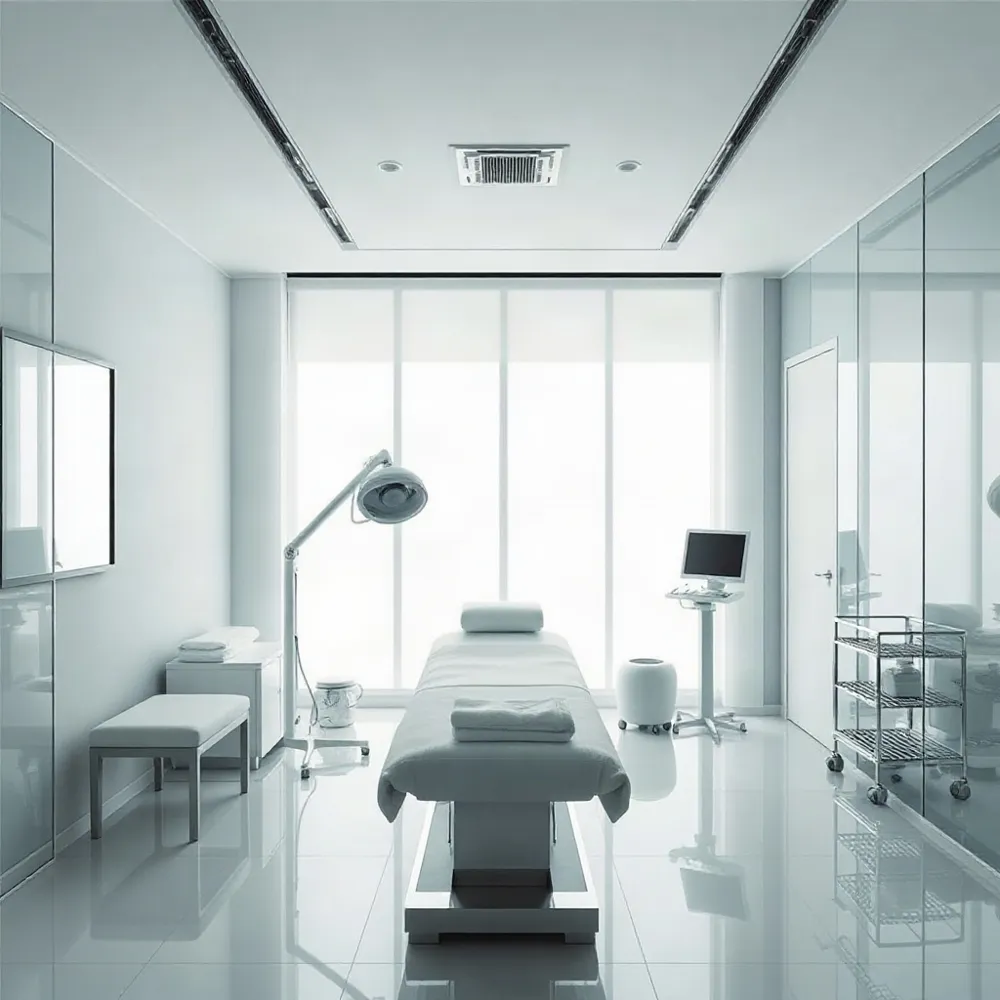 A clinician begins by cleaning the treatment area and may apply a topical numbing cream. They draw a small blood sample and place it in a centrifuge, which separates platelet-rich plasma (PRP) containing concentrated platelets and growth factors. The preparation process is described by Geisinger.
The microneedling device makes tiny channels in the skin, prompting a local repair response. PRP is then applied to the treated area, where it may support healing and tissue renewal. The precise order and technique can vary: some clinicians apply PRP during or after needling, while others may use injections for specific concerns. A clinician should tailor the approach to your skin and goals.
Numbing cream can make the procedure more comfortable, but it does not guarantee that you will feel nothing. People commonly describe prickling, pressure, or a light scratching sensation; sensitivity differs by person and treatment area. Thinner or more sensitive areas may feel more tender. Tell your clinician if you are concerned about discomfort so you can discuss ways to make the appointment easier.
After treatment, the skin may feel warm or tight and look red for a short time. The treatment’s proposed effects should not be mistaken for proven results: a small randomized pilot study did not find notable improvement in facial aging signs from PRP compared with saline when both were combined with microneedling. This study was limited in size and scope, so it does not settle how other protocols or concerns may respond.
At janahealthcare.com, PRP is offered within a multidisciplinary medical and aesthetic practice, where treatment planning can be considered alongside a patient’s broader clinical and cosmetic needs. Follow your treating clinician’s aftercare guidance and ask whether this approach suits your skin, health history, and expectations.
Potential Changes to Skin
 Microneedling with platelet-rich plasma (PRP) may help soften the appearance of acne scars and some surgical scars, while improving rough texture, fine lines, mild wrinkles, sun damage, enlarged pores, and uneven pigmentation. The treatment prompts a healing response and supports collagen production, but the degree of change depends on the concern and the individual. Geisinger’s overview of PRP microneedling describes these as possible benefits, not guaranteed outcomes.
After one session, skin may look temporarily brighter or feel smoother as initial redness and swelling settle. More meaningful changes tend to develop gradually as the skin remodels collagen. A single treatment is unlikely to erase scars, pigmentation, or deeper wrinkles, and any improvement may be subtle. Research is still limited: a small 2024 clinical trial found no notable improvement in facial wrinkles, roughness, or laxity from PRP injections combined with microneedling compared with saline injections and microneedling. The study tested a specific protocol, so it does not settle how all treatment approaches perform.
Pigmentation concerns need particular care. Melasma and other uneven-tone conditions may respond differently from sun damage, and irritation can worsen some pigmentation. At janahealthcare.com, a multidisciplinary medical and aesthetic practice in Brooklyn, NY, treatment planning can take skin concerns and overall clinical context into account. A clinician can assess whether PRP microneedling is suitable and whether a tailored approach is needed.
PRP may support subtle changes in skin quality or mild firmness, but it does not lift or reliably reposition jowls. Significant sagging or loss of facial support may call for a discussion of other options, such as fillers, energy-based treatments, or surgery. The right plan depends on your goals, skin, and medical history, and a consultation can help set realistic expectations.
Recovery and the Results Timeline
After PRP microneedling, the treated skin may feel warm, tight, or sensitive, similar to a mild sunburn. Redness, mild swelling, dryness, and occasional pinpoint bleeding can occur, followed by light flaking or a rough feel as the skin heals. These short-term effects are common, but the experience and pace of recovery vary.
Visible irritation often eases within a few days, and many people return to ordinary activities within a day or two. The Geisinger recovery guidance describes redness, soreness, or mild bruising as temporary, while individual aftercare needs may differ.
When can I wash my face?
Washing instructions vary by treatment protocol. Follow the directions from your treating clinician, who may advise waiting at least 4 to 6 hours before gently cleansing with clean hands and a mild cleanser. Keep care simple, pat rather than rub, and do not pick or scratch peeling skin. Ask your provider when to resume makeup, active skincare products, sun exposure, strenuous exercise, and heat such as saunas.
As redness settles, skin may look brighter, but that early change is different from longer-term results. Collagen remodeling takes time, so texture changes may become more noticeable over several weeks and continue to develop over the following months. Research findings are not uniform: a small randomized pilot study did not find notable improvement in facial aging signs from PRP compared with saline, underscoring that outcomes are not guaranteed.
At Jana HealthCare, care is part of a multidisciplinary medical and aesthetic practice in Brooklyn, where a clinician can consider skin concerns and overall health when discussing aftercare and expectations. Contact your provider if symptoms worsen or you are concerned about how your skin is healing.
Planning a Treatment Series
 A course of PRP microneedling often involves about 3 to 6 treatments, with roughly 4 to 6 weeks between sessions. This allows time for the skin to heal before another treatment. Geisinger’s general guidance describes an initial series of 3 to 4 sessions about a month apart, while schedules may differ by patient and provider.
The number and timing depend on the concern being treated, treatment depth, skin sensitivity, and how the skin responds. At janahealthcare.com, treatment planning is part of an integrated medical and aesthetic practice, where a clinician can consider your health history and goals before recommending a schedule. Wait until your skin has healed and follow your provider’s advice before booking another session.
Under-eye PRP plans may involve about 2 to 3 treatments spaced 4 to 6 weeks apart, but this is not a universal protocol. The published pilot trial studied a specific PRP and microneedling approach for facial aging and did not establish a standard schedule for under-eye concerns. A clinician should assess whether the treatment is suitable for the area and your individual circumstances.
After the initial series, maintenance may be discussed if appropriate. The interval is not fixed: it depends on your response, goals, and clinician’s assessment. A personalized plan can also account for healing between appointments, rather than treating a suggested number of sessions as a promise of results.
How Long Results May Last
A temporary glow or smoother look may appear as early redness settles, but changes linked to collagen remodeling take longer. Many people notice clearer improvement over about 4 to 6 weeks, and results may continue to develop over the following months. These are general expectations, not a promise of a particular outcome.
How long improvement lasts varies with the person, their skin concerns, and the treatment plan. Some people may see benefits for several months, but research does not establish a precise or guaranteed lifespan. A clinician can discuss whether maintenance sessions make sense based on your response and goals. At Jana HealthCare, treatment planning is part of its integrated clinical and cosmetic dermatology care, allowing individual concerns and health history to inform that discussion.
The evidence also calls for realistic expectations. In a small 2024 split-face pilot trial, researchers found no notable improvement in facial aging signs with PRP compared with saline. The study involved a specific group of participants and treatment protocol, so its preliminary finding cannot establish what every patient might experience. Broader evidence on facial rejuvenation remains inconclusive, as Healthline’s review of PRP microneedling explains.
Temporary redness, swelling, bruising, tenderness, or pinpoint bleeding can occur. Long-term safety and durability data for facial rejuvenation are limited, so no treatment can be described as risk-free or guaranteed to last. A qualified clinician can review your health history, explain alternatives, and advise you on symptoms that need follow-up.
Risks and Individual Suitability
Temporary redness, swelling, tenderness, bruising, itching, dryness, and sensitivity can follow PRP microneedling. Some people also notice tightness or pinpoint bleeding. These effects often ease within a few days, though recovery varies. The Geisinger overview of PRP microneedling notes that soreness, redness, or mild bruising may occur after treatment.
Using a person’s own blood to prepare platelet-rich plasma may make an allergic reaction to the plasma itself unlikely, but it does not remove risks from the procedure. Infection, prolonged inflammation, or skin injury can occur, especially if sterile technique, practitioner training, or aftercare is inadequate. A small randomized pilot study of PRP and microneedling also recorded temporary injection discomfort and skin reactions, while its limited size means it cannot establish safety for everyone.
Before treatment, discuss prescription and over-the-counter medicines, supplements, easy bruising, and any history of poor wound healing with a qualified clinician. Mention active acne, eczema, rosacea, infections, or other skin conditions in the area, as well as pregnancy, breastfeeding, and recent or current Accutane use. A clinician can review these factors and decide whether treatment should be postponed or avoided. At Jana HealthCare, care spans clinical, cosmetic dermatology, and wellness services, allowing a clinician to consider treatment within a broader health history.
Do not stop or change prescribed medication without advice from the clinician who manages it. Follow the treating provider’s instructions for skin care and recovery, and contact them if symptoms worsen rather than gradually settle.
Seek medical advice promptly for worsening pain, spreading redness, increasing warmth, pus, fever, or symptoms that do not improve as expected. These signs need assessment; they should not be assumed to be routine healing.
PRP for Hair Growth
PRP may also be injected directly into areas of the scalp as a treatment intended to support hair growth. A clinician prepares the platelet-rich plasma from the patient’s blood, but the response varies, and PRP is not a guaranteed cure for hair loss. Geisinger’s overview of PRP describes injections as one option for targeted hair treatment.
A common starting plan is about three sessions spaced four to six weeks apart. Some clinicians begin with three to four treatments, then consider maintenance every few months or once or twice a year. These schedules are not standardized, so the number and timing should reflect the type and stage of hair loss, health history, and response to treatment.
At janahealthcare.com, hair-related care sits within a multidisciplinary practice offering clinical care, dermatology, and wellness services. A clinician can discuss whether PRP is appropriate and set expectations based on an individual assessment. For a broader explanation of how PRP is used in hair restoration, see this overview of PRP in aesthetic and medical treatments.
Understanding Treatment Costs
As broad U.S. estimates, standard microneedling may cost about $200 to $800 per session, with PRP adding roughly $150 to $500. These figures are not current Brooklyn quotes, and actual prices vary by provider, treatment area, and whether PRP is applied topically or injected. PRP alone may be priced differently depending on how and where it is used.
An older Healthline cost estimate should not be treated as a guide to current local rates. Contact janahealthcare for its current pricing and ask whether the estimate covers a consultation, numbing, aftercare, PRP application or injections, and package pricing. Since a course may involve several visits, consider the full plan, not only the per-session fee. For more on practical budgeting, see this PRP microneedling cost guide.
Set Expectations With a Clinician
PRP microneedling may bring gradual, sometimes subtle changes, but results and recovery vary. Evidence for some aesthetic benefits remains limited: a small 2024 clinical trial did not find notable improvement in facial aging signs with PRP compared with saline.
Before deciding, consult a medically trained professional who can assess your health and skin, discuss suitability, risks, and alternatives, and set realistic expectations. At Jana HealthCare, integrated clinical care and cosmetic dermatology provide a setting for personalized treatment and aftercare guidance.